Table of Contents
Introduction
As the construction sector in India is set to touch a whopping 25 lakh crores by 2025 according to NITI Aayog, and thousands of would-be civil engineers are left with a tough choice – it’s time to get some real answers: They’re both key jobs – but in very different ways. A Structural Engineer makes sure buildings don’t come crashing down under the force of gravity, wind or massive earthquakes. A BIM Engineer, meanwhile, creates clever 3D digital models that help architects, structural engineers, and team members all work together smoothly.
In India, BIM adoption is on the rise – and it’s growing so fast it’s got a 15% CAGR. And if that wasn’t enough, many big global companies are now demanding that their construction projects use advanced computer tools. It’s a very good time to be asking – Structural Engineer or BIM Engineer – which path is right for me?
You will get a clear understanding of what the jobs entail and what you’ll be doing on a day-to-day basis. It also covers what skills and what software you’ll need to be good at your job. You get an idea on what the job market is looking like right now in India. Most importantly, it covers what kind of growth is on the cards for these types of jobs. By the end of it, we’re hoping you’ll have a much clearer idea of which path suits you best – or whether a bit of both might be the best option.
Get Career Oriented BIM Certification Course with Expert Mentors! Get Free Demo Here!
Who is a Structural Engineer? Core Role and Responsibilities
A Structural Engineer is the person responsible for designing and figuring out whether buildings, bridges, dams and flyovers can actually stand up to being used – all the while making sure they don’t fall apart. So, the role is about how it looks and how things are held together for good.

Structural Engineer Role India – What Do They Do?
A typical day for a Structural Engineer in India is usually pretty full on:
- Crunching numbers to work out how much weight a building or bridge can actually handle – things like the weight of the building itself, how many people it’s got in it, how much wind is coming against it, etc.
- Coming up with plans for buildings and bridges that use stuff like reinforced concrete and steel and making sure they comply with Indian standard codes, like IS 456, IS 800 and IS 1893
- Using computer programmes like ETABS and STAAD.Pro to help them design and check the loads on their designs
- Giving the drawings a once over to make sure they’re safe
- Working with the architects and site engineers on site
For example, take a 40 storey skyscraper in Mumbai. A Structural Engineer needs to make sure the foundation can handle all the weight and the soil it’s on – including the horizontal forces from earthquakes and vertical loads from the building itself – all while keeping an eye on the budget.
The Tools of the Trade
Well, you need to be familiar and have a flair for the tools that make the job sparkly.
- ETABS – as in, the software that helps with structural analysis
- STAAD.Pro – another software tool that does similar stuff
- SAFE – yet another tool designed to make the job easier
- AutoCAD – not just for drawing, but also for checking the structural integrity of designs
- And they also use excel-based sheets to do the calculations
Structural engineering has got roots in loads of theory – mechanics, materials science and loads of calculation – so if you enjoy numbers, physics and solving real world problems – this might be the path for you.
Master BIM and Elevate Your Career – Enroll Today!
Stay ahead in the construction and design industry with our comprehensive BIM Course! Learn Building Information Modeling (BIM) from experts, gain hands-on experience with top software, and boost your career prospects. Join now and become a certified BIM professional!
Know MoreWho is a BIM Engineer? The Digital Revolution in Construction
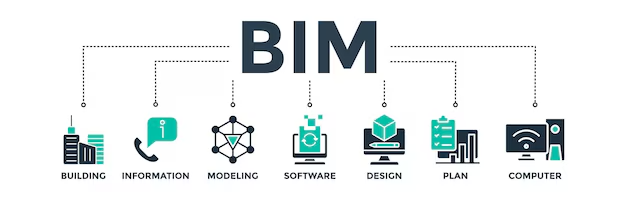
A BIM Engineer (Building Information Modelling Engineer) creates and manages intelligent 3D digital models of buildings and infrastructure projects.
Unlike traditional drafting, BIM integrates:
- 3D geometry (Design)
- 4D scheduling (Time)
- 5D cost estimation
- Facility management data
BIM Engineer Skills – What Do They Do?
Daily tasks include:
- 3D modelling in Autodesk Revit
- Clash detection using Navisworks
- Quantity take-off from models
- MEP coordination
- Creating parametric families
- 4D construction sequencing
A famous example is infrastructure projects like metro rail systems, where BIM implementation has reduced rework and improved coordination significantly.
Tools Used
These tools will equip you with cutting-edge results with your creative ideas.
- Autodesk Revit
- Navisworks
- BIM 360
- Dynamo scripting
- Tekla Structures
If you enjoy software, visualization, and digital collaboration, BIM could be your gateway to global opportunities.
Head-to-Head Comparison: Structural Engineer vs BIM Engineer
Both these job roles work well based on your preferences and the qualifications that you hold. The skills and qualifications coupled with your interests to bring some innovative inputs will make you stand out. However, the relevance of them can be understood from the following listing:
Skills and Qualifications Required
| Aspect | Structural Engineer | BIM Engineer |
| Education | B.Tech Civil/Structural | B.Tech Civil + BIM Certification |
| Core Knowledge | Structural Analysis, IS Codes | 3D Modelling, Data Coordination |
| Key Skills | RCC Design, Steel Design, Load Calculations | Revit Modelling, Clash Detection, 4D Planning |
| Tools | ETABS, STAAD, SAFE | Revit, Navisworks, BIM 360 |
| Certifications | IES, Structural Software Certs | Autodesk Certified Professional |
Structural Engineer vs BIM Engineer Skills – Deep Dive
- Structural roles focus 70% on theory and calculations.
- BIM roles focus 70% on software proficiency and coordination.
- Structural engineers work heavily with compliance and safety.
- BIM engineers work with multi-disciplinary collaboration.
Today, many job portals show increasing preference for BIM software expertise, especially in metro cities.
Salary and Job Opportunities in India
The salary prospects vary based on the experience level and still hold potential to improve over time. In India, particularly, the construction field has a dynamic nature.
Average Salary Comparison (India 2026)
| Experience Level | Structural Engineer | BIM Engineer |
| Entry Level | ₹6 to 8 LPA | ₹8 to 10 LPA |
| Mid Level (5 yrs) | ₹10 to 14 LPA | ₹12 to 18 LPA |
| Senior Level | ₹18+ LPA | ₹20+ LPA |
Why BIM Salaries Are Rising
- 40% growth in BIM-related job listings (LinkedIn trend analysis)
- Global companies outsourcing BIM modelling to India
- Government push toward digital infrastructure
Top Recruiters
- L&T
- Tata Projects
- Shapoorji Pallonji
- TCS (for BIM services)
- AECOM
- Atkins
While structural roles remain stable, BIM demand is accelerating faster due to digital transformation.
Master BIM and Elevate Your Career – Enroll Today!
Stay ahead in the construction and design industry with our comprehensive BIM Course! Learn Building Information Modeling (BIM) from experts, gain hands-on experience with top software, and boost your career prospects. Join now and become a certified BIM professional!
Know MorePros and Cons: Which Career Fits Your Style?
Structural Engineer
Pros
- Deep technical mastery
- Field involvement
- Strong foundation in core engineering
Cons
- High responsibility & liability
- Repetitive calculations
- Slower salary growth
BIM Engineer
Pros
- High demand globally
- Remote work opportunities
- Faster salary growth
- Creative & tech-driven
Cons
- Heavy software dependency
- Continuous learning required
- Screen-intensive job
Many professionals report switching to BIM and seeing a 30–50% salary jump within 2–3 years.
Future Trends: Why BIM Might Edge Out by 2030
The future of BIM Engineer careers looks promising.

Key Drivers:
- Government mandates for digital construction in infrastructure projects
- Smart Cities Mission
- AI integration in Revit & generative design
- Digital twin adoption
By 2030:
- Hybrid roles (Structural + BIM) will dominate
- BIM demand could grow twice as fast as traditional roles
- Indian engineers will serve global BIM markets
Structural engineering won’t disappear – but it will evolve into tech-integrated workflows.
Get Career Oriented BIM Certification Course with Expert Mentors! Get Free Demo Here!
Key Takeaways
In the increasingly evolving career landscape, both the job hold potential.
- India’s construction sector is booming.
- BIM jobs are growing faster than structural roles.
- BIM Engineers earn 20% to 30% higher starting salaries.
- Structural Engineering offers deeper technical expertise.
- Hybrid skillsets will dominate by 2030.
- Software proficiency is becoming non-negotiable in construction careers.
Conclusion
So, Structural Engineer or BIM Engineer – which path is better? It depends on you.
- Love theory, physics, and structural design? → Structural Engineering
- Love software, 3D visualization, and digital workflows? → BIM Engineering
- Want maximum growth? → Hybrid is the future
The smartest engineers in 2026 are not choosing one over the other – they’re combining both.
If you’re looking to transition into BIM, structured certification programs can fast-track your growth and improve employability in metro cities and abroad. Your career in construction doesn’t just depend on hard work – it depends on choosing the right direction.
|
RELATED POSTS |
|
Master BIM and Elevate Your Career – Enroll Today!
Stay ahead in the construction and design industry with our comprehensive BIM Course! Learn Building Information Modeling (BIM) from experts, gain hands-on experience with top software, and boost your career prospects. Join now and become a certified BIM professional!
Know MoreFrequently Asked Questions
Is a BIM Engineer better than a Structural Engineer in India?
BIM seems to offer a faster climb in salary and some pretty great global job opportunities. What really counts though – is whether BIM is better or not – is your own interests and what you want to achieve with your career.
Can a Structural Engineer become a BIM Engineer?
You bet they can. A whole lot of structural engineers do actually make the switch to BIM within a year or so with a bit of training on Revit and Navisworks.
What is the salary gap between a BIM Engineer and a Structural Engineer?
On average, you can expect an entry level BIM engineer to earn around 20 to 30% more than a structural engineer in India.
Does BIM need coding skills?
Not necessarily – you don’t need to know how to code to do the basics, but learning Dynamo scripting is really going to give you the edge you need.
Is BIM in high demand internationally?
Yes it is. Countries like the Middle East, the UK, the US and Australia are all looking for BIM professionals.
Can you learn BIM after you've finished your diploma in civil engineering?
Absolutely. A lot of people with diplomas end up doing just fine working as BIM modelers – so long as they get certified.
What software do BIM beginners need to learn?
You start with Autodesk Revit, and then you build on that with Navisworks and BIM 360.
Do Structural Engineers need to do GATE?
Not necessarily – although it does help if you’re planning on working for the government or carrying on with higher studies.
Can BIM Engineers work from home?
Yes they can. A lot of BIM roles do allow for either a hybrid or a fully remote setup.
Do BIM Engineers get stuck in the office all the time?
Well mostly they do, but you do still need to sort of work with the site teams which can get a bit messy.