Table of Contents
Building Information Modelling has come a long way from being a specialist skill. Nowadays BIM is at the very heart of how big construction, infrastructure and real estate projects get planned out, executed and maintained. In India, the rapid development of smart cities, new metro lines, airports, highways, IT complexes and large commercial developments has created a huge need for BIM-trained professionals.
For all the students looking to get into BIM, civil engineers, architects, MEP engineers & construction folk – knowing which companies in India are actually using BIM is a game-changer for your career. Its really helpful to understand the job market, the skills you need to get by and where to put your learning efforts.
This blog looks at The Top 8 BIM Companies in India, what they do, why they’re important and what you can do to get noticed by companies who use BIM. We’ve written this with the aim of keeping you up to date with whats new in the industry – even if the industry does change a bit.
Why BIM Companies are Worth Your Time for Your Career
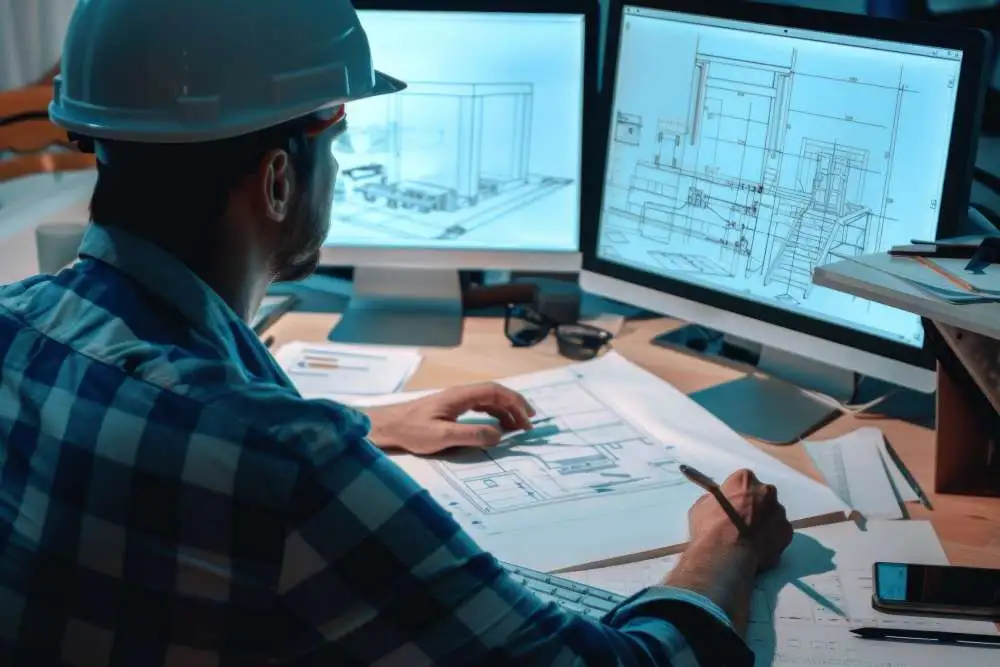
BIM companies aren’t just companies that use the software. They’re actively using BIM to push through big projects:
- big projects that need super-coordinated teams
- projects that call for advanced technical skills to get done right
- projects that need to follow international quality standards
- projects that can give you a really long term career in the industry
Working with or for BIM-driven companies can open your eyes to all sorts of international ways of working. Working with loads of different people to get a project right & how to properly manage a big project.
What Do BIM Companies in India Actually Do?
Most BIM companies in India are working on:
- architectural models, making them work with the rest of the building
- using BIM to make sure buildings can hold up to various types of weather & other loads
- Getting MEP systems working as part of the building model
- checking for conflicts between different systems
- some more in-depth stuff like how buildings will be used over time (4D) and how we can cut costs on a project by doing things more efficiently (5D)
- making sure buildings are properly maintained over time
Some of these companies are just BIM service providers and others are big EPC or construction firms who have their own BIM teams in house.
Get Career Oriented BIM Certification Course with Expert Mentors! Get Free Demo Here!
Master BIM and Elevate Your Career – Enroll Today!
Stay ahead in the construction and design industry with our comprehensive BIM Course! Learn Building Information Modeling (BIM) from experts, gain hands-on experience with top software, and boost your career prospects. Join now and become a certified BIM professional!
Know MoreWhy Pick a BIM Firm to Partner With on Your Project?
When deciding on a BIM firm for your project, you’ll get several benefits that can make a big difference in how smoothly and well your construction or design project goes.
- BIM tech firms have got the skills and the know-how to whip up advanced digital models that help all parties involved – architects, engineers, contractors and stakeholders – to easily collaborate without a hitch.
- They’re able to create super precise 3D models, which makes it way easier to catch and correct errors in the design stage
- BIM firms can save you time and money by streamlining workflows and warning you of any potential delays before you even start building.
- They make it possible for all stakeholders to get a good look at what the finished project is going to look like in 3D, so everyone gets a clue what they’re working towards.
- BIM companies also help ensure that your project meets all the necessary building codes and regulations, as they can spot any trouble in advance.
- And crucially, these firms can be flexible and adapt their service to exactly what your project needs.
Top 8 BIM Firms in India

India’s got a pretty active BIM industry with some top notch companies leading the way in all sorts of AEC services. Here are the top 8 BIM firms in India:
Pinnacle Infotech:
This one is well known for the global reach and BIM expertise it brings to the table on large projects across healthcare, education, hospitality and retail
Tata Consulting Engineers:
Great for big infrastructure projects, from metro systems to urban developments – and they’ve got a real knack for using cutting-edge tools like Revit and Navisworks.
L&T Technology Services:
L&T does 3D modelling, 4D scheduling and MEP coordination for all sorts of projects, from smart city developments to industrial facilities – they are experienced pros.
Excelize:
Their speciality is multidisciplinary BIM solutions including point cloud-to-BIM and construction scheduling, and they’ve got a client base in the US, UK, and Australia, and all over the world.
Rebcon Group:
They focus on structural detailing, MEP clash detection and all sorts of other BIM services, with a particular emphasis on projects in the transport and infrastructure sectors.
Virtual Building Studio:
They offer end-to-end BIM services to clients globally for projects of all shapes and sizes – they are experts in all sorts of projects
Mars BIM:
This one’s great at integrating technologies like AR, VR and digital twins with BIM to get even better results on project after project.
Neilsoft:
And finally, Neilsoft deliver comprehensive BIM solutions to infrastructure, MEP and construction projects, always looking to innovate with new and emerging technologies.
These BIM firms are the driving force behind innovation in India’s construction industry, pushing smart city projects forward and making the whole AEC process a lot more digital. They design solutions tailored to each clients needs.
Emerging BIM Trends in India
Emerging trends in BIM in India reflect the speed at which the country’s construction and infrastructure sectors are evolving – influenced by what’s happening globally and what locals are clamouring for. Just check out these key trends:
1. Cloud Based BIM: Collaboration Made Easier
Cloud tech is coming into its own, allowing real time collaboration between project stakeholders no matter where they’re based. Tools like Autodesk BIM 360 really take the strain out of coordinating projects and sharing data, cutting down on the inefficiencies that were previously holding things back.
2. AI – the Game Changer
Predictive analytics powered by AI are helping to sort out design errors, make construction go faster and more smoothly, and even anticipate any potential problems that may come up on site.
3. Getting to Know 5D and 6D BIM
While 3D modelling is already pretty widespread, 5D BIM (that’s the one with cost data added in) and 6D BIM (operational and maintenance data too) are becoming the norm for managing the lifespan of buildings and big infrastructure projects.
4. Sustainability and Energy Modelling
BIM is increasingly being used to design energy efficient buildings, work out the environmental impact of various options, and come up with sustainable solutions that are in line with Green Building standards like LEED. Its ability to integrate material tracking and energy modelling really helps bring these projects to life.
5. Government Support and Smart Cities
The Indian government’s push for digital construction tech in smart city projects is also driving the adoption of BIM. Regulatory frameworks are actively encouraging BIM use in public infrastructure projects like metro systems and highways.
6. VR & AR Integration
BIM models are now being linked up with VR and AR tech to give project stakeholders a better look at design visualisations, stakeholder presentations, and on site construction management.
7. Scan to BIM & Digital Twins
Laser scanning and point cloud tech are being used to create super-accurate digital duplicates of existing buildings. Digital twin solutions – where BIM gets combined with IoT tech – are also being used to get a real time readout of how things are performing.
8. Focusing on Big Infrastructure Projects
BIM is playing a key role in large scale infrastructure projects like airports, highways, and metro systems, helping to get the coordination and execution just right.
9. Upskilling & Training the Next Gen
As demand for BIM professionals continues to grow, training programs in universities and professional institutions are springing up, placing a big emphasis on teaching the next gen the tricks of the trade when it comes to tools like Revit, Navisworks, and Tekla.
These trends make it clear just how far India is pushing the boundaries of BIM in the construction industry – cutting costs, reducing waste and making projects across sectors more efficient, sustainable and innovative.
Get Career Oriented BIM Certification Course with Expert Mentors! Get Free Demo Here!
Master BIM and Elevate Your Career – Enroll Today!
Stay ahead in the construction and design industry with our comprehensive BIM Course! Learn Building Information Modeling (BIM) from experts, gain hands-on experience with top software, and boost your career prospects. Join now and become a certified BIM professional!
Know MoreConclusion
The rise of BIM has reshaped how construction projects are delivered in India. Companies that invest in BIM are also investing in better planning, efficiency, and long-term sustainability. For aspiring BIM professionals, understanding where BIM is actively used helps in making smarter career decisions.
If you are serious about building a future in this field, focus not only on software but on how BIM is applied in real projects. With the right training, consistent practice, and exposure to industry-aligned learning through programs like the Entri BIM Course, you can position yourself strongly for opportunities with India’s leading BIM companies.
Master BIM and Elevate Your Career – Enroll Today!
Stay ahead in the construction and design industry with our comprehensive BIM Course! Learn Building Information Modeling (BIM) from experts, gain hands-on experience with top software, and boost your career prospects. Join now and become a certified BIM professional!
Know MoreFrequently Asked Questions
What is BIM and why is it important in India?
BIM (Building Information Modelling) is a digital process used to plan, design, construct, and manage buildings. In India, BIM is important because it reduces errors, saves cost, improves coordination, and speeds up project delivery in large infrastructure and building projects.
Do BIM companies in India hire civil engineers only?
No. BIM companies hire civil engineers, architects, mechanical, electrical, plumbing (MEP) engineers, and even quantity surveyors. BIM is multidisciplinary and not limited to civil engineering alone.
What BIM software skills do companies in India expect?
Most BIM companies in India expect knowledge of Revit (Architecture/Structure/MEP), Navisworks for clash detection, AutoCAD, and basic understanding of BIM 360 or Autodesk Construction Cloud.
Is BIM a good career option in India in 2026 and beyond?
Yes. BIM is a strong long-term career option in India due to increasing adoption in infrastructure, metro projects, commercial buildings, and international outsourcing from the US, UK, and Middle East.
What is the average salary for BIM professionals in India?
Entry-level BIM professionals typically earn ₹3–5 LPA. With experience as a BIM Coordinator or BIM Manager, salaries can grow to ₹8–15 LPA or more, depending on skills and project exposure.</span>
How can students prepare to get hired by top BIM companies?
Students should focus on practical BIM skills, coordination workflows, clash detection, model standards, and project-based learning. Building a strong BIM portfolio is more important than just software certificates.
What is the difference between a BIM Modeler and a BIM Coordinator?
A BIM Modeler focuses on creating discipline-specific models, while a BIM Coordinator manages coordination between disciplines, clash detection, issue tracking, and model quality across teams.
Is Entri’s BIM course useful for getting a BIM job in India?
Yes. Entri’s BIM course is useful for beginners and engineers who want structured, job-focused BIM training with practical workflows aligned to industry requirements and hiring expectations.