Table of Contents
Meditation is one of those words everyone seems to have heard of, yet very few people feel comfortable actually explaining what it is. For some, the word conjures up images of monks or mountains. Others think it requires a complete silence or years of dedicated practice. Many try it once, get a bit restless, and pretty quietly decide it’s “not for them”.
The thing is though – meditation isn’t that abstract or special, is it? For yoga enthusiasts and aspiring yoga teachers its not just a vague idea or some sort of spiritual performance. Its a skill that can really shape the way you think, the way you move your body, the way your breath flows, and the way your mind responds to the ups and downs of life. Which is why meditation has always been such an integral part of yoga from way back, long before it became this huge global fitness trend.
This article is going to explain what meditation is all about, how it shows up in everyday life, why its so important for any yoga practice, and how it becomes a really essential foundation in any sort of Yoga Teacher Training Course (Yoga TTC).
Learn Yoga from the best teachers in the industry! Join the Entri app!
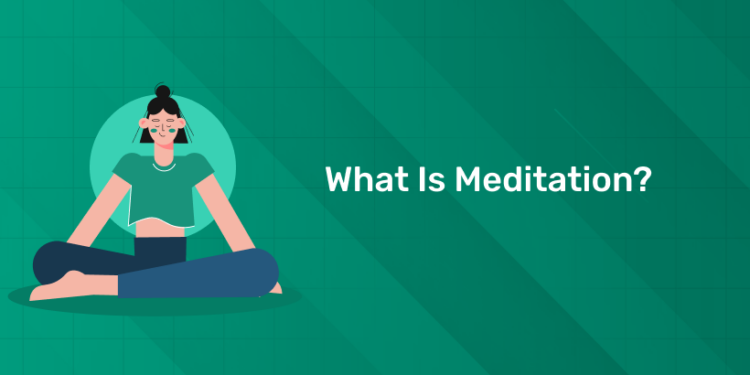
Meditation: A Pretty Simple Definition
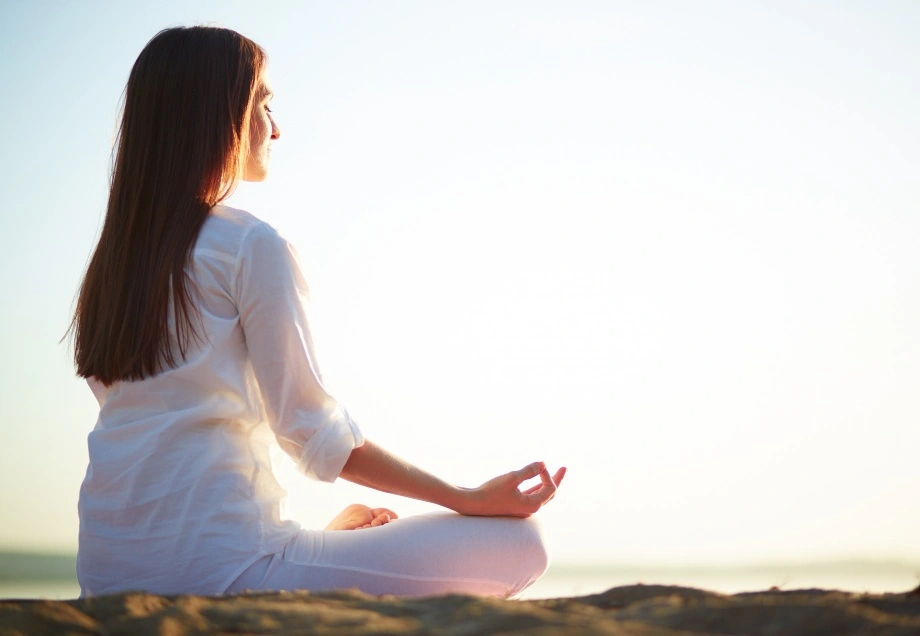
Meditation is basically the practice of bringing your mind into the present moment and getting better at staying there without going off on some wild tangent.
Its not about stopping your thoughts – that just isn’t going to happen! Meditation is more about learning to notice them as they come up, without automatically following them down some rabbit hole of thought. Over time, that creates a bit of space between thought and action, emotion and response.
And in that space, is where clarity starts to develop.
Why People Struggle With Meditation at First
1: Which of these is the primary goal of yoga practice?
Lots of people expect meditation to feel calm from the word go. When it doesn’t, they assume they’re just not doing it right.
But the truth is, the early phase of meditation can actually feel pretty busy. And that’s because you are noticing your mind for the first time. You’re not getting more distracted, you’re actually just becoming more aware. For yoga students, this is a really important realisation. The physical practice of yoga gets the body ready to go, but meditation trains the mind to just observe things without getting all worked up about it.
Become a Certified Yoga Instructor
Yoga Teacher Training Course by Entri App: Master authentic yoga techniques, earn certification, and build a successful career as a professional yoga instructor.
Join Now!Meditation in the Context of Yoga
In traditional yoga, meditation isn’t something separate from the asanas or pranayama. In fact, its the normal outcome of just sticking with the practice over time.
- Asana helps get the body steady
- Pranayama helps get the breath steady
- Meditation helps get the mind steady
When all three of those things are working together, yoga becomes more than just a bit of exercise. Its a real method of getting a better understanding of yourself.
And that’s why meditation is taught as a core subject in Yoga TTC courses, not just some optional extra.
What Meditation Is NOT
Understanding what meditation is also means clearing up some common misunderstandings.
Meditation isn’t about :
- Escaping from problems – in fact the opposite is true
- Becoming some kind of robot or emotionless machine
- Forcing your mind to a complete blankness – just doesn’t work that way
- Limited to spiritual types – its for anyone who wants to be more present in their life
- Dependent on perfect posture or total silence – thats not how it works either
Meditation is about meeting life head on, more clearly and without all the distractions, not trying to avoid it.
How Meditation Works in Daily Life
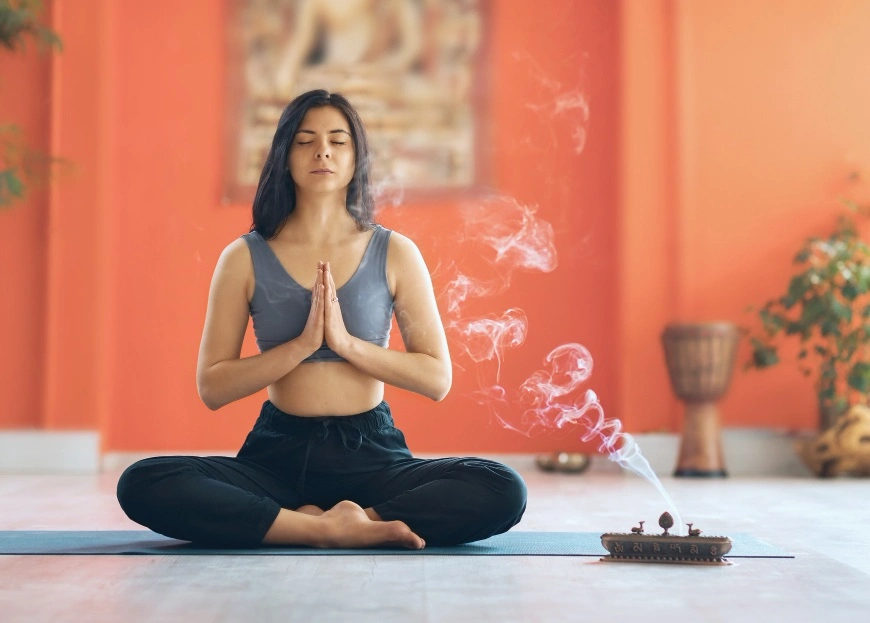
Meditation changes how you relate to thoughts and emotions. Instead of reacting automatically, you begin to notice patterns.
Over time, this shows up in small but meaningful ways:
- You pause before responding
- You notice stress earlier
- You recover faster from emotional disturbances
- You become less reactive and more attentive
For yoga teachers, these changes directly influence teaching quality. Students sense calmness long before they hear instructions.
Become a Certified Yoga Instructor
Yoga Teacher Training Course by Entri App: Master authentic yoga techniques, earn certification, and build a successful career as a professional yoga instructor.
Join Now!Different Ways People Meditate
Meditation is not one rigid technique. Some people meditate through breath awareness. Others through repetition, silence, movement, or guided awareness.
What matters is not the method but the relationship with awareness. This flexibility is important for yoga teachers, who will encounter students with different temperaments and needs.
Yoga TTC courses introduce meditation in varied forms so teachers learn not just how to practise, but how to guide others.
Meditation and the Nervous System
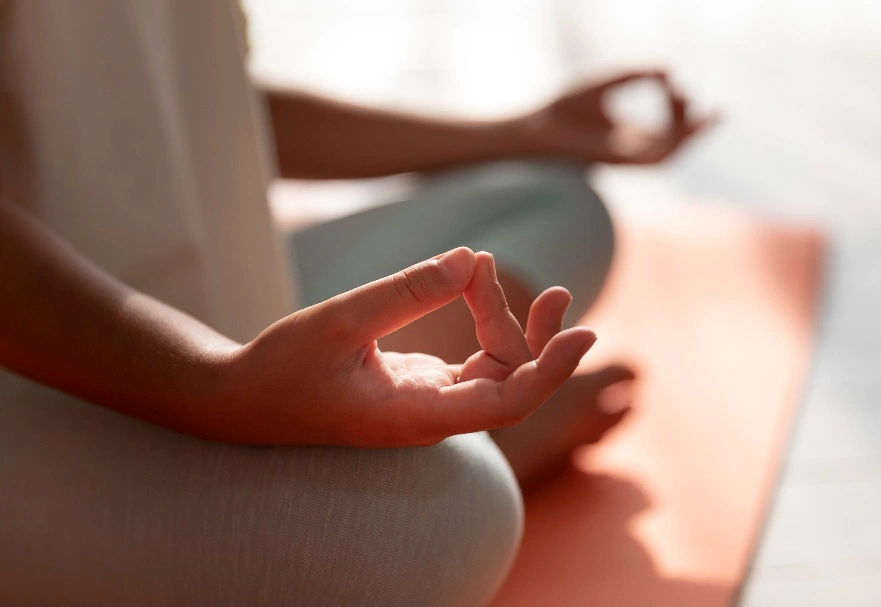
One of the most practical benefits of meditation is its effect on the nervous system.
Modern life keeps the body in a constant state of alertness. Meditation activates the relaxation response, helping the nervous system return to balance.
This is why meditation supports:
- Better sleep
- Reduced anxiety
- Improved concentration
- Emotional stability
For yoga students, meditation complements physical practice by addressing mental fatigue that asana alone cannot resolve.
Meditation for Yoga Students
For students, meditation:
- Improves focus during practice
- Enhances breath awareness
- Builds patience with physical limitations
- Deepens self-observation
As practice matures, meditation often becomes less effortful and more intuitive.
Meditation for Aspiring Yoga Teachers
Teaching yoga requires more than physical skill. It requires presence.
Meditation helps teachers:
- Hold space for diverse students
- Respond calmly to challenges
- Observe without judgement
- Maintain clarity during classes
This is why meditation is treated as inner preparation in Yoga Teacher Training, not just a personal habit.
Meditation in Yoga Teacher Training (Yoga TTC)
In a Yoga TTC, meditation is taught alongside:
- Yogic philosophy
- Breath control
- Ethical disciplines
- Teaching methodology
The aim is not to create “perfect meditators” but grounded teachers who understand their own minds before guiding others.
How the Entri Yoga TTC Course Approaches Meditation
The Entri Yoga TTC course integrates meditation as part of holistic yoga education. Rather than presenting meditation as something mystical or intimidating, it is introduced gradually and practically.
Students learn:
- How meditation supports teaching presence
- How to practise consistently without strain
- How to guide basic meditation safely
- How meditation complements asana and pranayama
This balanced approach helps aspiring teachers develop confidence both on and off the mat.
Meditation Is a Skill, Not a Talent
Some people believe meditation comes naturally to certain individuals. In reality, meditation is a skill that develops through regular, patient practice.
Progress is not measured by silence or special experiences. It is measured by:
- Increased awareness
- Reduced reactivity
- Greater steadiness
These changes are subtle but lasting.
Common Myths About Meditation
A lot of people tend to give up on meditation because of some pretty common misconceptions:
- they think their mind is too busy to calm down\
- they don’t have time to set aside for it\
- they feel like they’re not spiritual enough for it
The truth is, though, that you don’t need to be perfect to start (or keep) meditating – all you need is to be genuinely interested.
The thing is, even just a few minutes of meditation each day can start to make a real difference, and that difference will add up over time.
Meditation and Modern Life
The thing lots of people think about meditation is that you have to be some kind of monk, withdrawing from the world and all its responsibilities. But that’s not the case – actually, meditation can help you engage more fully with the things you need to do.
For example, if you’re a teacher, a professional, a student, or a caregiver – meditation can actually help you stay more grounded, even when you’re running on a million things at once.
Learn Yoga from the best teachers in the industry! Join the Entri app!
Key Takeaways
So here are a few things to keep in mind when it comes to meditation:
- it’s not about trying to control your mind – it’s about developing your awareness
- it’s a great way to help keep your emotions in check, and your mind nice and clear
- if you’re a yoga student, you’ll know how much meditation is part of the tradition
- it’s a big help in improving your focus and being able to observe yourself more clearly – which is super valuable
- for yoga teachers, it’s a must-have skill – it helps you stay calm and present with your students
- pretty much every good yoga teacher training program includes meditation as a key part of the course
- the Entri Yoga TTC course has meditation at its heart, and is designed to help you work with that in a really deep and holistic way
Final Thoughts
Now, I know some people might go into meditation thinking it’s the secret to instant peace and calm – and that’s just not how it works.
What meditation actually gives you is a kind of clarity – clarity about how you think and how you respond. And that’s way more valuable than instant peace.
So for yoga teachers, practitioners and anyone who’s looking to deepen their practice – meditation is not something you can afford to skip out on. It’s the foundation that everything else is built on.
When you can calm your mind and settle in, teaching gets better, practice gets deeper and life just gets a whole lot more manageable – one breath at a time.
Become a Certified Yoga Instructor
Yoga Teacher Training Course by Entri App: Master authentic yoga techniques, earn certification, and build a successful career as a professional yoga instructor.
Join Now!Frequently Asked Questions
What is meditation in simple words?
Meditation is the practice of becoming aware of the present moment and learning to observe thoughts and emotions without reacting to them.
Is meditation a part of yoga?
Yes, meditation is a core part of traditional yoga and works alongside asana and breathing practices to develop mental clarity and awareness.
Do I need to stop thinking during meditation?
No, meditation does not require stopping thoughts. It teaches you to notice thoughts without getting carried away by them.
How long should beginners meditate daily?
Beginners can start with 5 to 10 minutes a day and gradually increase the duration based on comfort and consistency.
What are the main benefits of meditation?
Meditation helps reduce stress, improve focus, regulate emotions, and build mental calmness over time.
Is meditation suitable for everyone?
Yes, meditation can be practised by people of all ages and backgrounds, regardless of fitness level or spiritual beliefs.
How does meditation help yoga students?
Meditation improves concentration, breath awareness, patience, and self-observation, which deepens overall yoga practice.
Why is meditation important for yoga teachers?
Meditation helps yoga teachers develop presence, emotional balance, and clarity, which directly impacts how they teach and guide students.
Does the Entri Yoga TTC course include meditation training?
Yes, the Entri Yoga TTC course includes meditation practices as part of holistic yoga education and teacher preparation.