Table of Contents
Architecture in 2026 is not only about beautiful design. It is about speed, accuracy, coordination, compliance, and buildability.
Clients want faster delivery. Contractors want fewer errors. Consultants want clarity. Governments want transparency. And the market wants professionals who can work in a digital construction workflow.
That is exactly why BIM (Building Information Modeling) is no longer an “extra skill.”
For architects, BIM is now a core career skill, like drawing once was.
If you are an architecture student, an aspiring BIM architect, or a young professional in India (especially Kerala) aiming for premium jobs in India or GCC, this blog will show you why learning BIM in 2026 is a smart move—and in many cases, a necessary one.
BIM in Simple Words: What It Really Means for an Architect
Most beginners think BIM is “Revit modeling.” That is only half the truth.
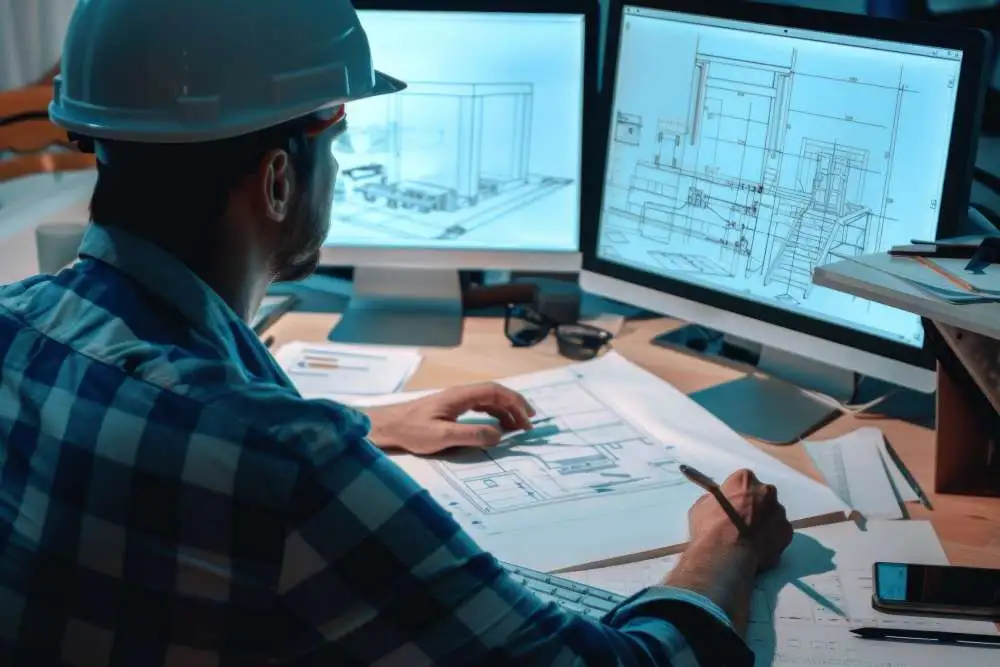
BIM is a process, not just software.
It is how a building is designed, documented, coordinated, and delivered using a structured digital model.
For an architect, BIM means:
- You build a 3D building model where walls, doors, slabs, windows, materials, and levels contain real information.
- You generate drawings from the model, plans, sections, and elevations, so everything stays consistent.
- You collaborate with structural and MEP teams in one coordinated workflow.
- You reduce errors before construction starts.
BIM turns architecture from “drawing-based design” to “data-driven design.”
Get Career Oriented BIM Certification Course with Expert Mentors! Get Free Demo Here!
The 2026 Reality: Why BIM Is No Longer Optional
A) Construction errors are too expensive now
On-site rework wastes time, money, and reputation. In a competitive market, one coordination mistake can cost a project weeks.
BIM reduces common issues like:
- wrong slab openings
- duct clashes with beams
- staircase and headroom conflicts
- door swing conflicts
- plumbing routes cutting into structural members
- incorrect quantities and finishing schedules
In 2026, clients and contractors don’t want “we’ll fix it on site.”
They want “we fixed it in the model.”
B) Industry is moving towards integrated delivery
Architects are expected to work in integrated workflows with:
- contractors
- consultants
- project managers
- sustainability teams
- facility management teams
BIM is the language of integrated project delivery.
C) Hiring has changed
Many companies now treat BIM as a screening filter:
- If you know BIM, you get shortlisted.
- If you don’t, you may not even be considered for better roles.
This is especially true in markets like:
- Kochi (BIM service firms, AEC outsourcing)
- Bengaluru, Hyderabad, Chennai (engineering + AEC)
- GCC projects (UAE, Qatar, Saudi) which rely heavily on BIM coordination
Master BIM and Elevate Your Career – Enroll Today!
Stay ahead in the construction and design industry with our comprehensive BIM Course! Learn Building Information Modeling (BIM) from experts, gain hands-on experience with top software, and boost your career prospects. Join now and become a certified BIM professional!
Know MoreWhat Architects Gain from BIM
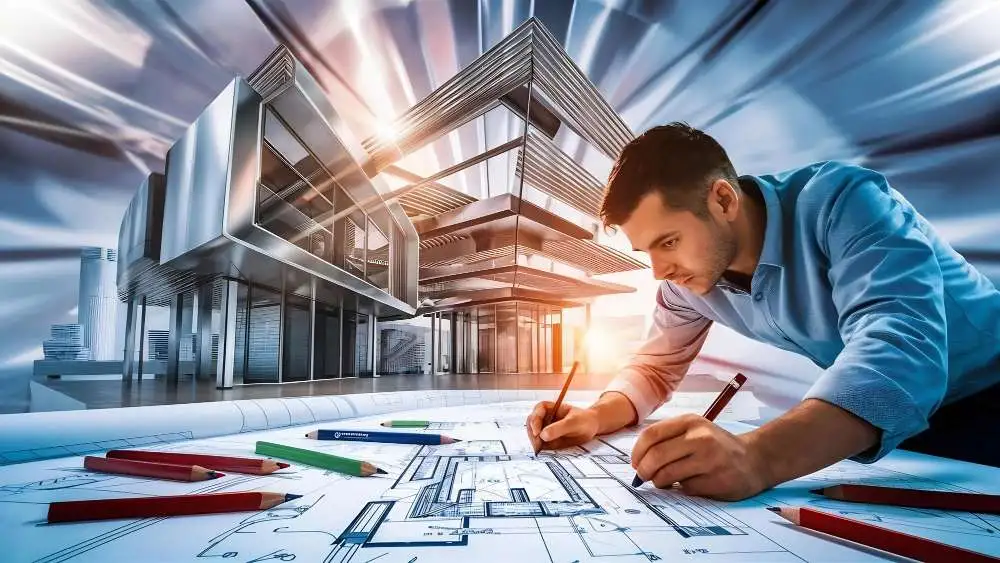
You become faster without losing quality
In 2D drafting workflows, a change becomes a nightmare:
- change window position → update plan, elevation, section, schedule
- change floor height → update everything
- change wall type → update details, quantities, schedules
In BIM, a change is model-driven:
- change once → update everywhere
This increases speed and reduces mistakes.
You generate professional documentation
BIM helps you produce:
- clean plans with controlled line weights
- proper levels + grids
- consistent sections and elevations
- door/window schedules
- material takeoff outputs
In 2026, documentation quality matters because contractors and clients demand clarity.
You improve coordination and reduce conflict
Architects often suffer because of downstream clashes:
- “MEP is cutting through my false ceiling design.”
- “Structure reduced my slab thickness. Now my floor-to-floor is broken.”
- “HVAC ducts destroyed my facade aesthetic.”
With BIM coordination:
- You see conflicts early
- You negotiate design decisions confidently
- You protect your design intent while staying realistic
You become valuable in high-paying roles
Architectural BIM leads and coordinators earn more because they:
- handle multi-team coordination
- maintain model standards
- manage deliverables
- prevent costly errors
If you want growth beyond “junior architect,” BIM is one of the fastest accelerators.
BIM Skills Architects Must Have in 2026
Learning BIM is not “learn one tool and stop.”
You need a practical stack.

Core BIM modeling (Architectural)
You must know:
- levels, grids, scope boxes
- wall types, floor assemblies, roof systems
- curtain walls, facades, parametric components
- families: doors, windows, furniture, custom elements
- views, templates, sheets, title blocks
- annotation standards
- worksharing basics (if working in teams)
Documentation mastery
A BIM architect must be strong at:
- setting up drawing sheets
- view templates and graphic control
- detail levels for LOD (Level of Detail)
- naming conventions
- clean sections and elevations
- schedules for doors, windows, materials
Coordination basics
Even if you are an architect, you must understand:
- linking structural and MEP models
- identifying clashes
- issue tracking process
- coordination meetings workflow
- practical site constraints
This is what turns you from “modeler” to “professional BIM architect.”
Practical understanding of construction
BIM without construction knowledge is dangerous.
Architects must understand:
- how things are built
- tolerances and clearances
- service routes and maintenance access
- sequencing basics
- BOQ awareness
In 2026, BIM architects who understand construction become project leaders faster.
Why BIM Matters Specifically for Kerala and India
If you are based in Kerala (Kochi, Trivandrum, Calicut), BIM matters because:
A) Kochi has a visible BIM ecosystem
Kochi has BIM services, MEP-heavy firms, and outsourcing teams that work on GCC projects. These teams often require Revit + coordination exposure.
B) India’s construction market is maturing
Clients expect:
- coordination discipline
- predictable timelines
- fewer errors
- better reporting
BIM supports these demands.
C) GCC job aspirations are common
Many Kerala engineers and architects target GCC roles.
BIM is widely used in GCC projects, especially large-scale infrastructure, airports, metros, high-rises, and giga projects.
|
Engineering Upskilling Courses
|
| MEP Course |
| BIM Course |
| Structural Design Course |
| Embedded Systems Course |
| Robotics and AI Course |
Master BIM and Elevate Your Career – Enroll Today!
Stay ahead in the construction and design industry with our comprehensive BIM Course! Learn Building Information Modeling (BIM) from experts, gain hands-on experience with top software, and boost your career prospects. Join now and become a certified BIM professional!
Know MoreCommon Myths That Stop Architects from Learning BIM
Myth 1: “BIM will kill creativity.”
Wrong. BIM supports creativity because it lets you iterate faster and test design options without breaking documentation.
Creativity without buildability is fantasy.
Creativity with BIM becomes real architecture.
Myth 2: “Only engineers need BIM.”
Wrong. Architects are the backbone of building models. If architects don’t model correctly, the entire coordination falls apart.
Myth 3: “I can learn later.”
In 2026, “later” is expensive.
The market is moving now. Your peers are learning now. Companies are hiring now.
Myth 4: “BIM is just Revit.”
Wrong. BIM includes process, coordination, standards, data, documentation, and lifecycle thinking.
Get Career Oriented BIM Certification Course with Expert Mentors! Get Free Demo Here!
BIM Makes Architects Future-Proof: AI, Digital Twins, and Smart Cities
Architecture is merging with:
- automation
- AI-assisted design workflows
- smart building operations
- digital twins
- energy analysis and sustainability reporting
- prefabrication and modular construction
BIM is the foundation for all of this.
If you skip BIM, you skip the future.
In 2026, “future architecture” is not a sketch.
It is a coordinated, data-rich digital model.
How Entri BIM Course Helps Aspiring BIM Architects
If you want to become job-ready, you need structured learning that focuses on:
- correct workflows (not random commands)
- architectural modeling discipline
- professional documentation
- coordination exposure
- portfolio-ready projects
- interview readiness
That is where the Entri BIM Course fits in.
A good BIM course should help you:
- build a strong architectural model end-to-end
- generate sheets, schedules, and views professionally
- understand coordination basics so you can work in real teams
- prepare a portfolio that recruiters actually respect
If you are an architecture student or young architect, Entri’s BIM course can become your bridge from “college drafting” to “industry-ready BIM workflow.”
Key Takeaways
- BIM is not just software. BIM is a process that improves design, documentation, and coordination.
- In 2026, BIM is a hiring filter for many architecture roles.
- BIM reduces errors, speeds up revisions, improves documentation quality, and protects design intent.
- Kerala (especially Kochi) and GCC-linked opportunities strongly favor BIM-skilled architects.
- Learn BIM with a structured approach and build a portfolio. That is what gets interviews.
- Entri BIM Course is a practical path to becoming job-ready with real workflows and portfolio outputs.
Final Thoughts
Architecture in 2026 is no longer just about creativity. It’s about precision, collaboration, and technology. BIM is the bridge between design imagination and real-world construction, the skill that ensures your ideas don’t just look good, but work in the real world.
If you want to stand out as an architect, learn BIM now.
Your future projects and future employers will thank you.
Master BIM and Elevate Your Career – Enroll Today!
Stay ahead in the construction and design industry with our comprehensive BIM Course! Learn Building Information Modeling (BIM) from experts, gain hands-on experience with top software, and boost your career prospects. Join now and become a certified BIM professional!
Know MoreFrequently Asked Questions
Why is BIM important for architects in 2026?
BIM has become a global industry standard for design, coordination and project delivery. Architects who know BIM work faster, reduce errors and qualify for more projects.
Is BIM replacing traditional CAD for architects?
Yes. CAD is still used, but BIM is now the preferred workflow because it offers intelligent models, automation and multi-disciplinary collaboration.
Which BIM software should architects learn first?
Autodesk Revit is the best starting point. It is used widely in architecture firms for modelling, documentation and coordination.
Can students learn BIM without architectural experience?
Yes. Architecture students can start learning BIM early, which actually strengthens their design understanding and portfolio quality.
Does learning BIM help with international job opportunities?
Absolutely. Countries like the UAE, UK, Singapore and Australia mandate BIM on projects, making BIM skills highly demanded globally.
How does BIM improve architectural design?
BIM allows architects to visualise spaces, test options, generate schedules automatically and coordinate with structural and MEP teams — all in one unified model.
Is BIM only for large projects?
No. Even small residential and commercial projects benefit from BIM through better accuracy, faster revisions, and improved communication with clients.
How does the Entri BIM Course help architects?
The Entri BIM Course teaches Revit, documentation, coordination, family creation and real project workflows, enabling architects to build a strong BIM portfolio and become job-ready faster.
Is BIM Worth Doing After B.Arch?
Yes, BIM can be worth doing after B.Arch if you want better job opportunities in architecture firms that follow BIM workflows and if you are open to roles like Architectural BIM Modeler or BIM Coordinator. BIM skills help you create construction-ready models, drawings, and documentation, which many employers value.