Table of Contents
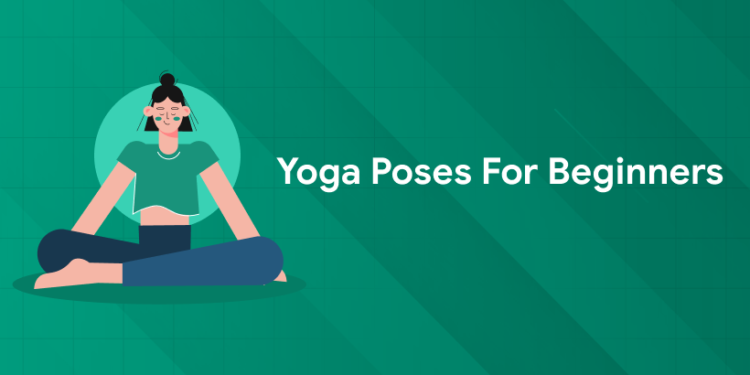
Yoga is not just about some stretching and bending exercises. It is much more than that. Yoga is a practice that will promote both physical and mental well-being of the practitioner by combining postures, breathing exercises or pranayama, and meditation. But starting out on a journey to learn yoga might be intimidating to a lot of people. In this blog, we will discuss a few yoga poses for beginners that can be learned and practiced easily.
Want to become a yoga teacher? Join Entri Yoga TTC to learn how to become a yoga mentor!
Yoga Poses for Beginners: Introduction
Yoga is a holistic approach that combines working towards betterment of physical and mental as well as spiritual health. Beginning your journey into learning yoga can be intimidating. It might be overwhelming for a total beginner who has no background in any physical practices. It will seem like making an ant climb a mountain. But this is just overthinking speaking. Every master was a beginner one day. So be excited about the aspect that you are learning and perfecting a practice that has stood the test of time rather than be afraid about being a total novice. If practiced correctly, yoga can support:
- Strength
- Flexibility
- Balance
- Relaxation
- Overall wellness
In this blog, we will discuss a few yoga poses for beginners, which will help you start with easy basics and then later slowly build on that.
Why Start Yoga as a Beginner?
1: Which of these is the primary goal of yoga practice?
There is nothing that will be an obstacle for you to learn yoga. Not your age, your flexibility, or even your fitness levels. You just have different starting points. This might not seem to be the most motivating statement a person wants to hear about something they want to learn. But learning yoga is worth the effort. If you are a beginner, yoga will provide you the best way to get into your fitness journey.
A Gentle and Gradual Entry into Physical Activity
Are you someone who is not very much into physical activity or exercising? Then yoga is the best starting point for you. Yoga poses are adaptable and can be modified according to the limitations posed by your body. This allows you to start slow and progress gradually at your own pace. In fact, it is discouraged to push the body beyond safe limits too soon and too fast.
Improved Body Awareness
Yoga requires you to focus on your posture and breath. Yoga improves body awareness greatly and hence promotes better motor control.
Stress Relief and Mental Clarity
Practicing pranayama, i.e., breathing exercises, along with physical movements, i.e., asanas, helps in calming the nervous system. This will eventually help in centering your mind. These two are the key benefits that can be achieved mentally via yoga practice.
Adaptable for Daily Life
You can practice yoga anywhere you want to. Let it be at a studio with constant guidance from an experienced mentor, outdoors in the lap of nature, or in the convenience of your own home. You don’t even need much equipment; a yoga mat is all you need. You can use a chair or pillow if you need to modify a yoga pose. All these are very cheap and affordable options, making them more accessible to more people. You don’t need to buy expensive equipment like that in a gym or even pay for a gym membership. All you need is the guidance of a mentor during your initial day when you are still learning the basics of alignment and postures. After that, you are free to practice whenever and wherever you want. Whether your goal is stress reduction, flexibility, strength, or balance, yoga provides a versatile foundation to enhance your overall health. Whatever the goal you are planning to achieve, let it be reducing stress, improving flexibility, building strength, or getting better balance; yoga will help you achieve it.
Become a Certified Yoga Instructor
Yoga Teacher Training Course by Entri App: Master authentic yoga techniques, earn certification, and build a successful career as a professional yoga instructor.
Join Now!Benefits of Practicing Yoga for Beginners
There are many benefits of starting yoga practice even when you are just a beginner. Take a look at the lists below.
Physical Benefits
The physical benefits of practicing yoga are
- Enhances flexibility
- Improves joint mobility
- Builds muscle strength
- Improve posture awareness
- Promotes gentle spinal health
- Reduces stiffness
Mental & Emotional Benefits
The mental and emotional benefits of practicing yoga are
- Increases mind-body connection
- Improve focus
- Reduces stress and anxiety via breath awareness
- Encourages relaxation
- Promotes calm energy
Yoga is a holistic approach, and therefore it supports the improvement of both your physical and mental well-being. This is especially beneficial to someone who is totally new to physical activity and mindful practices like meditation and breathing exercises.
5 Yoga Poses Perfect for Beginners
Mountain Pose (Tadasana)
Often called the foundation pose for standing yoga, Mountain Pose teaches posture and breath awareness. The Mountain Pose, or Tadasana, is said to be the foundation pose for standing poses in yoga. The main things we learn from this pose are posture and breath awareness. Let us first learn how to do Tadasana:
- Stand tall with feet together
- Big toes should be touching.
- Heels should be slightly apart
- Modification: If you have balance issues with the above instruction, then you can stand with feet hip-width apart for better balance.
- Arms at sides. Palms can face forward or inward.
- Lift toes, spread them wide, and plant them firmly on the ground to create a strong foundation.
- Weight should be evenly distributed through both the feet.
- Tighten thighs
- Lift the kneecaps slightly.
- Engage the core (you can draw the belly in to do this).
- Keep your spine elongated.
- The tailbone should be pointing towards the floor.
- Roll the shoulders back and down away from ears to open the chest more.
- The body should be perfectly aligned; shoulders should be over hips, and hips should be over ankles.
- Keep neck long
- Chin should be parallel to floor
- Maintain the pose for 5 to 10 breaths. Breathe deeply and evenly.
- Focus on breath, grounding, strength, and stability of the body in this pose.
The main benefits of the mountain pose, or Tadasana, are that it improves posture, balance, and body alignment. This pose is an ideal starting point for your daily yoga practice.
Child’s Pose (Balasana)
The Child’s Pose, or Balasana, is a simple restorative pose. The main aim of this pose is to provide a gentle stretch and mental reset. The way to do Balasana is:
- Start with hands and knees on a yoga mat.
- Knees should be hip-width apart.
- Big toes should be touching behind you.
- Lower the hip back towards the heels
- Exhale gently and fold the torso forward.
- Rest the forehead on the yoga mat.
- Modification: if it is difficult for you to touch your head to the mat, please use props like a block to modify the posture.
- If you want a deeper stretch, extend your hands forward with palms facing down.
- Breathe deeply and stay in position for at least 30 seconds.
- Allow yourself to relax.
The main benefits of the Balasana include calming the mind, relieving the tension, and stretching the hips and back.
Downward Facing Dog (Adho Mukha Svanasana)
This is a yoga pose that is very popular, and you may find it in many beginner-level YouTube instructional videos. It is a very important pose, as it stretches multiple muscle groups and contributes to energizing the body. The way to practice the Downward-Facing Dog pose is
- Start on hands and knees
- Wrists should be under shoulders
- Knees should be under hips
- Tuck toes under
- Spread fingers wide on the mat
- Exhale
- Lift knees off the floor
- Straighten legs gently
- Push hips up and back to form in such a way that your body forms an inverted “V” shape.
- Keep feet hip-width apart
- Keep hands shoulder-width apart
- Lengthen spine by pressing hands forward and then lifting hips higher
- Relax head and neck
- Gaze toward shins or navel
- Modification: if your hamstrings feel too tight, keep knees slightly bent. You can also use blocks under your hands if too much pressure on your hands is more than you can handle.
- Press heels toward the mat while keeping spine long if you are already very flexible and need a deeper stretch. Breathe deeply.
- Hold the pose for 30 seconds to 1 minute.
- Slowly bend knees
- Then return to the starting position.
- Release and relax
The benefits of the downward dog pose are that it strengthens arms and legs and provides a deep stretch to hamstrings and spine.
Cobra Pose (Bhujangasana)
Cobra Pose, or Bhujangasana, is a gentle backbend exercise. It opens the chest and supports spinal strength. The way in which we should do Bhujangasana is
- Lie flat on your stomach with legs extended back
- Keep feet together
- The tops of feet should be pressing into the mat.
- Place palms under shoulders
- Elbows should be kept close to the body. Inhale slowly.
- Gently lift chest off the mat. Use your back strength to do this.
- Press through palms lightly
- Avoid locking elbows
- Keep shoulders relaxed and at the same time away from ears
- Modification: Many people will find this pose very challenging. If you feel that the strain put by this pose on your back is something you cannot handle, then keep your elbows bent and lift only slightly instead of fully.
- If you are already a person with good flexibility and need a deeper stretch, then straighten your arms more and lift your chest higher. This will provide a deeper stretch.
- Breathe deeply
- Then hold the pose for 15–30 seconds.
- Exhale slowly
- Then slowly lower chest back down to the mat
The benefit of Bhujangasana is that it strengthens the spine and chest. It also helps in relieving the tension in the lower back region.
Tree Pose (Vrikshasana)
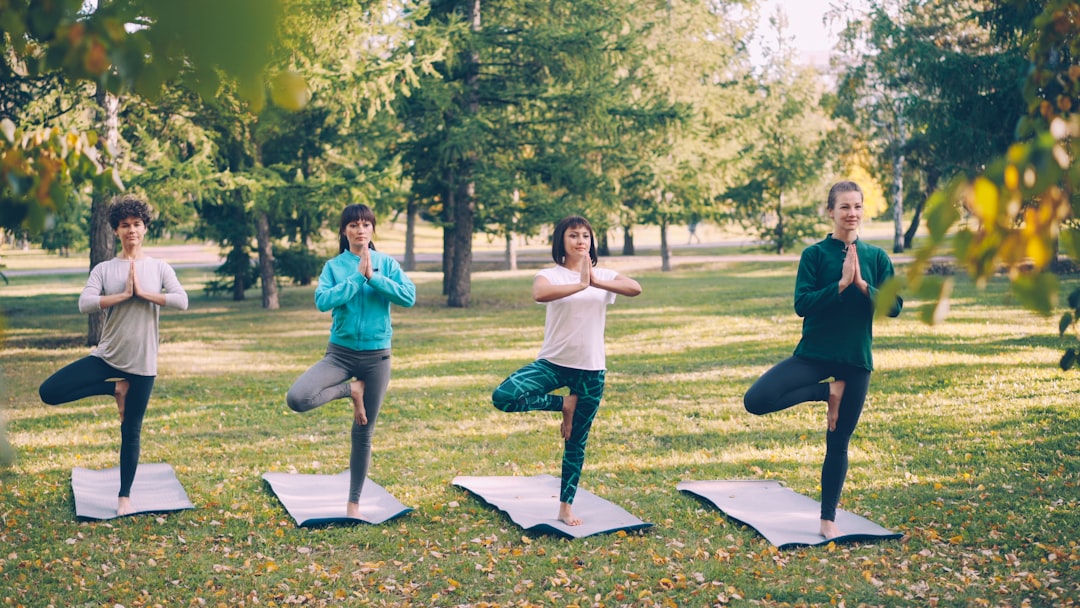
The Tree Pose, or the Vrikshasana, is a balance pose in yoga. It helps you in strengthening legs and cultivating focus. The way to do the Tree Pose is
- Stand tall with feet together
- Arms should be by your sides
- Shift weight onto left foot
- Keep the left foot firm and steady
- Bend right knee
- Then place the sole of the right foot on the inner left thigh.
- If placing the sole of the right foot on the inner left thigh is difficult, place it on the left calf. Never place it on a knee.
- Press foot and thigh against each other
- This will help you balance
- Hold palms together in prayer position at chest level
- Inhale deeply
- Raise arms overhead
- Keep the shoulders relaxed
- Keep gaze fixed on a point in front
- This will help with stability.
- Modification: Balancing on one leg is not an easy task for many. If you find it difficult to achieve, place toes on the floor with the heel against the ankle.
- If you already have some practice and have better endurance, lift arms higher and hold longer for advanced practice.
- Breathe deeply
- Stay in position for 30–60 seconds
- Exhale slowly
- Slowly release arms and legs.
- Then repeat on the other side
The benefit of the Tree Pose, or Vrikshasana, is that it improves your balance, stability, and overall concentration.
Become a certified yoga teacher with the Entri online yoga TTC program! Join Now!
Yoga Poses for Beginners: Conclusion
Yoga is not as intimidating to start into as some other physical practices like long-distance running, heavy strength training, calisthenics, etc. It is a gentle introduction to physical activity for beginners. It is not just a series of bending and stretching; it is a holistic practice that will bring improvements in physical, mental, and emotional aspects if practiced correctly and consistently. You can start with your flexibility and strength level and gradually push for improvement from there. Start from basic poses like Mountain, Child’s, Downward Dog, Cobra, and Tree Pose. Even such basic asanas can help you in building strength, flexibility, balance, and confidence. Remember that every pose is progress. So always move with awareness and respect your limits.
Become a Certified Yoga Instructor
Yoga Teacher Training Course by Entri App: Master authentic yoga techniques, earn certification, and build a successful career as a professional yoga instructor.
Join Now!Frequently Asked Questions
Can we practice yoga at home? Is it safe to do so?
Yes. You can practice yoga at home. But there is a catch. You can practice yoga at home after being trained by a mentor and you have learned much about how to be aware of alignments and postures in order to avoid injuries or dangers. It is advised that a total beginner does not start practicing yoga at home with no direct instruction from a trained mentor. If you are just doing the simplest and most basic poses and are a healthy individual, then practicing at home can be ok. But if you have any health issues or are venturing into more advanced exercises, it is best if you train under a professional until you learn the ropes. Always remember that exercising in the wrong way can cause more harm than not exercising at all.
What can we do if a pose is difficult to practice?
In yoga, we never forcefully push a body beyond its limits. If a pose seems difficult, you can consult with your mentor and ask how to modify the pose using props like blocks and straps or if there is a variation of the pose that is more accessible. You can start with this modified version of the pose and then gradually shift to the original pose when you feel confident enough to try.
Can practicing yoga reduce stress?
Yes! The whole point of yoga is improving the harmony between your mind and body. The gentle movements and deep stretches combined with breathing exercises and meditation can relieve stress and enhance relaxation.
How many hours a week should we practice yoga to be considered consistent when we are beginners?
When you are a beginner, practicing 3–5 times a week for a duration of around 15–30 minutes is good enough to build consistency and momentum. Note that consistent practice is better than intense practice. It is good if you practice 30 min for 5 days and then practice 75 min for 2 days.
Do we need equipment if we are a beginner just starting to learn yoga?
Buying yoga equipment is not necessary if you are just a beginner. Just a yoga mat and loose and comfortable clothes are the only things you need. There are some special cases in which yoga postures need modifications using certain tools, like when the practitioner is a senior with less mobility, a disabled person, or someone who has chronic health issues or injuries. Even then, you can use things like pillows and chairs as easily available alternatives instead of expensive equipment. All you have to do is discuss the effectiveness of your chosen tool with your mentor before proceeding.