Table of Contents
Introduction
You must be wondering what BIM Dimensions mean in the AEC Industry. In today’s Architecture, Engineering, and Construction (AEC) industry, Building Information Modelling (BIM) is no longer just a competitive advantage. It has become an operational necessity. BIM dimensions refer to the progressive layers of information added to a digital building model. This turns it from a static drawing into a data-rich, intelligent system that supports decision-making across the entire project lifecycle.
This guide walks you through the different dimensions ranging from 2D to 10D. It provides an extensive understanding of how BIM helps transform design, cost and facility management. It will exclusively make you future ready.
Get Career Oriented BIM Certification Course with Expert Mentors! Get Free Demo Here!
Why BIM is More than Just 3D Modelling
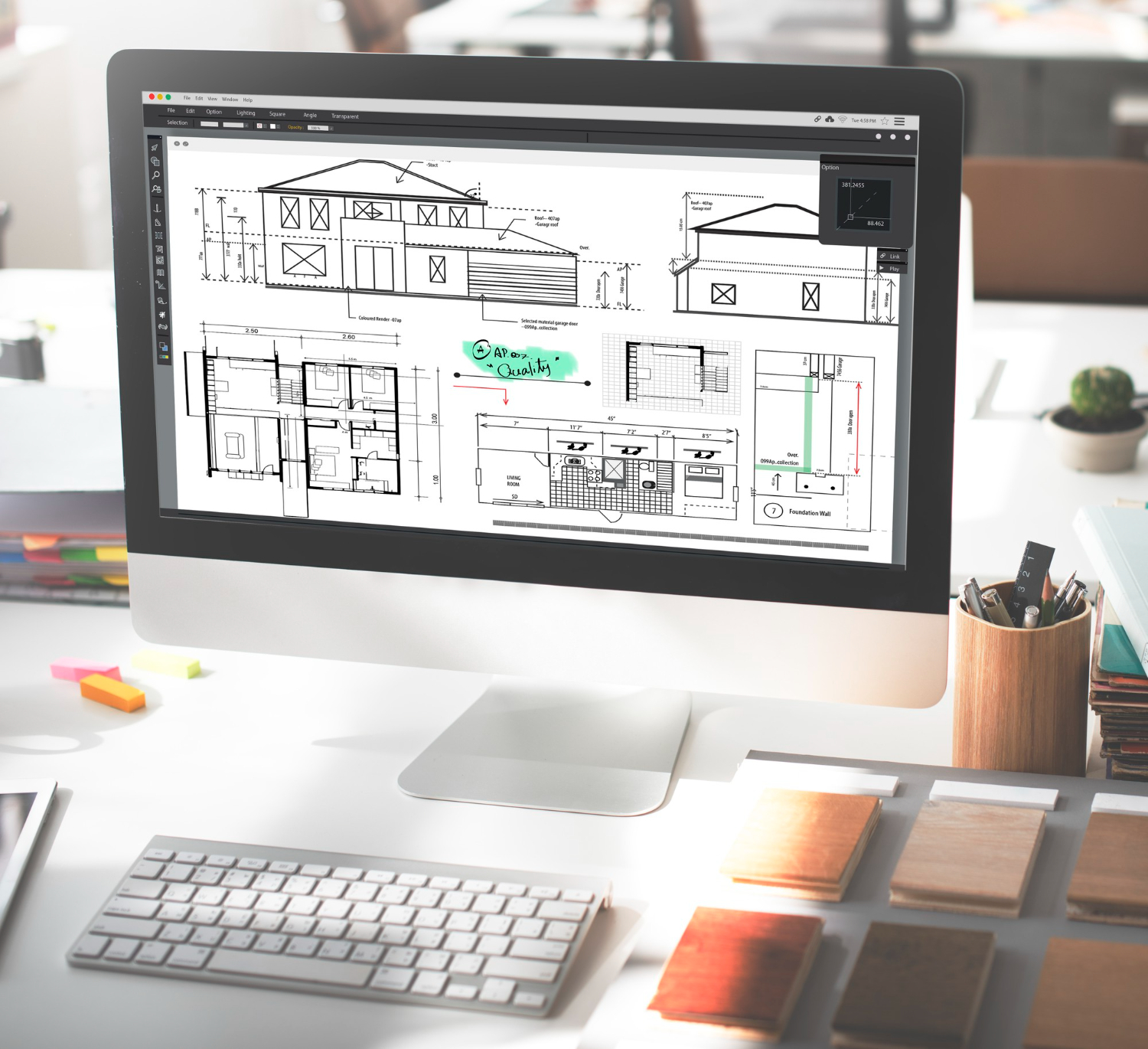
Well, this needs to be explained at the very beginning. Many still assume BIM is simply 3D modelling. That assumption is outdated for sure. While 3D visualization is a foundational factor, BIM goes much further. It deals with integration of time, cost, sustainability, operational safety, and performance data. All this is brought into a single coordinated environment.
Evolution of BIM from 2D Drafting to 10D
This is in fact a process of digital construction. The industry has evolved from basic 2D CAD drawings to advanced 10D BIM models. We are talking about those capable of powering digital twins and smart cities. Each BIM dimension adds a new level of intelligence. This makes the projects more predictable, efficient, and sustainable.
Importance of BIM Dimensions for Modern Construction Projects
BIM is not a norm or a trending factor in the field of construction. It has a very gripping impact on the current scenario. It facilitates the modern way and approach of modelling. This needs to be adopted – yes, it has become a necessity. It is inevitably important. Understanding BIM dimensions is critical for:
- Reducing rework and delays
- Improving collaboration across stakeholders
- Enhancing cost and schedule control
- Supporting sustainability and long-term asset management
Master BIM and Elevate Your Career – Enroll Today!
Stay ahead in the construction and design industry with our comprehensive BIM Course! Learn Building Information Modeling (BIM) from experts, gain hands-on experience with top software, and boost your career prospects. Join now and become a certified BIM professional!
Know MoreWhat Are BIM Dimensions?

BIM dimensions are distinct data layers integrated into a BIM model. Each dimension serves a specific purpose. This ranges from geometry and scheduling to lifecycle management and predictive analytics. They work better in the modern modelling context which is continuously evolving.
Difference Between Traditional CAD and BIM Dimensions
| Aspect | Traditional CAD | BIM Dimensions |
| Data | Geometry-only | Data-rich objects |
| Collaboration | Fragmented | Centralized |
| Updates | Manual | Automated |
| Lifecycle Use | Design-focused | Full lifecycle |
How Dimensions Add Data Layers to BIM Models
Each BIM dimension builds upon the previous one. It enables smarter workflows from visualization and planning. It also works well on facility management and digital twins. This in turn brings an efficient spot for the making of innovative designs and models. However, staying current and not following a fixed pattern is advised. Know which fits well and make changes in tune with the situation and demands.
Overview: BIM Dimensions 2D to 10D at a Glance
| BIM Dimension | Focus Area | Key Outcome |
| 2D | Drafting | Documentation |
| 3D | Visualization | Coordination |
| 4D | Time | Scheduling |
| 5D | Cost | Budget control |
| 6D | Sustainability | Energy efficiency |
| 7D | Operations | Facility management |
| 8D | Safety | Risk reduction |
| 9D | Quality | Lean construction |
| 10D | Intelligence | Digital twins |
BIM 2D – Drafting and Documentation
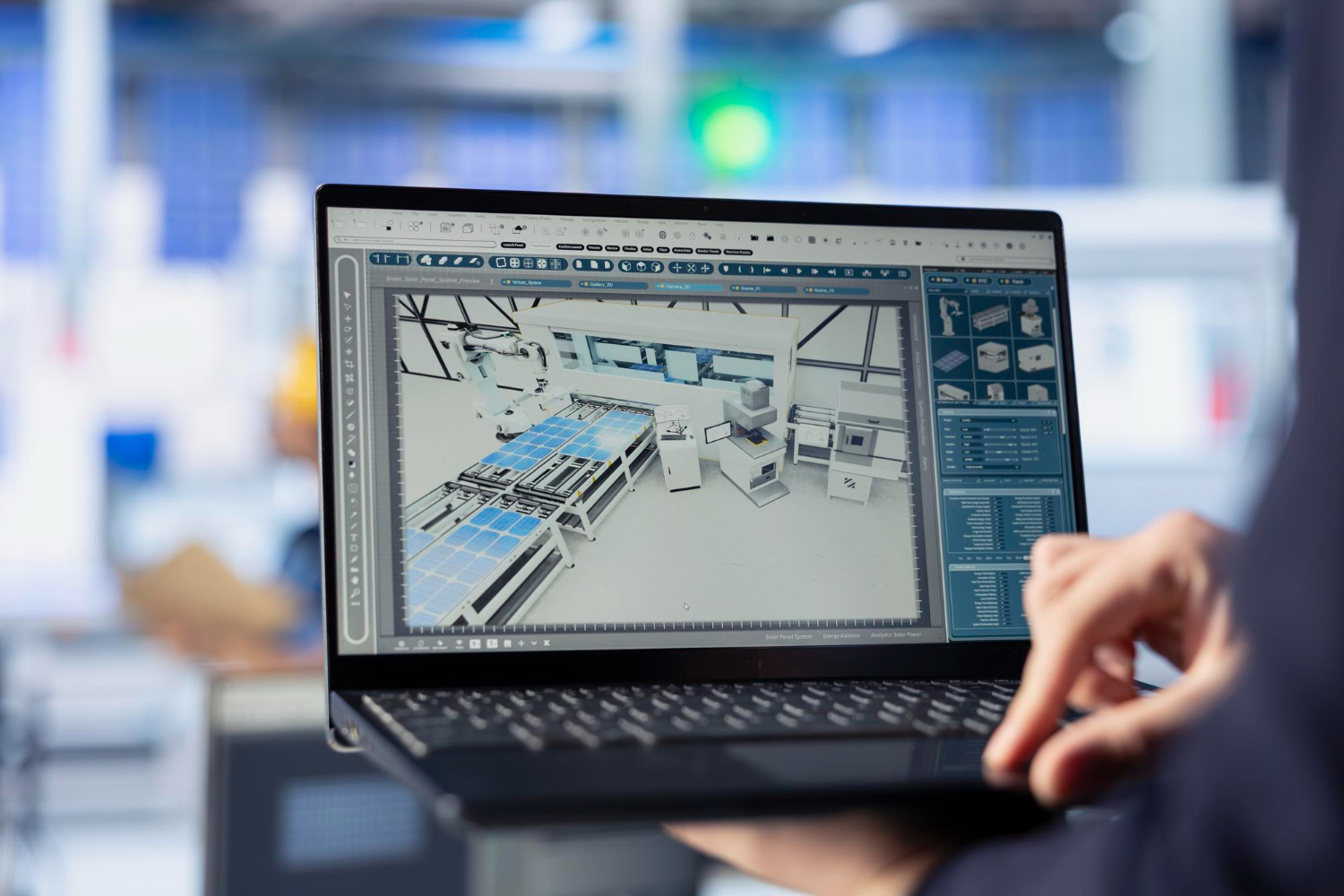
Still wondering what BIM 2D actually is? Well, it is simple. It focuses on technical drawings such as plans, sections, and elevations. Sounds familiar? Yes, it is similar to CAD but aligned with BIM workflows.
Role of 2D in BIM Workflow
2D drawings remain essential for regulatory approvals, construction documentation, and tender submissions.
Key Features of BIM 2D
- Accurate technical drawings
- Standardized annotations
- Regulatory compliance documentation
Use Cases
- Early-stage design layouts
- Approval and tender documentation
Limitations of BIM 2D
- No visualization depth
- No integrated data intelligence
Master BIM and Elevate Your Career – Enroll Today!
Stay ahead in the construction and design industry with our comprehensive BIM Course! Learn Building Information Modeling (BIM) from experts, gain hands-on experience with top software, and boost your career prospects. Join now and become a certified BIM professional!
Know MoreBIM 3D – Visual Modelling and Coordination
BIM 3D introduces intelligent, object-based modelling, where every element contains data about its geometry, material, and behaviour.
Key Features of BIM 3D
- Clash detection
- Parametric components
- Real-time visualization
Benefits of BIM 3D
- Improved multidisciplinary coordination
- Significant reduction in design conflicts
Industry Applications
- Architectural, structural, and MEP coordination
BIM 4D – Time and Scheduling
BIM 4D integrates time data with 3D models, enabling construction sequencing and schedule simulation.
Key Features of BIM 4D
- Visual construction timelines
- Phasing and sequencing simulations
Benefits of BIM 4D
- Enhanced project planning
- Reduced delays and disputes
Real-World Applications
- Infrastructure and large commercial projects
BIM 5D – Cost Estimation and Budget Control
BIM 5D links cost data to model elements, enabling real-time financial tracking.
Key Features of BIM 5D
- Automated quantity take-offs
- Dynamic cost updates
Benefits of BIM 5D
- Accurate budgeting
- Better cost risk management
Use Cases
- Tendering
- Financial forecasting
BIM 6D – Sustainability and Energy Analysis
BIM 6D focuses on energy performance and sustainability, supporting environmentally responsible design.
Key Features of BIM 6D
- Energy simulations
- Carbon footprint assessment
Benefits of BIM 6D
- Green building compliance
- Optimized lifecycle energy use
Industry Relevance
- LEED, BREEAM, and other green certifications
BIM 7D – Facility Management and Operations
BIM 7D extends BIM into the operations and maintenance phase of a building.
Key Features of BIM 7D
- Asset data management
- Preventive maintenance scheduling
Benefits of BIM 7D
- Reduced operational costs
- Improved asset performance
Use Cases
- Hospitals, airports, commercial buildings
BIM 8D – Health and Safety Management
BIM 8D integrates health and safety planning into the BIM environment.
Key Features of BIM 8D
- Hazard identification
- Safety simulations
Benefits of BIM 8D
- Reduced workplace accidents
- Improved regulatory compliance
Industry Applications
- High-risk construction projects
BIM 9D – Lean Construction and Quality Control
BIM 9D applies lean construction principles to reduce waste and improve quality.
Key Features of BIM 9D
- Waste reduction modelling
- Quality assurance tracking
Benefits of BIM 9D
- Higher efficiency
- Improved construction quality
Use Cases
- Large-scale, process-driven developments
BIM 10D – Digital Twin and Lifecycle Optimization
BIM 10D represents the pinnacle of BIM – integrating digital twins, IoT, and AI-driven analytics.
Key Features of BIM 10D
- Real-time performance data
- Predictive maintenance analytics
Benefits of BIM 10D
- Smart building management
- Long-term asset optimization
Future Scope of BIM 10D
- Smart cities
- AI-enabled construction ecosystems
Comparison Table: BIM Dimensions 2D to 10D
| Dimension | Core Function | Key Benefit | Project Stage |
| 2D | Drafting | Documentation | Design |
| 3D | Modelling | Coordination | Design |
| 4D | Scheduling | Time control | Planning |
| 5D | Costing | Budget accuracy | Planning |
| 6D | Sustainability | Energy efficiency | Design/Operations |
| 7D | Operations | Asset management | Post-construction |
| 8D | Safety | Risk reduction | Construction |
| 9D | Quality | Lean delivery | Construction |
| 10D | Intelligence | Digital twin | Full lifecycle |
Why Understanding BIM Dimensions Matters for Your Career

The demand for BIM professionals is growing rapidly. Employers now expect proficiency beyond 3D modelling, especially in roles such as:
- BIM Modeler
- BIM Coordinator
- BIM Manager
As global adoption accelerates, mastering BIM dimensions positions professionals at the forefront of digital construction.
Get Career Oriented BIM Certification Course with Expert Mentors! Get Free Demo Here!
Conclusion
BIM no longer just boils down to making pretty drawings. It’s now a project intelligence system that has evolved to bring together a whole load of different elements. This includes design, construction and operations all connected as well as driven by data. We’re not just looking at 2D drawings any more, we’ve got 10D digital twins and everything in between. This lets all the stakeholders make properly informed decisions at every single stage of a project. BIM gets the industry away from constantly fixing problems as they go along, and puts it firmly on a path of actually predicting and preventing problems ahead of time.
As construction keeps moving in the direction of automation, smart buildings and AI-powered environments, BIM and all its dimensions is right at the heart of that whole transformation. We’re talking of necessity. This is about future proofing for the AEC industry – relevance, efficiency and growth.
BIM isn’t about drawings any more – it’s a multi-dimensional project intelligence system. We’re not even just talking about 2D stuff, we’re talking about 10D digital twins and beyond. All that gives us the power to make better decisions, make them sustainable, and make sure people are ready for whatever the future throws at us. Mastering BIM is not some tick box exercise, it’s a must-have.
|
RELATED POSTS |
|
Master BIM and Elevate Your Career – Enroll Today!
Stay ahead in the construction and design industry with our comprehensive BIM Course! Learn Building Information Modeling (BIM) from experts, gain hands-on experience with top software, and boost your career prospects. Join now and become a certified BIM professional!
Know MoreFrequently Asked Questions
Is BIM 3D really the same as CAD?
No – BIM 3D is a whole different ball game. it includes not just the visual stuff, but also intelligent data, whereas CAD just focuses on the geometry of a thing.
How does BIM 5D help out with construction projects?
BIM 5D really helps with accurate cost estimates and budget tracking – you know right away if you’re over budget.
How does BIM help keep construction sites safe?
BIM 8D can actually flag potential hazards and even let you run simulations to figure out what might go wrong – that’s a real safety bonus.
Is BIM a mandatory requirement in construction these days?
The truth is, some countries do now require the use of BIM for public infrastructure projects – its a pretty new thing though.
Can even small projects get any benefit from advanced BIM dimensions?
Yeah, even small projects can get some real advantages out of 4D and 5D BIM – it can really help with planning and budgeting.
What kind of skills do you need to learn in order to use BIM?
Modelling tools, coordination workflows, and data management skills.