Table of Contents
BIM is going to be the default requirement for government construction projects by 2027. This is not because of one single law, but because public procurement everywhere is quietly rewriting its rulebook.
In India, CPWD (Central Public Works Department in full form) and MoHUA (Ministry of Housing and Urban Areas in full form) have already mandated Building Information Modeling for large centrally funded projects. Whereas countries like the Czech Republic have passed formal BIM legislation set to take effect from January 2027.
Together, these moves show a clear pattern. The governments are choosing standardized, lifecycle-based digital delivery other than fragmented, paper-heavy construction workflows. The pace of that shift is only gradually picking up.
Get Career Oriented BIM Certification Course with Expert Mentors! Get Free Demo Here!
Key Takeaways
- CPWD/MoHUA mandate BIM for big central projects (₹20 crore to ₹500 crore).
- NHAI, Smart Cities, and metros use BIM increasingly.
- Czech BIM Act enforces BIM from Jan 1, 2027.
- Maharashtra, Karnataka, Telangana drafting state BIM rules.
- The National BIM Standard is expected by 2027.
- Indian BIM market grew ~30% CAGR.
- Demand is rising for BIM Modelers, Coordinators, Managers.
- ISO 19650 is the public-sector reference.
- Early BIM skills give hiring advantage through 2027.
What’s Actually Driving the Shift Toward Mandatory BIM
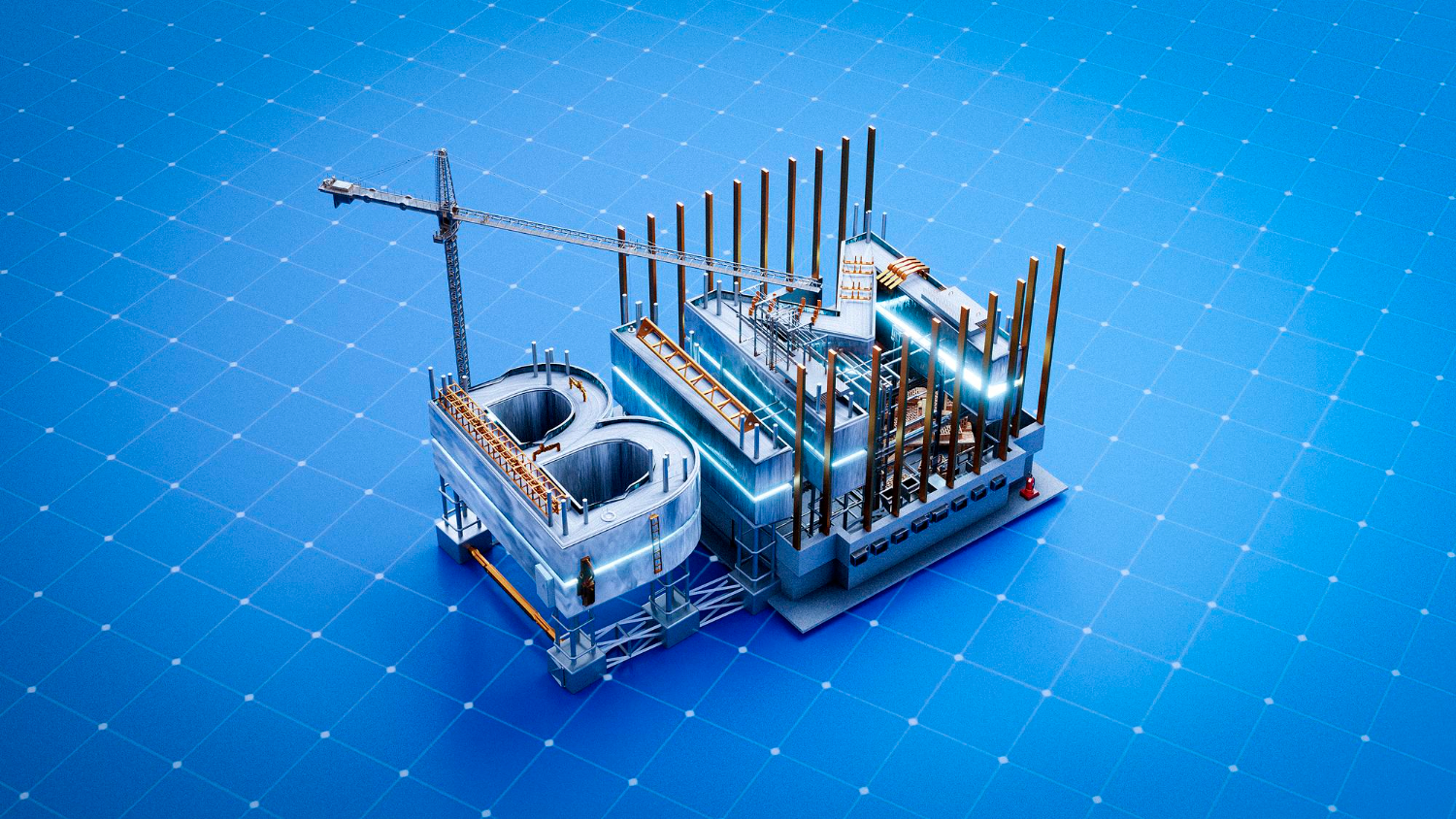
Government infrastructure has a chronic problem. This involves cost overruns, design clashes discovered mid-construction, and asset data that disappears the moment a project is handed over.
BIM addresses all the three issues by keeping every stakeholder working off one coordinated digital model. It is not confined with scattered drawings and spreadsheets.
For a public works department, this is not a nice-to-have. Fewer design clashes mean fewer expensive mid-project corrections. Better coordination means faster approvals.
Most importantly, lifecycle data means a government body can actually manage a building or highway for the next 30 years. This is not just building it and losing track of the details.
That is exactly why the shift is being driven by procurement logic, not just design preference. Increasingly, BIM capability is becoming a basic eligibility requirement in government tenders. It means that firms without BIM-ready teams risk being excluded before the design conversation even starts.
Master BIM and Elevate Your Career – Enroll Today!
Stay ahead in the construction and design industry with our comprehensive BIM Course! Learn Building Information Modeling (BIM) from experts, gain hands-on experience with top software, and boost your career prospects. Join now and become a certified BIM professional!
Know MoreWhere India Stands Right Now
India hasn’t passed a single nationwide law making BIM compulsory for every government project. Instead, adoption is happening across departments and thresholds. This is exactly how large regulatory shifts tend to unfold before they get consolidated into a single standard.
| Authority | Current BIM requirement | Scope |
| CPWD (Central Public Works Department) | BIM mandated for large centrally funded projects | Government buildings, infrastructure works under MoHUA |
| MoHUA | BIM required for centrally funded projects above a set budget threshold | Buildings, urban infrastructure |
| NHAI | BIM increasingly expected for highway alignment and design | National highway projects |
| Smart Cities Mission | BIM adoption encouraged across mission cities | Urban infrastructure across 100+ cities |
| Metro Rail (DMRC, Mumbai, Bangalore) | BIM used for systems coordination | Metro rail construction and expansion |
| State governments (Maharashtra, Karnataka, Telangana) | Parallel BIM guidelines in development | State-funded infrastructure |
The practical effect is already visible. Any engineering or construction firm bidding on large Indian government contracts now needs BIM-capable staff and a documented BIM delivery process. This is regardless of whether a single unified law exists yet.
Why 2027 Keeps Coming Up
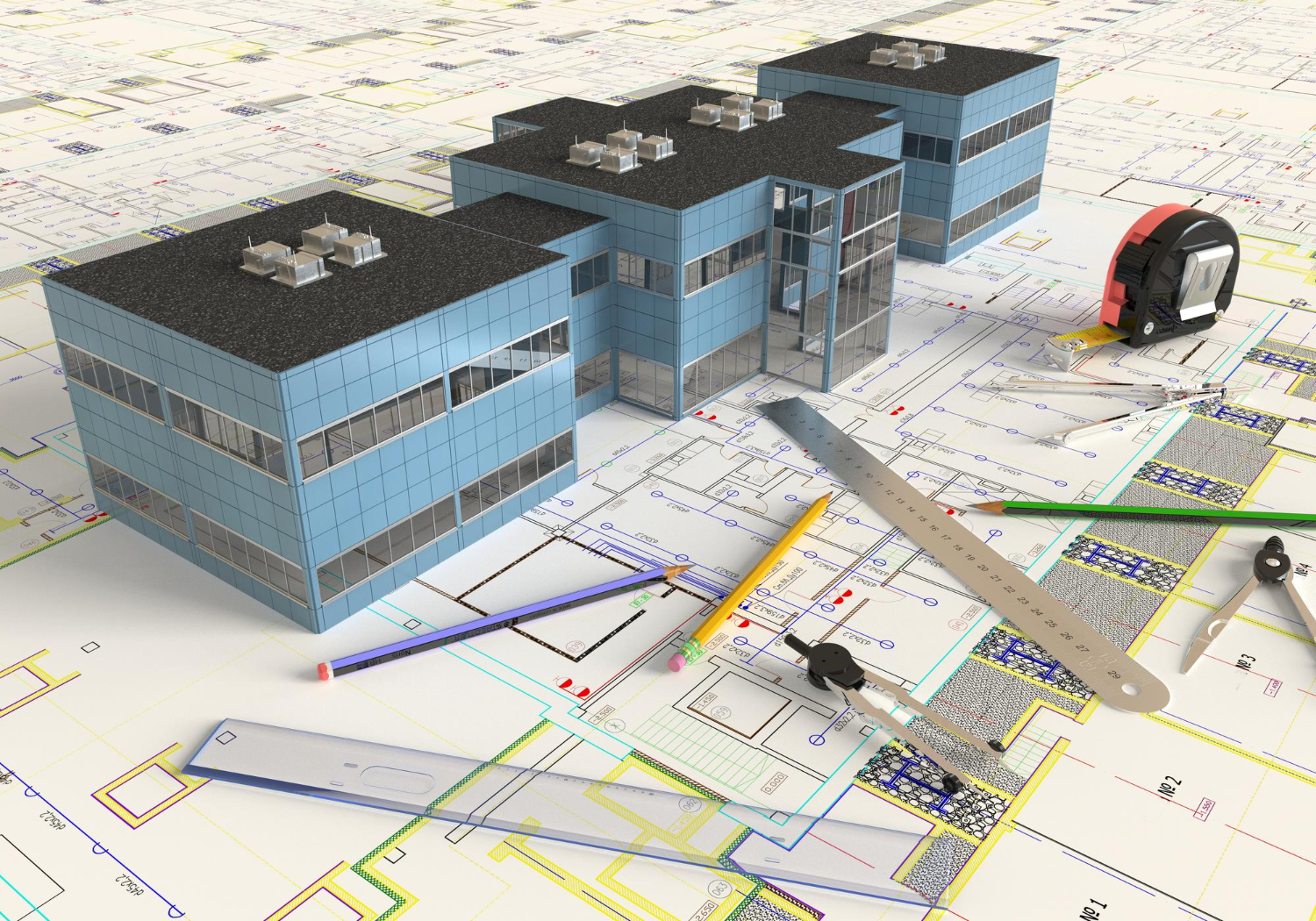
The Czech Republic has already passed a BIM Act requiring BIM on major public construction projects from January 1, 2027. It covers projects above roughly €5.4 million and gives public bodies a three-year runway to prepare.
This is a real, legislated deadline and not a projection. It shows how governments elsewhere are converting BIM guidance into enforceable law on a similar timeline.
In India, the pattern points the same direction. Industry observers expect a National BIM Standard to take shape around 2027. This would extend today’s project-specific mandates into a more uniform, central government-wide requirement.
This is a reasonable expectation given how CPWD has already published detailed BIM roadmaps, defined Levels of Development (LOD), maturity levels, and role-based responsibilities. These are the exact groundwork regulators typically lay before shifting from “recommended” to “required.”
So BIM mandates for large Indian government projects are already partially in force and the trajectory strongly favors expansion. 2027 is emerging as the realistic milestone for that expansion to solidify into a formal, unified standard, mirroring what is happening in other countries right now.
What Government Projects will Increasingly Require
As BIM moves from project-specific mandate to standard practice, expect government tenders and execution to include:
- BIM Execution Plans (BEPs) submitted at the bidding stage, outlining how a firm will manage the model.
- Common Data Environments (CDEs) as the single source of truth for all project information.
- Model-based deliverables instead of, or alongside, traditional 2D drawings.
- 4D and 5D coordination, linking the model to project schedules and cost data.
- As-built and Asset Information Models (AIM) handed over for long-term facility management.
- ISO 19650 alignment, since this international standard is becoming the reference point for how Indian public-sector information management is structured.
Who this Affects
| Stakeholder | Why it matters | Practical impact |
| Government clients | Need standardized, traceable project information | Better cost control and long-term asset management |
| Consultants | Must deliver BIM-ready design outputs | More upfront coordination and documentation |
| Contractors | Need model-based execution capability | Better sequencing and fewer on-site clashes |
| Students and freshers | Need market-relevant technical skills | Stronger employability in infrastructure and construction roles |
Master BIM and Elevate Your Career – Enroll Today!
Stay ahead in the construction and design industry with our comprehensive BIM Course! Learn Building Information Modeling (BIM) from experts, gain hands-on experience with top software, and boost your career prospects. Join now and become a certified BIM professional!
Know MoreSkills Professionals Need Before the Shift Accelerates
If BIM adoption in government projects is heading toward a 2027 inflection point, the skills gap is the real thing. Do not the technology itself. The roles in highest demand right now include:
- BIM Modeler – building and maintaining accurate 3D models
- BIM Coordinator – managing clash detection and inter-disciplinary coordination
- BIM Manager – overseeing execution plans, standards compliance, and team workflows
- Digital Twin and BIM-AI specialists – an emerging category as public infrastructure moves toward smarter asset management
Core competencies worth building now include
- BIM modeling fundamentals
- Clash detection and coordination workflows
- Working familiarity with ISO 19650
- Strong documentation discipline
The government projects place heavy emphasis on traceable, auditable information.
Career Impact for Students and Engineering Professionals
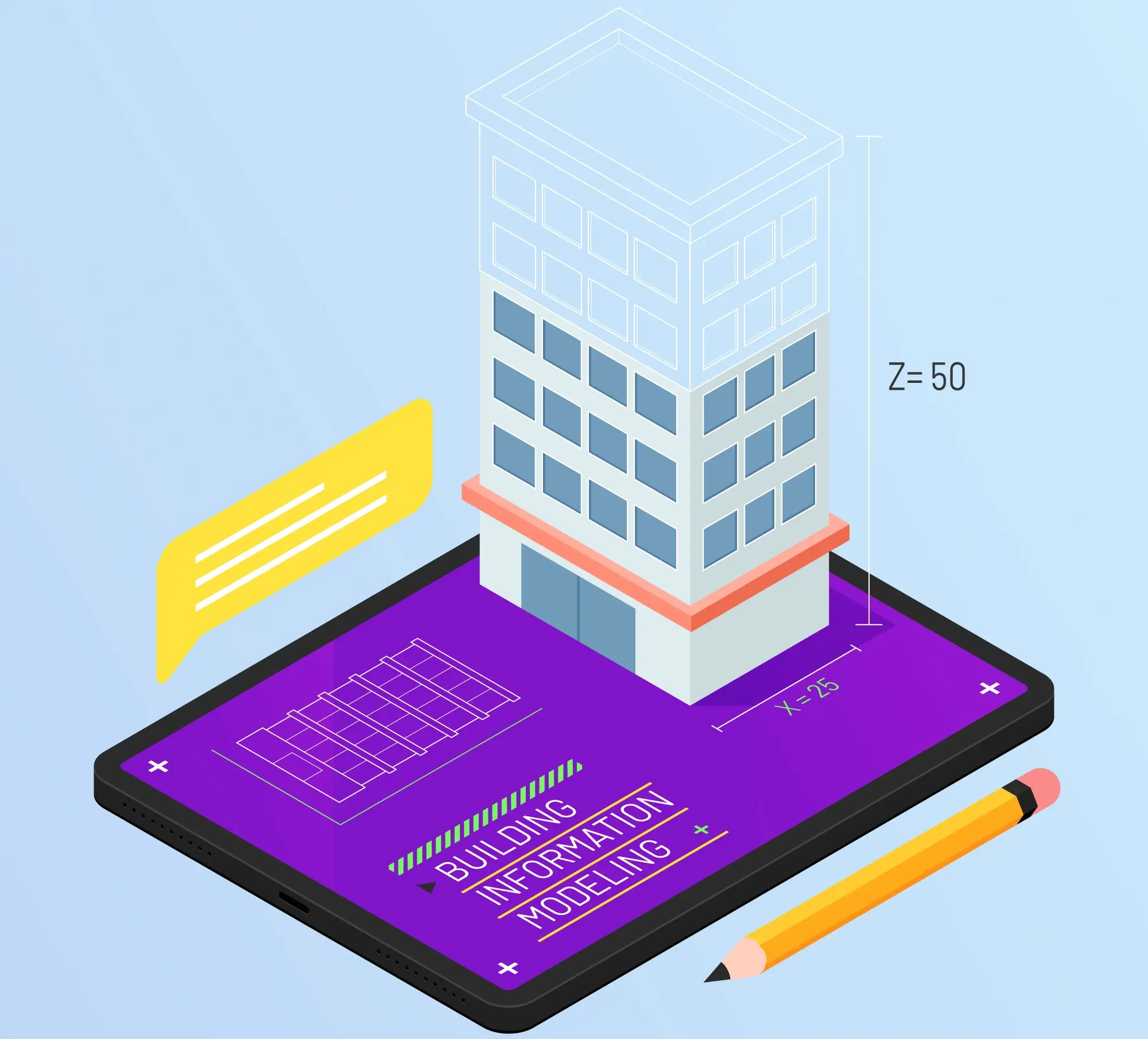
For engineering students and early-career professionals, this shift is not much about a distant compliance deadline. Instead, it is about an immediate hiring signal.
Firms bidding on government infrastructure contracts need BIM-capable teams already. It in turn suggests that the demand for entry-level BIM roles is already rising well ahead of any formal nationwide mandate.
Civil, mechanical, and electrical engineering graduates who understand BIM workflows, coordination software, and basic lifecycle information management can enter a noticeably stronger hiring pool than those who do not.
The government infrastructure spending continues to expand across highways, metro rail, and smart cities. In that case, this is a skills gap that’s likely to persist for several hiring cycles rather than close quickly.
Get Career Oriented BIM Certification Course with Expert Mentors! Get Free Demo Here!
Conclusion
BIM already shapes who wins government contracts in India today. What 2027 represents is the point where scattered, project-specific mandates are expected to consolidate into a unified national standard. It will be following a pattern already legislated in countries like the Czech Republic.
For engineers, contractors, and students, the smartest move is not to wait for that consolidation. It is to build BIM fluency now. On the other hand, hiring gap is wide open and government infrastructure spending keeps climbing.
Master BIM and Elevate Your Career – Enroll Today!
Stay ahead in the construction and design industry with our comprehensive BIM Course! Learn Building Information Modeling (BIM) from experts, gain hands-on experience with top software, and boost your career prospects. Join now and become a certified BIM professional!
Know MoreFrequently Asked Questions
Is BIM already mandatory for government projects in India?
Yes, for specific categories. CPWD and MoHUA have mandated BIM for large centrally funded projects above defined budget thresholds, though a single unified nationwide law doesn’t yet exist.
Why is 2027 mentioned as a key year for BIM mandates?
Countries like the Czech Republic have legislated BIM as mandatory for major public projects starting January 2027, and India’s National BIM Standard is widely expected around the same period.
What is CPWD's role in BIM adoption?
CPWD is the nodal agency for central government construction and has published structured BIM guidelines covering standards, roles, and lifecycle project information management.
Which government bodies in India require BIM currently?
CPWD, MoHUA, NHAI, the Smart Cities Mission, and several metro rail corporations already require or strongly encourage BIM on qualifying projects.
Do state governments have their own BIM mandates?
Some states, including Maharashtra, Karnataka, and Telangana, are developing parallel BIM guidelines for state-funded infrastructure projects.
What skills should students learn to work on government BIM projects?
Core skills include BIM modeling fundamentals, clash detection, coordination workflows, ISO 19650 awareness, and strong technical documentation practices.
Which job roles are in demand due to BIM adoption?
BIM Modeler, BIM Coordinator, and BIM Manager are the most in-demand roles, with Digital Twin and BIM-AI specialist roles emerging as adoption deepens.
Does BIM adoption affect contractors as much as consultants?
Yes, contractors increasingly need model-based execution capability for sequencing and clash reduction, not just design consultants delivering the initial model.
Is BIM only relevant for large infrastructure projects?
Currently, mandates focus on large-budget projects, but the threshold is expected to lower over time as BIM becomes standard procurement practice.
What should engineering freshers do to prepare for this shift?
Freshers should build practical BIM modeling and coordination skills early, since firms bidding on government contracts already prioritize BIM-capable hires ahead of any formal nationwide mandate.