Table of Contents
The best cooling foods for kids in summer are a must: watermelon, cucumber, yogurt, coconut water and mint leaves are the way to go. Considering they’re all made up of at least 90% water makes them the quickest way to lower body temperature and get some fluids back into the system.
And it’s not just about hydration. When you slip these foods into a Montessori Training for Teachers framework, you get the added bonus of sensory learning tools that really help kids develop a sense of independence, improve their fine motor skills and make healthier eating choices.
Now, we know that what we’re talking about here is paediatric nutrition and the data shows that when kids eat hydrating foods with a high water content, they can actually feel up to 30% less heat discomfort, and that’s a no-brainer for summer – at home or in the classroom.
Enroll in Montessori Teachers Training Course! Get free Demo Here!
Key Takeaways
- The top cooling foods for kids have to be watermelon (92% water), cucumber (95% water) and coconut water.
- Consistency is key – get kids eating cooling foods all day, not just when you’re trying to be cool.
- In a Montessori Training for Teachers framework, preparing food is all about building autonomy and developing those fine motor skills.
- A couple of other Indian summer coolers are worth knowing about – Ayurvedic Gulkand and Bael are definitely worth a go.
- Buttermilk and diluted lemonade are also great for helping out with gut health and immunity during the peak of summer.
- In under 10 minutes you can knock up some frozen fruit pops or a watermelon mint cooler.
- Having snack stations like the ones used in Montessori is a great way to teach kids about self-regulation, pouring and a whole bunch of other skills, all at once.
Why Cooling Foods Matter for Kids in Summer
1: What is the primary focus of the first plane of development in the Montessori method?
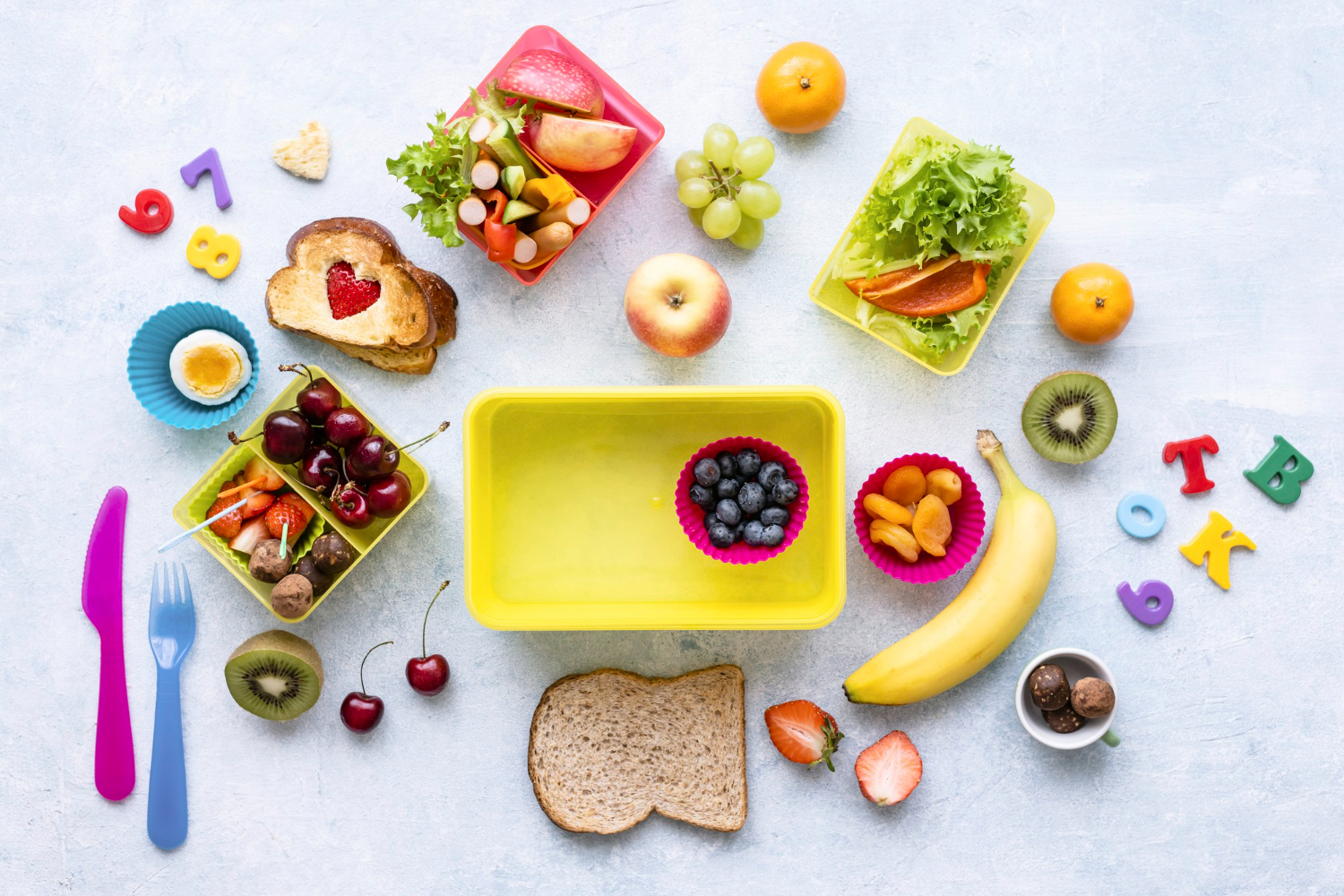
Summer heat is not just uncomfortable for children, it’s a genuine health risk. Dehydration risk in kids shoots up by as much as 40% during the peak summer months to bear reported by child health specialists.
The kids don’t regulate their body temperature as well as grown-ups do. This means they can lose fluids super fast and often don’t recognize the signs of thirst till it’s too late.
For Montessori teachers in training and parents alike, this summer spike poses a challenge but also an opportunity to apply the Montessori philosophy to real life. This philosophy sees nutrition as something more than just shovelling in food – but as a hands on experience that kids are at the helm of.
When they get to help with washing, peeling, pouring and preparing their own cooling snacks, they’re not just eating. They’re actually learning stuff, gaining practical skills that help with concentration, sensory development and just keeping their emotions in check. All of these get a lot harder when the classroom is hot and humid.
The solution is to take advantage of what nature’s got to offer – foods that actually help cool you down from the inside out.
Get Certified & Start Your Montessori Career
Montessori Teacher Training Course by Entri App: Gain expert skills, earn certification, and kickstart your teaching career.
Join Now!Top 10 Cooling Foods for Kids in Summer
Here is a curated list of the most effective cooling foods, each chosen for their hydration value, nutritional benefit, and compatibility with child-led Montessori activities.
| Food | Water Content | Key Benefit | Montessori Activity Tie-In |
| Watermelon | 92% | Lycopene, Vitamin A, natural sugars | Slice-and-share circle time |
| Cucumber | 95% | Potassium, skin hydration | Washing and prep sensory bin |
| Yogurt | 88% | Probiotics, gut cooling | Mixing with fruits independently |
| Coconut Water | 94% | Natural electrolytes, sodium | Pouring practice with pitcher |
| Buttermilk | 90% | Digestion support, tangy refresh | Churning and stirring activity |
| Diluted Lemonade | 89% | Vitamin C, immunity boost | Lemon squeezing (fine motor) |
| Muskmelon | 90% | Antioxidants, fatigue reduction | Cutting cubes with tongs |
| Mint Leaves | 85% | Instant cooling sensation | Herb garden snipping |
| Gulkand (Rose Jam) | — | Ayurvedic body cooler | Spreading on crackers |
| Bael (Wood Apple) | — | Gut coolant, digestive ease | Blending into sherbet |
Nutrition Snapshot: Quick Reference for Educators
For Montessori TTC teachers planning balanced snack menus, here is a quick nutritional comparison of the top four cooling foods per 100g serving.
| Food (per 100g) | Water % | Calories | Key Nutrient |
| Watermelon | 92% | 30 kcal | Vitamin A, Lycopene |
| Cucumber | 95% | 16 kcal | Potassium |
| Yogurt | 88% | 61 kcal | Probiotics, Calcium |
| Coconut Water | 94% | 19 kcal | Electrolytes, Sodium |
These low-calorie, high-water foods are ideal for mid-morning and post-nap snack slots — times when children’s energy dips and hydration needs peak.
Montessori TTC Activity Ideas: Cooling Snack Stations
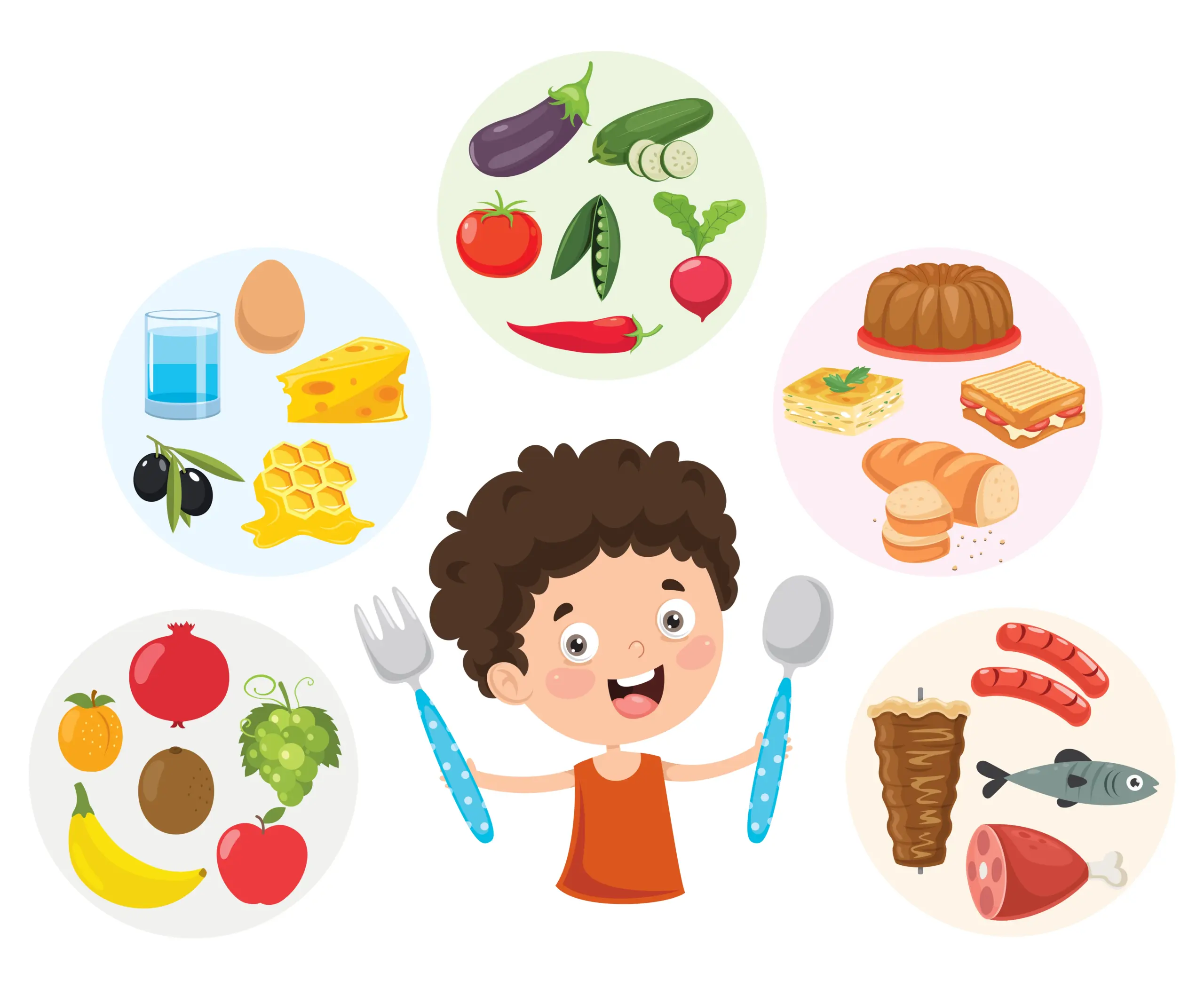
The most effective Montessori approach to summer nutrition is a self-serve Cooling Snack Station.
A child-height tray setup where kids choose, prepare, and serve their own snacks from pre-washed, pre-portioned ingredients. This single setup fosters independence, reinforces sensory learning, and keeps children cool all at once.
Research in early childhood development indicates that activities like fruit skewering improve fine motor coordination by approximately 25% over repeated trials. That’s not a small gain — it’s the kind of progress that carries over into writing, drawing, and tool use throughout the school year.
Here are three easy activity formats any Montessori educator or parent can set up in minutes:
1. Cucumber Boats: Children hollow out cucumber halves using a small spoon, then fill them with yogurt or mashed muskmelon. This builds grip strength and hand-eye coordination while delivering hydration.
2. Yogurt Parfaits: Layer yogurt with diced watermelon, muskmelon, and a few mint leaves. Kids layer independently using small ladles or spoons, developing sequencing skills and creative choice-making.
3. Frozen Fruit Pops: Blend watermelon or muskmelon with a splash of coconut water, pour into molds, and freeze overnight. Children can help with measuring, pouring, and decorating the molds – a full sensory experience with a delicious, cooling reward.
Get Certified & Start Your Montessori Career
Montessori Teacher Training Course by Entri App: Gain expert skills, earn certification, and kickstart your teaching career.
Join Now!Simple Recipe: Watermelon Mint Cooler
This is a five-minute group recipe perfectly suited for Montessori classroom settings. It requires no heat, minimal equipment, and maximum child involvement.Serves: 4 children Prep time: 5 minutesIngredients:
- 2 cups fresh watermelon (seedless)
- 5 fresh mint leaves
- 1 tsp lime juice
- ½ cup water or coconut water (optional, for thinner consistency)
Steps:
- Scoop the watermelon — Let children scoop out the flesh using a melon baller or spoon. This is the child’s primary task and a great fine motor exercise.
- Add mint and blend — An educator blends the mixture with mint leaves and lime juice until smooth.
- Serve chilled — Pour into small cups or glasses and serve immediately. Children can practise pouring using a small pitcher.
This drink retains approximately 90% of watermelon’s hydration properties in blended form, making it nearly as effective as eating the fruit whole. It also introduces children to the concept of mint as a cooling agent — a gentle, sensory gateway into herbal nutrition.
Indian Summer Coolers Worth Highlighting
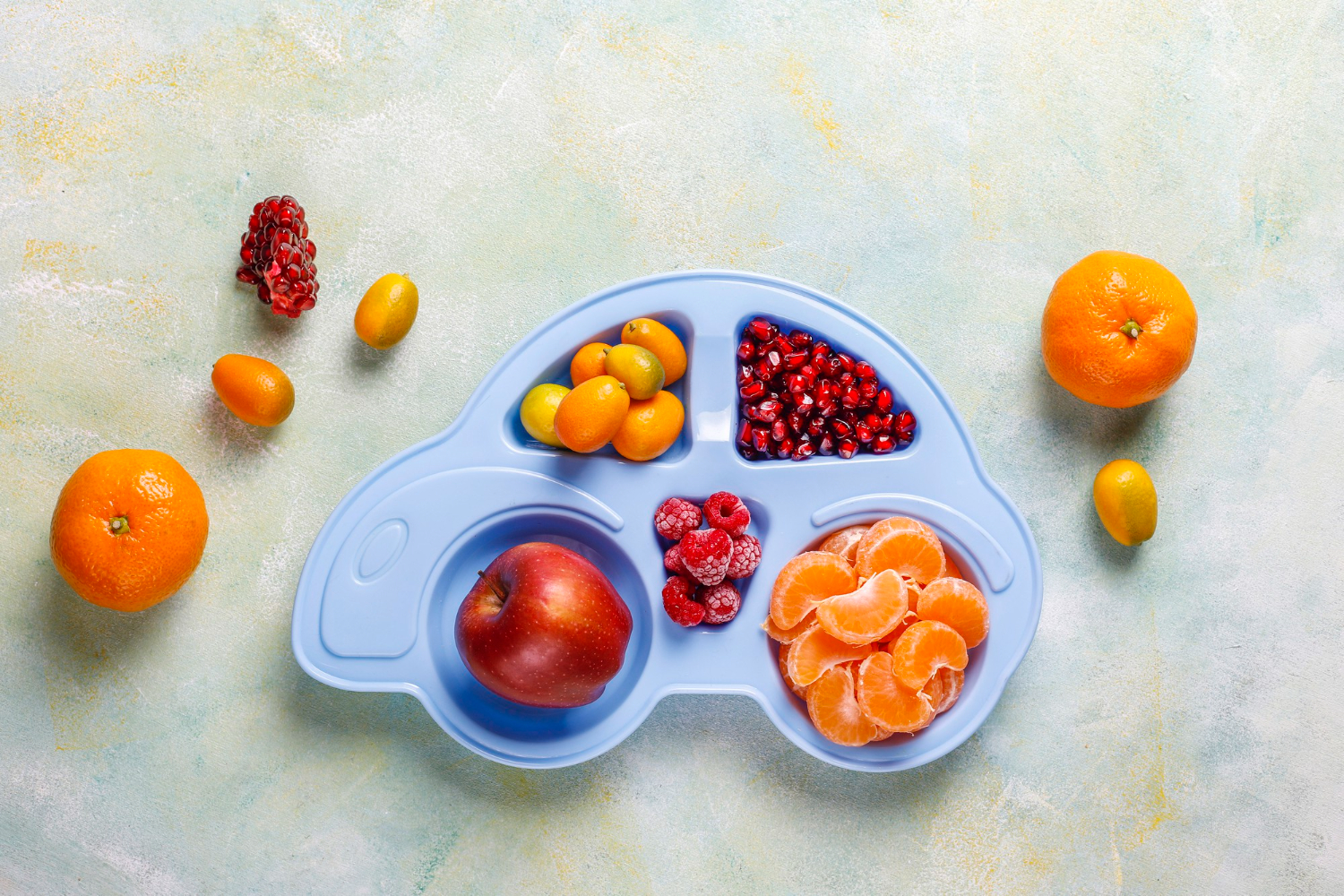
There are two foods that don’t get the recognition they deserve on most lists, especially in our context of Indian Montessori TTC training:
- Gulkand (Rose Petal Jam):
A traditional Ayurvedic recipe made from rose petals and sugar. It really works as a body coolant. It soothes the digestive system, cuts down on internal heat and is super easy to spread on whole grain crackers as a snack that the kids can make themselves.
- Bael (Wood Apple):
Known in traditional Indian medicine as one of the coolest things you can eat for your gut in the summer. Bael sherbet is a breeze to make and so refreshing. The mucilaginous pulp of the fruit lines the gut and gets rid of heat related discomfort.
This makes it a lifesaver in hot summers. Both of these foods actually line up really well with the Montessori ethos of getting kids in touch with natural food and their local cultural traditions.
Enroll in Montessori Teachers Training Course! Get free Demo Here!
Conclusion
Summer doesn’t have to be the season where kids get grumpy or dehydrated. Parents and educators should put some thought into what they’re serving and how they’re serving it.
When mealtime becomes a learning experience kids can be in for a real treat. That’s where cooling foods like watermelon, cucumber, coconut water, yogurt, and mint come in. They’re not only refreshing, but also actually pretty powerful tools when kids get their hands on them. That is a courtesy of Montessori-inspired snack prep.
Consistency is non-negotiable. Offer those cooling foods throughout the day, not just at lunch time. Set up a snack bar that invites kids to come and explore. Let them smell the mint, pour the coconut water, and scoop up the muskmelon. The more they get involved, the more likely they are to remember what they ate, and why it’ll keep them going for a bit.
Start with baby steps. Maybe it’s just one extra cooling snack a day, or one child-led activity.
Get Certified & Start Your Montessori Career
Montessori Teacher Training Course by Entri App: Gain expert skills, earn certification, and kickstart your teaching career.
Join Now!Frequently Asked Questions
What are the best cooling foods for kids during summer?
Top of our list have to be watermelon, cucumber, yogurt, coconut water and buttermilk – these all have over 88% water content so they’re super good at getting the job done.
How much water do kids need to drink through the summer alongside these foods?
For kids aged 4-8, we’re looking at about 1.2 litres of fluids a day, and you can get about 20-30% of that from these cooling foods. Just make sure they’re also drinking regular water.
Can cooling foods actually help prevent heatstroke in kids?
Yeah, they can certainly help. They help keep the fluids in balance which makes it easier to fight off heat exhaustion. Just remember to use them as part of a bigger plan that includes plenty of rest and shade.
How does Montessori TTC bring nutrition into the classroom?
We teach them how to prepare these foods as part of everyday practical life activities – things like pouring, cutting with a kid-safe knife. It helps them develop autonomy, fine motor skills, and just generally gets them more interested in what they’re eating.
How often should we be offering cooling snacks in the classroom?
We do them 2-3 times a day – mid-morning, after lunch, and then mid-afternoon. This helps us tie in with those natural dips in energy levels.
Can we give buttermilk to kids with lactose sensitivity?
It’s lower in lactose than regular milk so it might be better tolerated. But you should talk to a paediatrician first – just to be on the safe side.
Are frozen fruit pops a good option for kids during summer?
They can be, if you make them from whole fruits without adding too much sugar. They cool gradually and provide some real nutritional value – and they’re just fun to make in class.
How do cooling foods actually help with focus in kids during summer?
Well, dehydration is a real enemy when it comes to concentration and learning. But if you get the fluids right, you tend to see a pretty big improvement in those areas.