Table of Contents
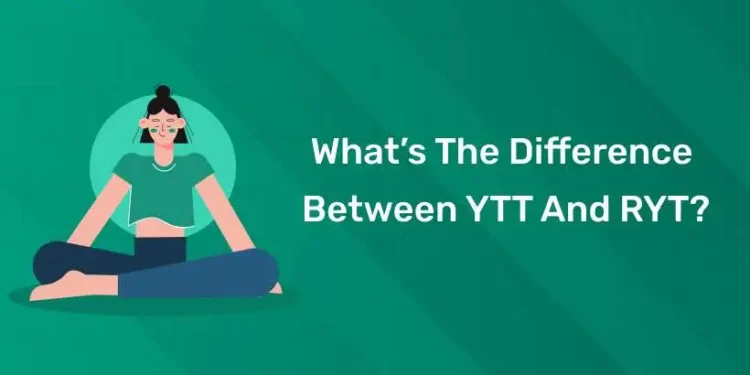
If you’re on the hunt for a teacher training program or thinking about a career in yoga, you’ve probably come across those pesky acronyms YTT and RYT every five minutes. On the surface, they look alike, sound related but deep down they refer to totally different things. Blurring the line ends up costing you time, cash & most importantly momentum . This guide sorts that out for you. Once you’ve read this, you’ll be armed with a clear game plan : you’ll know what the heck those acronyms mean , where they intersect , how to pick a reliable teacher training programme & above all how to turn that training into a profitable teaching career or to deepen your own yoga practice
Why the difference matters
Many beginners think “take a YTT, get an RYT, start teaching.” That’s partly true, but reality is more nuanced:
- Not every YTT automatically makes you an RYT.
- Not every RYT is equally respected everywhere (registries differ by country).
- Choosing the right YTT affects what jobs you can get, how confident you feel, and whether you can get insurance or studio listings.
If you want to teach yoga professionally, in studios, corporate classes, retreats or online, understanding these differences saves months of trial-and-error.
Get Confident! Join Our Yoga Teacher Training Course!
What exactly is YTT?
1: Which of these is the primary goal of yoga practice?

YTT = Yoga Teacher Training.
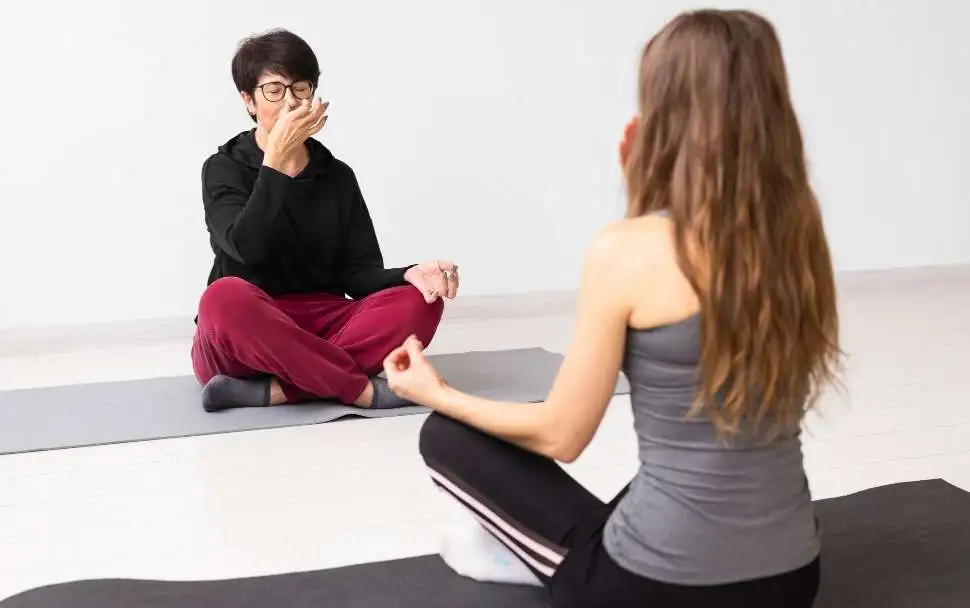
Think of YTT as the course itself. It’s what you sign up for when you want to learn how to teach yoga.
Typical features of YTT
- Curriculum: Asana (poses), alignment, sequencing, adjustments, anatomy, philosophy (yoga sutras, ethics), pranayama, meditation, teaching methodology, class planning, and practicum (student teaching).
- Duration & intensity: YTT programs vary. Many schools offer a 200-hour foundational course (popular worldwide). Some offer 100-hour short courses or 300–500-hour advanced programs. Formats include intensive residential programs (2–4 weeks), part-time weekends (3–6 months) and online or hybrid models.
- Format: In-person, online, or hybrid. Residential YTTs are immersive; online/hybrid ones offer flexibility. Both can be good, what matters is curriculum depth, teacher quality and practicum hours.
- Outcomes: You learn how to structure and lead classes, cue safely, and understand basic anatomy and philosophy. A good YTT includes real teaching practice with feedback.
Types of YTT to watch for
- 200-hour YTT: The standard foundational training most programs use. It covers fundamentals and qualifies you to teach basic classes.
- 300-hour or 500-hour YTT: Advanced and often taken after a 200-hour. These deepen therapeutics, advanced sequencing, teaching styles, and business skills.
- Specialist YTTs: Focus on prenatal yoga, trauma-informed yoga, kids yoga, or therapeutic approaches. Useful if you want a niche.
How to judge a YTT program
Pick YTTs based on teachers’ experience, curriculum transparency, practicum hours, student reviews, and post-course support (mentoring, job-help). Ask for sample schedules, instructor bios, and alumni contact details.
Become a Certified Yoga Instructor
Yoga Teacher Training Course by Entri App: Master authentic yoga techniques, earn certification, and build a successful career as a professional yoga instructor.
Join Now!What exactly is RYT?
RYT = Registered Yoga Teacher.
RYT is a title used to describe teachers who have met standards set by a registering organisation, most commonly Yoga Alliance, which is the best-known international registry. But other registries or national bodies exist in some countries.
How RYT commonly works:
- Complete a qualifying YTT, typically a 200-hour program approved by the registry.
- Register with the registry (optional but common) by submitting your training certificate, personal details, and paying a registration fee.
- Receive the RYT title (for example, RYT-200) on the registry’s platform, which lists you as a credentialed teacher.
What RYT signifies
- Public verification: It shows potential students and employers that you completed a program meeting minimum standards.
- Listing & discoverability: Registries often have directories where studios or students can find teachers.
- Insurance & studio acceptance: Some employers and insurers prefer or require registry credentials.
Important nuance
- RYT is not a licence to practice medicine or a legal professional licence. It’s a credential indicating training completion. Any therapeutic claims you make should follow local laws and scope-of-practice rules.
- Registration is optional. You can still teach without being an RYT. But being registered can open opportunities, especially internationally.
How YTT and RYT connect: the step-by-step path
- Choose & complete a YTT (e.g., 200-hour).
- Get your certificate from the YTT provider.
- Decide to register with a registry (e.g., Yoga Alliance), you submit your certificate and pay a fee.
- Get listed as an RYT-200 (or RYT-500) depending on the hours and level completed.
- Use the credential on business cards, teaching profiles, and studio applications.
That’s the common flow. Again: not every YTT is accepted by every registry, check the provider’s status and the exact requirements before you enrol.
Curriculum differences: what a good YTT teaches

A strong YTT goes beyond pose libraries. Expect these elements:
- Foundations of Asana: alignment, biomechanics, variations, and safe modifications.
- Sequencing & class design: logical flows for different levels and intents.
- Teaching skills: voice, cues, hands-on assists, adjustments, and classroom management.
- Anatomy & physiology: functional anatomy, common injuries, contraindications.
- Yoga philosophy & ethics: classical texts, modern interpretation and teacher ethics.
- Pranayama & meditation: practical tools to lead calming and energising practices.
- Practicum: real teaching practice, peer feedback and supervised lessons.
- Business & marketing (valuable): basics of pricing, insurance, social media and running workshops.
Practical differences that affect your career
| Decision point | YTT (what it affects) | RYT (what it affects) |
| Time to complete | Depends on course format (weeks to months) | Immediately after registration (once you provide proof) |
| What you learn | Practical teaching skills, techniques, and practicum | Nothing new, it’s a credential based on completed training |
| Employability | The quality of YTT impacts competence | RYT helps with discoverability and can help with studio acceptance |
| Cost | Tuition, travel, materials | Registry fees (smaller) |
| Long-term value | Skills, confidence, repeatable teaching | Marketability, listing and perceived credibility |
Become a Certified Yoga Instructor
Yoga Teacher Training Course by Entri App: Master authentic yoga techniques, earn certification, and build a successful career as a professional yoga instructor.
Join Now!Choosing wisely: how to pick a YTT that leads to a useful RYT
- Check the syllabus in detail. A reputable YTT lists daily schedules, hours for each module and practicum time.
- Check teacher experience. Meet or interview the lead trainers. Ask about their lineage, teaching hours and continuing education.
- Ask about post-course support. Some schools help graduates with mentorship, studio referrals and business coaching. That matters early in your teaching career.
- Verify registration claims. If a school claims “Yoga Alliance certified”, check whether the school is actually a registered Yoga School (RYS) or listed on the registry’s website.
- Know the format and your learning style. If you learn better in person, don’t choose an online-only fast track.
- Read alumni reviews and speak with graduates. Ask them about teaching readiness after the course.
- Look for a practicum-heavy approach. The more practice teaching with real feedback, the faster you’ll be ready.
Costs & time: practical numbers
Costs vary wildly by country, teacher, and course quality. Expect:
- 200-hour YTT: anywhere from budget-friendly local programs to premium retreats, prices vary. Look at what’s included (meals, accommodation, materials).
- Registration fees for RYT (registry): usually modest, typically an annual fee to maintain listing. (Check the registry’s website for current fees in your country.)
Time commitment:
- Intensive residential 200-hour YTT: often 2–4 weeks full-time.
- Part-time 200-hour YTT: weekends/evenings over 2–6 months.
- Additional practice: Plan for post-course teaching hours, mentoring, and continuing education to become confident.
Get Confident! Join Our Yoga Teacher Training Course!
Common myths: corrected
- Myth: “If I complete any YTT I automatically become an RYT.”
Reality: You must complete a qualifying YTT and register if you want the RYT title. Verify the school’s registry recognition first.
- Myth: “RYT guarantees I’ll get studio jobs.”
Reality: RYT helps credibility, but studios hire on teaching ability, fit, and reliability. Experience and references matter more.
- Myth: “A 200-hour YTT makes you an expert.”
Reality: 200 hours is a foundation. Expertise grows with teaching experience, mentorship, and advanced training.
Making the Most out of YTT + RYT Training
- For the Casual Yoga Instructor: You can start by landing a 200-hour YTT, then get yourself teaching the odd community class or two – and if you’re feeling fancy, you can go ahead and slap on that RYT badge. But in all honesty, just keep on learning and teaching as a side gig.
- The Career-Builder Type: So to take it up to the next level, get your 200-hour done, then chuck another 300 hours in (or even go all in with a 500-hour gig). Next, sign yourself up as an RYT, and put in the effort to teach regularly, either in a studio or setting up out there on your own through workshops, retreats etc. – all the while building up a loyal student base. Don’t forget to keep an eye on your business and marketing skills
- The Specialized Yogini: If you plan to get into more serious stuff like prenatal or therapeutic yoga – after getting the basic training out of the way just focus on getting the specialised qualifications that’ll help you do this kind of work, and if you’re planning on working with a specific kinda population, then get yourself upskilled from a clinical perspective
How the Entri Yoga TTC Course fits into this path
If you want a practical training that blends modern teaching skills with strong practicum and career support, consider programs that:
- Prioritize practicum and feedback.
- Teach business basics: how to list classes, price sessions, get insured, and use social media.
- Provide post-course mentoring so you can actually start classes with confidence.
The Entri Yoga TTC course is designed as a practical, modern Teacher Training Course (TTC) that aligns teaching fundamentals with market-ready skills. It helps you:
- Learn teaching methodology that suits studio and online formats.
- Build a professional profile and practical portfolio.
- Upskill with modules focused on class design, injury-aware teaching, and building a sustainable teaching schedule.
If you choose Entri’s program, use it to get the skills first, and then register if you want the added marketability of an RYT credential.
Key takeaways:
- YTT = the training course. It teaches you how to teach. Choose it for the quality of instruction and practicum.
- RYT = the credential. It proves you completed recognized training and helps with discoverability and some studio requirements.
- Complete a strong YTT first; use RYT as a credibility amplifier. Skills come before the title.
- Check the school, curriculum and practicum, not just the certificate. Teaching skill matters more than a logo on a certificate.
- Think long term. Build teaching hours, keep learning, and specialize where your heart and market align.
Become a Certified Yoga Instructor
Yoga Teacher Training Course by Entri App: Master authentic yoga techniques, earn certification, and build a successful career as a professional yoga instructor.
Join Now!Frequently Asked Questions
What does YTT mean in yoga?
YTT stands for Yoga Teacher Training. It is the course or program you attend to learn yoga teaching skills, philosophy, anatomy and practical teaching techniques.
What does RYT mean?
RYT stands for Registered Yoga Teacher. It is a credential you receive after completing a qualifying YTT and registering with a recognised organization, commonly Yoga Alliance.
Is every YTT graduate automatically an RYT?
No. You must complete an approved YTT and register with an organisation like Yoga Alliance to receive the RYT credential.
Can I teach yoga without being an RYT?
Yes. You can legally teach yoga without registering as an RYT, but some studios prefer or require RYT certification for hiring.
Is a 200-hour YTT enough to become a yoga teacher?
Yes, a 200-hour YTT provides the foundational training needed to start teaching. Many teachers later pursue 300-hour or specialist programs to deepen their skills.
Do all yoga studios accept RYT credentials?
Most international studios recognise RYT credentials, but some prioritise teaching skill and practical experience over formal titles.
How long does it take to complete a YTT?
A 200-hour YTT may take 3–6 months part-time or 2–4 weeks in an intensive format. The duration depends on the course structure.
Is online YTT valid for RYT registration?
Many registries accept online or hybrid YTTs if the school is approved. Always verify directly with the training provider and the registering body.
Why should I consider registering as an RYT?
RYT status improves credibility, increases visibility on yoga directories, and may help with insurance or job opportunities.
How can the Entri Yoga TTC Course help me?
The Entri Yoga TTC Course provides structured training, practical teaching experience, and guidance aligned with modern yoga teaching standards, helping you progress confidently toward YTT completion and optional RYT registration.