Table of Contents
Five important tools and materials are all that a beginner requires to start crocheting actual items. These include a 5mm aluminum crochet hook, light-colored worsted weight acrylic yarn, scissors, a tapestry needle, and stitch markers.
This will set you back less than $15. The rest is optional and can be purchased after you have finished crocheting your first scarf or washcloth.
KEY TAKEAWAYS
- The right hook size matches your yarn weight. A 5mm hook works with worsted weight yarn.
- Aluminum hooks are best for beginners. They slide smoothly and last for years.
- Light coloured acrylic yarn shows each stitch clearly. Save dark and fuzzy yarn for later.
- Stitch markers keep your place in patterns. Safety pins work just as well as fancy markers.
- A yarn needle weaves in loose ends. This step stops your work from unraveling.
- Crochet kits save time but cost more than buying supplies separately.
- Caring for your tools makes them last longer. Store hooks safely and keep yarn clean.
Start Your Fashion Journey Today! Learn Advanced Designing & Boutique Skills with Experts!
INTRODUCTION
Walk into any craft store. You see walls of hooks, shelves of yarn, and bins of tiny accessories. The choices are overwhelming. A beginner could easily spend fifty dollars on things they do not need.
Stop right there. Put down the expensive ergonomic hook set. Step away from the bargain bin of novelty yarn. You do not need any of that yet.
Crochet is a simple craft. The basic tools are few and cheap. People have been making beautiful things for hundreds of years with nothing more than a hook and some string. You can do the same.
This post cuts through the confusion. You will learn exactly which tools and materials matter and which ones you can ignore. You will see what to buy, what to avoid, and where to save money. By the end, you will walk into any craft store with confidence.
Master Fashion Designing and Create Your Signature Style
Unlock your creative potential with our expert-led Fashion Designing course. Build in-demand skills and step confidently into the world of fashion!
Begin Your Fashion Career Today!WHY THE RIGHT CROCHET TOOLS MATTER
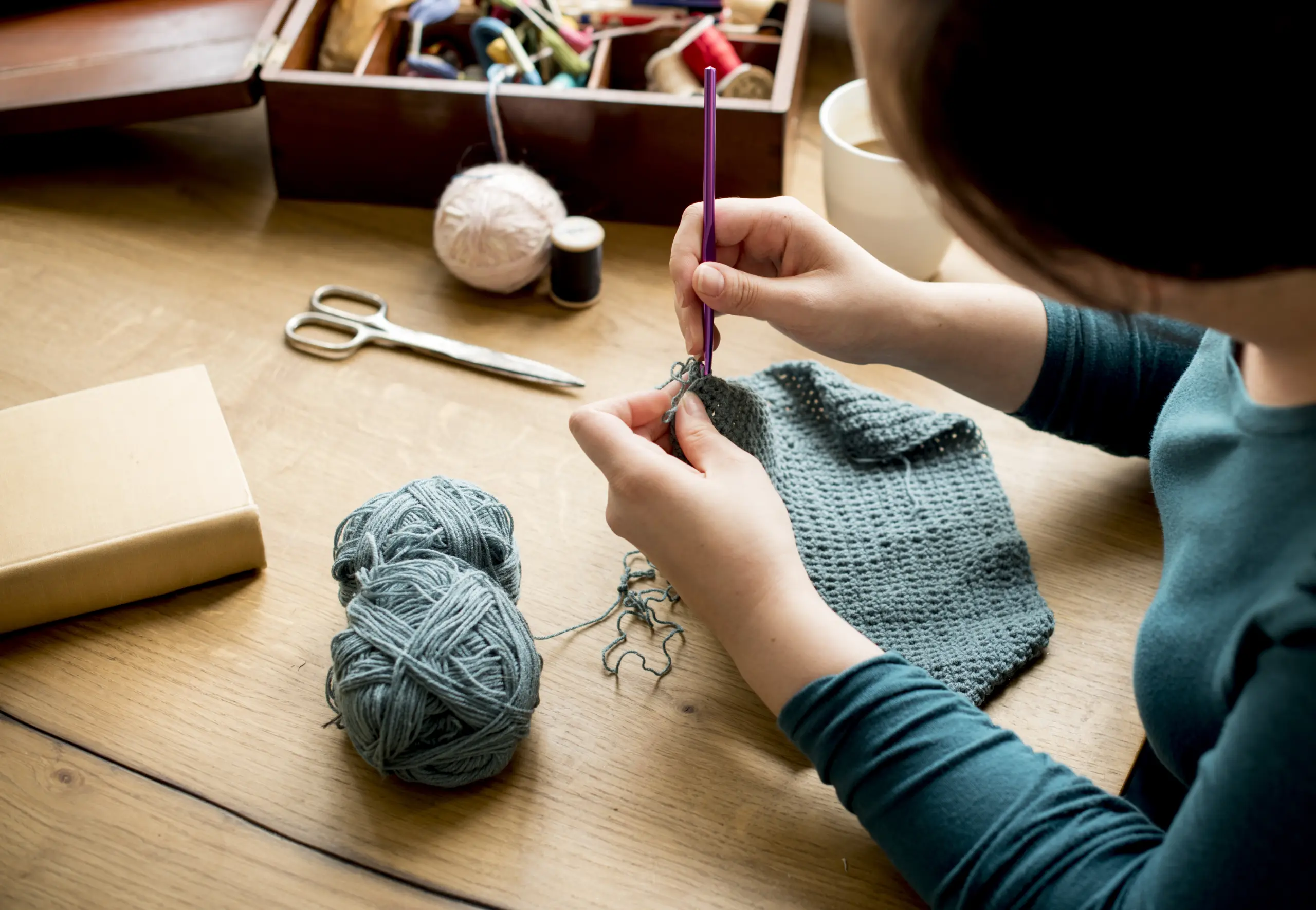
Using the wrong tools makes crochet feel impossible. A hook that is too small fights against the yarn. Yarn that splits and fuzzes hides your stitches. Dull scissors chew up the ends. These small problems add up to big frustration.
The right tools do the opposite. The hook glides through each loop. The yarn shows every stitch clearly. The scissors cut clean with one snip. Learning feels easier. Progress comes faster. The craft becomes joy instead of struggle.
But here is the important part. The right tools do not need to be expensive. A three dollar aluminum hook works perfectly. A four dollar skein of acrylic yarn is ideal for learning. Fancy brands and luxury fibers only add cost, not skill.
Start with the basics. Learn what works for your hands. Upgrade later if you want to. Many experienced crocheters still use the same cheap hooks they bought years ago.
CROCHET HOOKS EXPLAINED
The hook is your most important tool. It does all the work of grabbing yarn and pulling it through loops.
Hook Sizes
Hooks come in many sizes measured in millimetres. The number tells you the diameter of the shaft. Smaller numbers mean smaller hooks. Larger numbers mean larger hooks.
A 2mm hook makes tiny, tight stitches for lace and doilies. A 10mm hook makes huge, loose stitches for chunky blankets. Most beginners start in the middle with a 5mm or 5.5mm hook.
The hook size must match your yarn weight. Yarn labels recommend a hook size. Look for a symbol that looks like a knitting needle or crochet hook. It will say something like 5mm or H8.
Hook Materials
Aluminum hooks are the best choice for beginners. They are smooth and lightweight. The yarn slides easily without catching. Aluminum hooks cost three to five dollars. They never break or wear out.
Bamboo hooks feel warm in the hand. The wood has a natural grip that prevents yarn from sliding too fast. Some beginners like this control. But bamboo hooks cost more. They can break if you sit on them.
Plastic hooks are the cheapest option at one or two dollars. They work fine for a few projects. But plastic bends and breaks over time. The surface becomes rough with use. Avoid plastic if you plan to crochet for more than a few months.
Hook Shapes
Inline hooks have a deep, sharp throat that catches yarn securely. They work well for tight tension. Tapered hooks have a shallow, rounded throat that releases yarn quickly. They work well for loose tension.
Most beginners cannot tell the difference. Buy either shape. You will develop a preference after six months of practice.
TYPES OF YARN FOR BEGINNERS
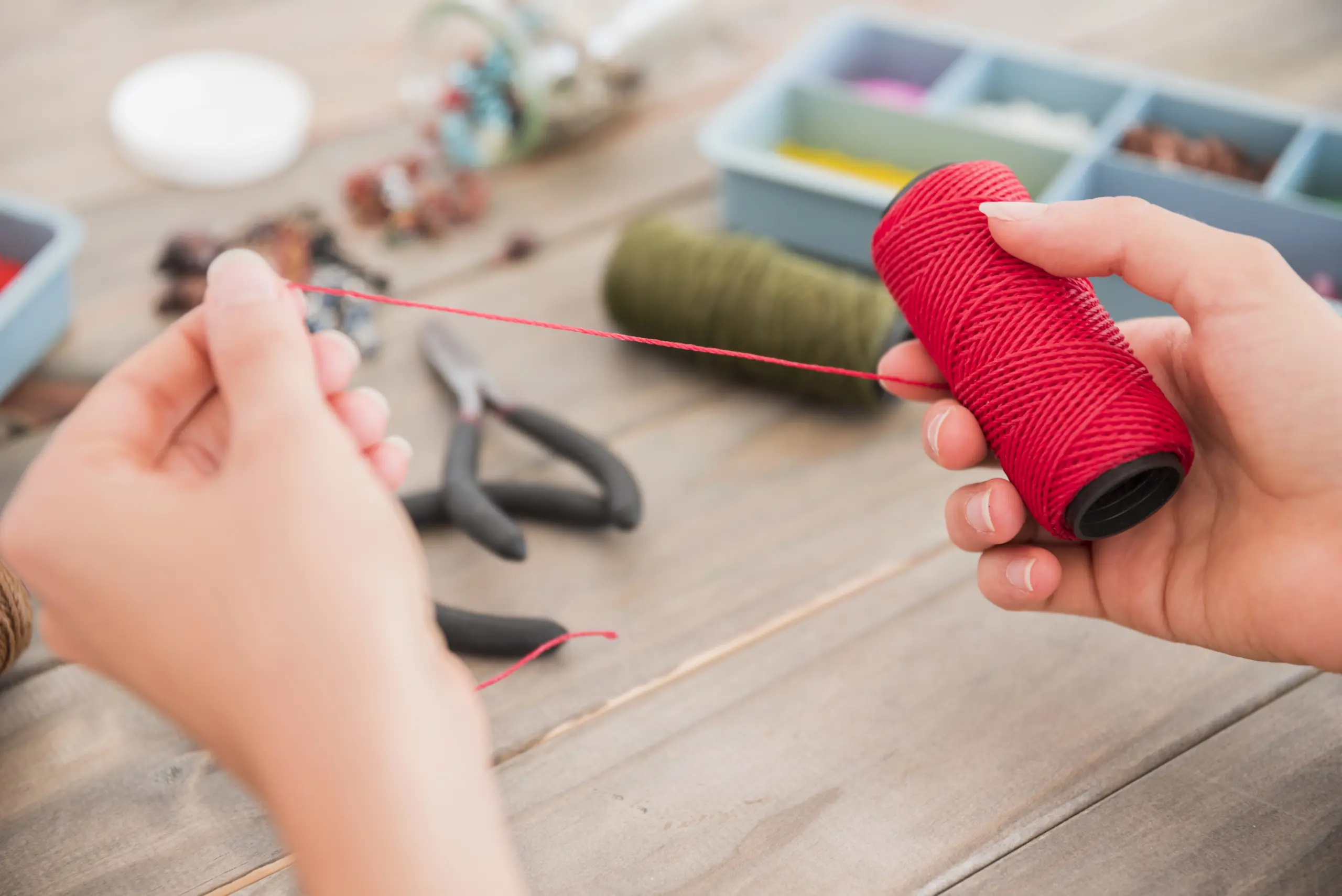
Yarn choices confuse more beginners than anything else. The shelves are full of different weights, fibers, and colours. Here is what you need to know.
Yarn Weight
Yarn weight means thickness. The thickest yarn is size 7 (jumbo). The thinnest yarn is size 0 (lace). Most beginners should buy size 4 (worsted weight or medium).
Worsted weight yarn is the standard for most patterns. It is thick enough to see your stitches. It is thin enough to move easily on the hook. The yarn label will say worsted, medium, or size 4.
Yarn Fiber
Acrylic yarn is the best fiber for beginners. It is cheap, soft, and widely available. Acrylic washes well and does not shrink. A skein costs four to six dollars and makes a hat or a small scarf.
Cotton yarn is also good for beginners. It has no stretch, which makes stitch definition very clear. Cotton works well for washcloths and summer tops. But cotton can split easily. New crocheters may find this frustrating.
Wool yarn is wonderful but expensive. It costs fifteen to thirty dollars per skein. Save wool for later when your skills are stronger.
Yarn Colour
This matters more than you think. Light solid colours show each stitch clearly. Cream, yellow, light blue, and pale pink are ideal. Dark colours hide the stitch details. Black, navy, and deep purple make learning much harder.
Multicolour or variegated yarn looks pretty on the shelf. But the colour changes hide the shape of each stitch. Save these for after you master the basics.
Master Fashion Designing and Create Your Signature Style
Unlock your creative potential with our expert-led Fashion Designing course. Build in-demand skills and step confidently into the world of fashion!
Begin Your Fashion Career Today!STITCH MARKERS AND MEASURING TOOLS
These small accessories save hours of frustration.
Stitch Markers
Stitch markers are small rings that clip onto your work. They mark important spots like the first stitch of a round or the place where you need to increase. Beginners often lose count of their stitches. Markers prevent this problem.
You can buy plastic stitch markers for three dollars per pack. Or you can use safety pins from your junk drawer. Safety pins work exactly the same way. The only difference is the price.
Place a marker every ten stitches. When you reach the marker, you know you have made ten stitches. Count again to be sure. Then move the marker up to the next row.
Measuring Tape
A flexible sewing tape measure checks the size of your work. Crochet patterns tell you how long or wide each piece should be. The tape measure confirms you are on track.
Buy a tape measure from the sewing section. It costs two dollars. Do not use a stiff metal ruler. Metal rulers do not bend around curved fabric.
Hook Gauge
A hook gauge is a small ruler with holes in different sizes. You insert your hook into the holes to check its size. This matters if you lose the label or buy unmarked hooks from a thrift store. Most beginners do not need a hook gauge.
YARN NEEDLES AND SCISSORS
These two tools finish your projects and keep them from falling apart.
Yarn Needle
A yarn needle looks like a sewing needle but much larger. The eye is big enough to thread yarn through. The point is blunt so it slides between stitches without splitting the fibers.
You use the yarn needle to weave in loose ends. Every project has two tails where you started and finished. If you leave these tails loose, they will unravel in the wash. Thread the tail onto the needle. Weave it back and forth through several stitches. Cut the excess.
Yarn needles cost about two dollars. Some hooks come with a needle included.
Scissors
Any small sharp scissors work fine. Keep them next to your crochet bag. You will cut yarn at the end of every row and every project.
Embroidery scissors are perfect for crochet. They have short blades and pointed tips. The pointed tips reach into tight spaces. Embroidery scissors cost five to ten dollars.
Kitchen scissors or fabric shears are too big. They are hard to control for small cuts. Nail clippers work in an emergency but dull quickly.
CROCHET KITS FOR BEGINNERS
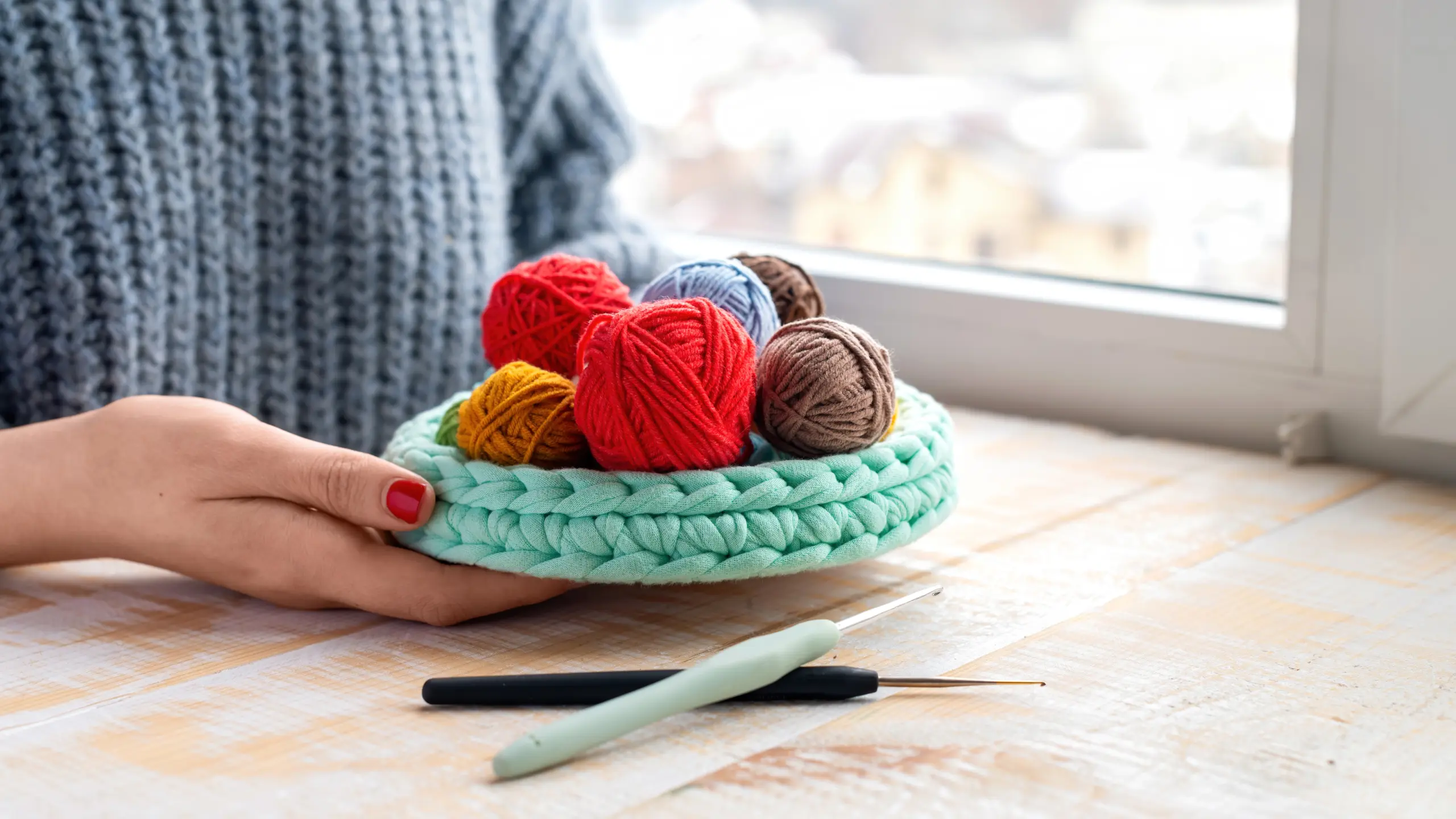
Stores sell beginner crochet kits that include a hook, yarn, scissors, and instructions. These kits save time because everything comes in one box. But they cost more than buying the items separately.
A beginner kit might cost twenty dollars. The same items bought separately would cost twelve dollars. You pay extra for the convenience of one package.
Some kits include low quality tools. The hook might be plastic. The yarn might be fuzzy and dark. The instructions might be confusing. Read online reviews before buying any kit.
Better option. Use the shopping list at the end of this post. Buy the items individually at a craft store or online. You will save money and get better quality.
BUDGET-FRIENDLY CROCHET SUPPLIES
Crochet does not need to be expensive. Here is how to save money on every item.
Hooks – Buy single aluminum hooks for three dollars each. Avoid sets with twenty sizes you will never use.
Yarn – Buy store brand acrylic yarn. Store brand costs half the price of name brands. The quality is almost the same for beginners.
Scissors – Use scissors you already own. Any sharp scissors work.
Yarn Needle – Buy a multi pack of plastic yarn needles for two dollars.
Stitch Markers – Use safety pins or paper clips. Both are free.
Storage – Keep supplies in a zipper bag or shoebox. Do not buy special crochet bags yet.
The complete beginner setup costs under fifteen dollars. That is less than a pizza. That is less than two movie tickets. You cannot find a cheaper hobby.
CARING FOR CROCHET TOOLS
Good care makes your tools last for years.
Hooks – Wipe aluminum hooks with a dry cloth after each use. Hand oils build up and make the hook sticky. Do not put hooks in the dishwasher.
Yarn – Keep yarn in sealed bags away from sunlight. Sunlight fades colours. Dust and pet hair stick to yarn. Moths eat wool yarn. Store acrylic yarn anywhere.
Scissors – Wipe the blades clean after cutting. Do not cut paper with fabric scissors. Paper dulls the blades quickly.
Needles – Store needles in a small container. Do not lose them in the couch cushions.
Start Your Fashion Journey Today! Learn Advanced Designing & Boutique Skills with Experts!
CONCLUSION
You now know everything about essential crochet tools and materials. The list is short and cheap. A hook, some yarn, scissors, a needle, and a few markers. That is all.
Do not let the craft store overwhelm you. Walk past the fancy gadgets. Ignore the luxury yarns. Go straight to the basics. Buy a 5mm aluminum hook. Buy one skein of light coloured worsted weight acrylic yarn. Grab small scissors from your kitchen drawer. Use safety pins as markers.
Fifteen dollars and fifteen minutes of practice. That is the difference between wishing you could crochet and actually doing it.
Get your tools tonight. Make your first chain tomorrow morning. Join the millions of people who turn string into treasure with nothing more than a simple hook.
Master Fashion Designing and Create Your Signature Style
Unlock your creative potential with our expert-led Fashion Designing course. Build in-demand skills and step confidently into the world of fashion!
Begin Your Fashion Career Today!Frequently Asked Questions
What is the single most important tool for a beginner to buy first?
The crochet hook is the most important tool. A size H or 5mm aluminum hook is perfect for beginners. It matches worsted weight yarn, which is the standard thickness for learning. Without the right hook, even the best yarn will feel impossible to work with.
Can I use regular sewing scissors for cutting yarn?
Yes, any sharp scissors work fine for cutting yarn. Kitchen scissors, office scissors, or sewing scissors all do the job. Just make sure the blades are sharp enough to cut cleanly. Dull scissors crush and fray the yarn ends instead of cutting them.
How much yarn does a beginner need for a first project?
One skein of worsted weight yarn is enough for a first project. A standard skein contains about 200 to 250 yards. This makes one simple scarf, two washcloths, or one small hat. Buy one skein first. Finish that project before buying more.
What is the difference between a yarn needle and a regular sewing needle?
A yarn needle is much larger with a bigger eye and a blunt tip. The big eye lets you thread thick yarn through easily. The blunt tip slides between stitches without splitting the fibers. A regular sewing needle is too small and too sharp for crochet work.
Do I really need stitch markers or can I use something else?
You do not need to buy special stitch markers. Safety pins, paper clips, or small loops of contrasting yarn work just as well. The purpose is simply to mark your place in the pattern. Any small object that clips onto your work will do.
Why does my yarn label have a symbol that looks like a crochet hook?
That symbol shows the recommended hook size for that yarn. A 5mm hook symbol means worsted weight yarn. A 3mm hook symbol means finer yarn. Always check this symbol before buying. Using the wrong hook size makes your stitches too tight or too loose.
Are expensive ergonomic hooks worth the money for beginners?
No, beginners do not need expensive ergonomic hooks. A basic three dollar aluminum hook works perfectly. Ergonomic hooks cost fifteen to twenty five dollars. Upgrade to one only if you develop hand pain after months of regular crocheting.
How should I store my crochet hooks to keep them safe?
Store hooks in a pencil case, a glasses case, or a zipper bag. The most important thing is keeping them together so you do not lose them. Do not throw loose hooks into a drawer where they can get bent or scratched.
Can I use yarn that someone gave me even if it has no label?
Yes, but you need to figure out the yarn weight first. Compare it to a known worsted weight yarn at a store. If it looks the same thickness, try a 5mm hook. If the stitches look wrong, try a bigger or smaller hook until the fabric looks right.