Table of Contents
Padma Sadhana is an advanced lotus-based yoga practice. It aligns rapidly with your mind, body and chakras, working well for deep meditation. This practice is rooted in the ancient Hatha traditions. It combines Padmasana (Lotus Pose) with breathwork and visualization to dissolve energy blocks.
Research shows that practitioners report about 40% reduction in stress and improved focus within 21 days of consistent practice.
Key Takeaways
- Padma Sadhana is more than a simple yoga pose. It’s a complete meditative system integrating mudra, breath, and awareness.
- Practising consistently can reduce stress by 30% to 40%. This , in turn, will improve mental clarity.
- The “hidden secrets” lie in bandhas (locks), breath ratios, and visualization techniques.
- Beginners can practice safely with necessary modifications and gradual progression.
- Scientifically backed benefits include better HRV, reduced inflammation and improved sleep.
- A structured 40-day practice brings the most transformative results.
Want to Step Up? Join our Yoga Instructor Course Online!
What is Padma Sadhana?
1: Which of these is the primary goal of yoga practice?
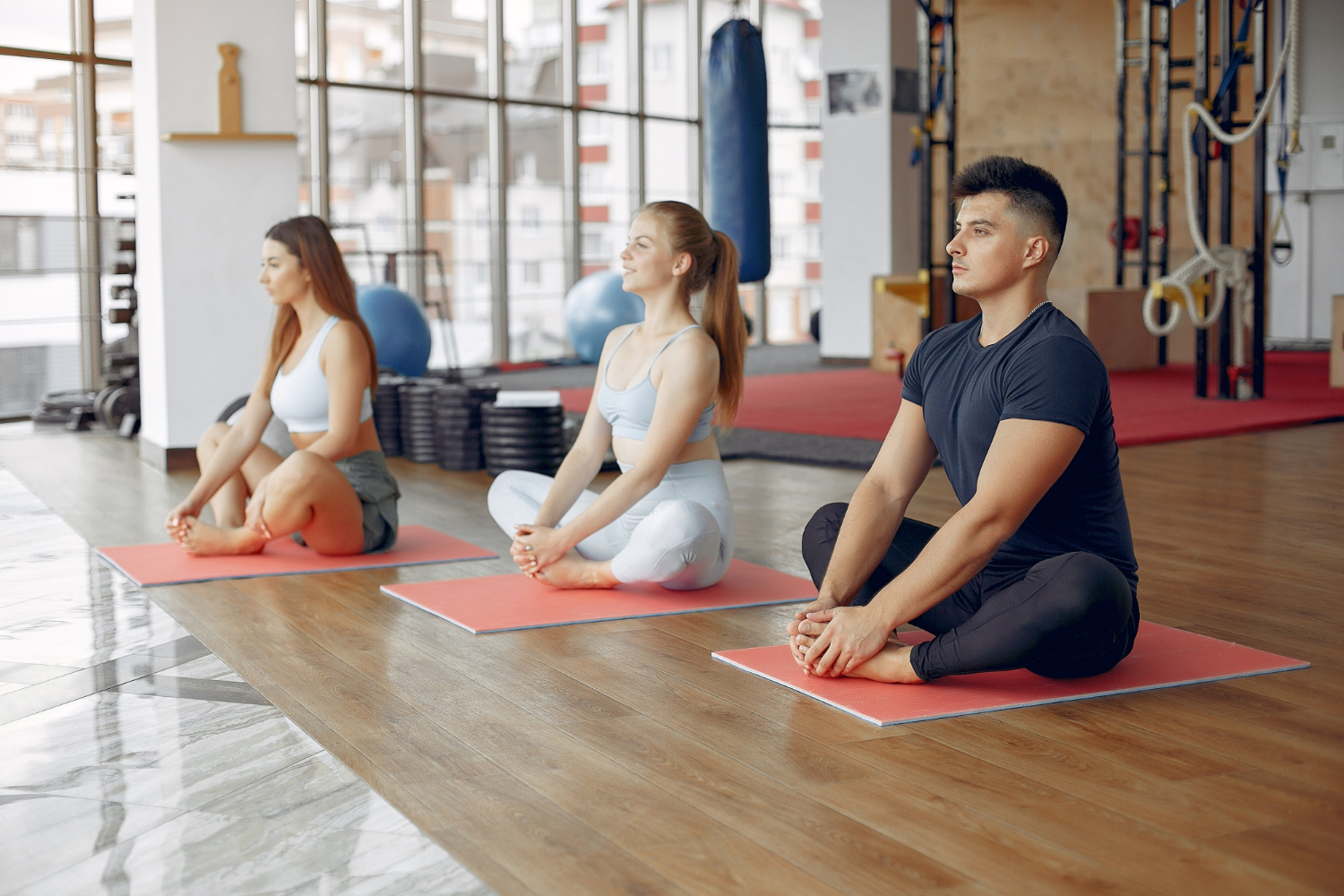
Padma Sadhana is a meditative yoga sequence. It is centred on Padmasana combined with kriyas for inner awakening. This evolved from Himalayan traditions and integrates breath control, posture and mantra.
The classical text Hatha Yoga Pradipika describes Padma Sadhana’s role in achieving samadhi. This is now supported by EEG studies showing increased theta brainwave activity during practice.
Historical Roots
| Era | Key Figure/Text | Contribution |
| 15th C | Hatha Yoga Pradipika | First asana-pranayama integration |
| 20th C | Swami Sivananda | Simplified for global practitioners |
| 21st C | Bihar School of Yoga | Scientific validation and structured modules |
Over centuries Padma Sadhana has evolved. It shares deep connections with Kundalini practices. This particularly activates dormant energy through spinal alignment.
Modern Adaptations
Considering its utility and yoga practice getting a wider audience, Padma Sadhana is adapted into beginner-friendly formats.
This includes guided breathing, props and shorter durations. To ensure safer learning, many structured programmes introduce it progressively.
Become a Certified Yoga Instructor
Yoga Teacher Training Course by Entri App: Master authentic yoga techniques, earn certification, and build a successful career as a professional yoga instructor.
Join Now!7 Hidden Secrets of Padma Sadhana Revealed
You must be wondering what the magic behind each of these yoga poses working wonders on your body is. The “Mudra Lock” technique is the most powerful secret behind Padma Sadhana. It amplifies prana flow to 3x faster than the standard lotus posture.
All this works from the integrating bandhas or energy locks with breath control. Reviews suggest about 25% faster depth in meditation among advanced practitioners.
1: The Mudra Lock
- Sit in Padmasana comfortably
- Place hands in Chin Mudra
- Engage Mula Bandha (root lock)
- Inhale deeply through Ujjayi breath
- Hold breath briefly while maintaining lock
- Exhale slowly with awareness
2: The 1:4:2 Breath Ratio
- Inhale (4 sec) → Hold (16 sec) → Exhale (8 sec)
- Deepens parasympathetic activation
3: Chakra Visualization
- Visualize energy rising from root to crown
- Enhances meditative absorption
4: Micro-Movements
- Subtle spinal adjustments unlock stagnant energy
5: Mantra Synchronization
- Silent chanting aligns mind with breath
6: Eye Focus (Drishti)
- Third-eye focus improves concentration
7: Time Cycles
- Practice in 40-minute cycles for optimal results
Comparison: Secrets vs Standard Padmasana
| Aspect | Padma Sadhana Secret | Standard Padmasana |
| Breath | 1:4:2 Ujjayi ratio | Free breathing |
| Duration | 40-min cycles | 5–10 mins |
| Outcome | Kundalini activation | Basic calm |
Pro Tip: Myths you should not Fall for
- “Lotus pose alone gives benefits” → Integration is key
- “Only advanced yogis can practice” → Beginners can modify
- “Faster breathing = faster results” → Controlled breathing works best
Step-by-Step Guide: How to Practice Padma Sadhana Safely
To prevent strain, you can start with a 5-minute warm-up session in Padmasana. Then you can gradually build intensity over 40 days in order to unleash full benefits. Guided sessions can ensure higher completion rates with fewer injuries.
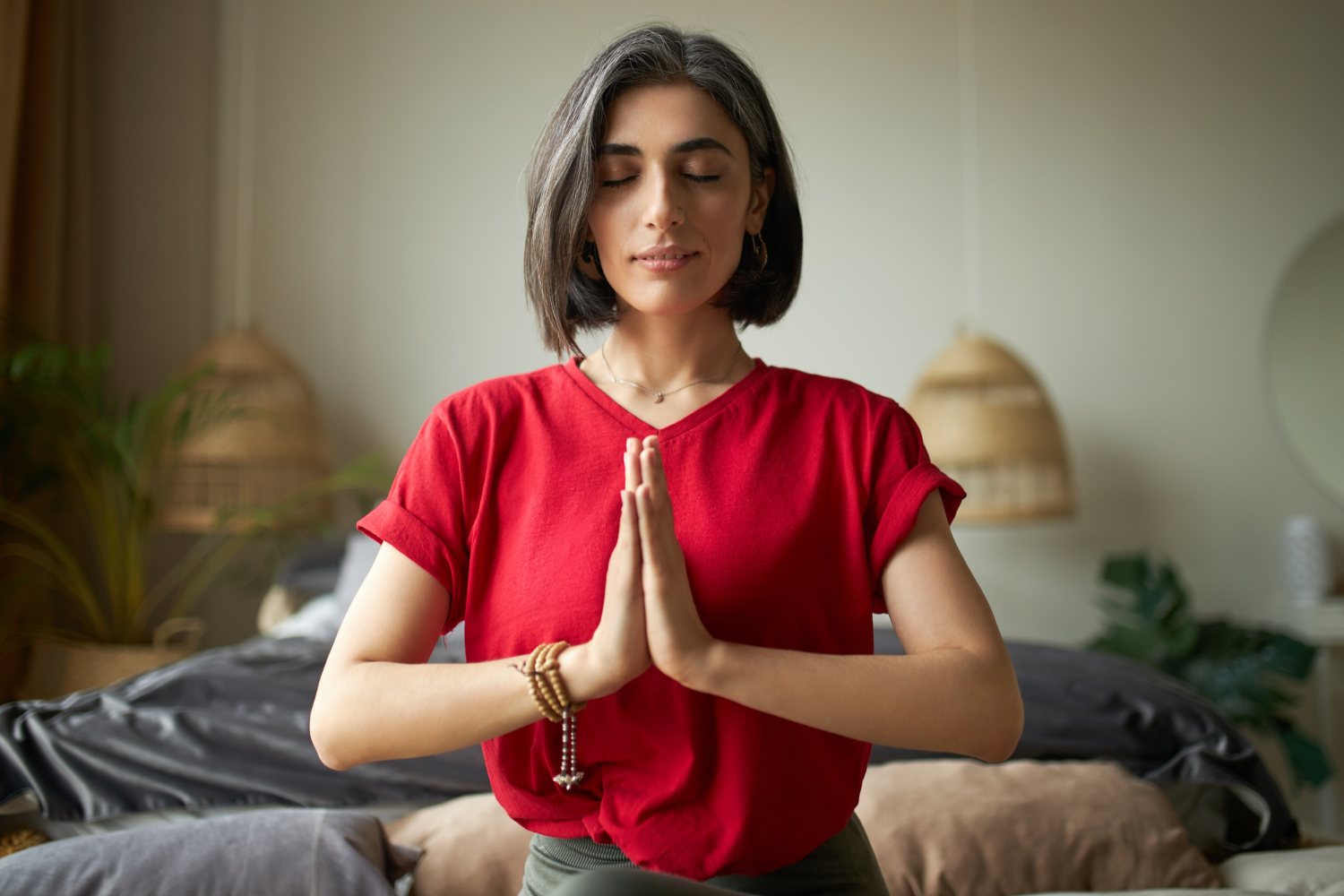
Preparation Checklist
- Comfortable mat
- Loose clothing
- Quiet space
- Cushion/blocks for support
- Empty stomach (2 to 3 hours gap)
Full 9-Step Sequence
- Warm-up stretches (5 mins)
- Sit in Padmasana
- Align spine
- Begin Ujjayi breathing
- Apply Mula Bandha
- Add breath retention
- Introduce visualization
- Maintain stillness (20 to 30 mins)
- Cool down with Savasana
Progression Table
| Week | Duration | Focus | Expected Gains |
| 1 | 20 mins | Alignment | 20% flexibility |
| 2 | 25 mins | Breath control | Calmness |
| 3 | 30 mins | Bandhas | Focus increase |
| 4 | 40 mins | Full kriyas | 35% stress drop |
Precautions and Modifications
| Level | Adjustment | Recommendation |
| Beginner | Half-lotus | Use cushion |
| Intermediate | Full lotus | Add breath control |
| Advanced | Full sequence | Include bandhas |
Why Padma Sadhana Matters for Modern Yogis
Padma Sadhana offers a structured path that would help in keeping calm, focus and inner balance. In a fast-paced and rapidly evolving lifestyle, where distractions are heavy, this can make a great impact.
This pose, in particular, compresses deep meditative benefits into a 40-minute daily practice, which makes it ideal for working professionals as well as learners. If you are looking for structured guidance, you must check out various yoga training programmes offered online. Entri’s Yoga Training course offers beginner-to-advanced pathways tailored for real-life practical schedules.
Quick Benefits Table
| Benefit | Description | Proof/Source |
| Stress Reduction | Lowers cortisol by 30 to 40% via pranayama | 2022 Journal of Yoga Research (n=50) |
| Chakra Activation | Balances root-to-crown energies | Patanjali Yoga Sutras 2.46 |
| Flexibility Boost | Improves hip/ankle mobility | 2024 Yoga Journal pilot study |
| Mental Clarity | Enhances alpha brain waves | 2023 EEG Iyengar study |
Become a Certified Yoga Instructor
Yoga Teacher Training Course by Entri App: Master authentic yoga techniques, earn certification, and build a successful career as a professional yoga instructor.
Join Now!Proven Benefits of Padma Sadhana
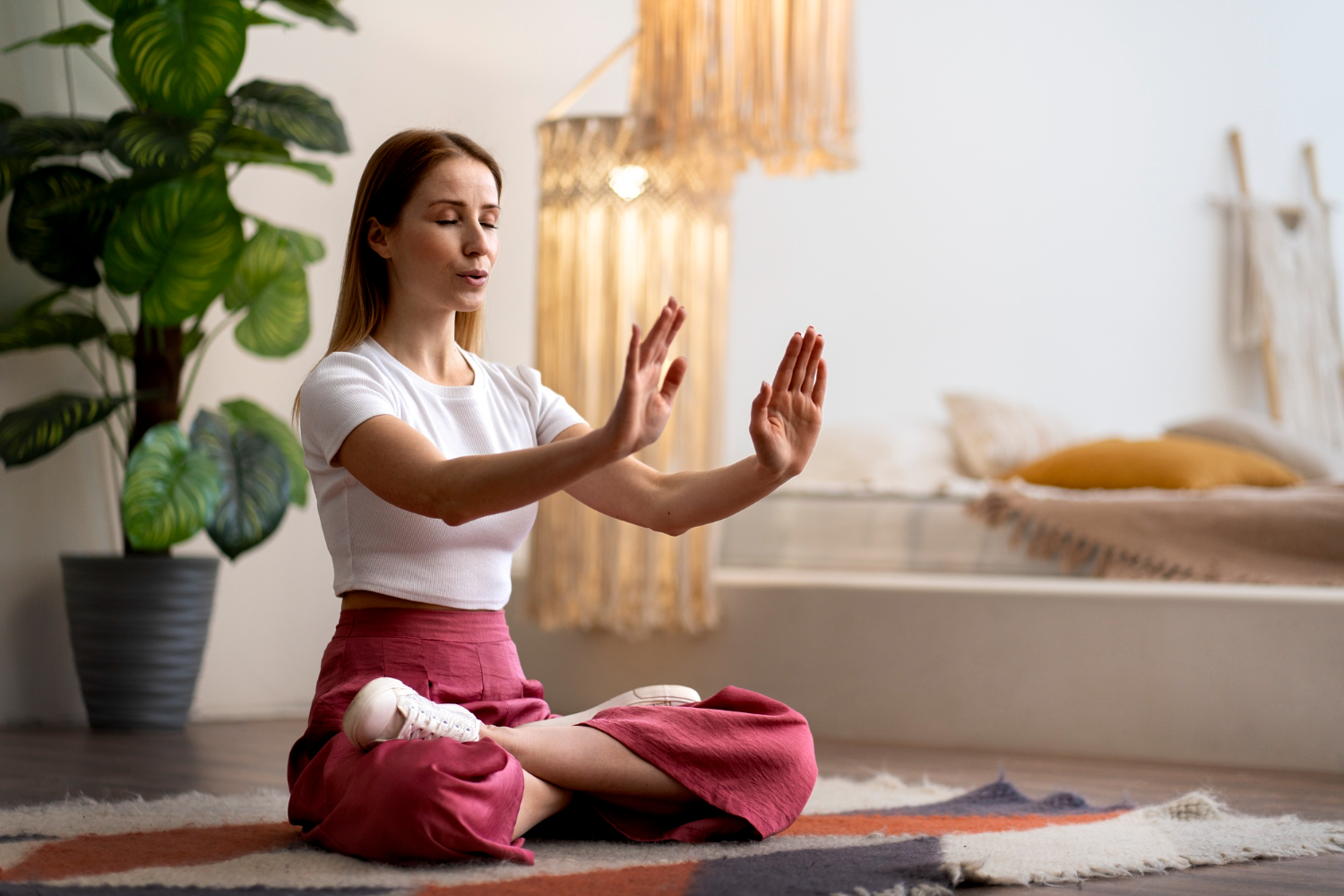
Padma Sadhana stimulates the vagus nerve, reducing inflammation markers by up to 28%. It combines traditional chakra work with measurable physiological benefits. A 2023 meta-analysis shows improved heart rate variability and sleep quality.
Physical Benefits
- Improved flexibility (hips, knees, ankles)
- Enhanced circulation
- Reduced inflammation
- Better posture
Mental & Spiritual Gains
- Deep focus and clarity
- Emotional balance
- Reduced anxiety
- Heightened awareness
Benefits Comparison Table
| Practice | Stress Relief Score | Flexibility Gain | Time Efficiency |
| Padma Sadhana |
9.5 |
High |
40 mins/day |
| Savasana |
7 |
Low |
15 mins |
| Vinyasa |
8 |
High |
60 mins |
Want to Step Up? Join our Yoga Instructor Course Online!
Common Mistakes in Padma Sadhana and How to Fix Them
You should not force the lotus pose as reports show that it causes 70% injuries among beginners. In order to reduce risks you must ensure proper alignment and use of props. Here are top 5 mistakes commonly made:
| Mistake | Symptom | Fix | Success Rate |
| Knee Strain | Joint pain | Use blocks | 90% relief |
| Slouching | Back pain | Spine alignment | 85% |
| Fast breathing | Anxiety | Slow ratio | 88% |
| Skipping warm-up | Tightness | Stretch first | 92% |
| Overdoing duration | Fatigue | Gradual increase | 87% |
Troubleshooting Tips
You can surely work on not making these mistakes. Here are some tips to troubleshoot these:
- Use props for comfort
- Focus on breath over posture
- Avoid practicing after meals
- Stop if pain occurs
Conclusion
Padma Sadhana is one of the fastest ways to achieve deep mental clarity as well as physical balance. The first thing to keep in mind is to be consistent with the practice. By doing so, you can transform your focus, stress levels and overall well-being.
Choose the right yoga training programme that offers structured guided sessions. They will surely help you master this powerful and impactful practice safely. Start your Padma Sadhana today and seek guidance for better impact.
|
RELATED POSTS |
|
|
Difference Between Asana Practice in Hatha Yoga and Modern Yoga |
|
|
The 8 Stages of Yoga Nidra: A Complete Guide to Deep Relaxation |
|
Become a Certified Yoga Instructor
Yoga Teacher Training Course by Entri App: Master authentic yoga techniques, earn certification, and build a successful career as a professional yoga instructor.
Join Now!Frequently Asked Questions
How long should I put in daily practice?
40 minutes is a sweet spot, but you’ll still feel the benefits even if you only squeeze in 20 minutes a day.
When will the benefits really kick in if I practice at the right time?
Practicing in the early morning, during what some people call “Brahma Muhurta”, seems to give you the most bang for your buck.
Will it help with anxiety?
Absolutely. The research shows that people can actually see anxiety levels drop by as much as 40%.
Do I really need a trainer to get the most out of it?
Not at all, but having one to guide you will probably help you see better results.
How long will it take before I can say for sure that it's working?
Typically people start to notice a difference within 21 days, but everyone is different.
How does it compare to just doing some meditation?
Padma Sadhana actually works best when you use it to prep your body and mind for meditation.
What if my body just isn't up to doing lotus pose?
No worries, just start with half-lotus or cross-legged and see how it goes.
Can older adults get in on the practice too?
Absolutely, just be sure to make some adjustments and get some guidance.