Table of Contents
✅ Quick Answer
HIIT stands for High-Intensity Interval Training. It combines intense exercise with short recovery periods. Workouts alternate between effort and rest. It improves fitness and endurance levels. HIIT supports calorie burning and fat loss. It also benefits cardiovascular health. Many people prefer HIIT for efficiency. Workouts remain short yet effective. Consistent practice delivers significant health benefits.
Key Takeaways:
- HIIT uses alternating work and recovery periods.
- Workouts are usually short and efficient.
- Supports calorie burning and fat loss.
- Improves cardiovascular fitness.
- Increases endurance and stamina.
- Helps maintain muscle mass.
- Requires minimal equipment.
- Suitable for various fitness levels.
- Can be adapted easily.
- Saves valuable workout time.
Become a General Fitness Trainer and turn your passion into a Profession!
🌟 Introduction
Modern lifestyles often feel busy. Many people struggle finding exercise time. Long workouts seem difficult. Fitness goals become challenging. Efficient exercise methods attract attention. HIIT has become extremely popular.
High-Intensity Interval Training offers flexibility. Workouts remain relatively short. Results can be impressive. Many fitness professionals recommend HIIT. Athletes use it frequently. Everyday individuals benefit too.
HIIT workouts combine intensity and recovery. Short exercise bursts alternate with rest. This structure challenges the body. Energy expenditure increases significantly. Fitness improvements occur steadily. Motivation often remains higher.
The popularity of HIIT continues growing. Gyms offer dedicated classes. Online programs remain available. Home workouts use HIIT frequently. Accessibility attracts many people. Participation continues increasing.
Research has highlighted many benefits. Fat loss improves. Endurance increases. Heart health strengthens. Overall fitness improves. Time efficiency remains appealing.
Why HIIT Is Popular
- Time-efficient workouts.
- Minimal equipment required.
- Flexible exercise options.
- Effective calorie burning.
- Improved fitness levels.
- Suitable for busy schedules.
Benefits Of Structured Training
- Supports consistent exercise habits.
- Improves workout efficiency.
- Enhances motivation levels.
- Encourages fitness progress.
- Creates measurable goals.
- Supports long-term success.
Turn Your Passion for Fitness into a Profession
Learn practical skills, get certified, and step into the growing fitness industry with confidence.
Join the Course🔥 What Is HIIT?
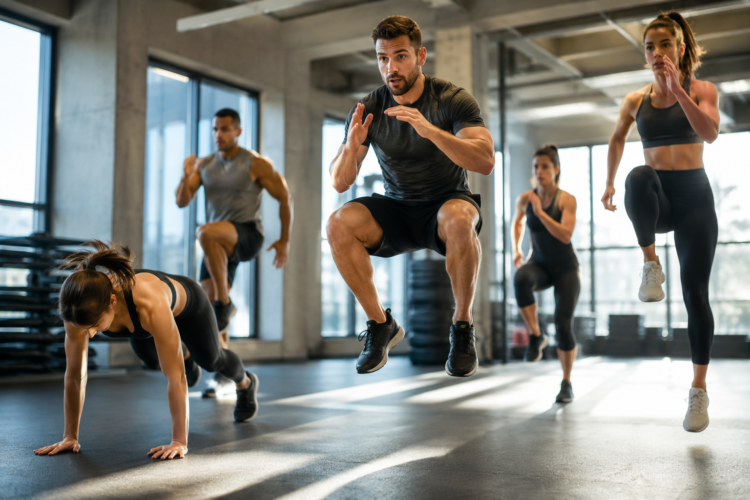
HIIT stands for High-Intensity Interval Training. It combines intense activity periods. Recovery intervals follow afterward. This pattern repeats several times. Workouts remain challenging. Results often appear quickly.
The high-intensity periods require maximum effort. Participants exercise vigorously. Heart rates increase rapidly. Energy demands become greater. Recovery periods allow preparation. The cycle repeats consistently.
HIIT workouts vary considerably. Running remains popular. Cycling works effectively. Bodyweight exercises fit well. Strength movements can be included. Variety keeps workouts engaging.
Unlike steady-state exercise, HIIT alternates intensity. The body responds differently. Energy systems become challenged. Fitness adaptations occur. Performance improves steadily. Endurance increases gradually.
Workouts usually remain brief. Sessions often last minutes. Efficiency remains a major benefit. Individuals achieve more quickly. Exercise becomes manageable. Consistency improves naturally.
Common HIIT Exercises
- Sprint intervals.
- Jump squats.
- Burpees.
- Mountain climbers.
- High knees.
- Cycling intervals.
Key Characteristics
- Short workout duration.
- High exercise intensity.
- Recovery intervals included.
- Flexible exercise selection.
- Adaptable difficulty levels.
- Efficient training structure.
⚙️ How HIIT Works
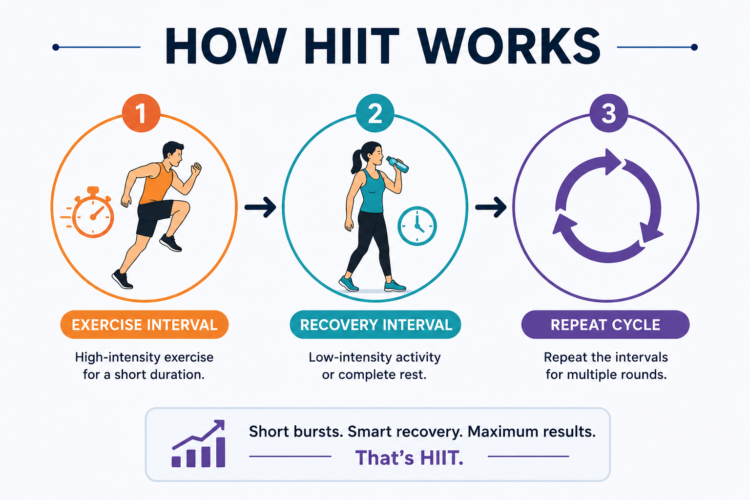
HIIT challenges multiple energy systems. Intense activity demands effort. The body responds rapidly. Heart rate increases. Breathing becomes faster. Energy consumption rises significantly.
During high-intensity intervals, muscles work harder. Oxygen demand increases. Energy stores become utilized. The body adapts gradually. Fitness improves steadily. Endurance grows stronger.
Recovery intervals play important roles. They allow partial recovery. Participants regain energy. Performance remains consistent. Workout quality improves. Intensity stays effective.
Repeated intervals create training adaptations. Cardiovascular systems improve. Muscular endurance develops. Metabolic efficiency increases. Fitness levels advance. Progress becomes noticeable.
The body also continues working afterward. Recovery processes require energy. Calorie expenditure remains elevated. Benefits extend beyond workouts. Efficiency improves further. Results become more significant.
HIIT Training Structure
- Warm-up period.
- Intense work interval.
- Recovery interval.
- Repeat cycle.
- Cool-down period.
- Recovery afterward.
Why Recovery Matters
- Supports performance quality.
- Reduces excessive fatigue.
- Improves workout consistency.
- Maintains exercise intensity.
- Supports safer training.
- Enhances overall effectiveness.
⭐ Top Benefits of HIIT Workouts
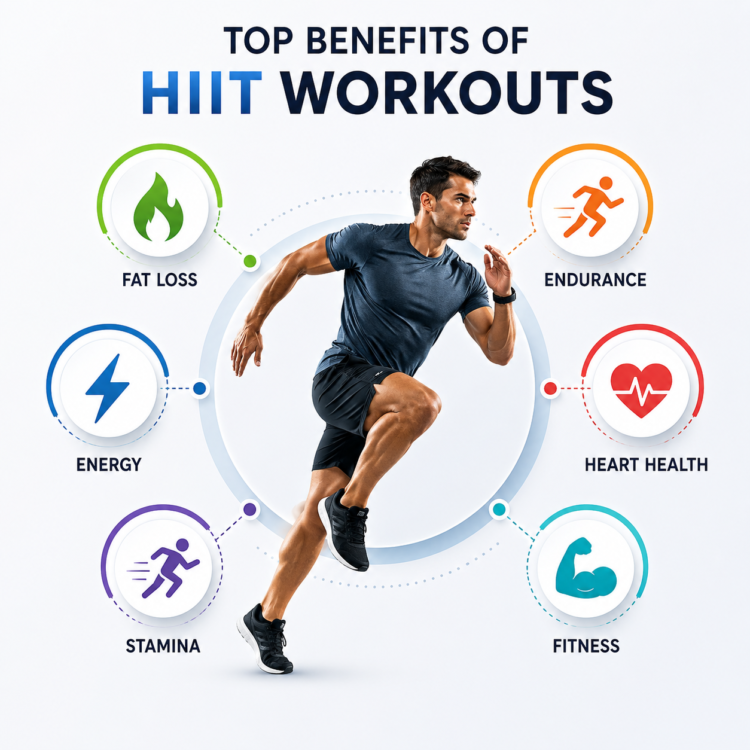
HIIT offers numerous advantages. Many people choose it. Fitness improvements occur steadily. Health benefits remain substantial. Workouts stay engaging. Results encourage consistency.
One major benefit involves efficiency. Sessions remain relatively short. Busy individuals participate easily. Time barriers decrease significantly. Exercise becomes manageable. Consistency improves naturally.
HIIT also supports endurance. Cardiovascular systems strengthen. Breathing efficiency improves. Physical performance increases. Daily activities feel easier. Fitness continues improving.
Another benefit involves versatility. Exercises vary greatly. Workouts remain interesting. Motivation stays higher. Participants avoid boredom. Long-term adherence improves.
HIIT supports overall fitness. Strength improves. Endurance develops. Coordination increases. Agility benefits too. Training remains comprehensive.
Physical Benefits
- Increased endurance levels.
- Improved cardiovascular fitness.
- Better muscular stamina.
- Enhanced athletic performance.
- Improved energy levels.
- Greater exercise efficiency.
Lifestyle Benefits
- Saves valuable time.
- Fits busy schedules.
- Requires little equipment.
- Supports home workouts.
- Maintains motivation.
- Encourages consistency.
Turn Your Passion for Fitness into a Profession
Learn practical skills, get certified, and step into the growing fitness industry with confidence.
Join the Course⚖️ HIIT for Fat Loss
Fat loss remains a common goal. HIIT supports this objective. Calorie expenditure increases. Energy demand becomes higher. Consistent effort produces results. Progress develops gradually.
High-intensity intervals require substantial effort. More calories burn quickly. Workouts remain efficient. Exercise becomes productive. Time investments stay reasonable. Benefits become appealing.
HIIT may help preserve muscle. Maintaining muscle supports metabolism. Strength remains important. Balanced fitness improves outcomes. Results become sustainable. Progress continues steadily.
Many individuals combine HIIT with nutrition. Healthy eating supports goals. Consistency remains essential. Lifestyle habits matter greatly. Success depends on multiple factors. Long-term results improve.
Fat loss requires patience. HIIT supports the process. Exercise contributes significantly. Sustainable habits remain important. Progress becomes measurable. Motivation stays stronger.
Fat Loss Benefits
- Supports calorie expenditure.
- Efficient workout structure.
- Helps maintain muscle.
- Improves workout intensity.
- Encourages consistency.
- Supports long-term goals.
Factors Influencing Results
- Nutrition quality.
- Exercise consistency.
- Recovery habits.
- Sleep quality.
- Workout intensity.
- Overall lifestyle choices.
📊 HIIT Benefits Overview
| Benefit | Impact |
|---|---|
| Fat Loss Support | Increased calorie expenditure. |
| Cardiovascular Fitness | Improved endurance. |
| Time Efficiency | Shorter workouts. |
| Energy Levels | Better stamina. |
| Flexibility | Adaptable workouts. |
| Motivation | Greater workout variety. |
Become a General Fitness Trainer and turn your passion into a Profession!
❤️ HIIT for Cardiovascular Health
Cardiovascular health supports overall wellness. The heart works continuously every day. Strong cardiovascular fitness improves endurance. Daily activities become easier. Energy levels increase naturally. Physical performance improves steadily.
HIIT challenges the cardiovascular system effectively. Intense intervals raise heart rates quickly. Recovery periods provide balance. The repeated cycle strengthens endurance. Adaptations develop gradually. Fitness improves consistently.
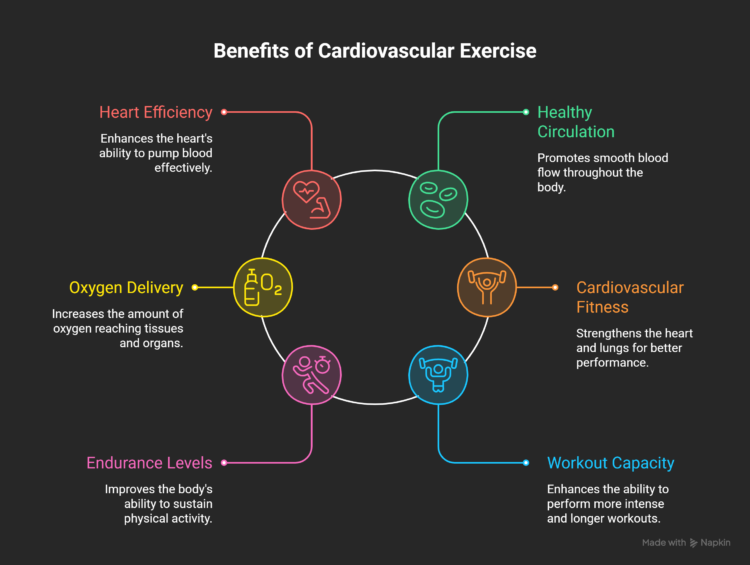
The heart becomes more efficient over time. Oxygen delivery improves significantly. Blood circulation supports performance. Muscles receive oxygen faster. Exercise feels easier. Recovery improves naturally.
Many individuals notice improved stamina. Physical activities require less effort. Walking feels easier. Climbing stairs becomes comfortable. Endurance continues improving. Confidence grows steadily.
HIIT also supports workout capacity. Individuals exercise longer. Intensity becomes manageable. Physical limitations decrease gradually. Fitness improves consistently. Performance becomes stronger.
Cardiovascular Benefits
- Improves heart efficiency.
- Supports healthy circulation.
- Enhances oxygen delivery.
- Strengthens cardiovascular fitness.
- Increases endurance levels.
- Improves workout capacity.
Daily Life Benefits
- Makes walking easier.
- Improves stair climbing ability.
- Supports active lifestyles.
- Increases daily energy.
- Reduces physical fatigue.
- Improves overall wellness.
Performance Benefits
- Improves exercise endurance.
- Supports faster recovery.
- Increases workout confidence.
- Enhances athletic performance.
- Improves stamina gradually.
- Supports fitness progress.
🏃 HIIT vs Traditional Cardio
Both HIIT and traditional cardio improve fitness and support overall health. Personal preferences often influence workout choices. Consistency remains the most important factor. Sustainable exercise habits produce long-term results. Both methods can improve endurance, energy levels, and overall fitness.
Traditional cardio uses steady intensity throughout longer sessions. Walking, jogging, and cycling are common examples. HIIT alternates intense exercise with recovery periods, creating shorter and more dynamic workouts. Some people prefer HIIT for its efficiency and variety, while others enjoy the predictable nature of traditional cardio. Both approaches remain effective and can even be combined for balanced fitness development.
Advantages Of HIIT
- Requires less workout time.
- Provides exercise variety.
- Supports busy schedules.
- Improves workout efficiency.
- Encourages consistent exercise.
- Keeps training engaging.
Advantages Of Traditional Cardio
- Easier for beginners.
- Lower intensity demands.
- Simpler workout structure.
- Supports longer sessions.
- Easier recovery requirements.
- Builds steady endurance.
Similar Benefits
- Supports heart health.
- Improves endurance.
- Increases energy levels.
- Encourages active lifestyles.
- Supports fitness goals.
- Improves overall wellness.
📊 HIIT vs Traditional Cardio
| Feature | HIIT | Traditional Cardio |
|---|---|---|
| Workout Duration | Shorter. | Longer. |
| Intensity | High. | Moderate. |
| Variety | Higher. | Moderate. |
| Recovery Demand | Greater. | Lower. |
| Time Efficiency | Excellent. | Good. |
| Flexibility | High. | High. |
👥 Who Should Try HIIT?
HIIT is suitable for many individuals because workouts can be adjusted according to fitness levels and goals. Exercises remain flexible, intensity can be modified, and programs can be tailored to individual needs. This adaptability makes HIIT accessible to a wide range of participants.
Busy professionals often choose HIIT because workouts save time while delivering effective results. Athletes use HIIT to improve conditioning and endurance, while individuals pursuing fat loss appreciate its efficiency. Home fitness enthusiasts benefit from minimal equipment requirements, and beginners can start with lower-intensity variations before progressing gradually.
Ideal Candidates
- Busy professionals.
- College students.
- Athletes.
- Recreational exercisers.
- Home workout enthusiasts.
- Weight-loss participants.
Reasons To Try HIIT
- Limited available time.
- Interest in fitness improvement.
- Desire for workout variety.
- Need for flexibility.
- Endurance development goals.
- Improved energy levels.
Benefits For Different Individuals
- Supports active lifestyles.
- Improves fitness levels.
- Enhances endurance capacity.
- Encourages consistency.
- Saves valuable time.
- Increases workout efficiency.
⚠️ Safety Tips for Beginners
Safety remains extremely important. HIIT involves high-intensity exercise. Proper preparation reduces risks significantly. Smart progression improves results. Consistency supports long-term success. Safe habits improve performance.
Beginners should avoid rushing progress. Fitness develops gradually over time. Patience supports improvement. Confidence increases steadily. Sustainable habits create results. Long-term success becomes achievable.
🏃 Why Safety Matters
- Reduces injury risks.
- Improves workout quality.
- Supports consistent training.
- Encourages confidence.
- Enhances performance.
- Promotes long-term fitness.
🌡️ Importance of Warm-Ups
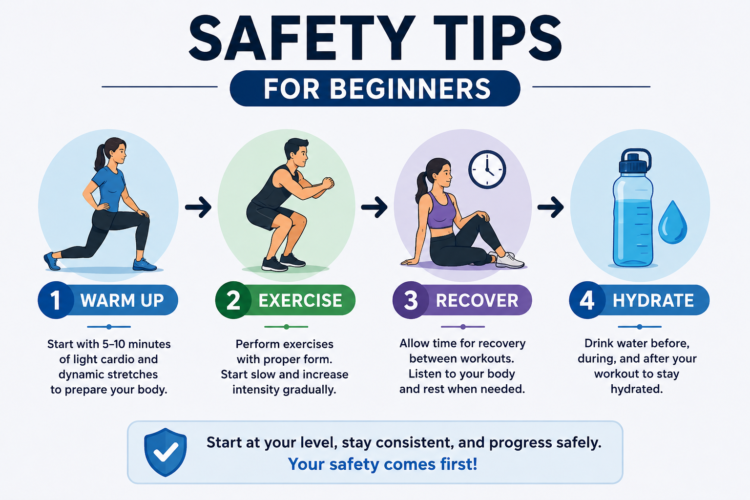
Warm-ups prepare the body effectively. Muscles become ready for movement. Blood circulation improves naturally. Exercise feels more comfortable. Injury risks decrease significantly. Performance improves steadily.
Warm-Up Activities
- Light jogging.
- Marching in place.
- Arm circles.
- Bodyweight squats.
- Dynamic stretches.
- Mobility exercises.
🎯 Focus on Proper Technique
Good technique remains essential. Correct form prevents injuries. Exercise quality improves greatly. Confidence develops naturally. Results become more effective. Training remains safer.
Technique Benefits
- Reduces injury risks.
- Improves exercise efficiency.
- Enhances workout quality.
- Supports better results.
- Builds confidence.
- Improves movement patterns.
⏸️ Respect Recovery Periods
Recovery remains equally important. Rest supports adaptation. Muscles repair effectively. Fatigue decreases gradually. Progress becomes sustainable. Performance improves consistently.
Recovery Benefits
- Supports muscle recovery.
- Improves workout performance.
- Reduces excessive fatigue.
- Encourages consistency.
- Enhances endurance.
- Supports long-term progress.
💧 Stay Properly Hydrated
Hydration supports overall performance. Water helps regulate temperature. Energy levels remain stable. Recovery improves naturally. Exercise feels easier. Health benefits increase.
Hydration Tips
- Drink water regularly.
- Hydrate before workouts.
- Sip during exercise.
- Rehydrate afterward.
- Monitor thirst levels.
- Avoid dehydration.
😴 Prioritize Sleep and Rest
Sleep plays a vital role. Recovery occurs during rest. Muscles rebuild effectively. Performance improves afterward. Energy levels increase naturally. Motivation remains stronger.
Benefits of Quality Sleep
- Supports muscle repair.
- Improves recovery.
- Enhances energy levels.
- Boosts performance.
- Improves concentration.
- Supports consistency.
👂 Listen to Your Body
Body awareness remains important. Pain should never be ignored. Adjustments may become necessary. Recovery sometimes requires extra time. Long-term success improves. Safety remains protected.
Warning Signs to Watch
- Persistent fatigue.
- Excessive soreness.
- Dizziness during workouts.
- Joint discomfort.
- Reduced performance.
- Lack of recovery.
✅ Before Starting HIIT
- Learn proper exercise technique.
- Assess current fitness levels.
- Wear suitable workout footwear.
- Prepare a safe workout space.
- Stay properly hydrated.
- Schedule recovery days.
🔥 During HIIT Workouts
- Maintain proper exercise form.
- Follow recovery intervals carefully.
- Exercise within personal limits.
- Monitor breathing patterns.
- Focus on movement quality.
- Avoid excessive intensity.
🌿 After HIIT Workouts
- Complete a cool-down session.
- Stretch muscles gently.
- Drink sufficient water.
- Prioritize recovery habits.
- Get adequate sleep.
- Monitor soreness levels.
❌ Common Beginner Mistakes
- Skipping warm-up sessions.
- Exercising too intensely.
- Ignoring recovery needs.
- Using incorrect technique.
- Progressing too quickly.
- Neglecting proper hydration.
📊 HIIT Safety Checklist
| Safety Factor | Importance |
|---|---|
| Proper Warm-Up | Essential. |
| Correct Technique | Essential. |
| Hydration | Important. |
| Recovery | Important. |
| Gradual Progression | Essential. |
| Adequate Sleep | Valuable. |
Also read: How Often Should You Do Cardio Exercise?
🎯 Conclusion
HIIT remains one of the most effective workout methods available today. It combines short periods of intense activity with recovery intervals, helping improve endurance, cardiovascular fitness, and overall physical performance. The flexibility and efficiency of HIIT make it suitable for many lifestyles. Consistent participation can support long-term fitness and wellness goals.
Whether the goal involves fat loss, increased stamina, or better cardiovascular health, HIIT can deliver meaningful benefits when performed correctly. Beginners should focus on proper technique, gradual progression, and adequate recovery. Combining HIIT with healthy nutrition and consistent exercise habits improves results further. With the right approach, HIIT can become a sustainable part of a healthy lifestyle.
Turn Your Passion for Fitness into a Profession
Learn practical skills, get certified, and step into the growing fitness industry with confidence.
Join the CourseFrequently Asked Questions
What is HIIT and how does it work?
HIIT stands for High-Intensity Interval Training. It involves alternating between short periods of intense exercise and brief recovery periods. This workout structure helps improve endurance, increase calorie expenditure, and enhance overall fitness while keeping workout sessions relatively short.
Why is HIIT considered an effective workout method?
HIIT is effective because it combines high-intensity effort with recovery intervals, allowing individuals to work harder within a shorter period. The variety and intensity of the workouts help improve fitness levels while making exercise sessions more engaging.
Can HIIT help with fat loss?
Yes, HIIT can support fat loss when combined with healthy eating habits and consistent exercise. The intense workout periods increase energy expenditure, while the efficient structure helps many people maintain a regular fitness routine.
How long should a typical HIIT workout last?
Most HIIT workouts last between 15 and 30 minutes, depending on fitness levels and exercise intensity. Even shorter sessions can provide meaningful benefits because the workout focuses on maximizing effort during active intervals.
Is HIIT suitable for beginners?
Yes, beginners can safely perform HIIT by choosing lower-intensity exercises and longer recovery periods. Starting gradually allows the body to adapt while reducing the risk of excessive fatigue or injury.
What equipment is needed for HIIT workouts?
Many HIIT workouts require no equipment at all. Exercises such as squats, jumping jacks, high knees, and mountain climbers can create effective routines, making HIIT suitable for both home and gym environments.
How often should HIIT workouts be performed?
Most individuals start with two or three HIIT sessions per week. Adequate recovery between workouts helps the body adapt, improves performance, and reduces the likelihood of overtraining.
What are the cardiovascular benefits of HIIT?
HIIT challenges the heart and lungs through repeated work and recovery intervals. Over time, endurance improves, recovery becomes faster, and overall cardiovascular fitness develops significantly.
How is HIIT different from traditional cardio?
Traditional cardio uses steady effort throughout the workout, while HIIT alternates between intense exercise and recovery periods. HIIT workouts are generally shorter, while traditional cardio sessions often last longer.
What safety precautions should beginners follow during HIIT?
Beginners should focus on proper technique, complete a thorough warm-up, stay hydrated, and progress gradually. Listening to the body’s signals and allowing sufficient recovery time can help prevent injuries.