Table of Contents
Starting your own beauty salon after certification needs a lot of understanding of the whole process. First, you need to register your business and choose an affordable and visible location.
Then finalize buying essential equipment. You also need to hire a small trained team. Most importantly, you need to work on marketing locally from day one.
Certification builds your technical credibility. But real success comes from testing your services on a small scale first. Be cautious enough to keep startup costs under control, and turn first-time clients into regulars through hygiene and consistent quality.
The demand for trained, professional salon operators is only rising. This is especially the case outside the biggest metros.
Master Advanced Skincare, Makeup, Hair, and Salon Management. Enrol Now!
Key Takeaways
- Get certified and run a 4-week pilot to confirm demand.
- Register business, get GST if needed, obtain Shop & Establishment license.
- Keep rent at 10% to 15% of first-year monthly revenue.
- Offer a small, high-margin menu tied to your skills.
- Hire 2 to 3 multi-skilled staff; implement SOPs and hygiene training.
- Prioritise Google Business Profile, Instagram Reels, and referrals over broad paid ads.
Why Open a Salon After Certification?
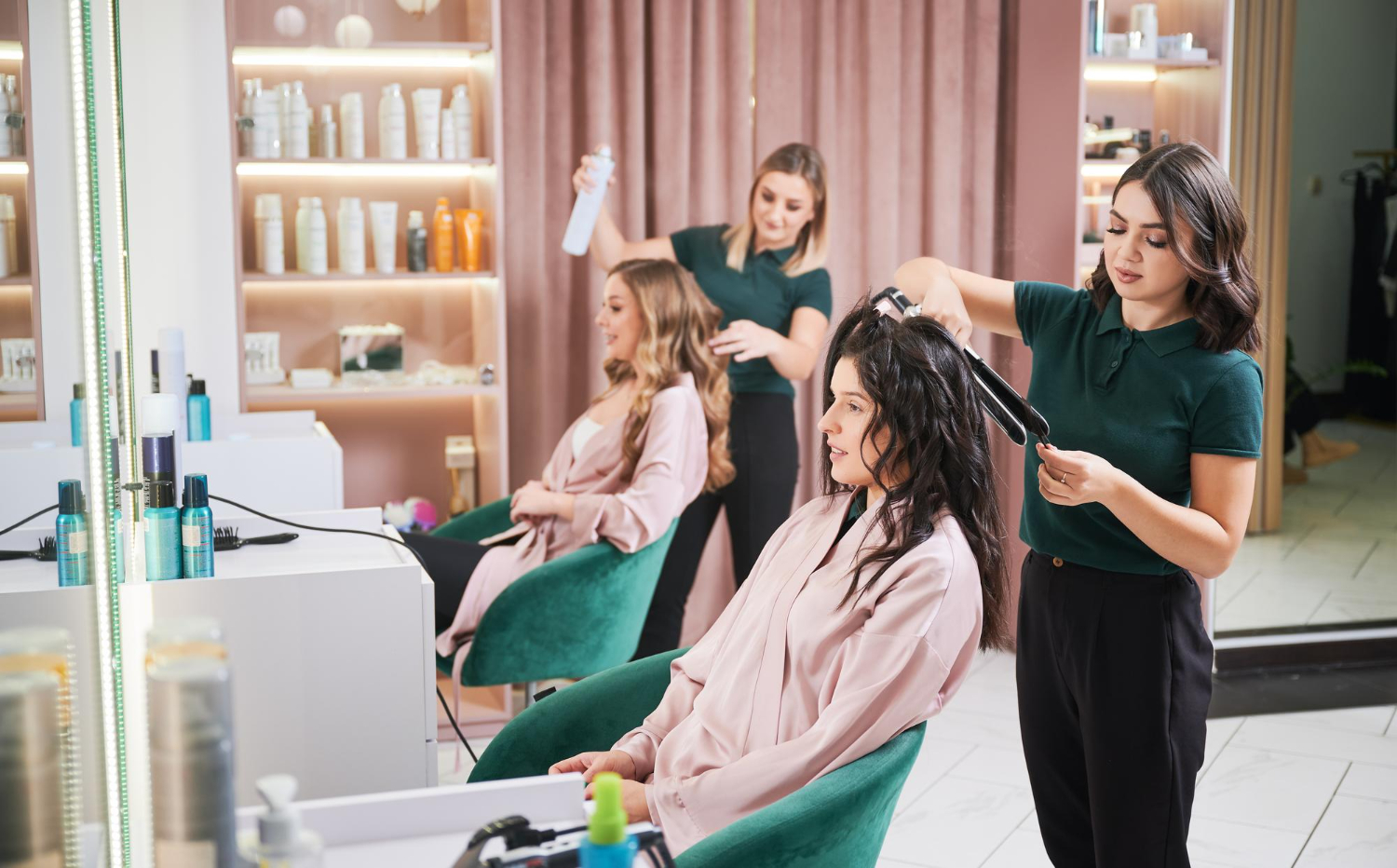
A certification alone doesn’t guarantee walk-ins, but it does two important things. It sets a quality benchmark clients can trust. It also lets you legitimately charge for advanced services like chemical treatments or bridal makeup.
India’s beauty and personal care market is projected to grow steadily through the decade. This is primarily driven by rising incomes, urbanisation, and growing wedding and grooming spends as India’s beauty salon sector booms. This is driven by rising incomes, urbanisation and changing lifestyles.
Tier-2 and tier-3 towns are increasingly part of this growth story. This opens up opportunities for smaller, well-run salons that focus on hygiene and consistency.
Before you commit to a full-service salon, make sure you decide what kind of salon fits your skills and also your local market:
- an express/quick-service salon
- a full-service unisex salon
- a bridal specialist
- or a niche offering like Ayurvedic or herbal treatments
Master Makeup, Hair & Skincare to Build Your Beauty Identity
Unlock your creative potential with our expert-led Beauty & Wellness course. Build in-demand beauty skills and step confidently into the world of beauty!
Your Beauty Career Starts Here!Validate Before You Invest
Don’t sign a lease on day one. Run a short pilot for 2 to 4 weeks, offering just 3 core services at introductory prices. This tells you:
- What clients are actually willing to pay
- Which services get repeat requests
- What your average ticket size looks like in your locality
Map 4 to 5 salons in your area based on price, working hours, and their most popular services. You can also run a short 5-question customer survey based on
- preferred services
- price sensitivity
- booking preference
- peak days
- how they would hear about a new salon
This groundwork prevents the most common new-salon mistake, which is overbuilding a menu that nobody asked for.
Legal and Registration Checklist
Getting your paperwork right early saves you from disruptions later. Here’s what typically applies to a small salon in India:
| Requirement | Applies When | Typical Timeline |
| Business registration (proprietorship/LLP/Pvt Ltd) | Always, before operations begin | 3–7 days |
| GST registration | Mandatory once turnover crosses ₹20 lakh for services in most states (₹10 lakh in special category states) | 3–10 days |
| Shop & Establishment Act registration | Required by most municipalities for any commercial premises | 1–4 weeks |
| Fire safety NOC | If mandated by local authority based on premises size | Varies by city |
| FSSAI license | Only if you serve food or beverages on-site | 1–3 weeks |
| Public liability / professional indemnity insurance | Recommended, not always mandatory | Same day–1 week |
A proprietorship is the simplest structure to begin with; many salon owners migrate to an LLP once they add partners or plan to raise funds.
Voluntary GST registration below the threshold can also help if you plan to work with GST-registered suppliers and want input tax credit.
Choosing Your Location and Layout
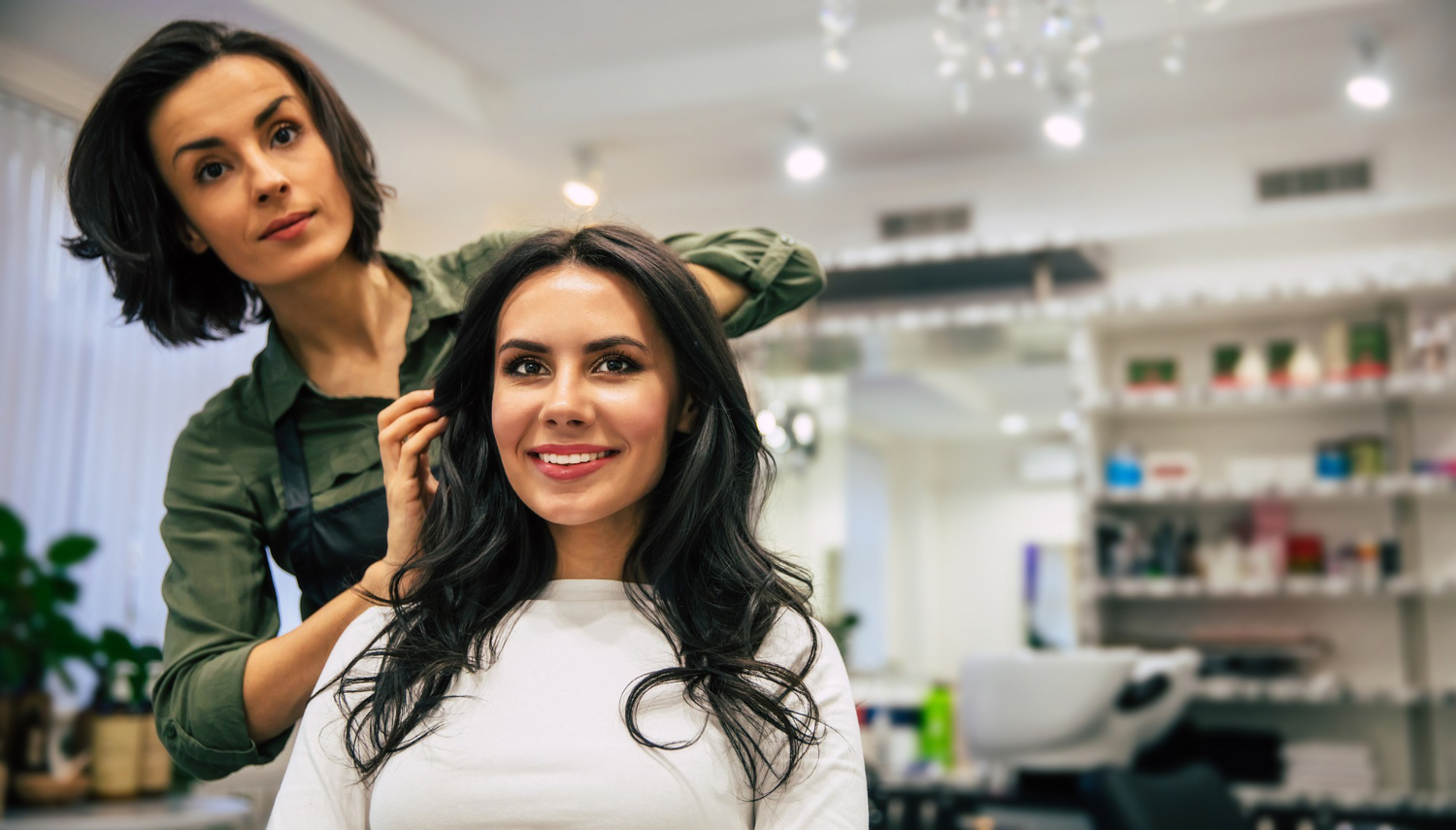
Visibility drives footfall, but rent eats into margins fast. As a rule of thumb, keep your rent at or below 10% to 15% of your projected monthly revenue in year one.
| Location Type | Typical Area (sq ft) | Notes |
| Mall kiosk | 80–150 | High footfall, higher rent, best for express services |
| High-street commercial shop | 250–500 | Good visibility, moderate rent |
| Residential storefront | 120–250 | Lower rent, strong for loyal local clientele |
The basic necessity your layout needs to meet include:
- A reception area
- 2 to 4 service stations
- A wash area
- Storage
- A staff restroom
Note that you don’t need a premium fit-out to look professional.
Master Makeup, Hair & Skincare to Build Your Beauty Identity
Unlock your creative potential with our expert-led Beauty & Wellness course. Build in-demand beauty skills and step confidently into the world of beauty!
Your Beauty Career Starts Here!Equipment: What to Buy First
Prioritise hygiene-critical and multi-use items before anything premium. A lean, functional setup for 1 to 2 stations is enough to launch.
| Item | Purpose | Approx. Cost (New) |
| Styling chair | Client seating | ₹6,000–22,000 |
| Shampoo unit | Hair washing | ₹12,000–45,000 |
| Dryer/hood | Hair treatments | ₹6,000–25,000 |
| Sterilizer (autoclave/UV) | Hygiene compliance | ₹10,000–40,000 |
| Trolley and tool set | Service mobility | ₹2,000–8,000 |
| Initial towel stock | Consumables | ₹3,000–8,000 |
| POS tablet and printer | Billing and records | ₹18,000–40,000 |
Buy sterilisation and safety equipment new. Furniture and non-critical items can be sourced second-hand initially to conserve cash.
Building Your Service Menu and Pricing
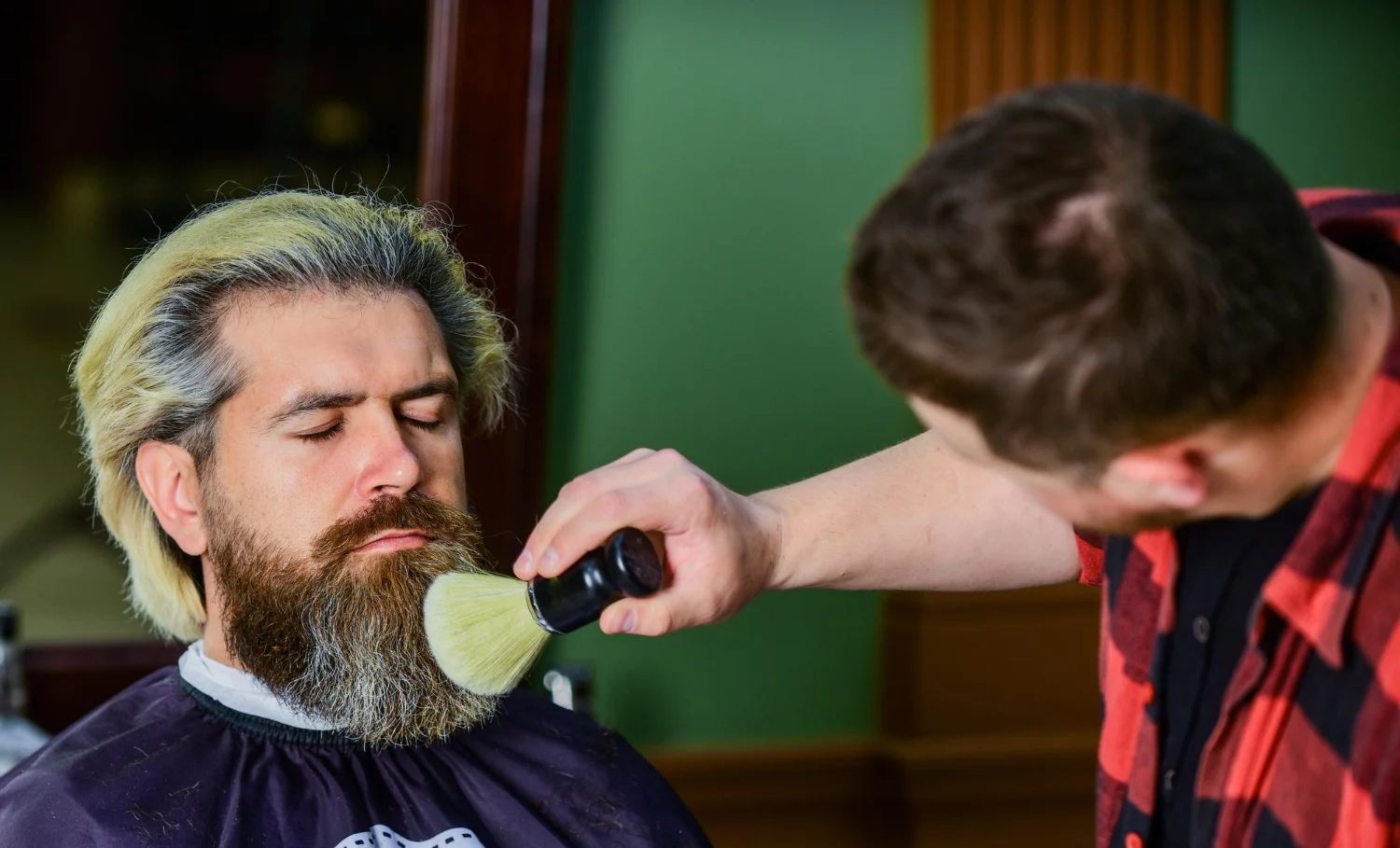
Launch with 4 to 6 core services built around what you’re certified to deliver. This can be haircuts, express facials, hair colour touch-ups, hair spa, and threading or waxing.
Add-ons can be blow-dries, scalp massages, and brow shaping. These increase your average ticket without adding much complexity. Here are a couple of important points to remember:
- Use introductory pricing for the first 6 to 8 weeks to build a client base
- Then shift to value-based pricing once your reputation is established
Also, bundles like a monthly hair-care package and referral discounts will help convert first-time visitors into regulars.
Hiring and Training Your Team
A 3-station salon typically runs well with a senior stylist, a junior stylist or assistant, and a receptionist. Indicative monthly salary ranges in the mid-market segment.
- Senior stylist – ₹18,000 to ₹40,000
- Junior stylist – ₹10,000 to ₹18,000
- Receptionist – ₹8,000 to ₹15,000
These are often supplemented with service commissions.
Technical skill gets clients in the door once. Whereas service consistency brings them back. Build a short onboarding covering your SOPs, hygiene protocol, POS handling, and basic upselling, and run brief weekly skill sessions for the first three months.
Working Out Your Break-Even Point
Use this simple formula to know exactly what you need to hit monthly:
Break-even services/month = Total monthly fixed costs ÷ Average ticket value
Example:
Imagine your fixed costs are ₹80,000 a month (rent ₹25,000, salaries ₹40,000, utilities and consumables ₹8,000, marketing ₹7,000) and your average ticket is ₹600.
Then you would need roughly 134 services a month with about 5 to 6 a day across 26 working days.
Planning around conservative chair utilisation (40% to 60%) in your first few months gives you a realistic, stress-tested target rather than an optimistic one.
Marketing on a Local Budget
As far as a neighbourhood salon is concerned, organic local discovery usually outperforms broad paid advertising. A simple 90-day approach looks like:
-
Weeks 1 to 2:
Set up and verify your Google Business Profile with photos, service menu, and working hours.
-
Weeks 2 to 4:
Post regularly on Instagram (before/after shots, team introductions). Also run a small geo-targeted ad within a 3 km to 5 km radius.
-
Month 2:
Launch a referral programme and partner with local bridal vendors or event planners.
-
Month 3:
Introduce membership packs and seasonal promotions tied to festivals or wedding season.
Encourage happy clients to leave Google reviews early. A handful of genuine reviews in your first month builds far more trust than any ad spend.
Hygiene and Client Trust
Hygiene is a non-negotiable factor. It is necessary to drive trust and ensure returning clients. This is a necessity especially post-certification, as clients expect professional-grade cleanliness.
- Sterilise metal tools after every use
- Launder towels daily
- Use disposable neck strips
- Run patch tests
Keep visible sanitisers at reception. You should also maintain simple consent and allergy records for every client undergoing chemical treatments.
Your First 90 Days
A phased launch reduces the risk of early service failures denting your reputation.
| KPI | Day 30 | Day 60 | Day 90 |
| Daily customers | 5 | 10 | 20 |
| Average ticket | ₹450 | ₹550 | ₹600 |
| Repeat rate | 10% | 20% | 30% |
| Online reviews | 5+ | 20+ | 50+ |
Start with a soft opening for friends and family to catch operational gaps, follow with local promotions and full GBP optimisation. Then move into partnerships and paid promotion once your processes are stable.
Master Advanced Skincare, Makeup, Hair, and Salon Management. Enrol Now!
Conclusion
Your certification is the foundation, not the finish line. A salon can be built successfully with the fundamentals. You need to ensure you have a validated service menu and tight cost control. Also, hygiene that clients can see and trust is non-negotiable. Make it a point to work consistently on local marketing.
Start small and track your numbers from day one. Let real client feedback guide how you scale your service menu and team.
With India’s beauty and wellness market continuing its steady climb, you can have a promising career with a well-run and trustworthy neighbourhood salon.
Master Makeup, Hair & Skincare to Build Your Beauty Identity
Unlock your creative potential with our expert-led Beauty & Wellness course. Build in-demand beauty skills and step confidently into the world of beauty!
Your Beauty Career Starts Here!Frequently Asked Questions
How much does it cost to open a small beauty salon in India?
A small salon typically costs between ₹2 lakh to ₹8 lakh depending on city, location, and equipment choices. Costs are lower in smaller towns or when using second-hand furniture.
Do I need GST registration to start a salon?
GST registration is mandatory once your annual turnover exceeds ₹20 lakh for services in most states (₹10 lakh in special category states). Below that, registration is voluntary but can help with supplier credibility.
How many staff members do I need to start?
Most new salons start with 2 to 3 people. This includes a senior stylist, a junior stylist or assistant, and a receptionist. You can add specialists or freelancers as demand grows.
Is a beauty certification legally required to open a salon in India?
There is no single national law mandating certification to open a salon, but it significantly improves service quality, client trust, and your ability to charge premium prices for advanced treatments.
What licenses does a salon need before opening?
At minimum, you’ll need business registration and a Shop & Establishment license; GST, fire NOC, and FSSAI (only if serving food) may apply depending on your turnover and premises.
What is a good starter service menu for a new salon?
Begin with 4 to 6 core services aligned to your certification, such as haircuts, express facials, hair colour touch-ups, and hair spa, then expand once you have consistent demand.
Should I buy new or second-hand salon equipment?
Buy hygiene-critical items like sterilisers new, but furniture and non-critical equipment can be sourced second-hand initially to reduce upfront investment.
What marketing works best for a new local salon?
A verified Google Business Profile, consistent Instagram content, and referral programmes typically deliver stronger, more cost-effective results than broad paid advertising for neighbourhood salons.
Do I need a pilot or trial run before opening a full salon?
Yes, a short 2 to 4 week pop-up or home-service pilot helps validate real local demand, pricing, and service preferences before you commit to a lease.
How can I keep salon startup costs low?
Start with 1 to 2 stations, a compact service menu, second-hand non-critical furniture, and a soft-launch approach before investing in a full-scale interior fit-out.