
Table of Contents
January 2026 just began and a dramatic geopolitical event sent shockwaves across markets all over the world. U.S. forces captured the President of Venezuela, leading to a new phase in the Trump–Venezuela confrontation. Though this confrontation has been going on for a long time, the latest escalation has once again created fears and hopes in energy, currency, and risk assets. The Trump-Venezuela conflict’s impact on markets is now one of the hot topics among analysts tracking oil prices, the U.S. dollar (USD), and emerging market (EM) currencies.
Understanding the Trump-Venezuela conflict’s impact on markets
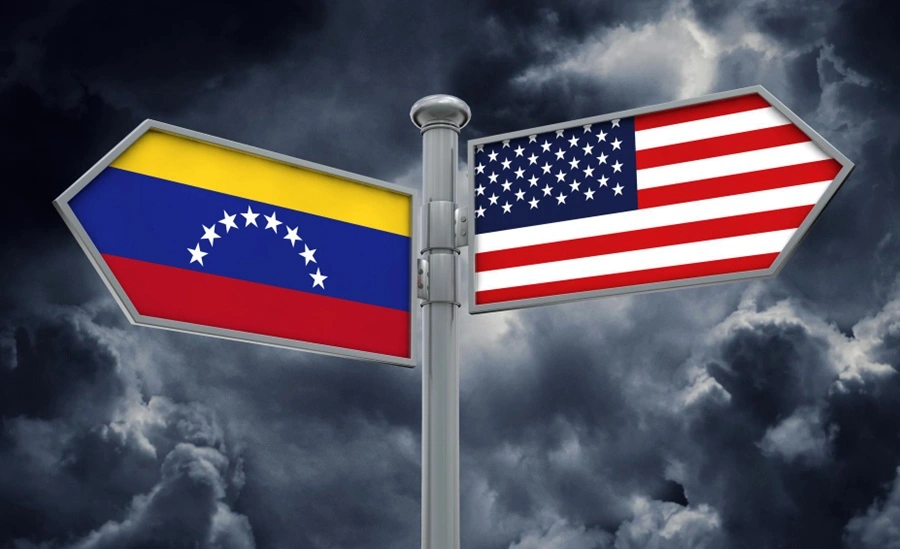
At its core, the significance of this conflict rests on the intersection of geopolitics, energy markets, and financial psychology. Venezuela owns the world’s largest proven oil reserves i.e. about 303 billion barrels. Moreover, the country has historically exported heavy crude that U.S. refiners value for blending with lighter oils. Although sanctions and mismanagement have cut output to a huge extent, any shift in Venezuela’s political alignment can create a major impact across commodity markets and currency flows.
The Trump-Venezuela conflict’s impact on markets therefore extends well beyond Latin America, affecting global risk premiums, capital movements, and trade flows.
Learn trading from experts! Join today to learn the fundamentals of trading!
Global Oil Markets: How Tensions Translate to Price Moves
1: What is a stock?
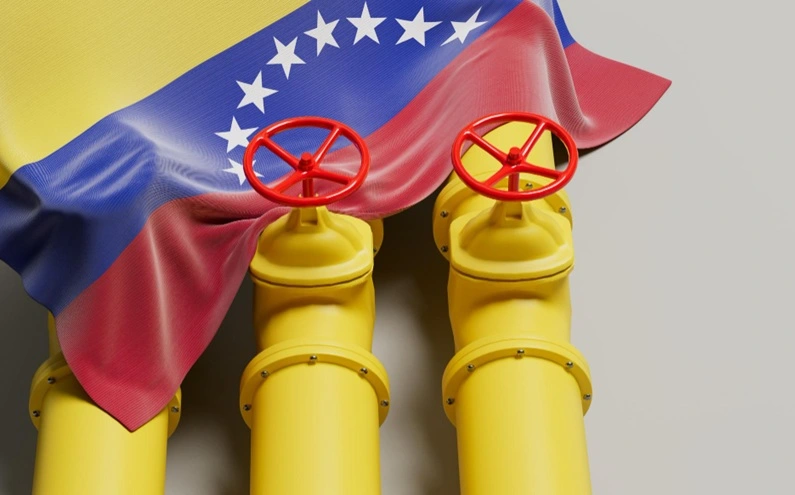
Oil reacts very quickly to geopolitical risk. In early trading following the U.S. operation, prices swung, initially rallying on uncertainty and then slipping as markets weighed supply expectations. Brent and West Texas Intermediate (WTI) crude have shown this volatility both upward and downward.
Prices Priced for Risk, Not Immediate Supply Loss
Although Venezuela now accounts for a small share of global output due to years of sanctions and decline, its symbolic role adds a “risk premium” to prices. Traders price in potential disruptions, even if actual supply impact remains limited in the short term.
Blockades, Exports, and Shipping Routes
The U.S. blockade of Venezuelan tankers and sanctions on shipping have forced rerouting and increased storage of crude. This has increased the uncertainty in the market. When supply lines seem vulnerable, oil benchmark contracts often firm, reflecting geopolitical risk rather than actual barrel shortages.
The U.S. Dollar’s Safe-Haven Boost Amid Conflict
During times of geopolitical stress, the USD generally strengthens. Investors running away from risk or repositioning capital into safer assets increase demand for dollar-denominated instruments. Early market responses showed the dollar gaining as markets digested heightened U.S.–Venezuela tensions.
Why the USD Benefits
The reserve currency status of the dollar has given it a unique safe-haven role. The rise in conflicts elevates demand for dollar liquidity, treasury bonds, and U.S. banking system exposure. This can put downward pressure on riskier currencies, especially in emerging markets.
Emerging Market Currencies: Vulnerability and Risk Sentiment
Emerging market currencies such as the Indian rupee, South African rand, Brazilian real, and others generally weaken during times of rising geopolitical uncertainty. It is a direct effect of the Trump-Venezuela conflict’s impact on markets.
Case in Point: Rupee Pressure
Analysts have noted the Indian rupee’s weakness in the context of the Venezuelan crisis and U.S. actions, as risk-off sentiment boosts the dollar and dampens appetite for emerging market assets.
Why EM Currencies Suffer
- Capital outflows: Investors looking for safety withdraw from higher-yield EM debt and equities.
- Commodity prices: Higher oil prices can worsen trade balances for oil importers, putting pressure on their currencies.
- Credit spreads: Geopolitical risk elevates borrowing costs for EM issuers.
In sum, the Trump-Venezuela conflict’s impact on markets hits EM currencies through sentiment, capital flows, and trade fundamentals.
Venezuela’s Oil Role: Supply, Reserves, and Market Psychology
Despite possessing roughly 20% of global proved oil reserves, Venezuela’s output has languished, currently under 1 million barrels per day, due to decades of mismanagement and sanctions.
Supply vs. Psychological Impact
Some analysts argue that because actual output is small, oil price moves reflect perceived geopolitical risk more than genuine supply disruption. This distinction is important: markets move on expectations, fear, and risk premiums as much as on real flows.
Potential Revival Scenario
If political change results in sanctions relief and investment, Venezuela’s production could eventually rise, potentially exerting downward pressure on oil prices in the long term. But this would take years, not months, given infrastructure needs.
Sanctions, Petrodollars, and the Global Financial System
One deeper implication of the Trump-Venezuela conflict impact on markets is its connection to the petrodollar system, the practice of pricing and settling most oil trades in USD.
Sanctions and Currency Diversification
Before sanctions tightened, Venezuela experimented with trading oil in other currencies like yuan and euros. Moves away from dollar settlements are seen in some quarters as challenges to U.S. financial dominance.
Why Petrodollar Matters
Oil sales in dollars support global demand for the USD, bolstering its value and the U.S. ability to finance deficits cheaply. Any shift away, even symbolic, can influence currency markets and investor behavior.
Stock Market Training Reviewed & Monitored by SEBI Registered RA
Trusted, concepts to help you grow with confidence. Enroll now and learn to start investing the right way.
Know moreCross-Asset Spillovers: Bonds, Equities, and Commodities
The Trump-Venezuela conflict’s impact on markets extends beyond oil and currencies:

Fixed Income
Venezuelan sovereign and PDVSA bonds jumped on hopes of political change and debt restructuring, highlighting how geopolitical shifts can directly influence credit markets.
Equities and Risk Assets
Risk assets like equities and crypto saw volatility around the conflict as traders reassessed risk premiums and capital allocations.
Commodities Beyond Oil
Safe-haven commodities, especially gold, rallied alongside or in reaction to geopolitical jitters. Such moves reflect broader risk-off sentiment when political events unsettle markets.
Learn trading from experts! Join today to learn the fundamentals of trading!
Longer-Term Scenarios: Regime Change and Production Recovery
As per analysts, here are some of the future possibilities depending on how the conflict evolves:
- Instability continuing for a long time may keep risk premiums high, sustaining oil price volatility and strengthening the dollar.
- Sanctions relief under new leadership could attract foreign investment, potentially boosting Venezuela’s output over the years and exerting downward pressure on oil prices.
- Shifts in trade partnerships, especially with China and India, could reshape oil flows and currency arrangements.
Each path would have distinct effects on markets, making the Trump-Venezuela conflict’s impact on markets a dynamic and evolving story.
Key Takeaways
- Oil markets are reacting to risk perception as much as supply fundamentals.
- The USD is likely to gain strength during geopolitical stress.
- Emerging market currencies remain vulnerable to capital outflows and risk aversion.
- Long-term changes to Venezuela’s oil production could reshape global energy balances, but this remains a multi-year story.
Stock Market Training Reviewed & Monitored by SEBI Registered RA
Trusted, concepts to help you grow with confidence. Enroll now and learn to start investing the right way.
Know moreFrequently Asked Questions
How does the Trump–Venezuela conflict impact oil prices?
It introduces geopolitical risk premiums, causing short-term volatility and price swings as markets price uncertainty about supply and sanctions.
Why does the U.S. dollar strengthen during geopolitical events like this?
Investors often seek safety in USD-denominated assets, boosting demand and strengthening the currency.
What effect does the conflict have on emerging market currencies?
Increased risk aversion and capital flight to safe havens can weaken EM currencies like the rupee and real.
Is Venezuela still a major oil supplier?
Venezuela has huge reserves, but currently, output is low due to sanctions and infrastructure challenges.
Can a change in Venezuela’s leadership affect markets long term?
Yes, political change could lead to sanctions relief and increased oil production, affecting prices and trade flows.
Do oil markets care more about perception or actual supply?
Both matter, but in early conflict stages, perception and risk premiums often drive price moves more than actual supply changes.
How can investors hedge against the market impacts of geopolitical conflicts?
Diversification, safe-haven assets like gold or USD bonds, and careful risk management can help mitigate exposure to geopolitical shocks.