Table of Contents
Making a fashion mood board is a creative approach to gather inspiration for your work. This includes organizing images, colours, fabrics and textures on a physical board or a digital tool like Canva. You can refine everything around your design theme in just 5 simple steps.
Mood boards help designers brainstorm, keep track of current trends and align with them, capture your collection’s vibe and communicate ideas to teams. All this happens before even a single sketch is made. Reports suggest that designers who use mood boards have faster ideation and higher client approval rates.
Whether you are a working designer building your next collection, or a beginner exploring fashion for the first time a mood board can work for you. It can be a super powerful tool in your creative process – as long as you use it as a strategic visual guide that steers every single design decision you make.
Start Your Fashion Journey Today! Learn Advanced Designing & Boutique Skills with Experts!
Key Takeaways
- A mood board is what you get when you slap a bunch of colours, fabrics, images and textures up on a board to get a handle on your design theme before you even start sketching.
- You can knock one up in under 2 hours using free digital tools that are easy to find like Canva or Pinterest.
- Keeping your colour palette under 5 colours and your inspiration items to 30 or less is the way to keep a board focused and effective.
- Mood boards not only do a great job at making team communication a whole lot easier – they also save you fabric waste and speed up the ideation process by up to 30%.
- Both digital and physical mood boards have their uses — if you’re just starting out, it makes sense to start with digital because you can make changes easier and share them with others a lot more easily.
- Sustainable fashion and fusion wear are among the fastest-growing mood board categories at the moment.
What is a Mood Board in Fashion Design?
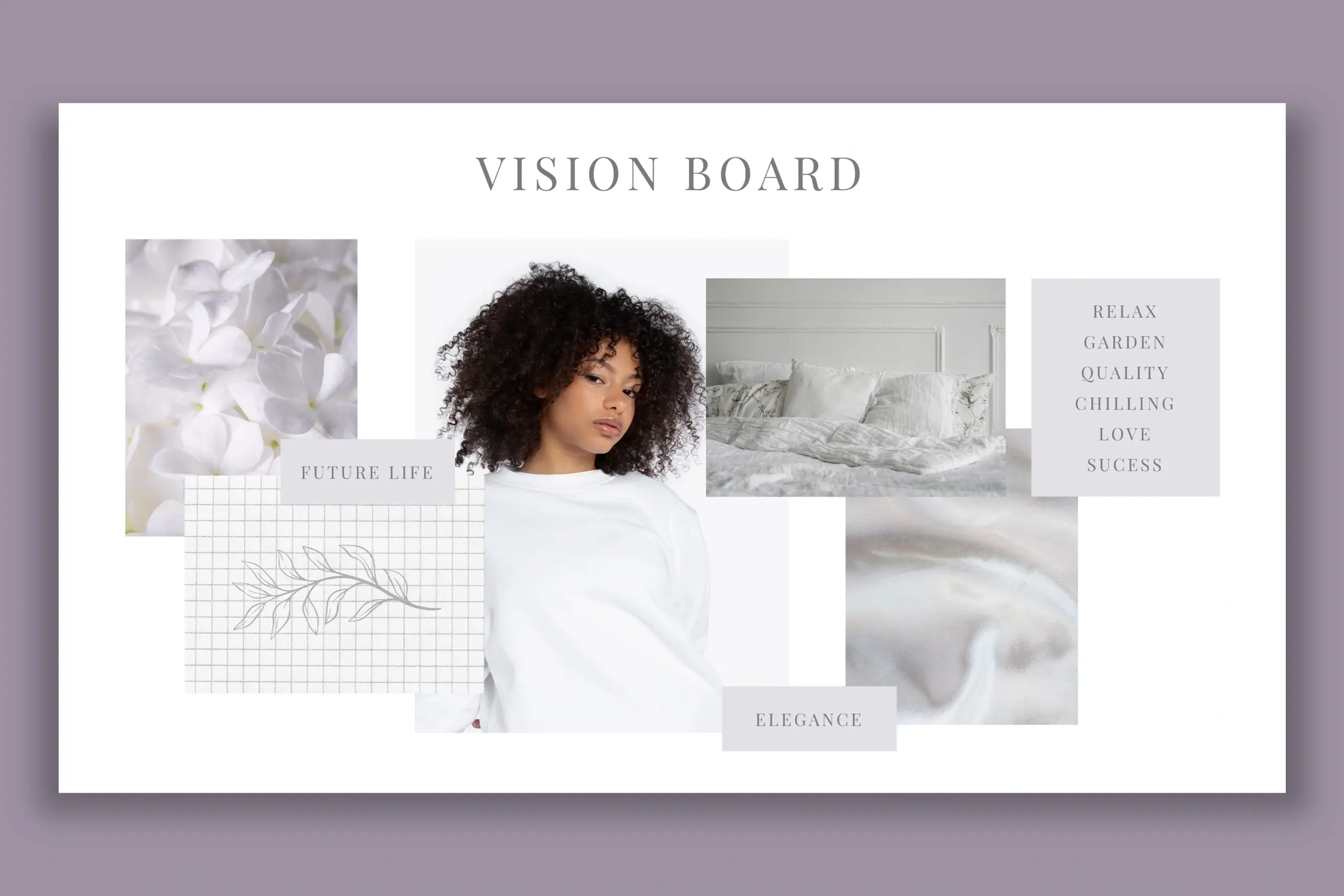
A mood board is basically a curated visual collection that represents the look, feel and direction of a fashion collection. It should be functional in bringing together fabric samples, colour swatches, typography, inspirational images and photographs to a single surface. This can either be a physical board or a digital board.
Mood boards can be looked at as the blueprints of your collection’s personality. It is exactly where your collections live even before you pick up a pencil to sketch or choose a fabric.
Whether you are a student working on your first projects or a professional designer pitching to international brands, mood boards can work well for you. They are equally important in sustainable fashion, bridal wear, streetwear, and ethnic collections.
Master Fashion Designing and Create Your Signature Style
Unlock your creative potential with our expert-led Fashion Designing course. Build in-demand skills and step confidently into the world of fashion!
Begin Your Fashion Career Today!Why Do Fashion Designers Use Mood Boards?
Usually many beginners skip making mood boards and get straight into sketching. This results in getting stuck with scattered ideas with inconsistent designs and thereby wasted materials.
Here is why mood boards make a real difference:
| Benefit | Impact | Example Use Case |
| Faster Ideation | Cuts planning time by 30% | Pre-collection brainstorming sessions |
| Client Buy-In | Boosts approval rates significantly | Pitching a sustainable clothing line |
| Cost Savings | Reduces unnecessary fabric purchases | Testing color palettes before buying |
| Better Communication | Aligns teams visually | Sharing direction with tailors and stylists |
| Creativity Boost | Unlocks unique, cohesive themes | Fusion wear for modern Indian markets |
A mood board can help you spot any gaps in your concept early on. If your board looks scattered or feels like it’s lacking a clear direction, you can understand that it is time to refine your theme before taking the next step.
Tools You Need to Create a Fashion Mood Board
You do not need expensive software or a design background. Here are the most accessible tools for every level.
Digital Tools
| Tool | Best For | Key Feature |
| Canva | Beginners | 100+ fashion templates, drag-and-drop, free export |
| Gathering inspiration | Unlimited boards, smart visual search | |
| Milanote | Team collaboration | Sticky notes, embeds, easy sharing |
| Adobe Express | Professional-level work | Layered design, integration with creative assets |
Physical Materials
If you prefer a hands-on approach, you will need:
- Fabric swatches – silk, cotton, linen, denim
- Magazine clippings and printed photographs
- Colour chips and yarn samples
- A corkboard or foam core (24×36 inches is a standard size)
- Glue, scissors, and pins
Many experienced designers actually use both digital and physical materials for their mood boards. They use a digital version for sharing easily and a physical one for tactile reference during production.
Step-by-Step Guide: How to Create a Fashion Mood Board
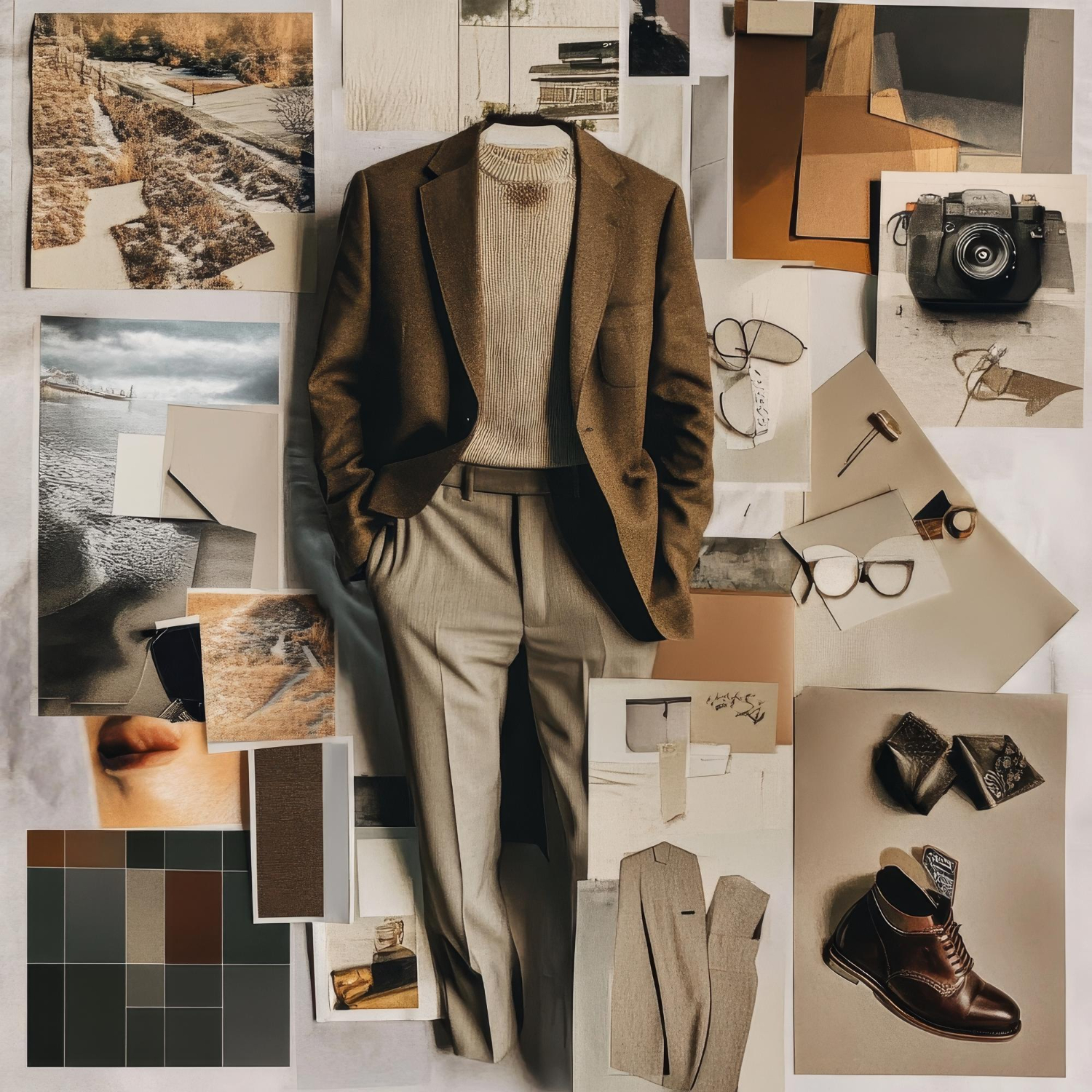
This process takes under 2 hours and works for any collection theme.
Step 1: Define Your Theme (10 Minutes)
Start with a clear concept. Fix your mind on what you are about to create – a minimal design or a streetwear and the like.
Keywords are important – write around 5 to 10 of them that describe your theme. For example, a “minimalist ethnic” collection might use: neutral tones, block prints, clean silhouettes, handloom textures, understated elegance.
Your keywords will guide every element you choose for the board. Without this step, boards tend to become messy and unfocused.
Step 2: Gather Your Inspirations (30 Minutes)
You should aim to collect 20 to 30 items and not beyond that. Too many can miss the point of bringing focus to the core elements, making it harder to read.
Sources for inspiration:
- Free image platforms like Unsplash for photographs
- Pinterest boards for trend references
- Fabric samples from local markets
- Color palettes from tools like Coolors.co
- Runway images from recent fashion weeks
You should collect images that represent textures, colours, silhouettes, moods and the lifestyle that your collection needs to speak to.
Step 3: Organize Visually (20 Minutes)
This is when you arrange the elements on the board. Use the following hierarchy for balance:
- Colors first – place your palette prominently
- Textures next – fabrics, patterns, surfaces
- Images – lifestyle photos, runway references
- Typography – mood words or short quotes
Use the rule of thirds to distribute visual weight. Leave some room between elements as that won’t be any kind of wasted space. This just helps the eye move naturally.
Step 4: Add Details and Test Harmony (15 Minutes)
Your board comes alive in this step. Just add the following:
- Fabric swatches or their digital equivalents
- Mood words like “effortless,” “grounded,” or “bold”
- Short quotes that capture the collection’s emotion
It’s time you take a step back and evaluate. Ensure that everything is in tune with your plan and tells a clear visual story.
If something feels off, just remove it. Less is always more when it comes to mood boards.
Step 5: Refine and Share (15 Minutes)
Keep editing to make the concept as clear as it can get. This can be done using crop images, adjust alignments and resize elements. On Canva, you can export a high-resolution version to share it with your team or a client.
Always save multiple versions. In case of digital boards, keep a version history so that you can go back to an earlier arrangement if needed.
| Step | Time Estimate | Common Mistake |
| 1. Define Theme | 10 minutes | Vague concept – always use clear keywords |
| 2. Gather | 30 minutes | Overloading – limit to 30 items |
| 3. Organize | 20 minutes | Clutter – group elements into clear zones |
| 4. Add Details | 15 minutes | Ignoring scale – resize elements proportionally |
| 5. Refine | 15 minutes | No backup – always save multiple versions |
Master Fashion Designing and Create Your Signature Style
Unlock your creative potential with our expert-led Fashion Designing course. Build in-demand skills and step confidently into the world of fashion!
Begin Your Fashion Career Today!Fashion Mood Board Ideas by Theme
Wondering where to start? Here are some popular mood board themes to spark your ideas:
| Theme | Key Elements | Target Audience |
| Bohemian Summer | Earth tones, fringes, lace, floral prints | Festival-goers, free spirits |
| Minimalist Ethnic | Neutrals, block prints, handloom textures | Urban professionals |
| Futuristic Streetwear | Metallics, neons, bold type, circuit motifs | Gen Z, influencers |
| Bridal Fusion | Reds, golds, embroidery, sheer fabrics | Indian wedding market |
| Sustainable Fashion | Recycled textures, nature motifs, earthy palette | Eco-conscious consumers |
Sustainable fashion and fusion wear are two of the fastest-growing design categories of the moment – which means they open up a whole lot of opportunities for building a portfolio for modern brands.
Common Mistakes to Avoid
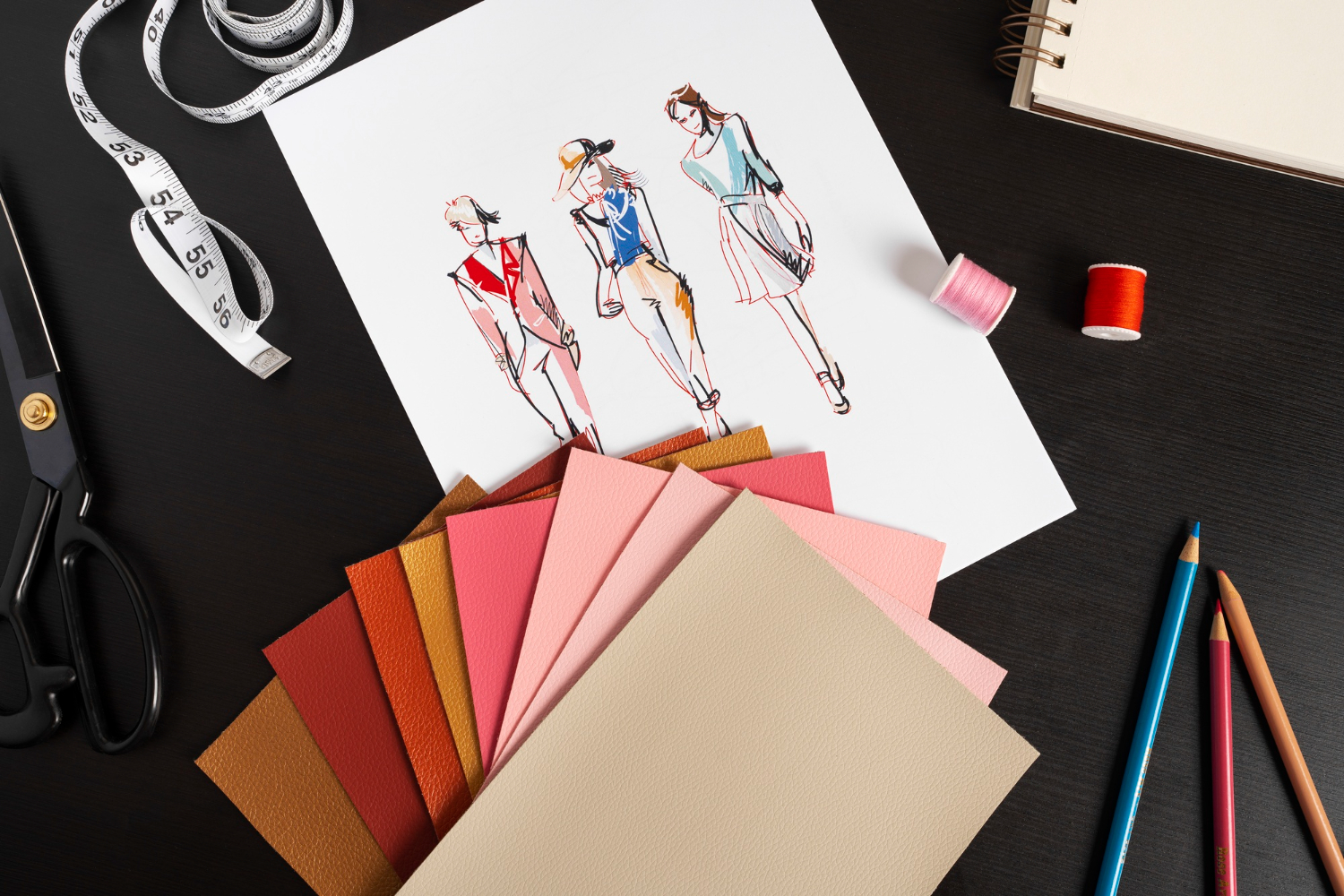
Even the most experienced designers make these mistakes – so keep an eye out for:
- Too much clutter on the board: A messy board is one that’s not inspiring, it’s confusing. Keep yourself to that 30-item limit and a palette of 5 colours.
- No clear direction: If you’re mixing too many styles you end up with a board that doesn’t really have a clear message or direction. Work out your keywords before you start gathering stuff.
- Not paying attention to scale: Placing everything on the board at the same size is not going to make it feel at all interesting – try varying the sizes to create some visual hierarchy and emphasis.
- Not getting feedback from anyone else: Share your board with someone else – whether that’s a colleague, a mentor or even just a classmate – because someone else is going to spot something you’ve missed.
- Trying to skip the refinement step: Let’s be honest – your first attempt at arranging your board is probably not going to be your best. Always go back and revise the layout a few times before you finalise anything.
Start Your Fashion Journey Today! Learn Advanced Designing & Boutique Skills with Experts!
Conclusion
A mood board is more than just a decorative thing to hang on the wall – it’s actually a real thinking tool that’s going to shape the direction of your whole fashion collection. That means it can help you turn a vague idea into a clear one – and one that’s going to be something you can easily communicate to your team, clients and collaborators.
The process is actually pretty straightforward – the tools are easy to get hold of, and the benefits are very real. Whether you’re a student working on your first project or you’re getting ready to pitch to a fashion brand, building a mood board before you start sketching is one of the best habits you can get into as a designer.
Start with a theme, gather stuff thoughtfully, arrange it with some intention and then refine until you’re happy with it. That’s when your collection really starts to come together.
Master Fashion Designing and Create Your Signature Style
Unlock your creative potential with our expert-led Fashion Designing course. Build in-demand skills and step confidently into the world of fashion!
Begin Your Fashion Career Today!Frequently Asked Questions
What's the best tool for putting together a fashion mood board in 2026?
Canva wins out for newbies – its drag-and-drop templates make it a breeze. Milanote is a great choice when you’re working with a team and your board is looking a bit more complicated.
How many bits and bobs should a mood board have?
The golden rule is to aim for 20 to 30 elements for a good balance. Too many and your board starts to feel cluttered and you lose focus.
What do you really need to include on a fashion mood board?
Think colour swatches, fabric textures, photos, lifestyle shots, typography and mood words. And make sure they all tie in with your collection’s theme – it’s all about cohesion here.
Is a mood board basically the same as a vision board?
No way – a vision board is more about personal motivation, whereas a mood board is all about getting your project’s aesthetic nailed down, as a work of art. Your mood board’s got to be theme-specific, and rooted in proper research.
Can anyone make a mood board even if they don't have any design skills?
You bet – all you need is a clear idea and a bit of a visual gathering instinct. Canva makes it super accessible for anyone
How many colours should you aim to use on a fashion mood board?
The general rule is to keep it to 5 colours. More than that and your design’s going to start to look a mess.
Can you actually use a mood board to help develop a sustainable fashion collection?
Yeah – you could feature some recycled textures, some nature-inspired designs and some earthy colour palettes. That’s going to be a top trend in 2026.
How on earth do I choose a theme for my mood board?
Start off by listing 5 or 10 words that really capture your vibe. Then, tie those to what your audience is looking for, the season or maybe your company’s philosophy. It’s all about finding that focus.
Can you use a mood board to pitch ideas to clients or brands?
Absolutely – a good mood board speaks a thousand words, and can get your concepts across a whole lot faster than blabbing on about them.
How do I know if my mood board is actually ready to be used?
If it’s got one clear theme, the layout is balanced, you’re not using too many colours, and it tells a story all on its own, then you’re good to go. No need for any further explanation.