Table of Contents
Yoga is way more than just a set of poses – it’s a holistic system that uses positioning of the body, breathing, and being fully in the moment to help with your physical, mental and emotional wellbeing. Two really important categories in yoga posture practice are prone and supine poses – though they might sound like technical jargon, getting to know them inside and out can completely transform your yoga practice, help you put together some amazing sequences, and give you the confidence to teach others even if you’re just starting out.
Key Takeaways
Before we dive into the details, here are the most important points you’ll learn in this article:
- Prone poses involve lying face down and emphasise strength, back extension, and core engagement.
- Supine poses involve lying on your back, focusing on relaxation, breath awareness, and gentle stretching.
- Both types of poses are essential for a balanced yoga practice and serve different purposes in sequencing.
- Incorporating both in the right order helps reduce injuries, improve body awareness, and deepen calm.
- Understanding these basics is critical for yoga teachers-in-training, and fully covered in programs like the Entri Yoga TTC Course.
Get Confident! Join Our Yoga Teacher Training Course!
What Are Prone Poses? (Face Down)
1: Which of these is the primary goal of yoga practice?
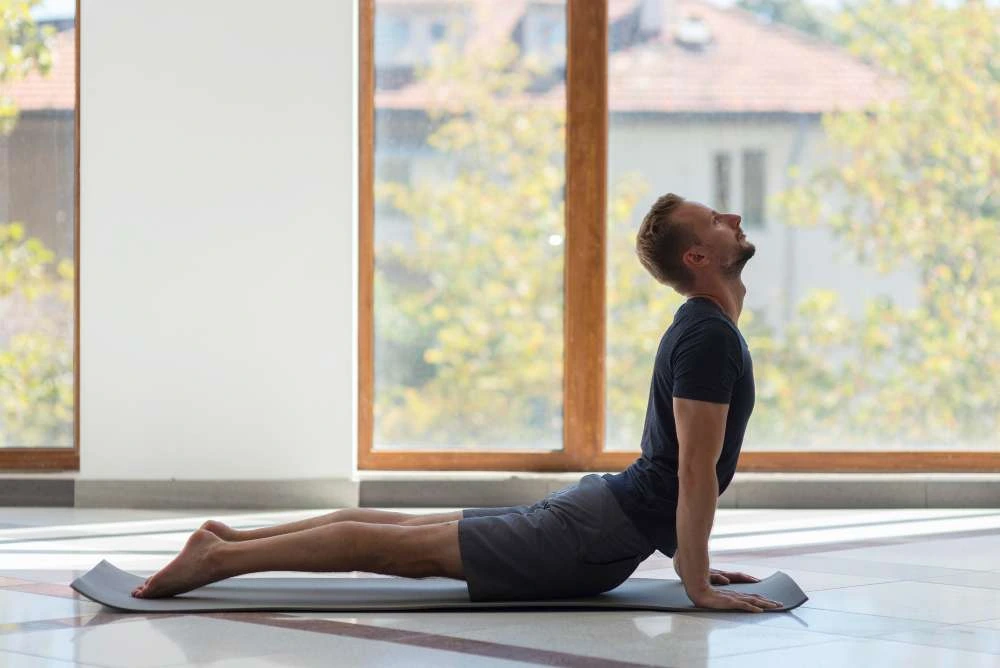
When people talk about being prone, they’re talking about any posture where you’re lying flat on your stomach with your chest pressed down into the floor. Prone poses usually require a bit more effort, engaging your back muscles, core and your extremities. These poses are typically done in the middle of a practice to build strength, stability and mobility – and to get your body feeling really strong and capable.
What Prone Poses Do For You
Because with prone poses, you’re lying on your stomach with your front body facing down:
- The spine gets a good lengthening, which is great for improving your posture and relieving pressure in your vertebrae.
- The back muscles get a workout: strengthening the erector spinae, the trapezius and other muscles in the back of your body.
- And there’s also a real connection with your breath, helping you stay present and focused on your movements.
It challenges your body in a different way to standing or seated poses, and really builds up your stamina in the muscles that run along the back of your body – an area that tends to get a bit neglected in daily life.
The Pay-Off of Prone Poses
Prone poses give you a whole mix of physical, energetic and therapeutic benefits, including:
🔹 Improved Back Strength and Posture
For most of us, we’re stuck sitting or slouching for long stretches. But prone poses can really help counteract that by strengthening your back muscles and improving your posture.
🔹 Core Activation
Even though it’s not typically thought of as a core workout, prone poses do require your core to work hard to keep your body stable.
🔹 Chest & Shoulder Openers
Lots of prone backbends are able to lift your chest up and open up your front body – which not only helps to stretch out your chest and shoulders but also improves your breathing.
🔹 Getting More Aware Of Your Body
When you practice a pose on the floor, you become way more aware of the tiny adjustments you need to make to your body to stay aligned – a skill that can really deepen your entire practice.
Prone Yoga Poses to Try
Here are some of the most common prone positions you’ll come across in classes or when you’re on your own:
🧘♂️ Bhujangasana (Cobra Pose)
A lovely backbend that strengthens your spine, opens up your chest and just makes you feel so expansive.
🐍 Salabhasana (Locust Pose)
Engage your whole back body with this one – and it’s a great way to build strength and get energized.
🐊 Makarasana (Crocodile Pose)
A restorative prone posture that supports diaphragmatic breathing and relaxation while lying on the belly.
🦋 Bhekasana (Frog‑Backbend Pose)
A deeper chest and shoulder opener done from prone position, great for improving flexibility.
Each of these poses contributes to steadiness in your practice and helps prepare the body for more advanced movements.
Become a Certified Yoga Instructor
Yoga Teacher Training Course by Entri App: Master authentic yoga techniques, earn certification, and build a successful career as a professional yoga instructor.
Join Now!🛏️ What Are Supine Yoga Poses? (Face Up)
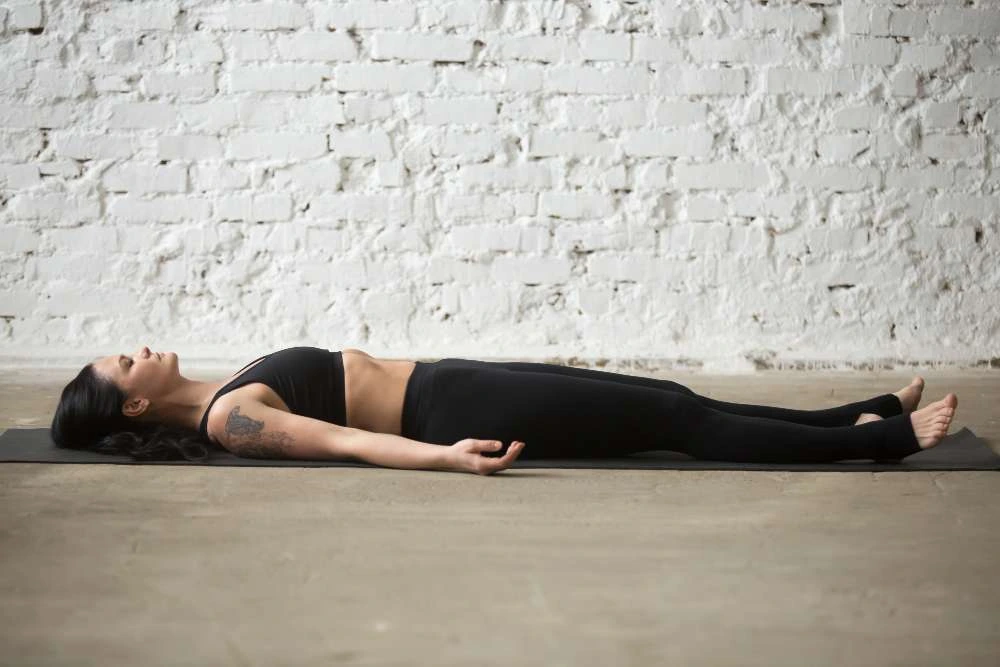
In contrast to prone positions, supine refers to any yoga pose performed while lying on your back with the face upward. Supine poses are commonly used in the cool‑down or restorative segment of a yoga session.
Because your back is supported by the floor, supine postures invite:
-
Deep relaxation
-
Improved breath awareness
-
Gentle stretching with support
This makes them ideal for beginners, people recovering from stress or injury, and anyone looking to conclude practice with peaceful integration.
The Benefits of Being on Your Back
Supine yoga poses are gentle yet packs a punch for both body and mind – and here’s what makes them so valuable:
1. Relaxation Mode Activated
Putting your body in a state of stillness and reducing the need to strain, supine postures tell your nervous system its time to chill out.
2. Getting a Feel for Your Breath
By having your chest pointing upwards naturally, you get a better sense of your breath expanding into your lungs, which is basically a top tool for dealing with stress.
3. Recovery Time & Flexibility
Supine positions let you stretch out gently without getting your muscles all fired up, which is perfect for after a tough practice or a long day.
4. Spine Aligns & Tension Released
By resting on your back you get a chance to get your spine into some balance and release some of that lower back tension that can be seriously a pain.
Supine Yoga Poses – A Few Faves
Here are some of the most popular supine yoga poses you are likely to come across:
🧘♀️ Shavasana (Corpse Pose)
This is your quintessential chill-out posture, you often get to do this one after a yoga session to soak up all the good vibes and calm your nervous system out.
🔄 Supta Matsyendrasana (Reclined Spinal Twist)
A nice twist on the back that is super easy on the muscles – great for getting some of that lower back tension out.
🌉 Setu Bandhasana (Bridge Pose)
Now this one is a bit more energetic but still done on your back, it works your back, hips and core – it’s a good one to try.
🤗 Apanasana (Knees‑to‑Chest Pose)
This is a lovely soothing posture that really eases out lower back tightness and gets your digestion going.
Each of these is a great way to wrap up your practice, and just generally calm your nervous system out and find a bit of balance.
Get Confident! Join Our Yoga Teacher Training Course!
⚖️ Prone vs. Supine: Core Differences
Understanding the difference between prone and supine poses goes beyond knowing what direction your body faces. Let’s compare them across key categories:
| Feature | Prone Poses | Supine Poses |
|---|---|---|
| Orientation | Face down | Face up |
| Energy | Active, strengthening | Relaxing, restorative |
| Focus | Back muscles, chest opening | Breath, recovery, relaxation |
| Level | Beginner to advanced | Beginner‑friendly |
| Use in Sequence | Middle to peak practice | Cool‑down or final sequence |
| Effort | Requires engagement | Gentle, supportive |
This comparison helps practitioners and teachers decide when to incorporate each type in class sequencing.
🗓️ How to Sequence Prone & Supine Poses in a Yoga Class
Sequencing poses strategically is both an art and a science. A thoughtful sequence not only deepens physical benefit but also supports mental ease and safety.
Here’s a well‑balanced structure incorporating prone and supine postures:
🔹 1. Warm‑Up (Standing & Seated Poses)
Prepare the body with gentle movements, breath work, and mild stretches.
🔹 2. Prone Series (Strength & Expansion)
Include Cobra Pose, Locust Pose, and other prone back‑extensions to build strength and open the front body.
🔹 3. Peak or Active Poses
After establishing strength and mobility, introduce peak standing poses or mild inversions.
🔹 4. Supine Series (Release & Restore)
Transition into supine, slow‑paced poses like Reclined Twist or Bridge to guide the body into relaxation.
🔹 5. Final Relaxation (Shavasana)
Close with deep stillness, letting breath settle, muscles unwind, and energy integrate.
A sequence like this supports physical readiness, nervous system balance, and a complete yoga experience from activation to repose.
Become a Certified Yoga Instructor
Yoga Teacher Training Course by Entri App: Master authentic yoga techniques, earn certification, and build a successful career as a professional yoga instructor.
Join Now!🌿 Why This Matters for Aspiring Yoga Teachers
If your goal is to teach yoga professionally, understanding the role of posture categories like prone and supine is foundational. A strong yoga teacher doesn’t just memorize poses,they know:
✅ Why a pose matters
✅ How it affects the body and breath
✅ When to introduce it in practice
✅ How to modify it for different students
These key skills are emphasized in structured teacher training programs, and one such comprehensive program is the Entri Yoga TTC Course.
🌱 What You’ll Gain in Yoga Teacher Training
The Entri Yoga Teacher Training Course goes beyond surface‑level pose lists. Here’s what you’ll learn:
-
Anatomy behind prone, supine, standing, and seated postures
-
Sequencing skills: how to build logical, safe, and transformative classes
-
Modifications for all levels: adaptability for beginners to advanced students
-
Cueing and teaching techniques: confidence in verbal guidance and adjustments
-
Philosophy, breathwork (Pranayama), and meditation: grounding your practice in holistic yoga traditions
For those serious about teaching or deepening their own practice, this training builds a strong foundation rooted in both theory and hands‑on application.
💡 Practical Tips for Practising Safely: Don’t Forget This Stuff
First things first: safety always comes first – whether you’re practicing yoga at home or learning to teach others. So here are some bits of advice that are actually worth putting into action:
🔹 1. Don’t Even Think About Prone Backbends Till You’re Warm
Jumping into deep backbends on your front without warming up your spine is just asking for a muscle strain – trust us.
🔹 2. Use Props As Often As You Need To
Blankets, blocks, or straps – these things can make a huge difference in how accessible and comfortable supine poses are.
🔹 3. Listen To What Your Body Is Telling You
And never, ever force a posture – no matter how you’re feeling. Align your movements with how you feel, and only do the yoga that feels natural. That’s what yoga is all about.
🔹 4. Pay Attention To Your Body Each Day
As you get into your practice, remember that every day is different. Don’t push past pain. Get to know your own limitations, and adjust your practice accordingly.
🔹 5. Transition Slowly And Mindfully
And when you do need to change position, don’t rush it. A sudden switch from face down to face up can be disorienting, so roll slowly and take a moment to pause and get grounded again.
These habits are pretty much essential for reducing the risk of injury and making long term progress in your practice.
Getting Yoga Right: Where Prone & Supine Posing Come Together
Now you might think you’ve got the hang of prone and supine poses – they’re pretty basic, right? But actually, the impact these poses have on your body, breath and nervous system is pretty profound. And if you understand how to use them properly, your yoga practice is going to get a whole lot smarter, more purposeful and transformative.
For most people who are just getting into yoga, this knowledge is going to give you a big boost in terms of alignment, confidence and self awareness.
For would-be teachers, it’s all about giving you the foundation you need to teach safely and effectively – from understanding anatomy to creating clear and engaging sequences.
And if you’re ready to level up, the Entri Yoga TTC Course is there to support you every step of the way – from foundational pose theory to advanced sequencing, cueing and teaching skills.
Yoga is all about mindful movement, constant learning, and compassionate teaching. So start with the basics – like really getting to grips with prone and supine – and watch your practice grow and flourish.
Become a Certified Yoga Instructor
Yoga Teacher Training Course by Entri App: Master authentic yoga techniques, earn certification, and build a successful career as a professional yoga instructor.
Join Now!Frequently Asked Questions
What are prone poses in yoga?
Prone poses are yoga asanas performed lying on the stomach, where the front of the body faces the floor. They mainly strengthen the back and spine.
What are supine poses in yoga?
Supine poses are yoga postures done lying on the back with the face facing upward. These poses promote relaxation, breath awareness, and spinal support.
What is the main difference between prone and supine poses?
The key difference is body position and gravity. Prone poses work against gravity and build strength, while supine poses use gravity for support and relaxation.
Are prone poses suitable for beginners?
Some prone poses may be challenging for beginners and should be practised with guidance, especially for people with lower back issues.
Are supine poses safe for all age groups?
Yes, most supine poses are safe and suitable for beginners, seniors, and people recovering from stress or fatigue.
Why do yoga teachers need to understand prone and supine poses?
Understanding these pose categories helps teachers plan safe sequences, give correct cues, and prevent injuries in students.
How are prone and supine poses taught in Yoga TTC courses?
In Yoga TTC courses, these poses are taught with anatomy, alignment principles, therapeutic uses, and teaching methodology.
Can supine poses help reduce stress and anxiety?
Yes, supine poses calm the nervous system and are highly effective for stress relief, relaxation, and mindfulness practices.
Is learning pose classification important for becoming a yoga teacher?
Yes, pose classification like prone and supine forms the foundation of safe teaching, intelligent sequencing, and professional yoga instruction.