Table of Contents
Samsung is negotiating with customers for a DRAM price increase of up to 20% in Q3 2026, and LPDDR memory used in smartphones could climb even higher.
This is the third consecutive quarter of steep increases, following a roughly 90% jump in Q1 and a 50% to 60% surge in Q2, on top of a base that has already more than doubled since late 2025.
If you’re planning to buy a new laptop, upgrade your PC’s RAM, or pick up a new phone anytime soon, this isn’t a distant industry story. It’s a price hike headed straight for your shopping cart.
Kickstart Your Embedded Systems Career and Turn Your Tech Passion into High-Demand Skills!
Key Takeaways
- Samsung targets up to 20% DRAM ASP hike for Q3 2026, whereas LPDDR may rise more.
- Third consecutive quarterly increase (≈90% Q1, 50–60% Q2).
- TrendForce: market-wide rise ~13% to 18% as demand softens.
- 32GB DDR5 kit floor rose from <$120 to ≈$375.
- AI data centers are eating DRAM/NAND capacity, tightening supply.
- Gartner: DRAM+SSD costs +130% by end‑2026; PCs +17%, phones +13%.
- Memory now ~35% of PC BOM at HP (was 15% to 18%).
Samsung’s RAM Price Trajectory: Q4 2025 to Q3 2026
| Quarter | Memory Type | Price Change (QoQ) | What it Looked Like in Practice |
| Q4 2025 | Commodity DRAM | Baseline | 32GB DDR5 kits widely available under $120 |
| Q1 2026 | Commodity DRAM | ~90% | Sharpest single-quarter jump on record |
| Q2 2026 | Commodity DRAM | ~50–60% | Compounded on an already-inflated base |
| Q3 2026 (proposed) | Commodity DRAM | Up to 20% (Samsung’s ask); 13–18% forecast by TrendForce | Retail 32GB DDR5 kits already near $375 floor |
| Q3 2026 (proposed) | LPDDR (mobile) | Potentially above 20% | Steepest hikes concentrated in phone and thin-laptop memory |
“Commodity DRAM” is the standard memory used in everyday PCs, laptops, and budget devices, as opposed to the specialised High Bandwidth Memory (HBM) built for AI servers.
The Q3 figure is still a negotiating target, so what lands on store shelves will depend on region, brand, and buyer resistance.
LPDDR, the memory packed into smartphones and ultra-thin laptops, is under the tightest squeeze of all, caught between server, mobile, and AI-phone demand simultaneously.
Master Embedded Systems Programming!
Launch your tech career with our Embedded Systems Course, designed for hands-on learning and industry readiness.
Know MoreWhy Samsung Keeps Raising RAM Prices
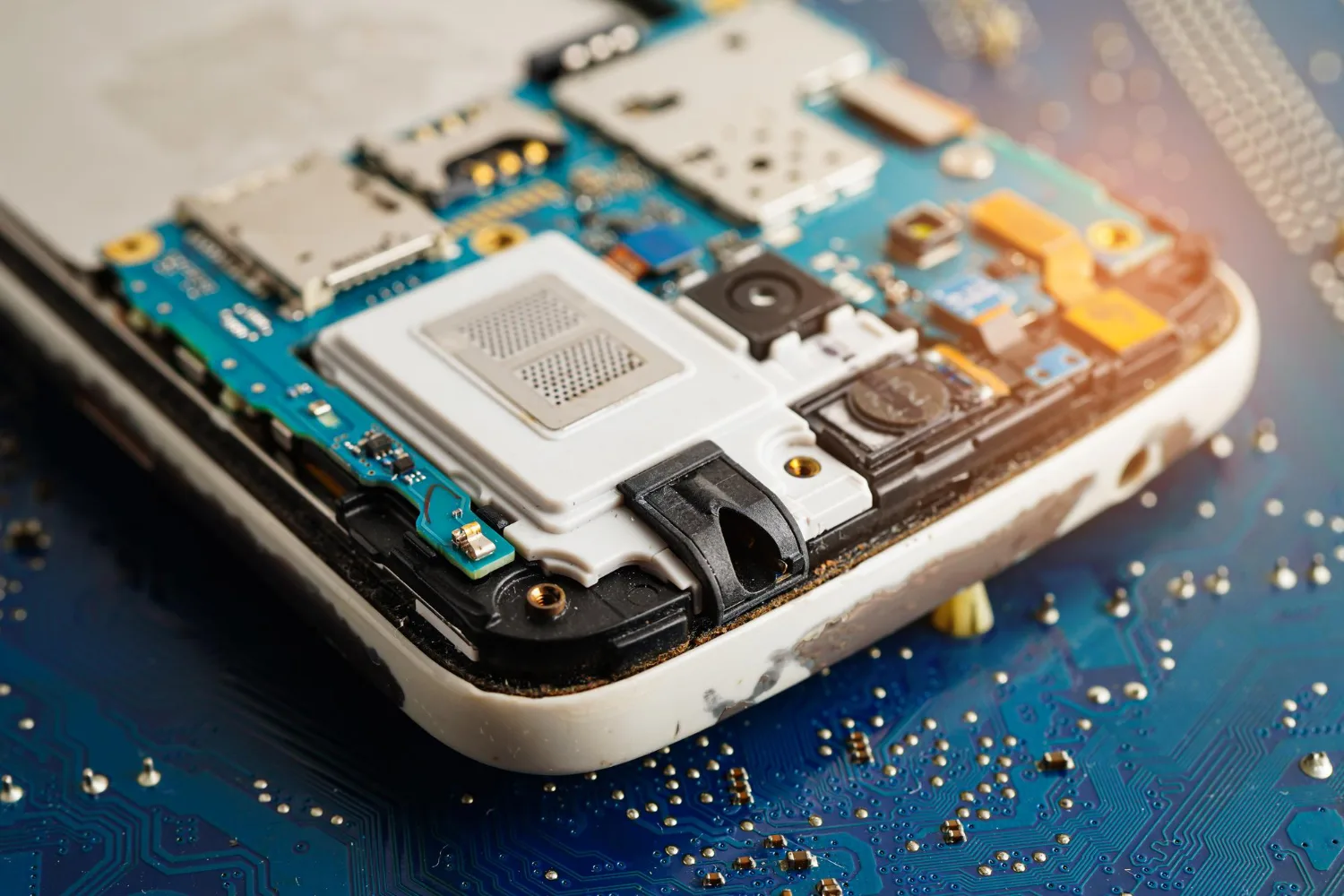
AI demand is the real driver
Data centers now absorb a disproportionate share of global memory production. AI workloads account for around 20% of global DRAM wafer capacity in 2026, and HBM is roughly three times less wafer-efficient than ordinary DRAM per gigabyte.
Every wafer redirected to HBM is one less wafer making the RAM stick in your laptop.
Capacity is being deliberately reshuffled
When Samsung ramped HBM4 production earlier in 2026, it pulled manufacturing lines away from commodity DDR5, tightening supply right when PC and phone makers were trying to stock up.
Margins matter more than volume
An HBM module can sell for roughly $60 to $100, compared with $5 to $10 for an equivalent amount of standard DDR5. Faced with that gap, memory makers prioritize the higher-margin product, pushing ordinary consumer RAM to the back of the queue.
Who Feels the Pinch, and How Much
| Buyer Segment | What’s Affected | Likely Impact if the Full Hike Lands |
| Laptop and PC buyers | New device pricing, RAM upgrades at purchase | Device prices up roughly 15–20%, per Gartner-style estimates |
| Smartphone buyers | Mid-range and flagship Android devices | Retail prices up an estimated 3% to 13%, with LPDDR-heavy models hit hardest |
| DIY PC builders/upgraders | Standalone RAM modules and kits | Direct module costs up 15% to 25%, since there’s no blended device price to soften the blow |
| Small businesses and startups | Workstations, entry-level servers | Memory-heavy procurement costs up 10% to 25% |
| Budget device buyers | Entry-level laptops and phones | Fewer affordable SKUs, as manufacturers quietly trim configurations instead of visibly raising sticker prices |
Whole-device price hikes look smaller than component-level hikes because memory is only one line item in a laptop or phone’s total cost, though that line item is growing fast:
HP reports memory now makes up 35% of its PC bill of materials, up from 15% to 18% just a quarter earlier.
DIY upgraders don’t get that cushion. They pay the module price directly, which is why a $375 RAM kit stings more than a laptop price tag that’s crept up by a few percent.
Practical Steps for Tech Buyers Right Now

-
Buy sooner if you genuinely need the device
If a purchase is already on your calendar, waiting for Q3 negotiations to settle is unlikely to save you money.
-
Delay non-essential RAM upgrades
If your current setup still works, it’s worth waiting to see whether supply agreements ease quarterly swings later in 2026.
-
Consider a leaner configuration now, upgrade later
A lower RAM tier paired with a stronger processor is a reasonable compromise if your motherboard supports adding memory down the line.
-
Compare across manufacturers
SK Hynix has moved less aggressively than Samsung, and Micron’s long-term agreements may offer more price stability for bulk buyers.
-
Lock in multi-quarter procurement for business needs
Businesses can benefit from negotiating supply agreements before Q3 rates are fully finalized.
Master Embedded Systems Programming!
Launch your tech career with our Embedded Systems Course, designed for hands-on learning and industry readiness.
Know MoreWill Prices Keep Rising after Q3 2026?
Most analysts expect tight supply to persist into 2027, not ease. Samsung and SK Hynix have committed roughly $518 billion combined toward new fabrication plants, but new facilities take years to reach full production, so this offers no near-term relief.
Micron has already signed 16 long-term supply agreements, a sign major buyers expect the squeeze to last. At the same time, the Q3 numbers aren’t guaranteed to land at Samsung’s full task. TrendForce points to softening consumer demand and a higher year-ago comparison base as reasons the real-world increase may settle closer to 13% to 18%.
Gartner projects an 11% drop in smartphone shipments and a 10.4% drop in PC shipments in 2026, as rising prices finally start to dent demand. If enough buyers hold off on upgrades, that resistance could be the biggest check on how far this cycle runs.
Kickstart Your Embedded Systems Career and Turn Your Tech Passion into High-Demand Skills!
Conclusion
The possible 20% DRAM price hike marks a much larger shift in the future. Memory storage has become one of the most expensive as well as unpredictable parts of any sort of tech purchase.
While buying a laptop or a new phone, and upgrading a PC, the smartest thing to do right now is to make the purchase based on your genuine need. Do not try to time a market bottom that most analysts do not expect to arrive this year.
Keep track of the multi-quarter pricing trends and compare across brands while treating memory costs as a line item worth checking. Do this before finalizing any tech purchase before 2027.
|
RELATED POSTS |
|
|
Embedded Systems vs Robotics: Which Career Path Is Better for You? |
|
Master Embedded Systems Programming!
Launch your tech career with our Embedded Systems Course, designed for hands-on learning and industry readiness.
Know MoreFrequently Asked Questions
Why is Samsung raising RAM prices in Q3 2026?
Samsung is raising prices because AI data centers are absorbing a growing share of global memory production, leaving less capacity for everyday PC and phone RAM. This is the third straight quarter Samsung has pushed for a significant increase.
How much will RAM prices increase in Q3 2026?
Samsung is seeking up to a 20% increase in DRAM average selling prices, with LPDDR potentially rising even higher. TrendForce, however, forecasts the actual market-wide increase will likely land between 13% and 18%.
Should I buy a new laptop now or wait for prices to drop?
Most analysts don’t expect meaningful price relief before 2027, so waiting is unlikely to save money if you need a device soon. If your purchase isn’t urgent, it may still be worth monitoring pricing over the next few months.
Why is AI demand affecting RAM prices?
AI servers require High Bandwidth Memory (HBM), which uses roughly three times more wafer capacity per gigabyte than standard DRAM. Manufacturers are redirecting production toward HBM because of its higher margins, which tightens supply for consumer memory.
Will smartphone prices go up because of this?
Yes, manufacturers are expected to pass on higher LPDDR costs, and some analysts project average smartphone prices could rise by around 13% in 2026. This could also contribute to a decline in overall smartphone shipments.
Is DDR4 memory a cheaper alternative right now?
DDR4 has also seen sharp price increases, so it isn’t a reliable low-cost fallback anymore. Manufacturers are also phasing it out rather than keeping it as a budget option.
How does this affect small businesses buying computers?
Businesses purchasing workstations or servers could see memory costs rise 10–25%, depending on configuration. Negotiating multi-quarter supply agreements early may help manage costs.
Is this price hike confirmed or still being negotiated?
As of early July 2026, the 20% figure is a target that Samsung is negotiating with customers, not a finalized rate. Actual retail impact will vary depending on how much of the increase manufacturers absorb versus pass on.