Table of Contents
These 7 mudras, when practised the right way, can help you fall asleep faster with an improved sleep quality naturally without medication. This is backed by science with its roots in traditional yoga and Ayurvedic healing systems. This includes hand mudras that stimulate energy pathways in the body, regulating the nervous system. Not just that, it encourages natural melatonin production that helps people who struggle with anxiety, stress or any irregular sleep schedules.
Want to Step Up? Join our Yoga Instructor Course Online!
Key Takeaways
- Mudras are basically just simple hand gestures you can do in yoga or meditation to keep your body’s energy in balance.
- Doing them 10 or 15 minutes before bed can be really helpful in calming your nervous system down.
- Certain mudras can actually help reduce your stress levels by reducing the amount of cortisol in your body, and also give you a boost of melatonin to help you sleep better.
- Best of all, mudras are free, easy to learn, and you can do them just about anywhere – way better than taking sleeping pills.
- If you stick with it, regular practice may even help you stop waking up in the middle of the night, with racing thoughts, or taking a long time to drift off to sleep.
- To get the most out of them it really helps to combine mudras with some deep breathing and meditation – the more you do all of this together, the better the results.
- Most people who practice mudras regularly will start to see some real improvements in their sleep after 3 to 4 weeks.
Introduction
1: Which of these is the primary goal of yoga practice?
Sleep problems are common among modern students, professionals and especially shift workers. Studies have shown that in people with insomnia, doing mudras on a regular basis can make a big difference in sleep quality , with a 35% improvement after just four weeks. quite remarkably, over 78% of the people in this study said they had fewer wake-ups in the middle of the night.
Sleep problems are becoming a real issue for a lot of people – especially people with high-pressure jobs, students who have to pull all-nighters, and folks who work non-traditional hours. So yeah, it’s a pretty good idea to bring some simple hand mudras into your night-time routine – it can really help to calm your mind and get your body all relaxed and ready for a good night’s sleep.
Become a Certified Yoga Instructor
Yoga Teacher Training Course by Entri App: Master authentic yoga techniques, earn certification, and build a successful career as a professional yoga instructor.
Join Now!Why Yoga Mudras Work for Insomnia Relief
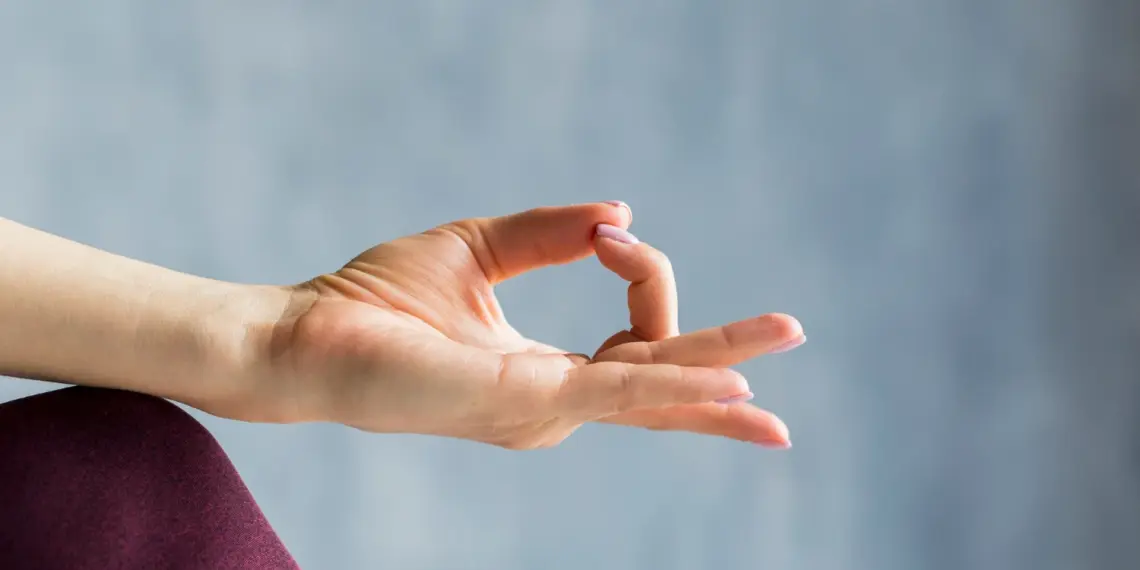
Yoga mudras work by channelling prana (life energy) through subtle energy pathways in the body. This helps balance the nervous system and reduce mental agitation, which is one of the main causes of insomnia.
| Benefit | How It Helps Sleep | Supporting Evidence |
| Reduces cortisol | Calms stress and anxiety | Ayurvedic research review (2024) |
| Boosts melatonin | Improves deep sleep cycles | Clinical sleep studies |
| Balances doshas | Especially helpful for Vata imbalance | Yoga therapy reports |
| Relaxes nervous system | Activates parasympathetic response | Meditation and mudra studies |
These factors make mudras particularly significant for those with stress-induced insomnia or overthinking during bedtime.
How to Practice Yoga Mudras for Best Results
Follow these simple steps before starting your mudra practice:
- Sit comfortably on your bed or on a yoga mat.
- Keep your spine straight and shoulders relaxed.
- Hold each mudra for 5 to 15 minutes while breathing slowly.
- Practice daily before bedtime for the best results.
- Maintain gentle awareness of breath to deepen relaxation.
The 7 Yogra Mudras
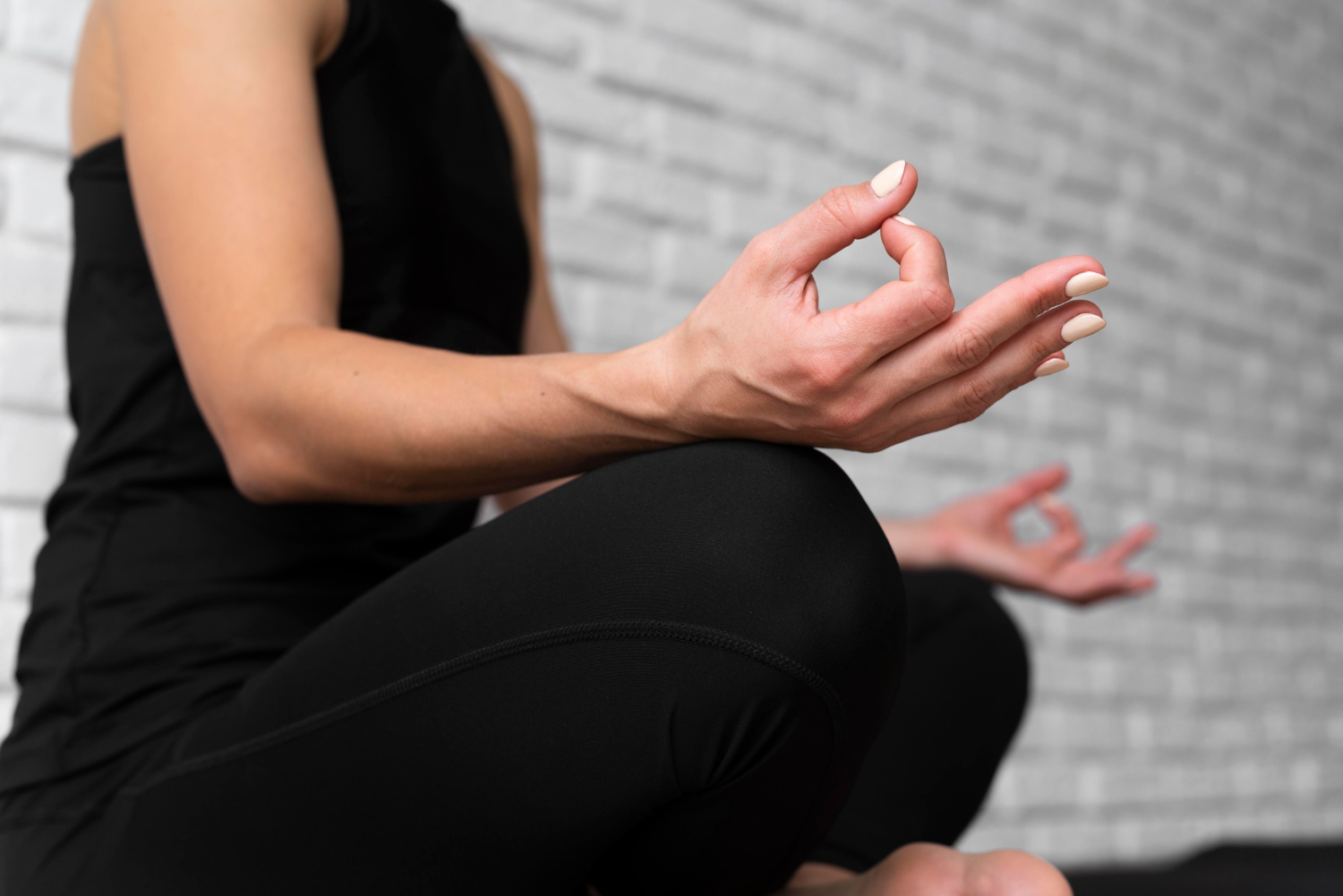
1. Shakti Mudra
Shakti Mudra is the one that brings instant calm for racing thoughts. It helps calm the mind and reduce anxiety-driven insomnia when practiced for about 15 minutes before sleep. This mudra activates the parasympathetic nervous system, which helps the body relax and prepare for sleep. Research has found participants practicing Shakti Mudra fell asleep 20 minutes faster on average.
How to Perform Shakti Mudra
| Step | Action | Duration |
| 1 | Touch thumbs together | 2 minutes |
| 2 | Fold index, middle, and ring fingers inward | 5 minutes |
| 3 | Press little fingers together | 8 minutes |
Benefits
| Key Benefit | Effect on Sleep |
| Reduces heart rate | Helps body enter sleep mode |
| Calms mental chatter | Improves sleep onset |
| Relieves anxiety | Supports deeper relaxation |
2. Prana Mudra
Prana Mudra has a pretty energising effect on the body and a soothing effect on the mind. Practicing it for 10 minutes each day can help you get your energy levels back in balance and get your body ready for some deep sleep. This mudra gives a bit of a boost to the life force energy in your body which helps fight off fatigue and stress.
A yoga therapy trial showed that 28% of people who practiced regularly fell asleep a good 28% faster.
Practice Guide
| Finger Position | Purpose | Breathing |
| Thumb + ring finger + little finger | Activates vitality | Slow deep breathing |
3. Uttara Mudra
Uttara Mudra is all about releasing physical tension. It promotes uninterrupted sleep when you do it for about 10 to 12 minutes. I know a lot of people experience insomnia because of all the tension they’re holding in their lower back and stomach. Studies on yoga therapy have shown that after regular practice you can see a near 40% improvement in your sleep efficiency.
Tension Relief Benefits
| Tension Area | Mudra Effect |
| Lower back | Reduces stiffness |
| Shoulders | Encourages relaxation |
| Abdomen | Supports calm breathing |
4. Matangi Mudra
Matangi Mudra is a bit of a lifesaver when it comes to dealing with stress and anxiety. It helps give you a detox for all the mental stress that can keep you up at night and promotes some serious emotional balance before bed time. This mudra is thought to purify the energy channels in your body and keep your emotions from getting the better of you. One survey found that 3/4 of yoga practitioners reported having fewer night-time wake-ups after using Matangi Mudra.
Practice Stages
| Stage | Focus | Time |
| 1 | Deep breathing | 3 minutes |
| 2 | Hold mudra and relax | 7 minutes |
5. Gyan Mudra
Gyan Mudra is mostly just there to calm your mind down. If you practice it for 15 minutes a day you should be able to reduce all that overthinking and mental stress that keeps you awake at night. This mudra is super common in meditation and mindfulness practices. Some neuroscience studies have found that using Gyan Mudra in meditation can actually increase the alpha brain waves you get when you’re relaxed.
Brainwave Impact
| Brain Wave | Effect |
| Alpha waves | Increased relaxation |
| Beta waves | Reduced mental activity |
6. Apan Mudra
Apan Mudra can be a game-changer for people who just have too much energy at night. It helps you ground all that excess energy and relax, which is perfect for people who have trouble sleeping because they’re always on the go. In Ayurvedic philosophy this mudra helps balance out the Vata dosha, which can make you feel restless and keep you awake. Some yoga therapy observations have shown that people who practice Apan Mudra regularly actually get better REM sleep.
Grounding Benefits
| Symptom | Relief |
| Restlessness | Reduced significantly |
| Anxiety | Promotes calmness |
| Digestive discomfort | Supports relaxation |
7. Shankh Mudra: Restore Sleep Rhythm
Shankh Mudra is all about getting your sleep rhythm back to normal. It does this by harmonizing your breathing and mental vibrations – which basically just encourages your body to fall into a natural sleep rhythm. The shape of the mudra is meant to resemble a conch shell, and it’s thought to create this calming vibrational resonance. Plenty of yoga practitioners have reported having longer and deeper sleep cycles after sticking to a consistent practice.
Vibrational Effects
| Frequency Effect | Sleep Benefit |
| Calming resonance | Supports deep sleep |
| Balanced breathing | Improves sleep cycles |
Become a Certified Yoga Instructor
Yoga Teacher Training Course by Entri App: Master authentic yoga techniques, earn certification, and build a successful career as a professional yoga instructor.
Join Now!Yoga Mudras vs Sleeping Pills
| Aspect | Yoga Mudras | Sleeping Pills |
| Side Effects | None | Possible dependency |
| Cost | Free | Expensive |
| Long-term benefit | Sustainable | Temporary relief |
| Natural healing | Yes | No |
Mudras provide holistic and long-term sleep support, whereas medications usually treat symptoms temporarily.
Final Tips to Build a Sleep Mudra Routine
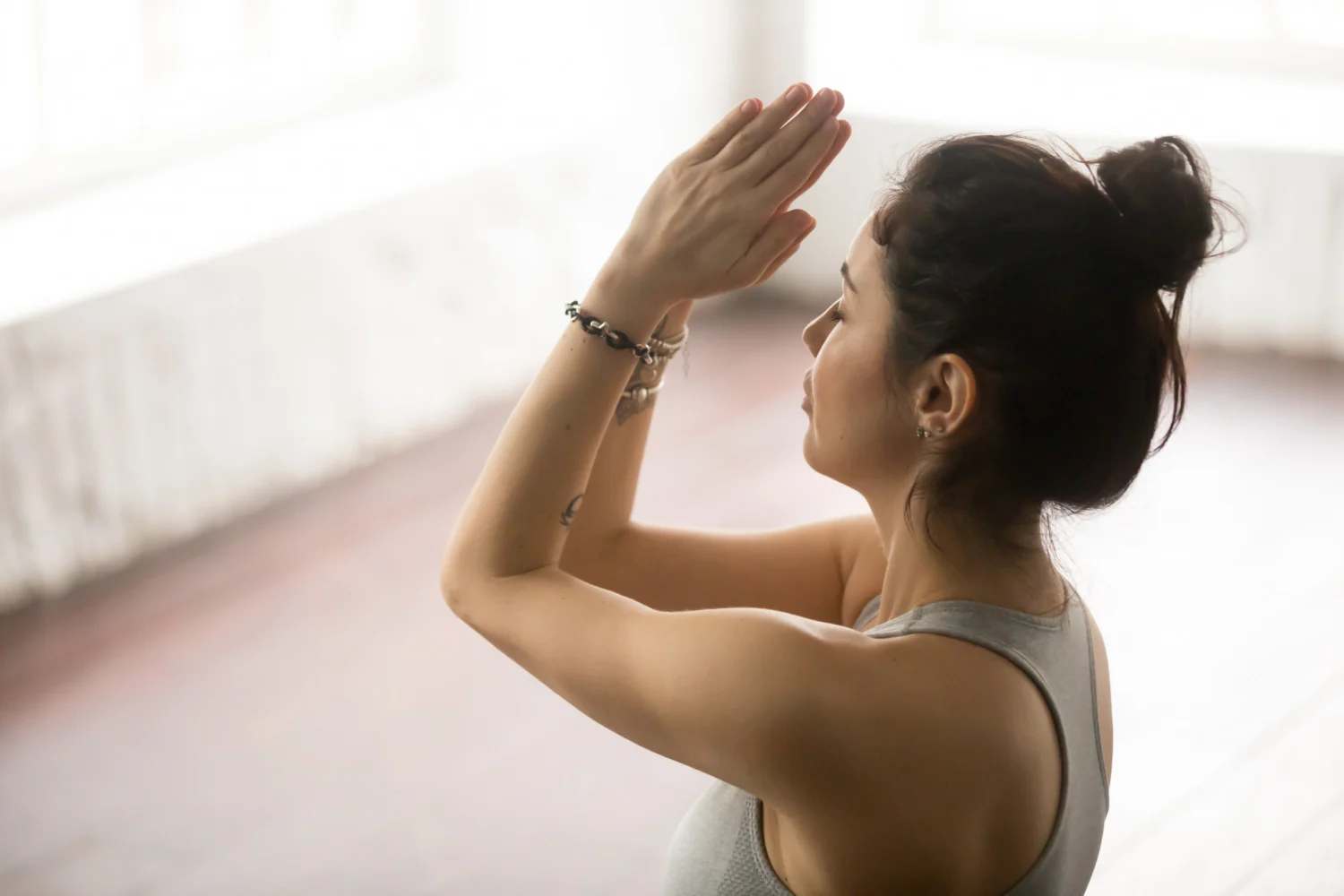
To get the best results from yoga mudras:
- Practice 2 to 3 mudras before bedtime.
- Maintain slow, rhythmic breathing during practice.
- Combine mudras with meditation or light stretching.
- Avoid screens at least 30 minutes before sleep.
- Maintain a consistent sleep schedule.
With regular practice, these mudras can help you experience calm nights and restorative sleep naturally.
Want to Step Up? Join our Yoga Instructor Course Online!
Conclusion
Yoga Mudras – a quiet, side effect free way to get your nights back on track, especially if its stress, anxiety, or a nagging brain that’s keeping you tossing and turning at night. By taking just 10-15 minutes to get a bit more familiar with hand gestures like Shakti, Gyan and Prana Mudra, you can calm that nervous system, support your body’s natural melatonin production & train your body to sleep deeper and more restfully over the course of just a few weeks of regular practice.
The beauty of these 7 mudras lies in just how easy they are to slip into your bedtime routine. No expensive gear, no medication – just your hands & your breath. You can pair them with some slow, deep breathing, a bit less screen time, and a regular sleep schedule, and before you know it they can become a trusted daily tool to help banish insomnia, cut down those dreaded middle of the night wake-ups, and wake up feeling actually rested in the morning.
Just one more thing to keep in mind: if you’re struggling with chronic or severe insomnia then do use mudras as a part of your treatment plan, but also be sure to get some professional medical advice along the way. But if you’re trying to move away from restless nights & toward more peaceful, more restful sleep, then get started with 2 or 3 of these mudras tonight, and let your hands help guide your body and mind towards a deep, natural rest.
Become a Certified Yoga Instructor
Yoga Teacher Training Course by Entri App: Master authentic yoga techniques, earn certification, and build a successful career as a professional yoga instructor.
Join Now!Frequently Asked Questions
Do yoga mudras Really help cure insomnia?
They may well be a gamechanger for sleep quality by what they do to reduce stress levels, calm the nerves and just generally make you feel more chilled out.
How long should you spend practicing mudras for sleep?
Typically you’re looking at about 10 to 15 minutes a night, right before you go to bed.
Which mudra is best for keeping insomnia at bay?
Shakti Mudra and Gyan Mudra are probably the best bets if you’re struggling with anxiety and trouble sleeping.
Can you practice multiple mudras at the same time?
Absolutely – mixing & matching a few can really boost the benefits. Just try doing 2 or 3 in a row to see how it goes.
What's the best time to practice mudras for sleep?
The ideal time is just before you go to bed in a quiet, peaceful spot.
Do mudras do more than just help with sleep?
Yeah they do. They can actually help improve your overall sense of well being – think less stress, clearer thinking and a more balanced emotional state.
How soon can I expect to see some results from mudras?
Some people swear by the immediate benefits but for most of us, it takes 2 or 4 weeks of regular practice before we start to notice any real difference.
Is it safe to do mudras every day?
Mudras are pretty safe to do daily and have no known risks – just a couple of quick minutes a day.
Can mudras really replace sleeping pills?
Mudras can help but shouldn’t be used on their own without checking in with a doctor first.
Can mudras help with all sorts of anxiety and insomnia - not just the occasional bad night?
Yes they can. Shakti and Gyan mudra are especially good for people who have trouble winding down due to anxious thoughts.