Table of Contents
Adaptive yoga is a gentle yoga. It makes yoga accessible to all. Traditional poses change when needed. Every practice matches individual abilities. Comfort always comes first. Safety remains the main focus. Chairs, blocks, and straps provide support. Blankets and bolsters improve comfort. Every movement feels manageable.
The goal is steady progress. This yoga improves flexibility. It also provides strength. It gives balance as well All ages can participate. Beginners can start safely. Qualified teachers give guidance.
Join the best online yoga teacher training program of 2026! Register in Entri Elevate now!
Who Can Practise Adaptive Yoga?
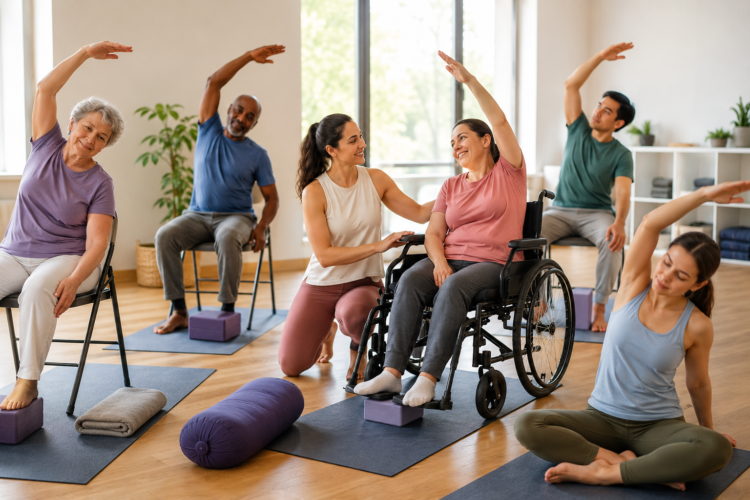
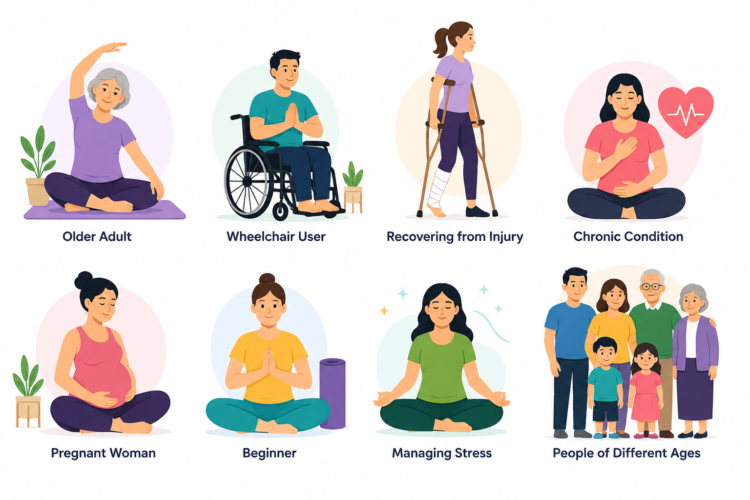
Adaptive yoga welcomes everyone. Every class respects individual abilities. The practice changes for each person. No previous yoga experience is required. Every movement stays comfortable. The goal is safe participation. Progress happens gradually. Every person practises at their own pace.
Older Adults
Many older adults enjoy adaptive yoga.
It helps:
- Improve flexibility.
- Build gentle strength.
- Improve balance.
- Reduce stiffness.
- Support joint movement.
- Improve posture.
- Increase confidence.
- Make daily tasks easier.
Movements remain slow and controlled.
People with Physical Disabilities
Adaptive yoga supports different abilities.
It may help people with:
- Limited mobility.
- Limb differences.
- Paralysis.
- Muscle weakness.
- Balance challenges.
- Wheelchair use.
- Reduced coordination.
Every pose changes when needed.
Supportive equipment improves comfort.
People with Joint Problems
Joint pain limits movement.
Adaptive yoga reduces strain.
It may benefit people with:
- Arthritis.
- Knee pain.
- Hip discomfort.
- Shoulder stiffness.
- Back pain.
- Joint inflammation.
Mild stretching improve movement.
Regular practice reduce stiffness.
People with Long-Term Health Conditions
Some health conditions affect movement.
Adaptive yoga offers gentle exercise.
It may support people with:
- Diabetes.
- Heart conditions.
- Parkinson’s.
- Sclerosis.
- Fibromyalgia.
- Fatigue.
Always seek medical advice first.
Every class follows personal abilities.
People Recovering from Injuries
Recovery takes time.
Movement should remain gentle.
Adaptive yoga may help after:
- Sports injuries.
- Muscle strains.
- Joint injuries.
- Fractures.
- Surgery recovery.
Always begin with approval.
Avoid painful movements.
Progress slowly every session.
People with Neurological Conditions
Some conditions affect coordination.
Others affect balance.
Adaptive yoga improves body awareness.
It may help people with:
- Stroke recovery.
- Cerebral palsy.
- Balance disorders.
- Nerve conditions.
- Coordination difficulties.
Every practice follows individual needs.
People Living with Chronic Pain
Pain limits activity.
It encourages mild movements.
It may help reduce:
- Muscle tightness.
- Body stiffness.
- Joint discomfort.
- Daily tension.
Comfort remains the priority.
People Recovering from Medical Treatments
Some treatments reduce energy.
Adaptive yoga offers gentle activity.
It may benefit people recovering from:
- Cancer treatment.
- Long illnesses.
- Hospital stays.
Always follow medical advice.
Move only within comfort.
Pregnant Women
Pregnant women enjoy adaptive yoga.
Gentle movements improve comfort.
The practice may help:
- Get better posture.
- Reduce stiffness.
- In relaxation.
- Support breathing.
Always consult a doctor first.
Choose pregnancy-safe classes.
Beginners
Adaptive yoga welcomes beginners.
No flexibility is needed.
No experience is required.
Beginners learn:
- Basic breathing.
- Gentle stretches.
- Safe movements.
- Proper posture.
- Body awareness.
Confidence grows with practice.
People Experiencing Stress
Stress disturbs body & mind.
Adaptive yoga helps one relax.
It helps:
- Calm the mind.
- Relax muscles.
- Improve focus.
- Reduce tension.
- Support better breathing.
One feel refreshed afterwards.
People of All Ages
- It suits all ages.
- Children can participate safely.
- Adults improve daily movement.
- Older adults gain better mobility.
- Every class feels different.
- Every person receives suitable support.
Adaptive Yoga Techniques and Modifications
1: Which of these is the primary goal of yoga practice?
It changes traditional poses. Every modification improves comfort. Safe movement remains the goal. Instructors adjust every pose. Everyone practises within personal abilities.
Chair Yoga
Many adaptive classes use chairs.
Chairs provide:
- Better balance.
- Extra support.
- Greater stability.
- Easier movement.
- Safer standing poses.
Many difficult poses become easier.
Yoga Props
Props support the body.
Common props include:
- Yoga blocks.
- Bolsters.
- Blankets.
- Straps.
- Cushions.
Props improve comfort.
They also reduce strain.
Modified Standing Poses
Standing poses change easily.
The instructor may:
- Shorten the stance.
- Reduce movement.
- Add chair support.
- Use wall support.
- Improve body alignment.
Balance becomes easier.
Seated Yoga
Many poses happen while sitting.
Seated yoga helps:
- Improve posture.
- Stretch safely.
- Build flexibility.
- Reduce fatigue.
- Improve mobility.
It suits many abilities.
Gentle Floor Poses
Some people practise on the floor.
Soft props improve comfort.
These poses help:
- Relax muscles.
- Build strength.
- Improve flexibility.
- Increase movement.
Every movement stays gentle.
Wall Support
Walls improve stability.
Wall support helps:
- Improve balance.
- Build confidence.
- Prevent falls.
- Support standing poses.
Many beginners prefer wall support.
Breathing Exercises
These exercises help in:
- Relaxation.
- Increase focus.
- Reduce stress.
- Movement.
- Calming nervous system.
Slow breathing feels natural.
Assisted Movements
Some people need extra support.
Instructors may help with:
- Gentle stretching.
- Safe positioning.
- Controlled movement.
- Better alignment.
Support improves confidence.
Range of Motion Adjustments
Not every pose needs full movement.
Instructors may:
- Shorten movements.
- Reduce stretching.
- Change body position.
- Increase comfort.
Every movement feels manageable.
Relaxation Techniques
Every class ends calmly.
Common techniques include:
- Deep breathing.
- Guided relaxation.
- Gentle meditation.
- Mindfulness practice.
These techniques relax the body.
They also calm the mind.
Why Modifications Matter
- Modifications make yoga accessible.
- They reduce injury risks.
- They improve confidence.
- Modification encourages independence.
- It supports regular practice.
- Everyone deserves comfortable movement.
- Adaptive yoga focuses on ability, not limitation.
Become a Certified Yoga Instructor
Yoga Teacher Training Course by Entri App: Master authentic yoga techniques, earn certification, and build a successful career as a professional yoga instructor.
Join Now!Benefits of Adaptive Yoga
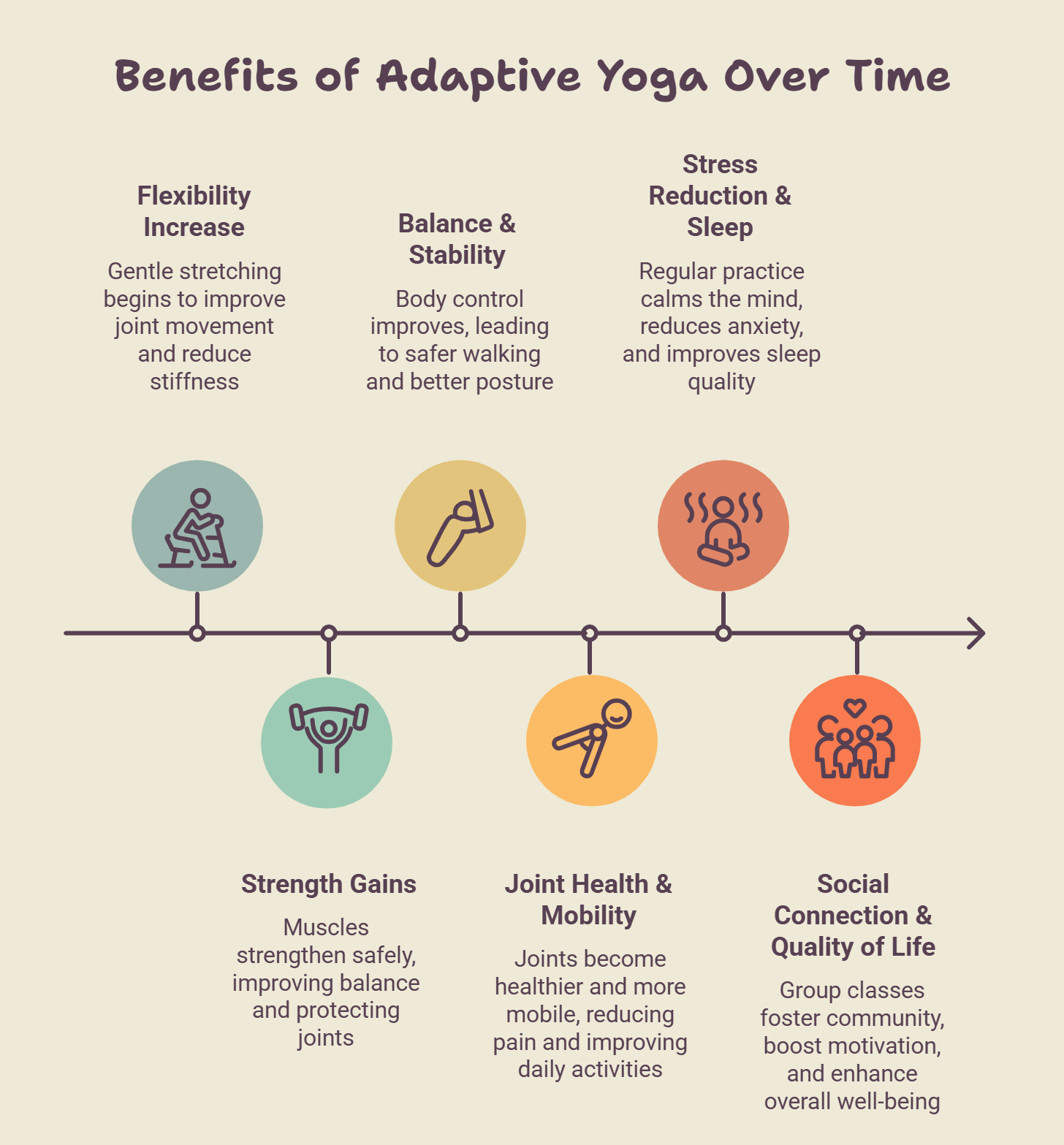
It supports overall well-being. It benefits body and the mind. Every movement matches individual abilities. The practice feels safe and comfortable. Regular sessions improve daily living. Small improvements give lasting results.
Improves Flexibility
Gentle stretching increases flexibility.
It helps:
- Stretch tight muscles.
- Improve joint movement.
- Increase body mobility.
- Reduce stiffness.
- Support better posture.
Greater flexibility improves comfort.
Daily movements become easier.
Simple tasks require less effort.
Progress happens gradually.
Builds Strength Safely
Adaptive yoga strengthens muscles gently.
It improves:
- Arm strength.
- Leg strength.
- Core stability.
- Back muscles.
- Shoulder support.
Strong muscles improve balance.
They also protect joints.
Daily activities become easier.
Strength increases without strain.
Improves Balance and Stability
Good balance prevents falls.
Adaptive yoga improves body control.
Benefits include:
- Better coordination.
- Improved stability.
- Safer walking.
- Stronger posture.
- Better movement confidence.
Chair support increases safety.
Wall support improves stability.
Balance develops over time.
Supports Joint Health
Mild movement protects joints.
It reduces pressure.
This benefits:
- Knees.
- Hips.
- Ankles.
- Shoulders.
- Spine.
It reduces stiffness.
Joint mobility improves.
It leads to Pain-free movement.
Encourages Better Posture
It improves alignment.
It helps:
- Straighten the spine.
- Relax shoulders.
- Strengthen back muscles.
- Open the chest.
- Improve standing posture.
Good posture reduces body strain.
It also improves breathing.
Increases Daily Mobility
Simple movements become easier.
Adaptive yoga supports:
- Walking.
- Standing.
- Sitting.
- Reaching.
- Bending.
- Climbing stairs.
Daily independence improves gradually.
Movement feels more natural.
Supports Heart and Circulation
Gentle exercise benefits circulation.
Regular movement may:
- Improve blood flow.
- Increase stamina.
- Support heart health.
- Boost energy.
- Reduce inactivity.
Always follow medical advice.
Exercise should remain comfortable.
Improves Breathing
Breathing guides every practice.
Controlled breathing helps:
- Relax muscles.
- Increase oxygen intake.
- Improve concentration.
- Reduce tension.
- Support movement.
Breathing becomes slower.
Relaxation improves naturally.
Reduces Stress and Anxiety
Stress affects overall health.
Adaptive yoga encourages calmness.
It helps:
- Relax the mind.
- Reduce anxiety.
- Release muscle tension.
- Improve emotional balance.
- Support mindfulness.
Quiet breathing calms emotions.
Regular practice reduces stress.
Improves Focus and Body Awareness
Every pose needs attention.
Adaptive yoga develops:
- Better concentration.
- Body awareness.
- Movement control.
- Mental clarity.
- Confidence.
People understand their bodies better.
Mind-body connection becomes stronger.
Supports Better Sleep
Relaxed muscles improve sleep.
Adaptive yoga may:
- Reduce restlessness.
- Calm the nervous system.
- Improve sleep quality.
- Relax the entire body.
Better sleep increases energy.
Recovery also improves.
Encourages Social Connection
Many classes happen in groups.
Group practice provides:
- Friendly support.
- Shared experiences.
- Greater motivation.
- New friendships.
- Better confidence.
Community encourages regular practice.
Everyone feels included.
Improves Overall Quality of Life
Small improvements matter.
Adaptive yoga helps people:
- Stay active.
- Feel independent.
- Improve confidence.
- Enjoy movement.
- Complete daily activities.
Healthy habits develop naturally.
Quality of life improves steadily.
Beginner-Friendly Adaptive Yoga Poses
Beginners should start slowly. Every pose can be modified. Props provide extra support. Comfort remains the priority. Move with steady breathing. Never force any movement.
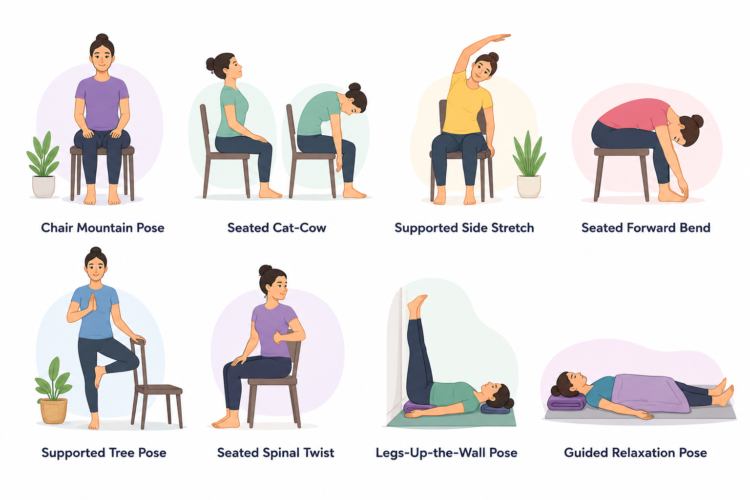
Chair Mountain Pose
This pose builds awareness.
How to Practise
- Sit upright.
- Keep feet flat.
- Relax shoulders.
- Lengthen the spine.
- Rest hands comfortably.
Benefits
- Improves posture.
- Builds awareness of body.
- Strengthens muscles.
- Improves breathing.
Modification Tip
Use a cushion if needed.
Seated Cat-Cow Pose
This pose improves spinal movement.
How to Practise
- Sit comfortably.
- Inhale gently.
- Lift the chest.
- Exhale slowly.
- Round the back.
Repeat several times.
Benefits
- Improves flexibility.
- Relieves back stiffness.
- Encourages smooth movement.
- Improves posture.
Modification Tip
Move within personal comfort.
Supported Side Stretch
This stretch opens the body.
How to Practise
- Sit comfortably.
- Raise one arm.
- Lean gently sideways.
- Return slowly.
- Repeat opposite side.
Benefits
- Stretches side muscles.
- Improves flexibility.
- Supports breathing.
- Relieves tightness.
Modification Tip
Use chair support.
Seated Forward Bend
Gentle stretching improves flexibility.
How to Practise
- Sit comfortably.
- Extend arms forward.
- Bend slowly.
- Stop before discomfort.
- Return carefully.
Benefits
- Stretches back muscles.
- Relaxes shoulders.
- Improves flexibility.
- Reduces stiffness.
Modification Tip
Place hands on thighs.
Supported Tree Pose
Balance improves gradually.
How to Practise
- Stand beside a chair.
- Hold the chair.
- Lift one foot slightly.
- Maintain steady breathing.
- Repeat opposite side.
Benefits
- Improves balance.
- Builds confidence.
- Strengthens legs.
- Improves coordination.
Modification Tip
Keep both feet grounded.
Seated Spinal Twist
Gentle twisting improves mobility.
How to Practise
- Sit upright.
- Place one hand behind.
- Turn slowly.
- Hold briefly.
- Repeat opposite side.
Benefits
- Improves spinal mobility.
- Relieves stiffness.
- Encourages flexibility.
- Supports posture.
Modification Tip
Avoid deep twisting.
Legs-Up-the-Wall Pose
This pose encourages relaxation.
How to Practise
- Lie comfortably.
- Raise both legs.
- Rest against the wall.
- Relax naturally.
- Breathe slowly.
Benefits
- Relaxes tired legs.
- Improves circulation.
- Reduces swelling.
- Calms the body.
Modification Tip
Place cushions underneath hips.
Guided Relaxation Pose
Every class ends peacefully.
How to Practise
- Lie comfortably.
- Close the eyes.
- Relax every muscle.
- Breathe naturally.
- Stay still.
Benefits
- Reduces stress.
- Calms the mind.
- Supports recovery.
- Improves mindfulness.
Modification Tip
Use blankets for comfort.
Safety Tips for Adaptive Yoga Practice
Safety should always come first. Gentle practice prevents injuries. Proper guidance improves confidence. Every session should feel comfortable.
Consult a Healthcare Professional
Medical advice improves safety.
Consult a professional before practising if experiencing:
- Recent surgery.
- Serious injuries.
- Heart conditions.
- Pregnancy.
- Chronic illnesses.
Professional advice prevents complications.
Choose a Qualified Instructor
Experienced instructors understand adaptations.
They provide:
- Safe modifications.
- Proper guidance.
- Correct alignment.
- Individual support.
Qualified teaching improves confidence.
Use Props Correctly
Props increase comfort.
Helpful props include:
- Chairs.
- Yoga blocks.
- Bolsters.
- Blankets.
- Straps.
Support reduces unnecessary strain.
Wear Comfortable Clothing
Loose clothing improves movement.
Choose clothes that:
- Stretch easily.
- Feel comfortable.
- Allow free movement.
- Keep the body cool.
Avoid restrictive clothing.
Stay Hydrated
Drink enough water.
Hydration helps:
- Prevent fatigue.
- Support muscles.
- Improve recovery.
- Maintain energy.
Drink before and after practice.
Warm Up First
Warm muscles move better.
Simple warm-ups helps in:
- Circulation.
- Flexibility.
- Prepare joints.
- Prevent injuries.
Never skip warming up.
Listen to Your Body
Pain signals caution.
Remember to:
- Move slowly.
- Rest often.
- Stop painful movements.
- Breathe naturally.
Comfort always matters most.
Progress Gradually
Improvement takes time.
Avoid rushing difficult poses.
Instead:
- Practise regularly.
- Increase slowly.
- Build confidence.
- Celebrate progress.
Small steps create lasting success.
Join the best online yoga teacher training program of 2026! Register in Entri Elevate now!
Become a Certified Yoga Instructor
Yoga Teacher Training Course by Entri App: Master authentic yoga techniques, earn certification, and build a successful career as a professional yoga instructor.
Join Now!Conclusion
Adaptive yoga makes yoga accessible for everyone. Every practice respects individual abilities. Gentle movements improve flexibility, strength, and balance. Simple modifications create safe participation. Props provide extra comfort and stability.
Regular practice supports physical and mental well-being. It also improves confidence and independence. Beginners should start with basic poses. Qualified instructors provide proper guidance. Medical advice remains important for certain conditions.
Progress happens at different speeds. Every journey is unique. Focus on steady improvement instead of perfection. With patience and consistency, adaptive yoga becomes a safe and enjoyable way to stay active, improve health, and support lifelong wellness.
Become a Certified Yoga Instructor
Yoga Teacher Training Course by Entri App: Master authentic yoga techniques, earn certification, and build a successful career as a professional yoga instructor.
Join Now!Frequently Asked Questions
What is the difference between adaptive yoga and regular yoga?
Adaptive yoga modifies traditional yoga poses to suit different physical abilities, health conditions, and mobility levels. Regular yoga often follows standard postures, while adaptive yoga focuses on making every pose safe, comfortable, and accessible for each individual.
Can beginners practise adaptive yoga?
Yes. Adaptive yoga is an excellent choice for beginners because the movements are gentle and easy to learn. Qualified instructors provide modifications, allowing beginners to build confidence, improve flexibility, and develop proper techniques without feeling overwhelmed.
What equipment is used during adaptive yoga?
Adaptive yoga often uses supportive props to improve comfort and stability during practice. Common equipment includes chairs, yoga blocks, bolsters, blankets, straps, cushions, and walls to help participants perform poses safely and comfortably.
Is adaptive yoga suitable for older adults?
Yes. Adaptive yoga is one of the safest forms of yoga for older adults because poses can be modified according to individual abilities and health conditions. It helps improve flexibility, balance, strength, posture, and mobility while reducing the risk of falls and joint strain.
Can people with disabilities practise adaptive yoga?
Yes. Adaptive yoga is specifically designed to make yoga accessible for people with physical, neurological, or mobility-related disabilities. Instructors modify poses, use supportive equipment, and adapt movements to meet each person’s individual needs and abilities.
Does adaptive yoga help with chronic pain?
Adaptive yoga may help reduce chronic pain by improving flexibility, strengthening supporting muscles, reducing stiffness, and encouraging gentle movement. Regular practice also promotes relaxation and body awareness, which may help many people manage long-term discomfort more effectively.
How often should adaptive yoga be practised?
Many beginners start with two or three sessions each week to allow the body to adjust gradually. As strength, confidence, and flexibility improve, the frequency can increase based on personal comfort and guidance from a qualified instructor.
Is adaptive yoga safe during pregnancy?
Adaptive yoga can be safe during pregnancy when it is specifically designed for prenatal needs and approved by a healthcare professional. Pregnant women should always choose classes taught by experienced instructors who understand safe pregnancy modifications.
Do I need to be flexible to start adaptive yoga?
No. Flexibility is not required before beginning adaptive yoga because every pose can be adjusted to match current abilities. Regular practice gradually improves flexibility, mobility, balance, and strength without forcing uncomfortable movements.
Can adaptive yoga improve mental well-being?
Yes. Adaptive yoga combines gentle movement, controlled breathing, and relaxation techniques that help reduce stress and anxiety while improving focus and emotional balance. Many people also experience greater confidence, better sleep, and an improved sense of overall well-being through regular practice.