Table of Contents
A Beauty and Wellness course will equip you with practical and hands-on skills that are used in salons and spas. This includes skincare, haircare, makeup, body therapies and nail technology. This comes with supportive knowledge of anatomy, hygiene, client consultation and basic salon business practices.
When it comes to the course length, it can vary widely from short certificate programmes to advanced diplomas. This can last between a few weeks and over 6 to 12 months. This can also be followed by supervised practical hours built in them. The scale of opportunity behind this training is real.
Master Advanced Skincare, Makeup, Hair, and Salon Management. Enrol Now!
Key Takeaways
- Courses teach practical skills and essentials.
- Good programs have 60 to 120+ supervised hours.
- B&WSSC sets standards with 1M+ certification.
- Entry jobs – salon assistant, makeup artist, nail tech, spa therapist.
- Portfolios beat certificates.
- Specialisation increases earnings.
- Beauty market > $33B in 2025 where hiring is steady.
Who Should Take a Beauty and Wellness Course?
This training suits a wide range of people, not just those starting their first job:
- New graduates seeking job-ready skills.
- Career changers and homemakers wanting flexible freelance work.
- Salon assistants seeking certification.
- Aspiring makeup artists, nail techs, and spa therapists.
Master Makeup, Hair & Skincare to Build Your Beauty Identity
Unlock your creative potential with our expert-led Beauty & Wellness course. Build in-demand beauty skills and step confidently into the world of beauty!
Your Beauty Career Starts Here!Core Modules: What a Beauty and Wellness Course Actually Covers
Here’s a realistic breakdown of what is typically taught and how many practical hours each module demands.
| Core Module | What You Learn | Typical Practical Hours |
| Haircare & Styling | Cuts, blow-dry, styling, coloring basics, scalp care, keratin and smoothening treatments | 30–60 hrs |
| Skincare & Facials | Skin analysis, facial protocols, exfoliation, advanced facials (hydra, galvanic, high-frequency) | 30–60 hrs |
| Makeup Artistry | Day, evening, and bridal looks, HD and glass-skin makeup, hygiene and sanitation | 20–40 hrs |
| Nail Technology | Manicure, pedicure, nail art, gel application, sanitation | 15–30 hrs |
| Spa & Body Therapies | Massage basics, body scrubs, aromatherapy, thermoherb treatments | 20–40 hrs |
| Anatomy, Hygiene & Safety | Skin anatomy, infection control, patch testing, first aid | 10–20 hrs |
| Client Consultation & Soft Skills | Client assessment, empathy, upselling, record-keeping | 10–15 hrs |
| Business & Salon Skills | Pricing, booking, salon management, portfolio building | 10–20 hrs |
What Each Module Actually Gives You
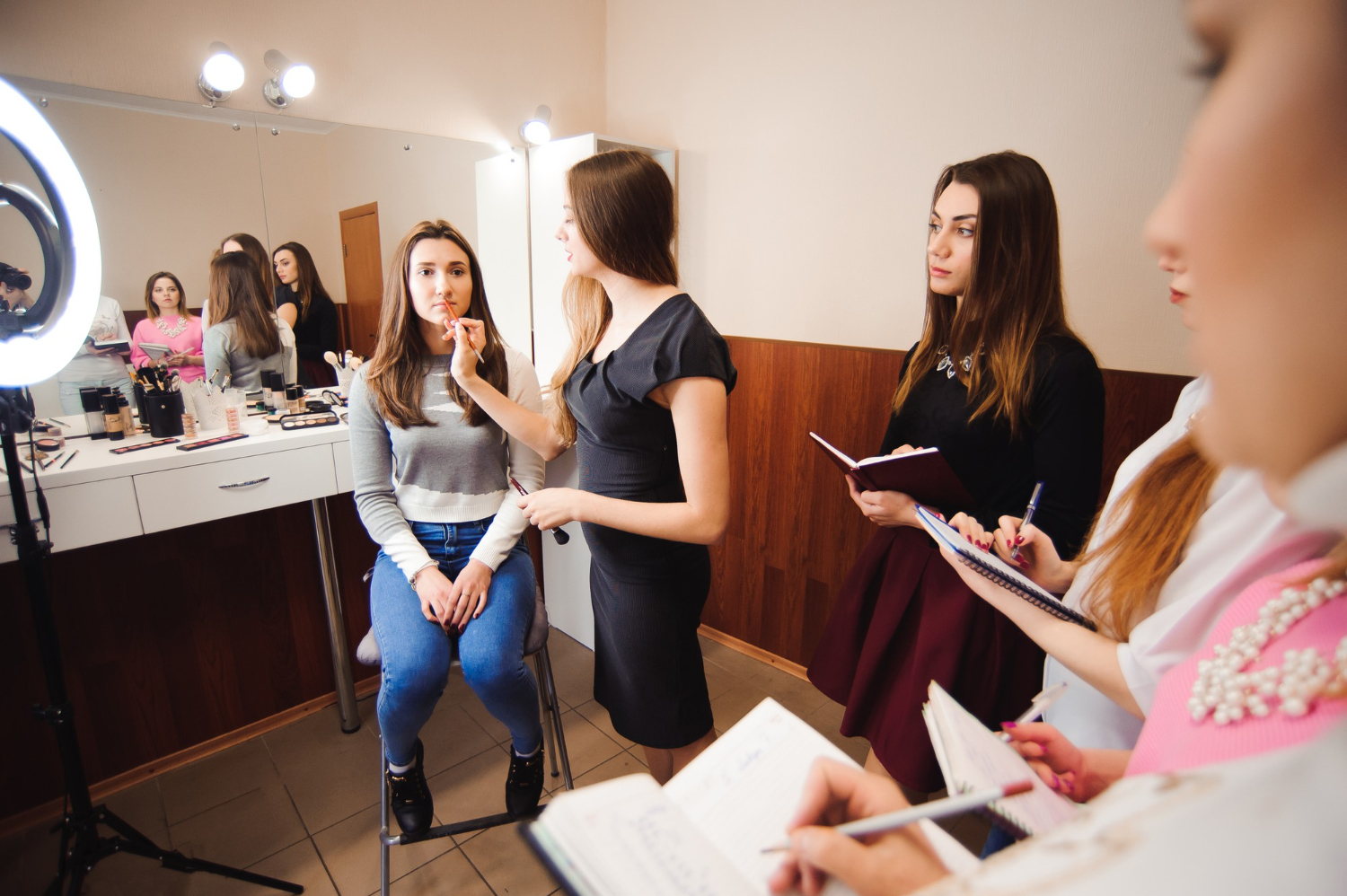
Haircare:
Shampoo protocols, blowouts, basic trims, color theory, and increasingly, advanced treatments like keratin, botox, and nanoplastia. These are now standard requests in Indian salons.
Skincare:
The ability to identify skin types and contraindications, run standard facial protocols, and recommend home-care routines. In addition to these, in advanced programmes, machine-based treatments like high-frequency and galvanic facials.
Makeup:
Hygiene practices such as brush sanitisation and patch testing, clean base makeup application, contouring, and bridal makeup fundamentals, including regional draping styles like saree draping that clients specifically ask for.
Nails:
Sanitary prep, shaping, basic nail art, gel technique, and aftercare guidance.
Spa therapies:
Basic massage strokes, client comfort protocols, oil selection, and post-session care advice.
Business skills:
Building a service menu, setting prices, managing bookings, and creating a professional social media portfolio. These are skills that matter as much as the technical training itself.
Practical Training, Assessment, and Portfolio Building
Hands-on practice is the single biggest factor in employability. A strong course structure includes:
- Minimum practice hours:
60 to 120+ hours for a solid foundation; advanced diploma programs often log 120+ hours of live sessions alone.
- Assessment formats:
Live practical tests, written quizzes, recorded demonstrations, and real client case studies.
- Portfolio requirements:
Before/after photos, technique videos, and at least 8 to 12 documented client sessions by the time you finish a diploma-level program.
Specializations that Boost Earning Potential
Once the core modules are done, most learners pick a specialisation to differentiate themselves:
- Bridal and HD makeup
- Advanced hair coloring and balayage
- Microdermabrasion (under supervision)
- Ayurvedic and holistic spa techniques
- Salon management
These add-ons typically run 1 to 6 weeks and are where freelancers and salon professionals build a signature niche – bridal makeup and advanced coloring being the two most requested specialisations in the Indian market right now.
Master Makeup, Hair & Skincare to Build Your Beauty Identity
Unlock your creative potential with our expert-led Beauty & Wellness course. Build in-demand beauty skills and step confidently into the world of beauty!
Your Beauty Career Starts Here!Tools, Products, and Safety Standards You’ll Learn
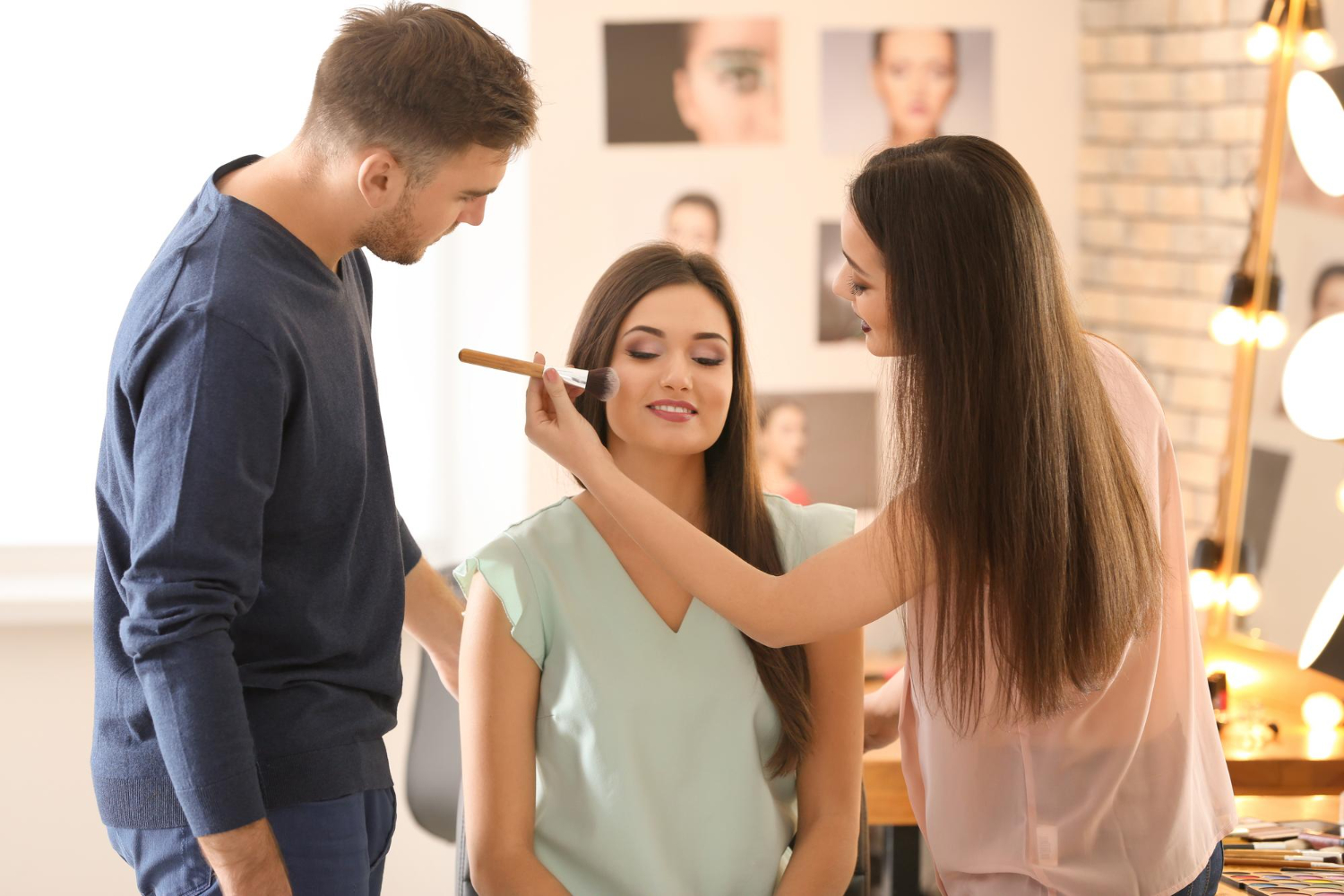
Training primarily covers safe handling and maintenance of salon tools. These tools include dryers, straighteners, clippers, manicure kits, steamers, and facial devices.
Another crucial factor is product literacy. This simply means being able to read ingredient labels, perform patch tests, and understand contraindications before any treatment.
Courses also cover the non-negotiables such as infection control, sterilisation, consumable disposal, client consent, allergy management, and local licensing basics. These are not mere formalities to keep. They are crucial as they help protect clients and directly affect a salon’s reputation and repeat business.
Career Paths and Earning Potential in India
Certified graduates typically move into these roles:
| Role | Approximate Monthly Earnings |
| Salon Assistant | ₹8,000–15,000 |
| Trained Stylist/Therapist | ₹12,000–40,000+ |
| Freelance Makeup Artist/Bridal Specialist | Varies by assignment; scales with portfolio and city |
Other common roles include salon manager, spa therapist, beauty educator, brand representative, and entrepreneur running an independent studio.
Professionals who specialise and build a strong local or online client base can have earnings above these ranges. These figures are just indicative, and it is worth checking current local market rates before setting expectations.
How Employers Evaluate Graduates
Beyond the certificate, employers typically look for:
- Practical skill level and working speed
- Cleanliness and safety awareness
- Client-handling and communication ability
- A strong portfolio (photos/videos) and active social media presence
- Reliability and teamwork in a salon environment
Choosing the Right Course: A Quick Checklist
- Recognised certification – ideally aligned with the Beauty and Wellness Sector Skill Council (B&WSSC), India’s NCVET-recognised awarding body for this sector
- Clearly defined practical-hour requirements and manageable batch sizes
- Trainers with real industry experience
- Placement or internship support
- Transparent syllabus with demo classes available
- Verifiable alumni reviews and outcomes
- Business and soft-skills modules included, not just technical training
Certification and Demonstrating Real Competence
Most institutes issue their own certificate after assessments, but for broader recognition, look for programs aligned with national vocational standards.
The B&WSSC operates under the National Council for Vocational Education and Training (NCVET) and under India’s Ministry of Skill Development and Entrepreneurship. It has certified well over a million learners across the country. These make its NSQF-aligned qualifications a genuine benchmark of credibility in this sector.
A certificate alone rarely closes a deal with a client or employer. A well-documented portfolio of real work is often the more persuasive proof of skill.
Master Advanced Skincare, Makeup, Hair, and Salon Management. Enrol Now!
Conclusion
A beauty and wellness course is far more than a crash course in makeup application. It is a structured path covering hair, skin, nails, spa therapies, hygiene science, and the business skills needed to actually sustain a career in this space.
India’s beauty and personal care market is on a steady growth curve through 2026. The timing favours anyone who is willing to put in the practical hours.
What separates a strong career from a stalled one usually is not the length of the course. It is about consistent hands-on practice and a well-documented portfolio. Most importantly, genuine care in client communication can take you far.
Start with the fundamentals, specialise once you find your strength, and let your work speak for itself.
|
RELATED POSTS |
|
| How to Become a Makeup Artist | |
| Bridal Makeup Essentials for Aspiring Beauticians | |
| Benefits of Regular Skin Care Treatments | |
Master Makeup, Hair & Skincare to Build Your Beauty Identity
Unlock your creative potential with our expert-led Beauty & Wellness course. Build in-demand beauty skills and step confidently into the world of beauty!
Your Beauty Career Starts Here!Frequently Asked Questions
Can I learn beauty and wellness skills online?
Yes, many programs are blended – combining online theory with in-person practical sessions, since hands-on practice can’t be fully replicated virtually.
Is a certificate enough to get a job?
A certificate helps with entry-level roles, but a strong portfolio and demonstrated practical experience significantly improve your job prospects.
Do these courses include internships or placement support?
Many do, either directly or through partner salons and spas. It is worth confirming this before enrolling.
What equipment do I need to start freelancing?
A basic toolkit of quality brushes, a manicure set, clippers, hair tools, client linens, and sanitiser; costs depend on your chosen specialisation.
Can I specialise in just one area, like bridal makeup?
Yes, many institutes offer standalone specialisation modules of 1 to 6 weeks for those who already have core training.
What job roles can I apply for after completing the course?
Common roles include salon assistant, makeup artist, nail technician, spa therapist, salon manager, and beauty educator.
Do I need a license to practice as a beauty professional in India?
Requirements vary by state and service type; courses typically cover local licensing basics as part of the hygiene and safety module.