Table of Contents
Ashtanga yoga – a way of yoga that’s all about intense, structured flow. The idea is you breathe in sync with a set sequence of poses – and that helps you build up strength, heat and focus all at once.
It’s the opposite of some of the more gentle yoga styles – Ashtanga’s a step up, where you’re pushed progressively through a set sequence and you get a sense that every session is an achievement. You can actually track your progress.
Studies have shown that even with just 8 weeks of regular practice, you can see a 20% to 30% jump in your flexibility and core strength.
Want to Step Up? Join our Yoga Instructor Course Online!
Key Takeaways
- By the way, Ashtanga literally means “eight limbs” in Sanskrit – a real nod to blending the physical, the mental and the spiritual.
- The beauty of it is that you can track your progress with a set sequence of poses – that makes it easy for beginners to get started.
- Start off with the Primary Series (Yoga Chikitsa) – that’s the foundation of Ashtanga.
- Power up those flows with the Ujjayi (victorious) breath. It’s the rhythm of the breathing that really gets you moving – believe me.
- For beginners, you can’t go wrong with 20-minute home sessions – use some basic props and just get a feel for it.
- Studies have shown that you can drop anxiety by up to 35% and reduce cortisol by 40%. That’s pretty impressive for a style of yoga.
- And Ashtanga is a real calorie-burner – we talk 400-600 calories per session – it’s a serious workout.
- Don’t push yourself too hard, rest 1 to 4 days a week and just remember that consistency is key – not perfection.
Why Ashtanga Yoga is Perfect for Beginners
1: Which of these is the primary goal of yoga practice?
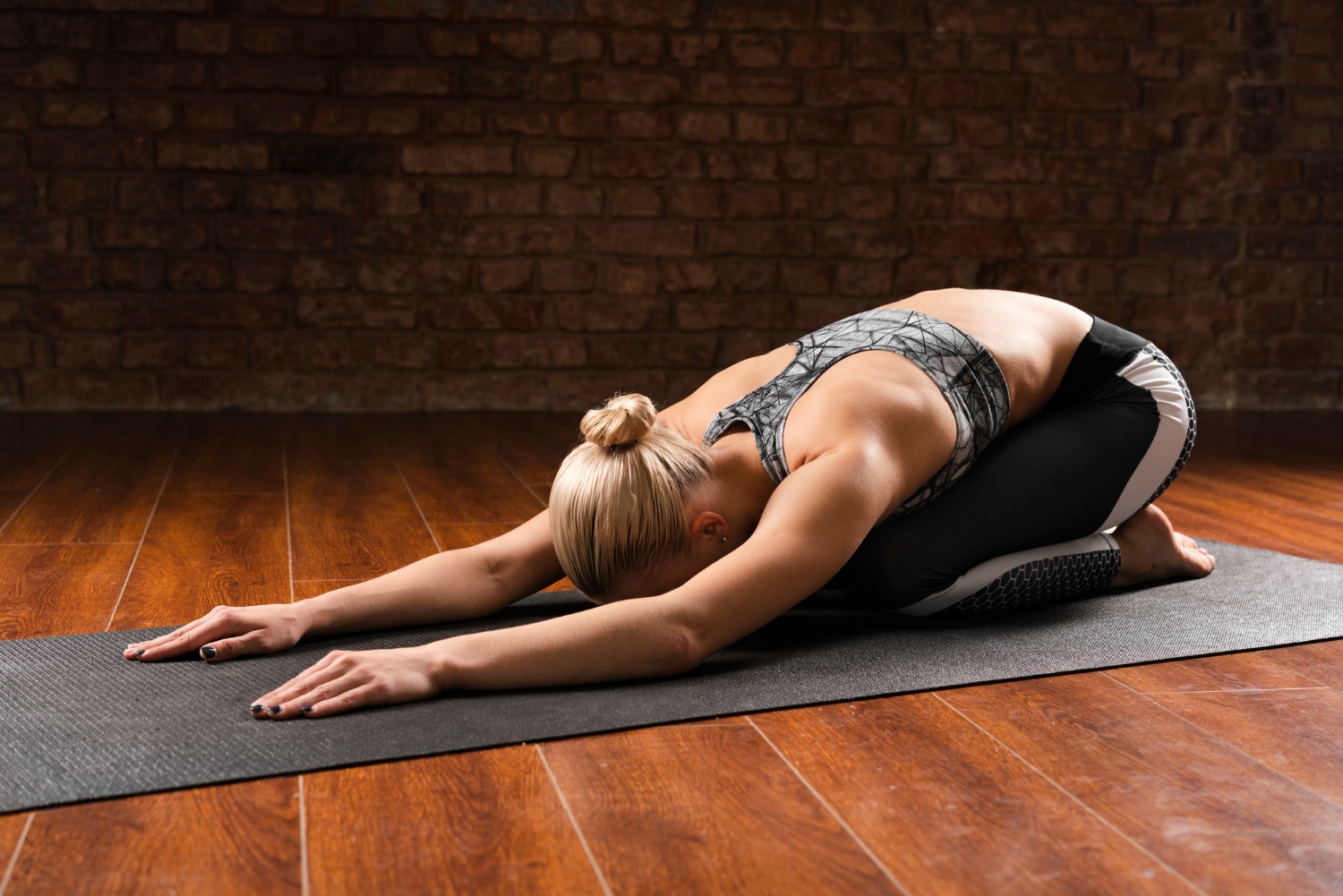
In most cases, almost every beginner walks into yoga practice expecting calm stretches more like a warm up. This is the case until they start practising Ashtanga Yoga as it is something that demands more.
It does have a predictable sequence that repeats because of which it is ideal for newcomers. Once you are in and pick up the sequence, your brain does not need to make any extra effort to think which one comes next. Your body starts to feel flowing.
Around 78% of new Ashtanga practitioners are reported to have reduced stress and also better sleep within just one month of continued practice. Moreover, a combination of Ujjayi breath with physical postures and internal focus points creates a moving meditation.
This in turn calms the nervous system even as it challenges the muscles.Here’s a quick look at the core benefits beginners experience:
| Benefit | What it Means for You |
| Builds Full-Body Strength | Sun salutations and standing poses tone muscles without weights |
| Improves Flexibility | Progressive stretching reduces injury risk by up to 25% |
| Sharpens Mental Focus | Breath-pose sync lowers anxiety scores by 40% in beginner studies |
| Burns Calories | A 60-minute session burns 400 to 600 calories |
| Better Sleep | Cortisol levels drop significantly after regular practice |
Become a Certified Yoga Instructor
Yoga Teacher Training Course by Entri App: Master authentic yoga techniques, earn certification, and build a successful career as a professional yoga instructor.
Join Now!The 8 Core Principles of Ashtanga Yoga
Ashtanga is actually named after the eight foundational principles you’ll find in the ancient Yoga Sutras. The word “Ashtanga” literally means “eight limbs” in Sanskrit.
What’s really cool about this is that it’s not just some theoretical list of ideas – it’s a practical guide for how to live your life and cultivate a sense of inner stillness. You can actually apply these principles in your daily life and see real results.
Here’s how they all fit together:
1. Yama (Ethics) – that’s where you work on your personal values – non-violence, truthfulness, non-stealing – how you relate to the world.
2. Niyama (Self-Discipline) – that’s about how you treat yourself – Purity, contentment, self-study – it’s all about taking care of yourself and cultivating a sense of inner discipline.
3. Asana (Poses) – that’s the physical practice most people associate with yoga – the poses are just the beginning, though.
4. Pranayama (Breath Control) – Ujjayi breathing is a key part of Ashtanga – it really gets you moving and gives you energy throughout your practice.
5. Pratyahara (Sensory Withdrawal) – that’s about tuning in to what’s going on inside – turning your attention inward and away from distractions.
6. Dharana (Concentration) – this is where you focus your mind on a single point – it’s about getting really clear on what you want to achieve.
7. Dhyana (Meditation) – that’s the stage where you’re in a state of sustained, uninterrupted awareness – it’s a place of deep stillness and calm.
8. Samadhi (Bliss/Union) – this is the holy grail of Ashtanga – it’s the deepest state of stillness and inner peace.
Now most yoga classes just focus on physical practice but Ashtanga is a journey through all eight – you get to work through each of these principles gradually over time.
The 6 Ashtanga Series: Where Do You Begin?
Ashtanga Yoga is primarily organized into six progressive series and each of them builds on the one before. You should not move to the next series until you have genuinely mastered the current one.
This is a very strong feature. Such a structure protects the beginners from injury and at the same time builds a rock-solid foundation.
| Series | Focus | No. of Poses | Best For |
| Primary (Yoga Chikitsa) | Detox and alignment | 55+ | Beginners and early intermediates |
| Intermediate (Nadi Shodhana) | Energy channel purification | 55+ | Intermediate practitioners |
| Advanced A | Arm balances and deep backbends | 80+ | Advanced level only |
| Advanced B, C, D | Mastery and physical power | 80+ | Expert level only |
If you are a beginner your current concern should be the Primary Series called Yoga Chikitsa. It means yoga therapy as it is specifically designed to detoxify as well as realign the body.
Your First Ashtanga Practice: A Step-by-Step Home Guide
You don’t need a studio membership to begin your journey. Research confirms that home practice can match studio results with about 15% faster progress visible in practitioners who stay consistent.
So the cue is to start small. A 20-minute home session is all you need in your first two weeks.
Sample Beginner Flow
Warm-Up – 5 Minutes
- 5 rounds of Sun Salutation A with Ujjayi breath
- Move slowly; prioritize breath over depth of pose
Standing Sequence – 10 Minutes
- Triangle Pose (Trikonasana) – hold for 5 breaths
- Warrior I and II (Virabhadrasana) – hold for 5 breaths each
- Keep your gaze (drishti) fixed; don’t let your eyes wander
Seated and Finishing – 5 Minutes
- Seated forward fold (Paschimottanasana)
- Shoulder stand or legs-up-the-wall
- Savasana – minimum 3 minutes; don’t skip this
After Practice
- Note your energy levels. Ashtanga has a distinct post-practice “afterglow” – calm, clear, and focused.
Props That Help Beginners (And Their Approximate Costs)
| Prop | Purpose | Budget Option |
| Yoga Mat | Grip and joint cushioning | Non-slip, 6mm thick (~₹1,500) |
| Yoga Strap | Deepen stretches safely | Cotton loop (~₹400) |
| Yoga Blocks | Modify difficult poses | Foam set (~₹600) |
Become a Certified Yoga Instructor
Yoga Teacher Training Course by Entri App: Master authentic yoga techniques, earn certification, and build a successful career as a professional yoga instructor.
Join Now!The Most Common Beginner Mistakes (And Simple Fixes)
Ashtanga can be seen as unforgiving in that it can be hard to conquer. But realize that this comes from people who rushed it without respecting the structure.
If you maintain a focused breath synchronization over perfection in holding the pose, you can reduce injury rate considerably. Let’s explore the most common traps here and how to sidestep them:
Mistake 1: Rushing through poses
The fix: Count five full Ujjayi breaths in every posture before moving. If you can’t breathe properly in a pose, you’re pushing too hard.
Mistake 2: Ignoring bandhas (internal energy locks)
The fix: Learn the two basic bandhas early – Mula Bandha (gentle pelvic floor lift) and Uddiyana Bandha (lower belly draw-in). They stabilize your core and protect your lower back.
Mistake 3: Practicing every single day from week one
The fix: Aim for 3 to 4 days a week initially. Ashtanga is traditionally practiced 6 days a week – but that’s for seasoned practitioners. Your body needs recovery time to adapt.
Mistake 4: Comparing your flexibility to others
The fix: The only comparison that matters is you vs. yourself, last week. Ashtanga is a personal practice, not a performance.
What Science Says about Ashtanga Yoga
Keep in mind the fact that Ashtanga is not just ancient wisdom. It is modern research that increasingly backs it up. The combination of aerobic intensity with mindfulness creates a uniquely powerful form that most exercise forms cannot match.
| Benefit Area | Key Outcomes |
| Physical Fitness | 25% flexibility gain in 8 weeks |
| Mental Health | 35% anxiety reduction |
| Hormonal Balance | 40% drop in cortisol levels |
| Cardiovascular | Improved VO2 max and lung capacity by 15% |
| Caloric Burn | 400 to 600 calories per session |
It is particularly impressive that Ashtanga achieves HIIT-like cardiovascular results and at the same time reduces stress hormones. This is something high-intensity gym workouts often fail to do.
Who Should (and Shouldn’t) Try Ashtanga Yoga?
If you’re someone looking for a physical challenge that has a structure and keeps growing with you, Ashtanga is probably the yoga style you’re after.
Most certified yoga teachers will tell you that it’s a great fit for beginners who are in good shape and want to see some real progress.
Ashtanga works particularly well for:
- It’s a no-brainer for runners and athletes looking for a low-key way to keep their muscles loose and mobile.
- It’s also perfect for stressed out professionals who just need a bit of structure to help clear their minds.
- It’s also great for beginners who find gym routines getting a bit too same old same old.
- And let’s be honest – anyone who wants to build self discipline through daily practice will get a lot out of it.
Approach with caution or modifications if you have:
- You’ve had a recent op or had some damage to your joints (knees or wrists are especially tricky).
- You’ve got high blood pressure – you’re going to need to get the all clear from your doctor on any inverted stuff.
- You’re pregnant – there are safer options out there.
- You’ve got osteoporosis or a major spinal issue.
If in doubt, get a chat with your doctor and get the all clear before you start. And then consider booking a few sessions with a certified Ashtanga teacher who can give you a proper look in class and sort your alignment out for you.
Ashtanga Yoga vs. Other Popular Styles: A Quick Comparison
| Style | Pace | Sequence | Best For |
| Ashtanga | Fast, heat-building | Fixed | Discipline-seekers, athletes |
| Vinyasa | Moderate, creative | Varied | Those who like variety |
| Hatha | Slow, gentle | Flexible | Absolute beginners, seniors |
| Yin | Very slow, passive | Flexible | Deep flexibility, relaxation |
Want to Step Up? Join our Yoga Instructor Course Online!
Conclusion
Understand that Ashtanga Yoga is more than a workout. It is a system built over thousands of years with a motive to strengthen your body and quieten your mind. This gradually peels back the layers of mental noise that modern life piles on.
It might appear as something intense if you are a beginner. But primarily, Ashtanga holds simplicity as its greatest gift with the same sequence and breath every single day. You show up, you breathe, you move and slowly, almost without noticing, everything gets a little stronger and a little clearer.
Start with the Primary Series. Respect the breath. Give yourself three months of consistent effort. The results in your body, your focus, and your sleep will speak for themselves.