Table of Contents
Key Takeaways
- Credit Inactivity Matters: Keeping a credit card completely idle for months can lead to an inactive status, which stops regular data updates to CIBIL.
- Impact on Credit History: A long history of responsible credit use boosts your score. Leaving a card unused shortens your active credit history over time.
- Credit Utilization Ratio: Keeping an unused card open helps maintain a lower overall credit utilization ratio, which is excellent for your score.
- The “No Credit” Trap: Avoiding credit cards entirely means you won’t build a CIBIL score at all, making it harder to get low-interest home or car loans later.
- Healthy Maintenance: Swipe your credit card for small, routine expenses once a month and pay it off fully to keep your CIBIL score healthy and active.
Ace your personal finance journey with Entri’s Personal Finance Online Course. Join Now!
Introduction
1: What is a stock?
Imagine that you have a gym membership and you paid the annual fee upfront. After inserting the shiny plastic membership card inside your wallet, you never visited the gym for a whole year. Will your fitness level automatically improve just because of the reason that you own the membership? Definitely not! To be frank, your stamina might drop due to a lack of exercise.
A credit card works in a very similar way. Several people in India believe that getting a credit card and locking it safely away in a drawer without using it at all is the best way to maintain a perfect financial record. The logic seems simple: “If I don’t spend money on it, I won’t owe anything, and my credit score will remain spotless.” However, the bitter reality is that the world of personal finance doesn’t work that way.
The truth is that hiding your card away can actually hurt your credit health. In this blog post, we will reveal the answer to a question millions of Indian consumers ask: does not using a credit card affect CIBIL score? Let’s take a deep dive into how the system works and how you can manage your cards wisely.
More about CIBIL Score and How it Works
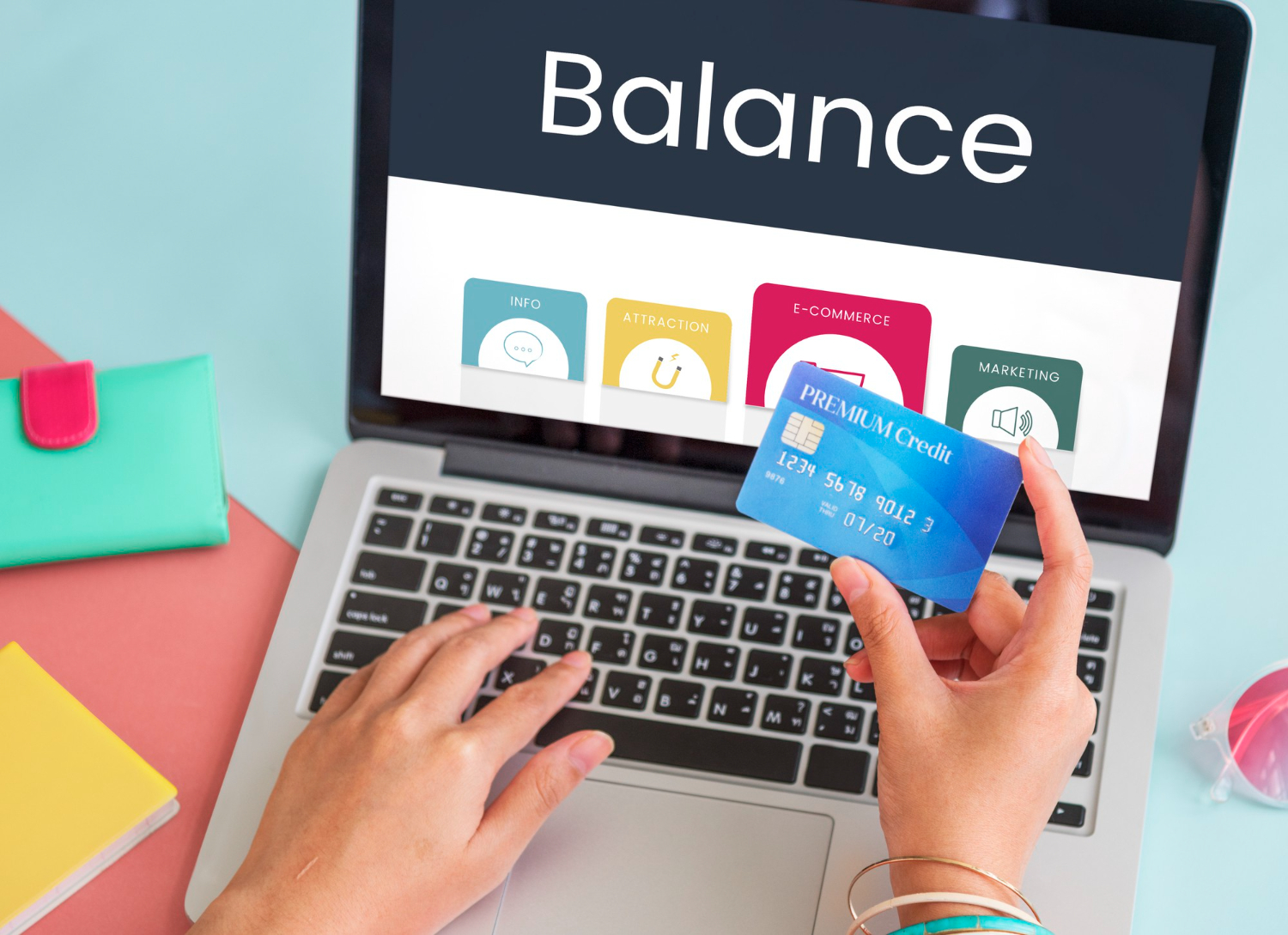
Before we look at the impact of an idle card, let us quickly understand what a CIBIL score actually is. The TransUnion CIBIL score is nothing but a three-digit number ranging from 300 to 900. It acts as your financial report card.
When you apply for a loan, be it a home loan, a car loan, or a personal loan—banks and financial institutions look at this score to judge how risky it is to lend money to you. A score of 750 or above is generally considered excellent and it helps you get fast loan approvals and lower interest rates. The count of Indians actively self-monitoring their CIBIL score has touched 183 million, as of December 2025.
Your CIBIL score is calculated based on four major factors:
- Repayment History (35%): Have you paid your past bills and EMIs on time?
- Credit Utilization (30%): How much of your available credit limit are you using?
- Credit History Length (15%): How long have you been using credit products?
- Credit Mix and Inquiries (20%): Do you have a healthy mix of secured and unsecured loans, and how often do you apply for new credit?
When you keep a credit card completely idle, you directly alter these core calculation metrics.
The Silent Danger: Inactive Credit Accounts
When you do not use your credit card for a prolonged period— typically over six months to a year—the credit card issuing bank stops seeing any transactional activity. Banks are required to report your repayment and credit behaviour to CIBIL every month. If there are zero transactions, the bank reports a ‘zero balance’ and ‘zero activity’. Over time, if this lack of activity continues, the account may be flagged as “inactive” or “dormant.”
When an account becomes inactive, it stops contributing positive data to your credit report. If you don’t use the card, there are no monthly bills. If there are no bills, there are no timely payments to report. Since payment history makes up the largest chunk of your CIBIL score, you lose out on the easiest way to build a stellar credit history. This is the primary reason why not using a credit card affects CIBIL score is a topic every cardholder should pay attention to.
Let us dive deeper into the specific technical reasons why keeping your plastic money completely frozen can harm or alter your CIBIL score over time. The age of your credit accounts matters a lot. CIBIL likes to see that you have managed credit responsibly over a long period. If your oldest credit card is the one you have stopped using, and the bank eventually decides to close it due to prolonged inactivity, your average credit history age drops instantly. A shorter credit history can cause an immediate dip in your overall CIBIL score. Credit Utilization Ratio, in simple terms is the percentage of your total available credit limit that you actually use. By dividing your total credit card balances by your total credit limits across all your cards, you can arrive at the CUR. For example, if you have two cards, each with a limit of ₹1,00,000. Assume that your total available credit limit is ₹2,00,000. If you spend ₹30,000 on the first card and keep the second card completely unused, your total utilization is 15% (₹30,000 out of ₹2,00,000). Now this is well within the ideal limit of 30%. However, if the bank decides to close your second, unused card without your permission due to inactivity, your total available limit drops to ₹1,00,000. Now, your ₹30,000 spend represents a 30% utilization ratio. If your spending goes up even slightly to ₹40,000, your utilization jumps to 40%, which signals to CIBIL that you are turning “credit hungry,” thereby pulling your score down. Due to internal risk management policies and regulatory updates in India, banks do not like keeping inactive accounts on their books indefinitely. If a card sees absolutely zero usage for 12 consecutive months, banks are instructed to initiate closure procedures after notifying the customer. If your card gets closed by the bank instead of you closing it voluntarily, it can reflect poorly on your credit profile. Trusted, concepts to help you grow with confidence. Enroll now and learn to start investing the right way.
There are several people who have made up their mind never to get a credit card because they fear getting into debt. This is a very common mindset among young professionals in India. They believe that avoiding credit completely is a sign of financial discipline. Unfortunately, if you have never taken a loan or owned a credit card, CIBIL will have no data about you. Your credit report will display a score of “-1” or “NH” (No History). While having no history is not inherently “bad,” it makes you an unknown variable for banks. When you eventually apply for a large home loan, banks might reject your application or charge you a much higher interest rate simply because they cannot verify your past repayment discipline. Therefore, avoiding credit entirely or getting a card and never utilizing it brings you face-to-face with the reality of how not using a credit card affects CIBIL score. You do not need to overspend or pay hefty interest charges to keep your CIBIL score in top shape. The goal is to show consistent, responsible activity. Here are a few simple, practical strategies for Indian consumers: Link your unused credit card to a small, recurring monthly utility bill, such as your post-paid mobile bill, Wi-Fi subscription, or streaming platforms. This ensures the card is used for a tiny amount every month. Always set up a standing instruction or auto-debit from your primary bank account to pay off the total credit card bill automatically every month. This ensures you never miss a payment date and your credit history stays flawless. Once every two or three months, take the card out of your drawer. Use it at a local supermarket or a petrol pump for a routine expense that you would have paid for with cash or UPI anyway. Sometimes cards are left unused. The main reason is that they are tucked away, and consumers miss the renewal notifications. Make sure that your contact details are updated with the bank so you receive all statements and alerts. Do you own multiple credit cards? If you are finding it difficult to track all of them, it’s time to clean up your wallet. Holding four or five cards and leaving three of them completely untouched can do more harm than good. Instead of letting the bank close them abruptly, evaluate your cards. Keep the oldest credit card open at all costs, as it forms the foundation of your credit history length. If there are newer cards that carry high annual fees and offer no rewards that align with your lifestyle, it is better to contact the bank and close them down deliberately. Spread your small, everyday expenses across your remaining active cards to ensure that not using a credit card affects CIBIL score ceases to be a negative issue for your financial well-being. Ace your personal finance journey with Entri’s Personal Finance Online Course. Join Now! A credit card, no doubt, is a powerful tool designed to build your financial reputation in the Indian banking ecosystem. Leaving a credit card completely idle is as good as leaving a car parked in a garage for years. Eventually, the battery dies and the engine rusts. To answer the core question definitively: yes, does not using a credit card affects CIBIL score negatively over the long term. Primarily by freezing your payment history updates, potentially lowering your available credit limit, and exposing you to automatic card closure by the bank. The smartest financial move you can make today is to take out that unused card, swipe it for a minor, affordable purchase this week, and clear the bill immediately. To keep it simple, consistent, micro-level activity along with 100% on-time repayments is the best way to achieve and maintain a CIBIL score of more than 750. RELATED POSTS Trusted, concepts to help you grow with confidence. Enroll now and learn to start investing the right way.
Yes. Continuous zero-use stops fresh payment data from reaching CIBIL, making the account dormant and halting score growth. Yes, Indian banks can deactivate or close a credit card if it remains completely unused for over a year. Using your card once every 2 to 3 months for a small purchase is enough to keep it active. Keep it open if it is your oldest card or has a high limit, as it helps your credit score. Yes. If the bank closes your inactive card, your total available credit limit across all cards drops significantly. A 0% utilization over many months can make your profile look inactive. A low utilization (1% to 10%) is ideal. Yes, by paying other loans like car or home loan EMIs on time, but credit cards are the easiest option.How an Unused Credit Card Impacts Your Score: The Key Factors

1. The Shrinking of Your Credit History Length
2. Damage to Your Credit Utilization Ratio (CUR)
3. Automatic Bank Closure
Stock Market Training Reviewed & Monitored by SEBI Registered Investment Advisor
The Problem of “No Credit History” for Beginners
Best Practices: How to Keep Your Card Active Without Getting Into Debt
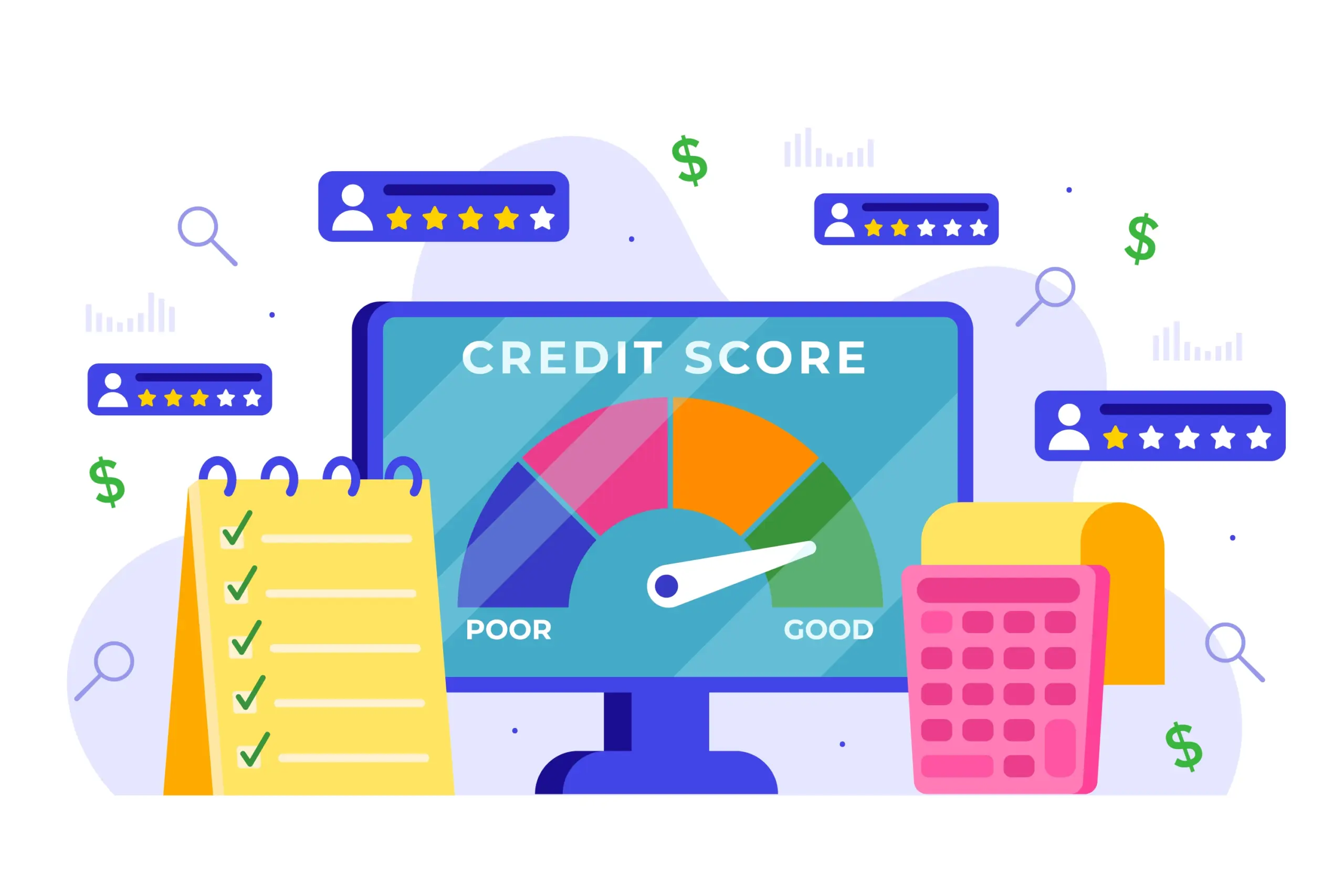
The ‘Subscribe and Forget’ Method:
Set Up Auto-Debit:
Use Credit Card for Small Fuel or Grocery Runs:
Check the Expiry Date:
Top Tips for Managing Multiple Credit Cards
Conclusion
How to Maximize Credit Card Reward Points Before They’re Cut
How to Get Money from Credit Card
Top Lifetime Free Credit Cards With Zero Annual Charges
Stock Market Training Reviewed & Monitored by SEBI Registered Investment Advisor
Frequently Asked Questions
Does not using a credit card affect CIBIL score if the balance is zero?
Will my bank close my credit card automatically if I don't use it?
How often should I use my credit card to keep it active?
Is it better to close an unused credit card or keep it?
Can an inactive credit card reduce my total credit limit?
Does having a credit card with zero utilization hurt my CIBIL score?
Can I build a CIBIL score without using a credit card?