Table of Contents
The SEBI new ETF trading rules 2026 officially take effect on September 7, 2026.These guidelines overhaul base price determination, introduce flexible price bands, and establish pre-open call auctions for commodity funds.
Earlier, rigid price limits caused popular ETFs to stop trading even when their underlying asset values were moving fine. This created uncomfortable gaps between market prices and actual fund values.
Learn Stock Marketing with a Share Trading Expert! Explore Here!
Key Takeaways
- New Effective Date: The market regulator implemented the updated ETF framework starting September 7, 2026.
- Dynamic Price Bands: Most equity and debt ETFs transition to dynamic price bands to avoid unnecessary trading freezes during high market volatility.
- Fairer Reference Base Price: Base prices will rely on the Volume-Weighted Average Price (VWAP) of the last 30 minutes of the previous trading day.
- Pre-Open Call Auction: Gold and Silver ETFs join a pre-open call auction framework to ensure smooth price discovery before regular trading hours.
- Standardised Close-Out: Clear guidelines are established for settlement defaults to safeguard retail trader interests.
- Reduced Mispricing: The new regulatory guidelines aim to shrink the gap between ETF market price and Net Asset Value (NAV).
Introduction
1: What is a stock?
Exchange Traded Funds (ETFs) have become a hugely popular investment choice in India. Millions of retail investors use them to invest in stock market indices, corporate bonds, gold, and silver. Since ETFs trade like regular shares on stock exchanges, accurate pricing is critical for every trader.
To make market trading smoother and fairer for everyone, updated regulation comes into action. The market regulator announced key operational changes to how ETFs are priced and traded on Indian exchanges.
The new framework fixes these operational bottlenecks. Here is a comprehensive breakdown of what changes from September 7, 2026, and how it impacts your daily investment decisions.
Understanding the Core Need for New Rules
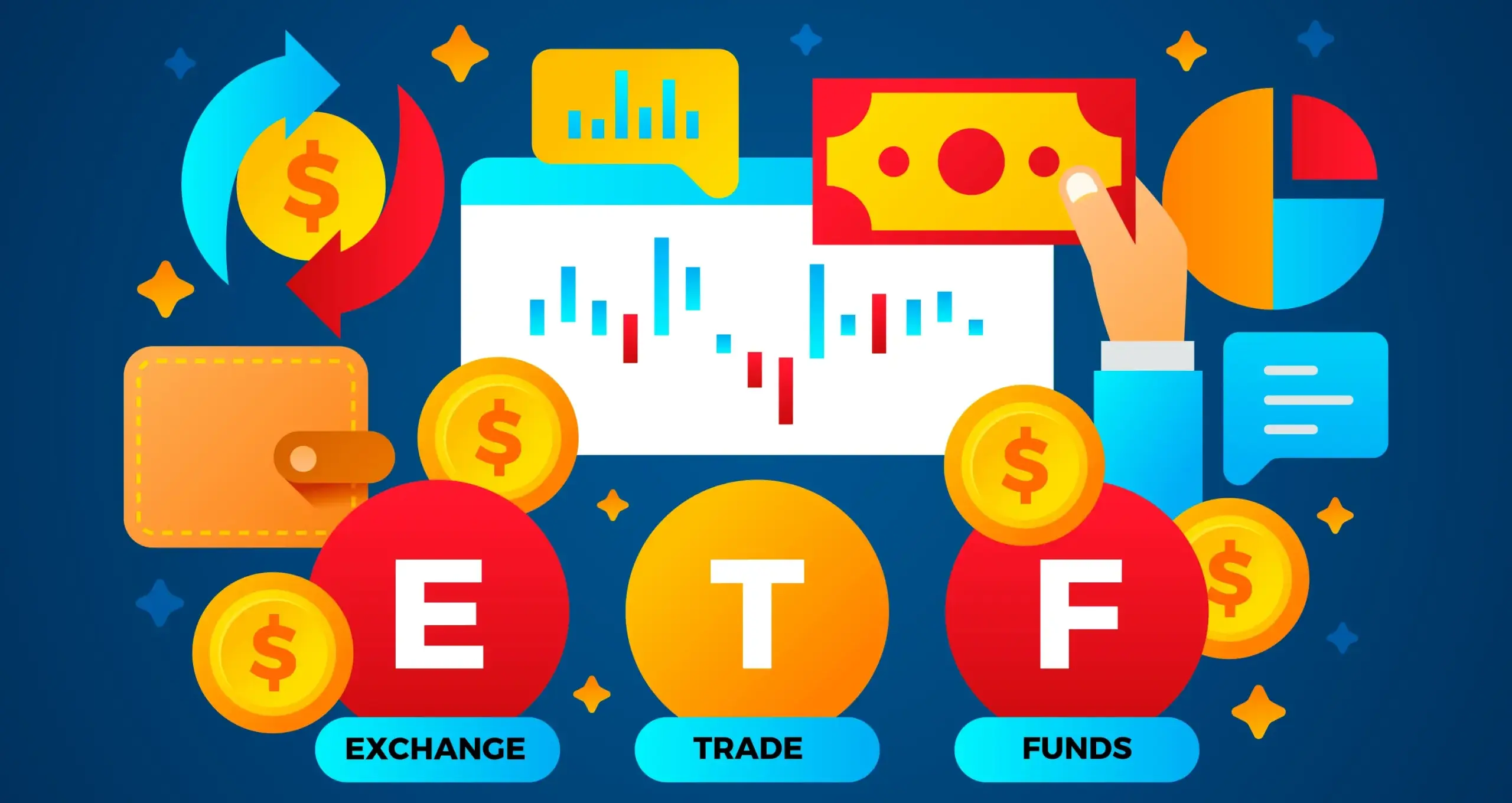
ETFs combine the diversification benefits of mutual funds with the easy trading feature of individual shares. However, this unique hybrid design can lead to trading issues on stock exchanges.
In the past, an ETF tracking a fast-moving stock index could hit an artificial price ceiling. Meanwhile, the actual stocks inside the ETF kept rising on the exchange.
This mismatch created artificial supply shortages. Investors often ended up buying ETFs at high premiums or selling them at steep discounts. The fundamental goal of the new framework is to keep the exchange price of an ETF tightly aligned with its Net Asset Value (NAV) at all times.
By standardising operational mechanics, the regulator protects everyday investors from unnatural price distortions and improves overall market integrity.
Revised Methodology for ETF Base Prices
Every trading morning, stock exchanges set a starting reference price for every listed asset. Previously, the base price calculation sometimes relied on older or less accurate reference points when trading volume was low near market close.
Under the updated framework, the base price calculation receives a major upgrade.
- VWAP Calculation: The primary starting base price will now use the Volume-Weighted Average Price (VWAP) from the final 30 minutes of the previous trading session. This accurately reflects real institutional and retail trading demand right before the market close.
- Fallback for Inactive Late Trading: If an ETF does not record trades during those last 30 minutes, the exchange uses the Last Traded Price (LTP) from earlier in that same day.
- Closing NAV Usage: If the ETF did not trade at all on the previous business day, the latest available closing Net Asset Value (NAV) becomes the official base price.
This clear hierarchy ensures that ETF prices start every morning with the freshest, most reliable data available in the market.
Introduction of Dynamic Price Bands
One of the biggest operational improvements for retail investors is the shift toward dynamic price bands for equity and debt funds.
Old System Constraints
Under the older system, ETFs operated inside fixed daily circuit filters. If a sector ETF or a broad index ETF moved beyond its fixed limit (such as 5% or 10%), trading stopped completely.
This happened even if the underlying individual stocks were trading freely without any issues.
New Dynamic Framework
- Equity and Debt ETFs:
These funds start the day with an initial dynamic price band of ±10%. If strong buying or selling continues and the market reaches this limit, the exchange can widen the band in stages up to ±20% after brief cooling-off periods.
- Liquid and Overnight ETFs:
Because these short-term debt funds carry very low price volatility, they operate under a fixed price band of ±5%.
- Cross-Exchange Alignment:
If an ETF reaches its price limit on one exchange, the price band expansion will be coordinated seamlessly across other major stock exchanges as well.
This dynamic mechanism prevents sudden trading halts and ensures continuous market liquidity for buyers and sellers alike.
Stock Market Training Reviewed & Monitored by SEBI Registered Investment Advisor
Trusted, concepts to help you grow with confidence. Enroll now and learn to start investing the right way.
Know morePre-Open Call Auction for Gold and Silver ETFs

Commodity ETFs like Gold ETFs and Silver ETFs have seen massive retail participation across India over recent years. Gold and silver prices often react heavily to international overnight market movements.
Before local Indian stock markets open at 9:15 AM, global bullion prices might have already jumped or fallen significantly.
To tackle this specific challenge, the regulator introduced a pre-open call auction session for Gold and Silver ETFs between 9:00 AM and 9:15 AM.
During this 15-minute window:
- Investors can place, modify, or cancel orders during the initial order collection phase.
- The exchange matches buyers and sellers at a single calculated equilibrium price.
- Trades execute smoothly at the exact price level where maximum order volumes match.
This prevents wild price spikes or deep panic dips right when continuous trading starts at 9:15 AM. It gives commodity investors a much safer and calmer opening trade execution.
Standardized Close-Out Procedures for Trades
Occasionally, settlement defaults occur when a seller fails to deliver ETF units on the scheduled delivery day. In normal stock trading, the exchange holds an auction to buy those shares from the open market. But for less liquid ETFs, public market auctions might fail due to a lack of available unit sellers.
The updated rules establish a uniform close-out procedure across the entire financial industry for such scenarios. If an ETF trade cannot be settled through standard market processes, the clearing corporation uses a standardized mathematical formula to settle the transaction in cash.
This brings complete regulatory clarity, protects buyers from indefinite delivery delays, and reduces systemic counterparty risk across Indian exchanges.
What these Changes Mean for Retail Investors
If you regularly buy or sell ETFs in your demat account, these structural changes bring several direct advantages:
- Lower Premiums and Discounts: You are far less likely to pay artificially inflated prices during high market volatility.
- Better Order Execution: Trades will execute much closer to the real-time value of the underlying asset portfolio.
- Fewer Trading Halts: Dynamic price bands allow popularity-driven thematic or sector ETFs to adjust naturally without freezing.
- Smarter Order Types: Investors are encouraged to use limit orders rather than simple market orders to control buy and sell execution prices precisely.
While long-term passive investors holding ETFs for many years will not see any change in their fundamental unit holdings, their trading execution experience during entry and exit will become significantly safer, cleaner, and more efficient.
Learn Stock Marketing with a Share Trading Expert! Explore Here!
Conclusion
The continuous evolution of Indian financial markets requires stock exchange infrastructure to keep pace with growing retail participation.
By introducing the SEBI new ETF trading rules 2026, the market regulator effectively addresses long-standing challenges around ETF price discovery, rigid circuit limits, and settlement disruptions.
From dynamic price bands for stock ETFs to pre-open call auctions for gold and silver funds, these comprehensive changes make ETF investing more transparent and robust.
As an investor, staying informed about these operational shifts empowers you to navigate the stock market with confidence and make smarter financial decisions.
Stock Market Training Reviewed & Monitored by SEBI Registered Investment Advisor
Trusted, concepts to help you grow with confidence. Enroll now and learn to start investing the right way.
Know moreFrequently Asked Questions
What are the SEBI new ETF trading rules 2026?
They are updated guidelines governing ETF base prices, dynamic price bands, pre-open call auctions, and settlement close-out procedures.
When do the SEBI new ETF trading rules 2026 take effect?
The updated framework comes into effect starting September 7, 2026 across Indian stock exchanges.
Why did SEBI introduce dynamic price bands for ETFs?
Dynamic price bands prevent artificial trading halts and align the ETF market price closely with its Net Asset Value.
How does the pre-open call auction help Gold and Silver ETFs?
It allows better price discovery before regular market hours, reducing sharp opening price volatility in commodity funds.
How is the ETF base price calculated now?
It uses the volume-weighted average price (VWAP) from the last 30 minutes of the previous trading day.
Will these new rules affect mutual fund SIPs?
No. These rules only apply to Exchange Traded Funds bought or sold directly on stock exchanges.
Do the SEBI new ETF trading rules 2026 change asset fundamental values?
No. They only improve trading efficiency, price transparency, and market liquidity without altering underlying portfolio assets.