Table of Contents
Introduction
Getting back to exercise after having a baby can feel both exciting and confusing. Your body needs time to recover, but gentle movement can improve energy, mood, strength, and overall recovery when introduced at the right pace.
For most people who had a straightforward vaginal delivery, light activity such as walking and pelvic floor exercises can usually begin within a few days, as soon as you feel ready. If you had a cesarean birth, a complicated delivery, significant tearing, or other medical concerns, speak with your doctor or midwife before starting an exercise routine.
Why Exercise Helps After Pregnancy
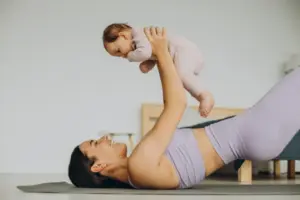
Regular postpartum movement can support cardiovascular fitness, help rebuild abdominal and back strength, improve energy levels, and make it easier to manage stress. It may also support better sleep and reduce symptoms of postpartum depression.
Exercise does not need to be intense to be useful. Short walks, gentle stretching, breathing exercises, and pelvic floor work can all count toward recovery, especially during the early weeks when sleep and healing are priorities.
Turn Your Passion for Fitness into a Profession
Learn practical skills, get certified, and step into the growing fitness industry with confidence.
Join the CourseWhen Can You Start Exercising?
The right starting point depends on your delivery, recovery, fitness level, and how you feel day to day.
| Recovery situation | When gentle activity may begin | When to be more cautious |
|---|---|---|
| Uncomplicated vaginal birth | Usually within a few days, once you feel ready | Avoid high-impact exercise until your body feels stable and strong |
| Cesarean birth | Gentle walking and pelvic floor exercises may be possible early, with medical guidance | Wait for wound healing; high-impact activity is often delayed for around 12 weeks or longer |
| Forceps or vacuum delivery | Follow your clinician’s advice | Pelvic floor exercises may need to wait until around six weeks |
| Complicated birth, heavy bleeding, infection, or significant tearing | Ask your healthcare provider first | Do not begin or progress exercise without personalised clearance |
A useful early goal is not to “get your pre-pregnancy body back” quickly. Instead, focus on restoring mobility, posture, pelvic floor control, and everyday strength.
The 2019 postpartum exercise guidelines, by the Association of Chartered Physiotherapists in Sports and Exercise Medicine, show that waiting can reduce the risk of many injuries such as hernias, falls, muscle tears, etc.
Become a General Fitness Trainer with Entri’s certified course!
Safe Exercises in the First 6 Weeks
During the earliest recovery period, keep activity low impact and comfortable. Start with a few minutes at a time and increase gradually only if you feel well.
1. Gentle walking
Walking is one of the safest ways to reintroduce movement. Begin with a short, easy walk, even if it is only around your home or garden, and gradually build up as your stamina improves.
A simple guideline is to walk at a pace where you can still hold a conversation. If you feel exhausted, dizzy, or uncomfortable, shorten the walk or take a rest day.
2. Pelvic floor exercises
Pelvic floor exercises, often called Kegels, help strengthen the muscles that support the bladder, uterus, and bowel. They can be especially helpful for urinary leakage and pelvic support after childbirth.
To do them, gently squeeze the muscles you would use to stop the flow of urine, hold for a few seconds, then fully relax. Aim for regular daily practice, but do not practise while actually urinating.
3. Posture and breathing exercises
Pregnancy and baby care can affect posture, particularly if you spend long periods feeding, carrying, or rocking your baby. Gentle rib and hip alignment exercises can help reduce stiffness and reconnect your core muscles.
Try standing or sitting tall, relaxing your shoulders, gently drawing your ribs over your hips, and taking slow breaths. Avoid forcefully sucking in your stomach or holding your breath.
4. Gentle stretching
Light stretches for the neck, shoulders, hips, and lower back can ease tension from feeding positions and carrying your baby. Move slowly and avoid deep twists or stretches that cause pain.
Safe Workouts From 6 to 12 Weeks
Between six and twelve weeks, many people can gradually add low-impact strengthening and aerobic exercise, provided recovery is going well. This is also a common time for a postnatal check-up, which is a good opportunity to ask whether your body is ready for more activity.
Low-impact cardio
Good options include:
- Brisk walking
- Stationary cycling on a flat surface
- Gentle aerobics
- Postnatal yoga
- Swimming, once bleeding has stopped, and any wounds or stitches have fully healed
For general health, many guidelines recommend building toward around 150 minutes of moderate-intensity aerobic activity each week. This can be divided into shorter sessions, such as 10 to 30 minutes at a time.
Gentle strength training
Bodyweight exercises can help rebuild strength for daily tasks such as lifting your baby, carrying bags, and getting up from the floor. Suitable options include:
- Small squats
- Wall push-ups or modified push-ups
- Glute bridges
- Standing rows using a resistance band
- Gentle lunges, if balance and pelvic comfort allow
Start with a small number of repetitions and focus on controlled movement. Stop if you feel pain, pressure, or leaking urine.

Turn Your Passion for Fitness into a Profession
Learn practical skills, get certified, and step into the growing fitness industry with confidence.
Join the CourseWhen Can You Run or Lift Weights Again?
High-impact exercise and heavier strength training place more demand on the pelvic floor, abdominal muscles, joints, and connective tissue. Many clinicians advise waiting until at least 12 weeks after birth before returning to running, jumping, intense circuit training, or heavier weightlifting.
This does not mean you must remain inactive. It simply means your body may benefit from a gradual return rather than jumping straight back into your previous routine.
Signs you may be ready to run
Before running, it can help to check whether you can:
- Complete pelvic floor exercises without difficulty
- Jog in place for about one minute
- Balance on one leg for around 10 seconds
- Hop on each leg without pain or loss of balance
- Perform basic single-leg strength movements with good control
If these movements feel difficult or cause symptoms, continue with walking, cycling, and strength work before progressing.
How to return to running safely
When you are ready, begin with short walk-run intervals rather than continuous running. For example, you might jog briefly, then walk for a longer period, repeating the pattern for a short session.
Increase the running portions slowly over several weeks. Avoid using a jogging stroller in the earliest return-to-running phase, as it can change your posture and increase the physical demand.
How to return to strength training
Start with bodyweight movements and focus on form. Squats, hip hinges, glute bridges, and controlled rows can help rebuild strength before adding external load.
When adding weights, begin light and increase gradually only when you can maintain good technique without holding your breath. Breath-holding can increase pressure on the pelvic floor and may raise the risk of injury.
Turn your passion into a profession with Entri’s Advanced Certified Personal Trainer Course!
Exercise After a C-Section
After a cesarean, your abdominal muscles and scar tissue need additional time to heal. Gentle walking is often encouraged once you feel able, but avoid lifting anything heavier than your baby, intense core work, and high-impact activity in the early weeks.
Full wound healing can take around 12 weeks, and many people need longer before returning to running, jumping, heavy lifting, swimming, or high-intensity classes. Get clearance from your healthcare provider before progressing.
Workouts to Avoid Early On
In the first 12 weeks, it is generally best to avoid or delay:
- Running and jogging
- Jumping or high-impact aerobics
- Heavy weightlifting
- Intense abdominal crunches or sit-ups
- Circuit training
- Contact or competitive sports
These activities can be reintroduced later, but only when your pelvic floor, core, and overall strength are ready. Starting too soon may worsen symptoms such as urinary leakage, pelvic pressure, or pain.
Warning Signs to Stop Exercising
Listen to your body throughout recovery. Stop the activity and contact your doctor, midwife, or physiotherapist if you notice:
- Sharp or sudden pain
- Urine leakage during exercise
- A heavy, dragging, or bulging feeling in the vagina
- Increased pelvic pressure
- Pain around a cesarean scar or perineal wound
- Unusual bleeding or dizziness
These symptoms do not necessarily mean exercise is unsafe forever, but they suggest your body may need more time or professional support. A pelvic health physiotherapist can assess pelvic floor strength and create a personalised return-to-exercise plan.
Exercise and Breastfeeding
Moderate exercise is generally considered compatible with breastfeeding and is not thought to affect milk supply or quality. Staying hydrated is especially important, so keep water nearby during and after workouts.
If high-intensity exercise causes discomfort or affects feeding, try feeding or expressing milk before your workout. A supportive, well-fitting sports bra can also improve comfort.
Simple Weekly Postpartum Exercise Plan
This is a general example, not a medical prescription. Adjust it based on your recovery and professional advice.
| Week | Focus | Example activity |
|---|---|---|
| Days 1–2 | Gentle movement | Short indoor walks, pelvic floor exercises, deep breathing |
| Weeks 1–4 | Build a routine | 5–20 minutes of walking, posture work, gentle stretching |
| Weeks 4–6 | Add gentle strength | Glute bridges, wall push-ups, small squats, pelvic floor training |
| Weeks 6–12 | Low-impact progression | Longer walks, stationary cycling, postnatal yoga, light resistance-band work |
| After 12 weeks | Higher-impact return | Gradual walk-run intervals, progressive strength training, fitness classes |
How Partners Can Support Postpartum Exercise
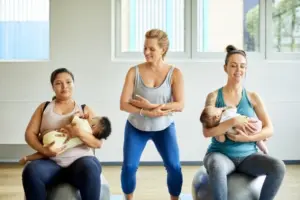
Recovery after childbirth is not only the mother’s responsibility. A supportive partner can make it easier for her to rest, heal, and gradually return to exercise.
- Encourage rest first: Remind her that recovery takes time and that gentle movement is more important than intense workouts in the early weeks.
- Take over baby care during workouts: Offer to watch the baby so she can take a walk, attend a postnatal class, or complete a short home workout without interruption.
- Help with household tasks: Cooking, cleaning, laundry, and grocery shopping reduce physical and mental pressure, giving her more time to recover.
- Be patient with her progress: Avoid commenting on her body, weight, or how quickly she is “getting back to normal.” Recovery is personal and varies for every mother.
- Support safe choices: Encourage her to follow her gynaecologist’s advice, especially after a C-section, complicated birth, or if she experiences pain or pelvic symptoms.
- Recognise warning signs: If she reports pain, heavy bleeding, dizziness, urine leakage, pelvic heaviness, or extreme fatigue, encourage her to stop exercising and speak to a healthcare professional.
- Make movement enjoyable: Suggest a family walk with the baby, which can help her stay active while spending time together.
- Watch for emotional changes: Exercise can support mood, but postpartum depression and anxiety are medical conditions. If she seems persistently low, overwhelmed, or detached, encourage professional support.
Final Thoughts
There is no single correct timeline for exercising after pregnancy. Some people feel ready for gentle walks within days, while others need several weeks or months before progressing, particularly after a cesarean or complicated birth.
The safest approach is to begin with low-impact movement, rebuild pelvic floor and core strength, and increase intensity gradually. If you experience pain, leakage, pelvic heaviness, or other concerning symptoms, pause and seek guidance from a qualified healthcare professional.
Turn Your Passion for Fitness into a Profession
Learn practical skills, get certified, and step into the growing fitness industry with confidence.
Join the CourseFrequently Asked Questions
When can I start exercising after a normal vaginal delivery?
If you had an uncomplicated vaginal birth, you may be able to start gentle activity, such as short walks and pelvic floor exercises, within a few days or as soon as you feel ready. Begin slowly and avoid high-impact workouts until your body feels strong and comfortable.
How long should I wait to exercise after a C-section?
After a C-section, gentle walking may be possible early, but intense core exercises, heavy lifting, running, and jumping should usually wait until your incision has healed and your doctor confirms you are ready. Many people need around 12 weeks or longer before returning to high-impact exercise.
Can I do Kegel exercises after giving birth?
Yes, pelvic floor or Kegel exercises can often be started gently in the first few days after birth, provided they do not cause pain. They help strengthen the muscles that support the bladder, uterus, and bowel, but avoid doing them while urinating.
Is it safe to exercise while breastfeeding?
Moderate exercise is generally considered safe while breastfeeding and is not usually expected to affect milk supply. Drink enough water, wear a supportive bra, and consider feeding or expressing milk before a workout if your breasts feel full or uncomfortable.
When can I start running after pregnancy?
Most people are advised to wait at least 12 weeks before returning to running, especially if they had a C-section, significant tearing, pelvic floor symptoms, or a complicated delivery. Before running, you should be able to walk comfortably, balance on one leg, jog in place, and perform basic strength movements without pain or leakage.
Which exercises should I avoid in the first 12 weeks?
Avoid or delay running, jumping, heavy weightlifting, intense abdominal crunches, sit-ups, and high-intensity interval training during the first 12 weeks. These activities place extra pressure on the healing pelvic floor and abdominal muscles.
What symptoms mean I should stop exercising?
Stop exercising and contact your doctor if you feel sharp pain, dizziness, pelvic pressure, a dragging sensation in the vagina, urine leakage, increased bleeding, or pain around a C-section scar or perineal wound. These symptoms may mean your body needs more recovery time.
Can exercise help with postpartum belly fat?
Exercise can support overall fitness, strength, and energy, but it cannot target fat loss from one specific area. A gradual combination of gentle movement, strength training, balanced nutrition, adequate rest, and realistic expectations is healthier than trying to lose weight quickly after childbirth.
Should I see a pelvic health physiotherapist?
A pelvic health physiotherapist can be especially helpful if you have urinary leakage, pelvic heaviness, pain during exercise or sex, abdominal muscle separation, or difficulty returning to impact exercise. They can assess your pelvic floor and create a safe, individual recovery plan.
What if I did not exercise during pregnancy?
You can still start after birth, but begin even more gradually. Start with short walks, pelvic floor exercises, and gentle stretching, then increase duration and intensity only when you feel comfortable and have discussed your plan with your doctor.