Table of Contents
The physical and mental well-being of a human being can be maintained with the aid of regular exercise. Regular exercise makes the body more active and responsive. The exercise results in the loss of body fluid through sweat.
The proper replacement of the body fluids is really important for maintaining proper balance. While you are engaging yourself in practising yoga, sports, weightlifting, dance or swimming, you sweat profusely and lose a major part of your body fluids.
–Exercise and physical activities result in water and fluid loss from the body
-Body hydration is essential for existence
-Never ignore the early signs of dehydration
-Regular intake of water can save you from dehydration
The sweating helps in the proper regulation of body temperature and helps the body to maintain and recover its balance. If the fluids are lost without proper replacement, it can result in dehydration. Dehydration is highly threatening, as it causes body exhaustion.
Dehydration should be treated with utmost caution. Since many people are unaware of the causes of dehydration and how it adversely affects the entire bodily function, they may consider it a less serious topic unless it affects overall performance.
Dehydration can occur commonly while doing exercises but is still overlooked by many. The people may start noticing it when it affects the health and daily development of their bodies.
Early detection of the signs of dehydration can help you to prevent further complications. Read on to understand the practical ways to avoid being exhausted by the lack of fluids in the human body.
What is dehydration?
Dehydration is the state of losing more fluids from the body without enough replacement. Losing body fluids can result in exhaustion. Water is the most essential element that keeps the body functioning properly.
Approximately 60% of the human body comprises water. And water is the most essential component required for all the bodily functions, starting from the transfer of blood from one cell to another to the filtration of waste through the digestive tract; water helps in the smooth flow.

- Nutrients transportation
- Temperature regulation
- Joint lubrication
- Muscle functioning
- Waste disposal
- Mineral transportation
The body, during any kind of physical activity, loses water and electrolytes in the form of sweat. The nerve signalling and muscle contractions take place with the essential electrolytes such as magnesium, calcium, sodium and potassium.
These minerals and fluids are regarded as the most essential components for maintaining energy levels. The lack of proper replenishment of these fluids and minerals will result in the disruption of the proper bodily functions.
The dehydration in its mild form directly affects the physical performance of a person, while its severe form can result in an immediate medical emergency.
During exercise, keep in mind the factors that contribute to severe dehydration.
- High-intensity training
- Long workout durations
- High temperatures
- Low intake of fluids before and after exercise
- Sweating profusely
- Heavy workout clothing
- Conditions such as diarrhoea, fever and vomiting
The body’s performance can be regulated with the aid of early detection of the symptoms of dehydration. This will help in the proper prevention and control of the symptoms. Keeping the body healthy and functioning involves a lot of effort.
Become a General Fitness Trainer and turn your passion into a Profession!
Turn Your Passion for Fitness into a Profession
Learn practical skills, get certified, and step into the growing fitness industry with confidence.
Join the CourseEarly Signs of Dehydration
Never ignore the warning signs from the body. Before falling off, the body will try to communicate its feelings through signalling.
Most of the people ignore those early warnings and fall into the trap of exhaustion. Look for these signs, which can help you to identify what your body is trying to communicate.
Increases thirst
The body’s natural signal that the body needs fluids. But the feeling of severe thirst occurs only when the body starts to feel dehydrated. So it is not necessary to look out for only the feeling of thirst to confirm the hydration status of your body.
Dry lips and mouth
Lack of hydration is visible in the dry and sticky mouth, chapped lips, and dry skin. This indicates that your body is desperately asking for hydration.
Less saliva production
When your mouth feels dry all the time, it indicates that the saliva production is comparatively lower. This is the body’s way of conserving the last drop of water for smooth body functioning. When you notice less saliva production, you have to confirm that your body is dehydrated.
Fatigue
The body struggles to transport oxygen and nutrients across cells effectively when it is dangerously hit by dehydration, which will result in fatigue, tiredness, weakness and low energy levels while doing exercise.
Headache
The reduced blood flow results in the headache. This can also trouble the electrolyte balance. The headache before and after your exercise should be considered an early sign of dehydration.
Dizziness
The insufficient transportation of the body fluids to each part of the body can result in lower blood pressure. This may result in dizziness and fatigue.
Muscle cramps
During and after the exercise, if you are facing muscle cramps, it is due to an electrolyte imbalance resulting from dehydration.
Sweat reduction
The fluid loss in the body can hinder sweat production and disrupt blood flow. If you sweat less, despite intense exercise, this indicates dehydration.
Early detection of the symptoms of dehydration will help you to get back to a hydrated lifestyle by saving both your body and mind.
Become a General Fitness Trainer and turn your passion into a Profession!
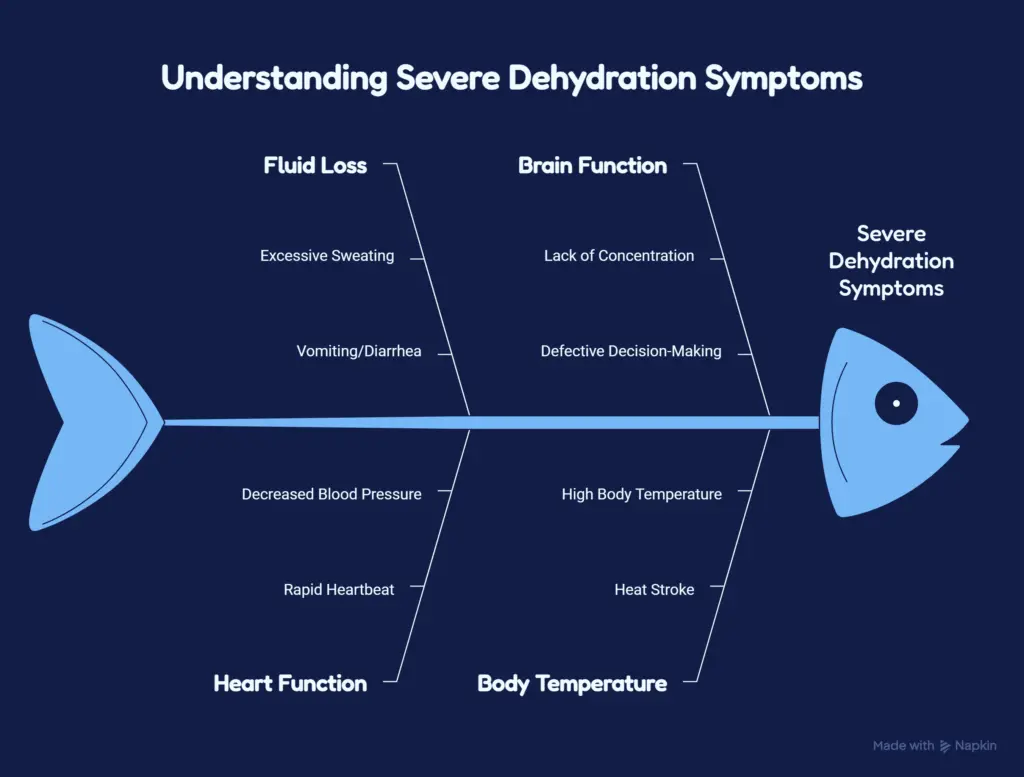
Severe Dehydration Symptoms
The dehydration symptoms should be considered seriously. Without early detection and treatment, dehydration may lead to dangerous conditions.
Extreme fatigue
Severe dehydration will result in a constant feeling of exhaustion and fatigue. The disruption in the transportation of the body fluids is the reason behind this constant feeling of exhaustion.
Rapid heartbeat
When the fluid level drops, the heart needs to work harder than usual to circulate blood efficiently. This results in an increased heartbeat.
Lack of concentration
The functioning of the brain solely depends on hydration. The brain needs hydration for proper functioning through the transportation of fluids. The loss of bodily fluids may result in defective decision-making.
Decreased urination
Less urination is an early sign of the body’s tendency to conserve water.
Sunken eyes
Due to the excessive fluid loss, the eyes may appear sunken. This is because the fluids are not reaching the body tissues sufficiently.
Nausea
The gastrointestinal discomfort will result in nausea, and the major reason behind it is dehydration.
Fainting
As the dehydration worsens, the blood pressure drops, and it will result in fainting.
Heat stroke
The heat-related illness will increase due to dehydration in the body. Heat stroke will result from high body temperature. It can also result in loss of consciousness.
The symptoms of dehydration should be detected early. If not treated properly, your body will fall apart.
Become a General Fitness Trainer and turn your passion into a Profession!
Effects on Workout Performance
Many workout enthusiasts focus on physical training and nutrition but overlook hydration. The physical performance will be deeply affected by dehydration.
Decrease in physical strength and output during workouts
The exercise performance will be deeply affected by the lack of sufficient water content in the body.
Endurance reduction
The dehydration affects the blood volume level, and the delivery of oxygen to the muscles will be reduced. This causes fatigue and weakness.
Strength reduction
The contraction of the muscles largely depends upon the proper hydration of the body. The power and strength during the training will be reduced if the body lacks water content.
Lack of focus
The brain function will be impaired if the body lacks water. The focus, coordination and concentration will be lost eventually, and this will lead to impaired brain function.
Fatigue
The cardiovascular system never works well if your body lacks water, and this will result in poor performance of the body during the times of workouts.
Slower recovery
The waste products in the blood will be removed with the aid of water. The water helps in the transportation of the nutrients as well. The recovery of the body will be slowed down due to the lower fluid content in the body.
Risk of overheating
Without a sufficient amount of water in the body, the body temperature will rise uncontrollably, and this can lead to overheating.
Turn Your Passion for Fitness into a Profession
Learn practical skills, get certified, and step into the growing fitness industry with confidence.
Join the CourseHow to Prevent Dehydration
Healthy hydration can prevent dehydration in the human body.
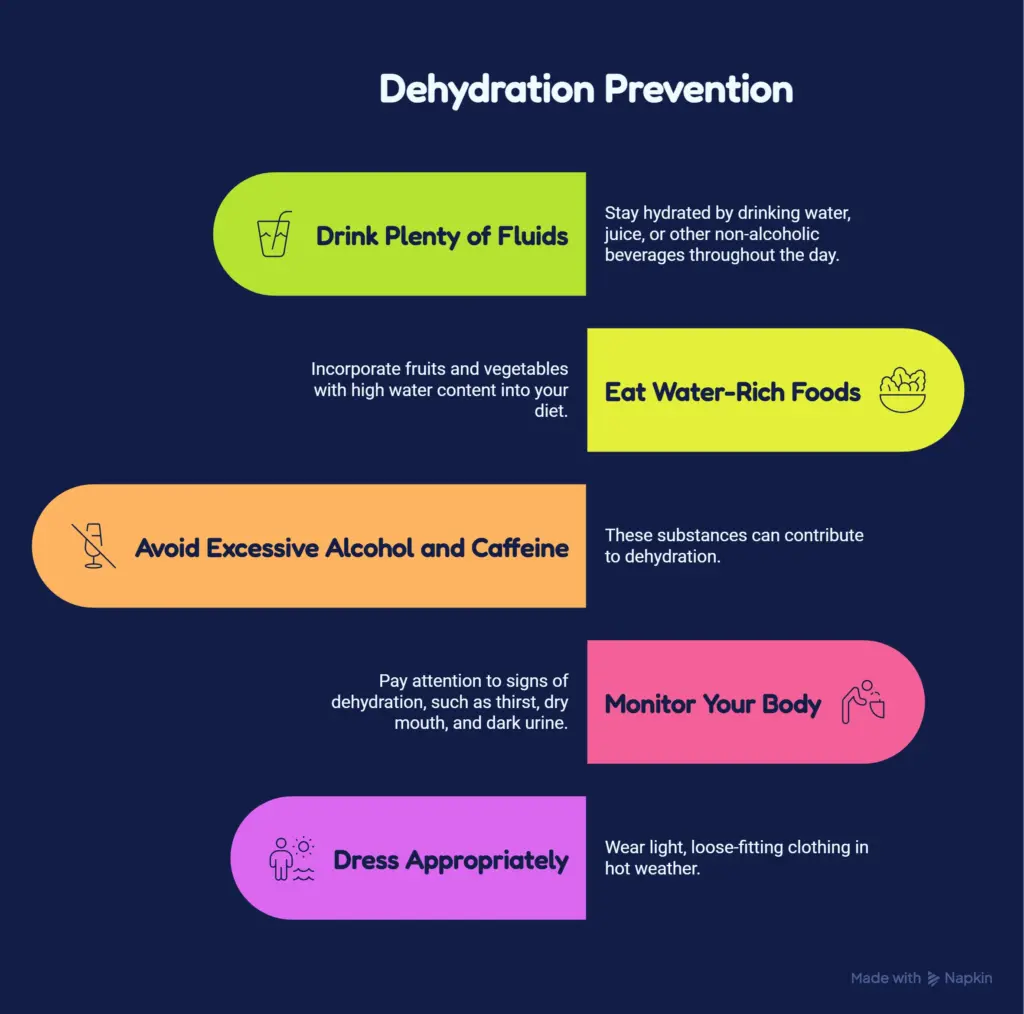
Daily consumption of water
- Drink water consistently on a regular basis at regular intervals.
- Before exercise, hydrate.
- Don’t forget to drink about 500-600 ml of water 2-3 hours before your workout. And 300 ml of water 20 minutes before exercise.
- Consumption of water during exercise
If you are working out for longer hours or in hot weather, take small sips of water on a regular basis.
Electrolytes replacement
- Replenish electrolytes in between the intervals or consume electrolyte solutions to boost the mineral content in the body that is lost through sweating.
- After exercise rehydrate
- The replenishment and replacement of the fluids should happen after exercise. Once you complete your exercise, make sure that you are drinking enough water.
Water-rich food consumption
You can add hydrating foods to your daily diet.
- Lettuce
- Cucumbers
- Watermelons
- Strawberries
- Oranges
- Tomatoes
Urine colour monitoring
Good hydration is the key to healthy habits. The pale yellow urine should be the colour of the urine, which suggests healthy hydration.
Carry a water bottle
Throughout the day, carry a reusable water bottle to drink water at regular intervals.
Conclusion
The exercise performance and health will be deeply affected by dehydration. The early symptoms of dehydration should never be ignored. The headache, fatigue, thirst, dizziness, and dry mouth are symptoms that should never be ignored.
Muscle cramps are another strong sign of dehydration, which results in dehydration. The dehydration can even result in serious health situations, including heatstroke and exhaustion.
You can prevent dehydration by looking out for the early symptoms. Staying hydrated before, during, and after the time of exercise. The electrolytes should be replaced during prolonged workouts. The body signals should never be ignored. Keep yourself hydrated and make a healthy tomorrow.
Turn Your Passion for Fitness into a Profession
Learn practical skills, get certified, and step into the growing fitness industry with confidence.
Join the CourseFrequently Asked Questions
What is dehydration?
Dehydration is the state of losing more fluids from the body without enough replacement. Losing body fluids can result in exhaustion. Water is the most essential element that keeps the body functioning properly.
Can dehydration affects the brain function?
The brain function will be impaired if the body lacks water. The focus, coordination and concentration will be lost eventually, and this will lead to impaired brain function.
Is electrolytes replacement necessary for healthy body?
Yes. Replenish electrolytes in between the intervals or consume electrolyte solutions to boost the mineral content in the body that is lost through sweating.
What is heat stroke?
The heat-related illness will increase due to dehydration in the body. Heat stroke will result from high body temperature. It can also result in loss of consciousness.
Can dehydration result in dehydration?
Severe dehydration will result in a constant feeling of exhaustion and fatigue. The disruption in the transportation of the body fluids is the reason behind this constant feeling of exhaustion.