Table of Contents
The child’s first day at school is easier when parents prepare things beforehand. It can be the child’s routine, expectations, and emotions in advance. The early days may still bring tears, hesitation, or trouble.
Realize that it is a normal part of adjustment. Consistent routines, short goodbyes, and child-centred classroom support often make the transition smoother.
Starting school is one of the biggest milestones in a child’s early life. For parents, it can feel emotional, overwhelming and at the same time exciting.
Questions about readiness, separation anxiety, and classroom adjustment are common. The good news is that most children adapt well when they feel supported, safe, and prepared before the first day.
Register for the Entri Elevate Montessori Teacher Training Program! Join Now!
Key Takeaways
- Keep those goodbyes short and sweet, rather than dragging them out and making it all emotional.
- Sort out a nice regular routine for getting them to bed on time, having a meal and getting up in the morning – all that helps build confidence and keeps anxiety at bay.
- And don’t worry if your kid cries a bit those first few days – it’s perfectly normal and usually passes pretty quickly.
- If you can get them doing some independence activities – like the ones you find in Montessori places – it can really help with building that sense of capability and security.
- Try not to compare your kid with others – and definitely don’t try and use the threat of school to get them to behave.
- And the most important thing of all? Make sure you and the teachers are on the same page, so that you can both make the transition as smooth as possible.
- In most cases, all it takes is a bit of reassurance and consistency to get your kid settled in – and that usually happens within a few short weeks.
Why the First School Experience Matters
1: What is the primary focus of the first plane of development in the Montessori method?

Your child’s first school experience sets more than just the tone for their future academic learning. It’s also where they start to pick up on routines, social interaction, independence and just how they cope with all the emotions that come with being outside the home.
The first few weeks of school will often go on to influence how your child feels about classrooms, teachers and learning environments in the future. If those early experiences are positive, you might find they get more confident, curious and emotionally secure.
Kids learn loads of important life skills during this stage – things like:
- Actually listening to instructions
- Sharing and getting on with others
- Managing short periods of being away from you
- Working to a routine
- Verbally expressing what they need and want
Parents who focus on getting their kids emotionally ready, rather than just stocking up on school supplies, usually find they settle in a lot faster.
Get Certified & Start Your Montessori Career
Montessori Teacher Training Course by Entri App: Gain expert skills, earn certification, and kickstart your teaching career.
Join Now!Is Your Child Ready for School?
School readiness does not mean perfection. Every child develops differently, and many children may need support in some areas while being strong in others.
School Readiness Checklist
| Readiness Area | Signs Your Child May Be Ready |
| Emotional Readiness | Can stay with another trusted adult for short periods |
| Social Skills | Shows interest in playing or interacting with other children |
| Communication | Can express basic needs like hunger or toilet needs |
| Self-Help Skills | Attempts dressing, eating, or washing hands independently |
| Listening Skills | Follows simple instructions |
| Routine Adaptability | Can transition between activities with support |
| Attention Span | Can sit for short activities like stories or drawing |
Children do not need to master every skill before school begins. Readiness grows gradually through practice and encouragement.
How to Prepare Before School Starts
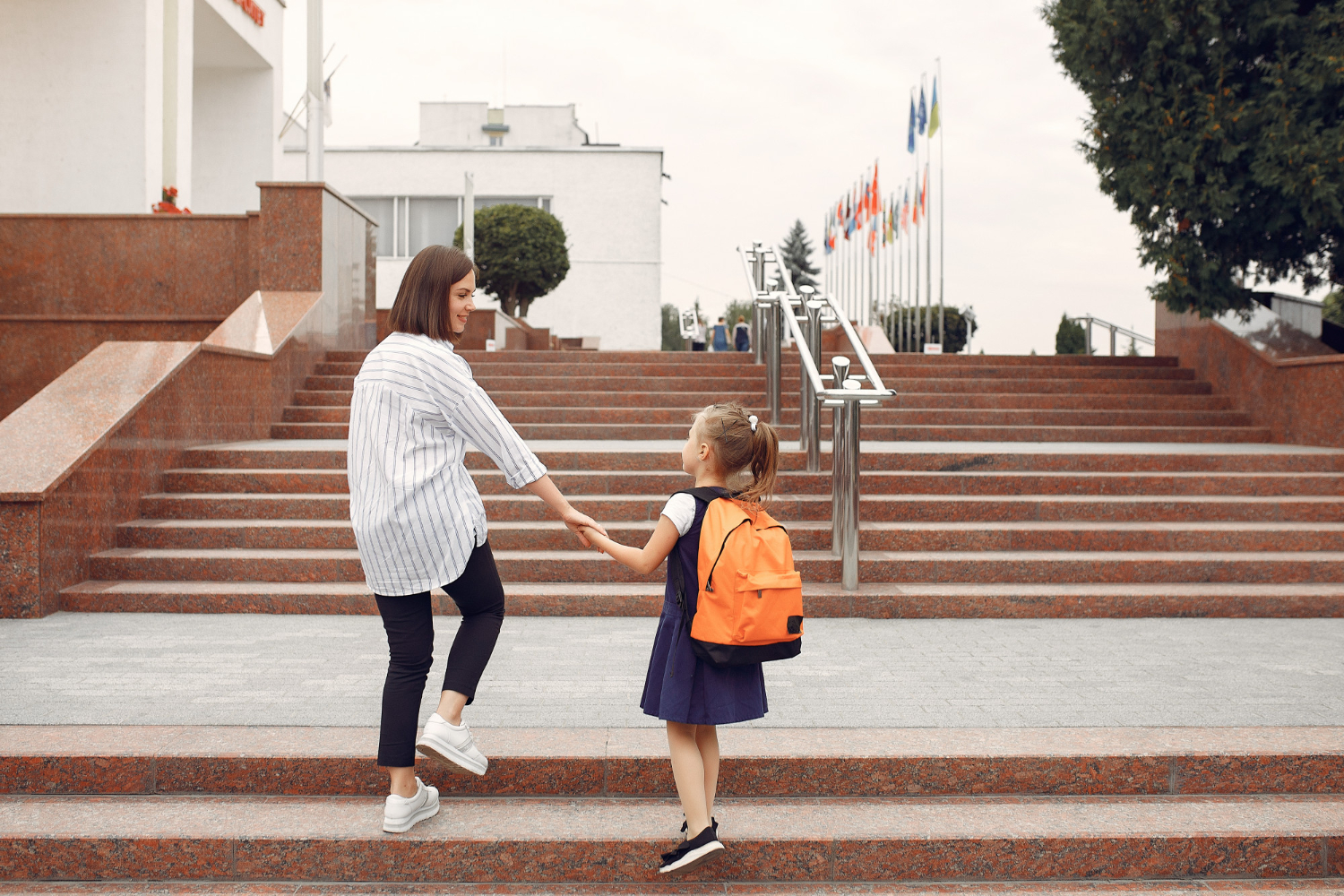
Preparation works best when it begins a few weeks before school starts. Small changes at home can make the transition smoother.
Build a Consistent Routine
Start adjusting:
- Bedtime
- Wake-up time
- Meal schedules
- Morning preparation habits
A predictable routine helps children feel secure and reduces first-day stress.
Practice Separation
Short separations with grandparents, relatives, or trusted caregivers can help children understand that parents always return.
Talk Positively about School
Use simple and encouraging language such as:
- “You’ll meet new friends.”
- “Your teacher will help you.”
- “School is a fun place to learn and play.”
Avoid discussing fears or worries repeatedly in front of the child.
Visit the School if Possible
Familiarity reduces anxiety. Seeing classrooms, playgrounds, or teachers beforehand can make the environment feel less intimidating.
Encourage Independence
Simple daily activities help children feel capable:
- Packing toys away
- Wearing shoes
- Washing hands
- Carrying a small bag
- Eating independently
What to Pack for the First Day
Packing thoughtfully helps children feel comfortable and prepared.
First-Day Packing Checklist
| Item | Why It Helps |
| School Bag | Keeps belongings organised |
| Water Bottle | Encourages hydration |
| Healthy Snack/Lunch | Maintains energy levels |
| Extra Clothes | Helpful for spills or accidents |
| Tissues/Napkins | Supports hygiene |
| ID Labels | Prevents lost belongings |
| Comfort Item (if allowed) | Provides emotional reassurance |
| Small Towel | Useful for cleanliness and routines |
Choose lightweight and child-friendly items whenever possible.
Get Certified & Start Your Montessori Career
Montessori Teacher Training Course by Entri App: Gain expert skills, earn certification, and kickstart your teaching career.
Join Now!What to Expect on the First Day
The first day may not always look picture-perfect and that is completely normal.
Most school mornings follow a similar pattern:
- Arrival at school
- Greeting teachers
- Goodbye from parents
- Classroom transition
- Activities or playtime
- Snack or lunch break
- Pickup time
Some children enter happily. Others may cry, cling, or stay unusually quiet. These reactions are common during adjustment.
Teachers are trained to support transitions and comfort children during the settling-in process. Many children calm down shortly after their parents leave.
How to Handle Separation Anxiety

Short, calm, and predictable goodbyes usually work better than emotional exits. Children often take emotional cues from parents.
Helpful Ways to Reduce Separation Anxiety
- Keep farewells brief and reassuring
- Maintain a consistent drop-off routine
- Arrive on time daily
- Avoid sneaking away without saying goodbye
- Trust the teacher’s guidance
Do’s and Don’ts for Parents
| Do’s | Don’ts |
| Stay calm during drop-off | Prolong goodbyes |
| Use reassuring language | Threaten school as punishment |
| Follow routines consistently | Compare your child with others |
| Praise small progress | Show visible panic or guilt |
| Communicate with teachers | Make sudden routine changes |
Children usually adapt more smoothly when parents remain confident and emotionally steady.
Montessori Approach to School Adjustment
Montessori classrooms are designed to encourage confidence, independence, and self-directed learning. This approach often helps first-time school children adjust gradually and comfortably.
Instead of strict pressure-based learning, Montessori environments focus on:
- Child-sized furniture and tools
- Hands-on activities
- Practical life exercises
- Gentle teacher guidance
- Freedom within structured routines
These environments help children feel capable and involved rather than overwhelmed.
Montessori Support vs Home Support
| Montessori Classroom Support | Parent Support at Home |
| Structured routines | Consistent daily schedules |
| Practical life activities | Encouraging independence |
| Calm learning spaces | Reduced screen distractions |
| Gentle transitions | Positive conversations about school |
| Child-led exploration | Patience during adjustment |
The combination of school support and home consistency often improves confidence significantly.
Common Mistakes Parents Should Avoid

Parents naturally want the best for their child, but certain actions can unintentionally increase stress.
Avoid these Common Mistakes
- Using school as a punishment
- Comparing adjustment speed with other children
- Creating long emotional goodbye scenes
- Talking negatively about teachers or school
- Overloading the child with expectations
- Changing routines suddenly before school starts
- Asking too many questions immediately after pickup
Children benefit more from reassurance, patience, and predictable routines.
When to Seek Help
Most children settle into school within a few weeks. However, some signs may indicate that additional support is needed.
Consider Speaking to the Teacher or Pediatrician if:
- Intense distress continues for several weeks
- The child refuses school consistently
- Sleep or eating problems become severe
- Regression increases significantly
- Anxiety affects daily functioning at home
Early support can make adjustment easier and prevent long-term stress.
Register for the Entri Elevate Montessori Teacher Training Program! Join Now!
Conclusion
The first school experience will be a whole lot easier if parents take the time to get prepared early, keep their cool and establish routines that work consistently. Your little one will probably put up a bit of a fight initially – tears and hesitation are to be expected. But chances are they’ll slowly start to grow in confidence once they start feeling safe and supported.
Rather than trying to tackle the whole ‘back to school’ thing with a big push for instant perfection, just focus on making some small changes to your daily routine that are going to make a positive difference. A calm goodbye, some regular encouragement and trusting that this transition thing will all work out can make a whole world of difference to your child’s school experience.
|
RELATED POSTS |
|
| Balanced Diet for Montessori-Aged Children: What Parents Should Know | |
| Montessori vs Anganwadi: What’s the Difference? | |
|
How to Use Montessori Methods for Your Child’s Growth at Home? |
|
Get Certified & Start Your Montessori Career
Montessori Teacher Training Course by Entri App: Gain expert skills, earn certification, and kickstart your teaching career.
Join Now!Frequently Asked Questions
How do you get your kid ready for their first day of school?
Well first off, start practicing those everyday routines like getting to bed a bit earlier, getting dressed on your own, and some short periods of separation a few weeks before the school term starts. And don’t forget to have some positive chats about school – it’s amazing how much that sort of thing can help a kid feel more confident.
Is it normal for kids to bawl their eyes out on the first day of school?
Yeah, crying is pretty much a given at this point in time, especially that first adjustment period. Most of the time the kid will calm down pretty quick once you’ve left them in the classroom.
How long does it actually take for your kid to get used to school?
Well, a lot of kids settle in within two to four weeks. But some take a little bit longer depending on their personality and how they’ve handled separation in the past.
If my kid is going to cry the day I leave them off, should I stick around longer?
Long goodbyes can sometimes make things worse and increase the anxiety levels. Really a calm, short and predictable goodbye is usually the way to go.
How do Montessori schools help with kids who are going to school for the first time?
Well, in a Montessori classroom the kids are encouraged to be as independent as possible and things are set up to make the transitions as smooth as possible with some really structured activities and a really child-friendly environment. It’s amazing how well some kids take to this approach.
If my kid suddenly decides they're not going to talk about school at all, what's the deal?
Some kids just need a bit of time before they’re ready to share their experiences. Rather than trying to pry it out of them, just ask them some simple question in a relaxed way during play or while you’re having a meal.
Can I actually increase my kid's school anxiety unintentionally?
Yes. If you’re stressing out yourself or constantly reassuring them or talking about school in a negative way, that can actually make things worse. Kids can pick up on our emotions pretty easily.
What sort of bedtime routine should I stick to before school starts?
Well the key is a consistent sleep schedule and doing some calming activities before bedtime like reading or some quiet play. Try to avoid screens close to bedtime.
How do teachers actually help kids settle in?
Teachers use a bunch of different techniques to make kids feel more at home – like routines, play activities, calming words, and even just introducing them to some of their classmates.
When should I seek out some professional help because my kid is getting really anxious about school?
If their anxiety levels are pretty severe and it’s affecting their eating, sleeping or daily functioning then it’s probably a good idea to get some support in place and get some guidance as early as possible so you can all get through this transition more smoothly.