Table of Contents
Be it any new month, it brings in a set of regulatory updates that silently influence how you manage your wallet. However, the financial changes June 1 2026 are quite different. The simple reason is that they directly impact everything, right from your kitchen expenses and daily digital payments to your long-term tax filing habits.
The leading regulatory authorities of India such as the Reserve Bank of India (RBI) and the National Payments Corporation of India (NPCI) have introduced rules with the aim of curbing cybercrime and streamlining the domestic economy. Be it a business owner buying commercial cooking gas, a salaried employee planning your taxes, or an everyday consumer scanning a QR code at a local store, the way you perform your routine transactions will not be the same any more.
By being well-informed about the financial changes June 1 2026, you can adjust your budget, protect your money from digital scammers, and stay perfectly compliant with the law.
Ace your personal finance journey with Entri’s Personal Finance Online Course. Join Now!
Key Takeaways:
- Enhanced UPI Security: Mandatory real-name recipient previews and biometric authentication for high-value transfers protect users from digital fraud.
- Hike in Commercial LPG Prices: The price of a 19-kg commercial cylinder has increased by ₹42 to ₹53.50 across major cities, though domestic cooking gas price remains unchanged.
- Advance Tax Updates: The countdown begins for the first advance tax installment under the new Income Tax Act, along with higher allowances for salaried professionals.
- Credit Card Revisions: Several leading banks have rolled out capped reward points on utility payments and added transaction fees for rent or educational expenses.
UPI Gets Safer: Real-Name Verification and High-Value Security
1: What is a stock?

The Unified Payments Interface (UPI) is the absolute backbone of digital payments in India. With billions of real-time transactions taking place monthly, it has also become a prime target for impersonation scams, phishing, and misdirected money transfers. To fight this menace, major financial changes June 1 2026 have been implemented to make your digital payments safer.
The Real-Name Display Rule
Imagine that you scanned a QR code or entered a mobile number on payment applications like Google Pay, PhonePe, or Paytm. Prior to 1st June 2026, the app would often pull up the name saved in your contacts list or a custom business alias created by the recipient. However, the danger in that system was that scammers routinely abused this by setting up deceptive names to mimic legitimate businesses or relatives.
From June 1, all UPI applications are legally mandated to bypass custom contact names and display the recipient’s official bank-registered name directly derived from the core banking server. Before you enter your UPI PIN, a clear preview screen will reveal exactly whose bank account is receiving the money, effectively eliminating identity spoofing.
Biometric Verification for Large Transfers
If you regularly use digital apps for high-value transactions, your smartphone security is about to become your payment guard. For transfers exceeding standard individual thresholds, simple 4-digit or 6-digit PINs will no longer suffice.
Apps are rolling out mandatory two-factor authentication utilizing your phone’s facial recognition or fingerprint scanner. This prevents unauthorized users from wiping out funds if your device or PIN is compromised. Furthermore, cardless ATM cash withdrawals executed via UPI QR codes will now be formally counted against your bank’s monthly free transaction limits.
Kitchen Budgets vs. Commercial Costs: LPG Prices Hiked
Globally, energy markets remain volatile and this demands a direct reaction in India’s fuel pricing framework. State-run oil marketing companies have announced targeted price revisions that took effect on the first of the month.
The Commercial Gas Hike
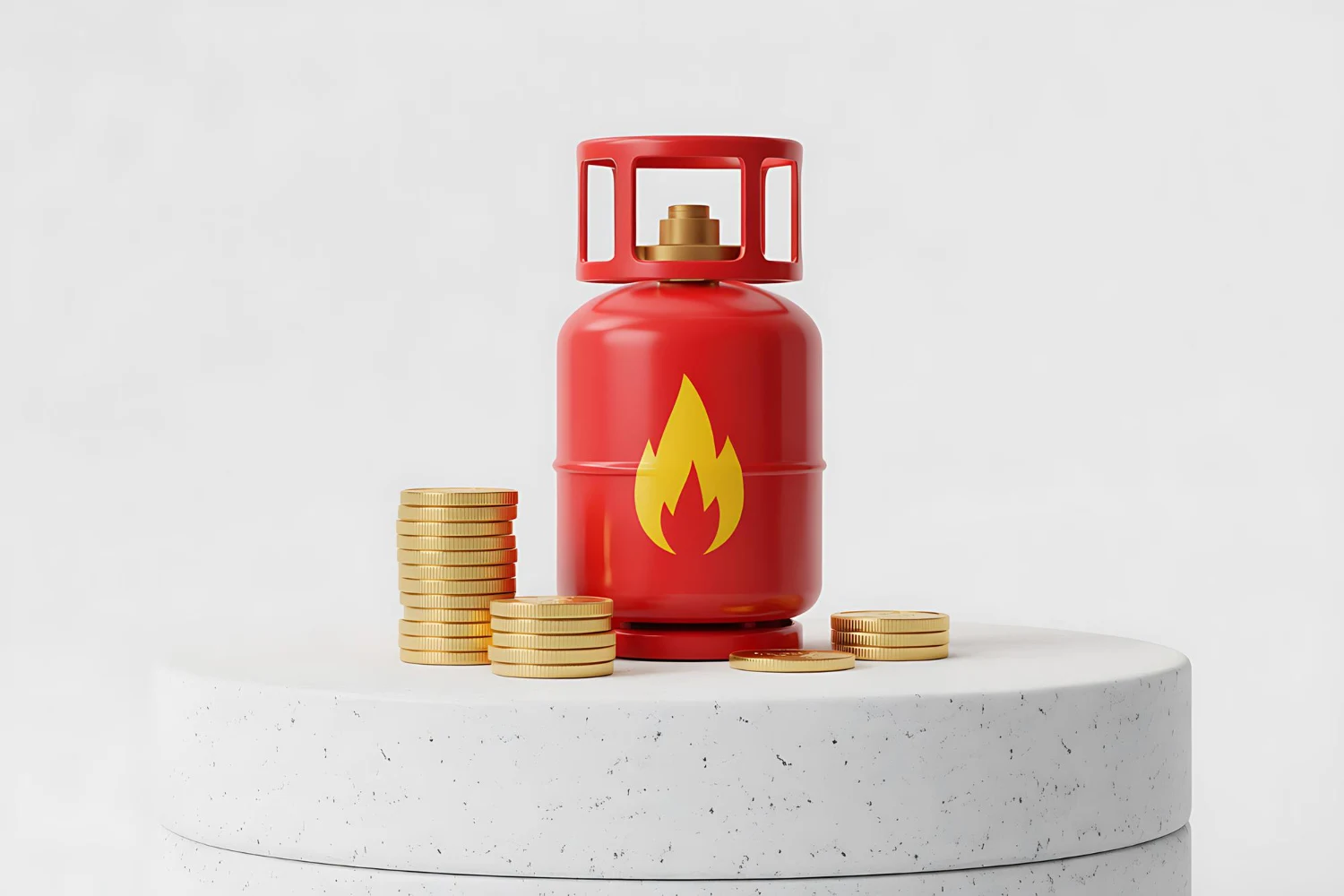
Used by hotels, restaurants, local dhabas, and catering businesses across India, a 19-kg commercial LPG cylinder’s price has been hiked by ₹42 to ₹53.50 depending on the city.
- In Delhi, a commercial cylinder now costs ₹3,113.50 and it has gone up by ₹42.
- In Kolkata, the hike is steeper at ₹53.50, elevating the retail price to ₹3,255.50.
- In Mumbai and Bengaluru, prices have surged to ₹3,067.50 and ₹3,198 respectively.
For small business owners and the hospitality sector, this marks an intensive surge in input costs. Over the past five months, commercial gas prices have nearly doubled, leaving restaurant owners with a tough choice: absorb the losses or pass the burden onto the end consumer by raising menu prices.
Relief for Households
A big relief among the financial changes June 1 2026 is that domestic LPG cylinder prices (14.2 kg) remain completely unchanged. Thus, the Indian households can breathe a sigh of relief as there would not be any change in their monthly cooking gas budget.
To ensure long-term stability and counter supply issues in the Middle East, the Ministry of Petroleum has instructed oil marketing companies to maintain strategic fuel reserves capable of handling at least 30 days of domestic demand.
Income Tax Act Framework and Advance Tax Deadlines
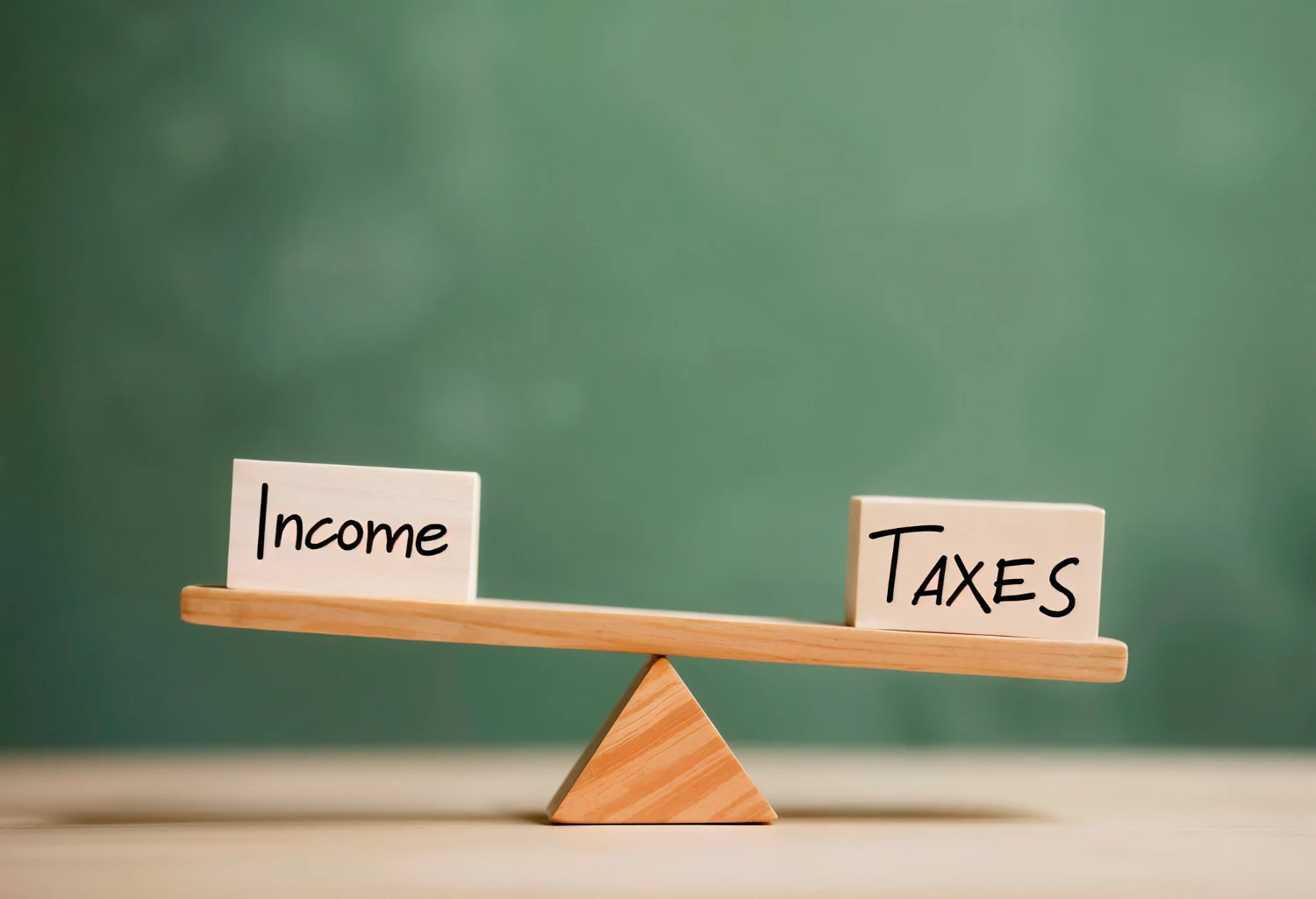
As June progresses, taxpayers must brace themselves for critical compliance steps. The country is navigating its financial cycles under the newly structured Income Tax Act, which significantly streamlined old legislative jargon, condensing hundreds of complicated provisions into plain text.
The June 15 Advance Tax Deadline
While the month begins on June 1, it kicks off the countdown to June 15, 2026, which is the hard deadline for paying the first installment of advance tax for the Financial Year 2026-27.
If your estimated net tax liability for the year exceeds ₹10,000 after accounting for TDS, you must securely deposit 15% of your total tax liability by this date. Ignoring this deadline triggers a costly 1% monthly interest penalty under updated compliance frameworks.
On the bright side, individuals opting for the old tax regime can claim substantially higher exemptions starting this period. The changes provide massive relief to the salaried class: If you love collecting reward points on credit cards to fund your vacations or shopping sprees, it is time to check your email inbox for revised terms and conditions. Multiple private and public sector banking giants have adjusted their credit portfolios as part of the operational financial changes June 1 2026. These aggressive structural changes mean consumers can no longer exploit credit cards for free short-term liquidity on high-value items like rent or tuition without facing added fees. Trusted, concepts to help you grow with confidence. Enroll now and learn to start investing the right way.
Beyond everyday banking, regulatory shifts are hitting investors and eco-conscious homeowners alike. For retail traders executing trades in the Futures & Options (F&O) segment, the Securities and Exchange Board of India (SEBI) has rigorously enforced the 50:50 cash-to-collateral margin rule. Under this framework, active derivative traders must maintain at least half of their operational trading margins in actual cash or cash-equivalent instruments. You can no longer rely solely on pledging your long-term equity stock portfolio to carry high-risk derivative positions. Coupled with elevated Securities Transaction Tax (STT) rates, trading derivatives demands strict capital management. Homeowners looking to minimize their electricity bills by installing rooftop solar setups must adapt to a major policy shift. To receive direct government financial subsidies or register for net-metering benefits, consumers must source solar modules exclusively listed under the Approved List of Models and Manufacturers (ALMM). While this structural move acts as a massive boost for local Indian manufacturing, it may lead to a minor, temporary increase in initial procurement and installation costs. Ace your personal finance journey with Entri’s Personal Finance Online Course. Join Now! The structural financial changes June 1 2026 mark a visible transition toward a more tightly regulated, digitally secure, and self-reliant Indian economy. The sharp escalation in commercial LPG cylinder prices introduces inflationary pressures on eating out. Also, the strict real-name UPI verification protocols provide a much-needed layer of safety against rampant cyber fraud. At the same time, changes in credit card structures demand a swift rethink of how we pay our monthly utility bills and rent. Once you are well-aware of these new regulations, you can plan for upcoming tax deadlines and utilize the expanded HRA exemptions in an efficient manner. This helps you can protect your hard-earned money and make smarter financial moves for the rest of the year. Trusted, concepts to help you grow with confidence. Enroll now and learn to start investing the right way.
No. The price hike applies exclusively to 19-kg commercial LPG cylinders. The rates for 14.2-kg domestic cooking gas cylinders remain entirely unchanged, offering relief to household kitchens. To eliminate payment scams, all UPI apps must now display the recipient’s official bank-registered name on the screen before you type your PIN, rather than displaying custom nickname labels. The deadline to pay your first installment (15% of your total estimated tax liability) is June 15, 2026, applicable if your net tax due exceeds ₹10,000. Yes. Multiple banks have introduced processing fees on rent and educational payments via credit cards, while cards like the ICICI Amazon Pay have completely stopped giving reward points on rent. For high-value transactions, popular payment apps are rolling out compulsory facial recognition or fingerprint scans along with your PIN to verify identity and block fraud. The tax-exempt limit for Children’s Education Allowance has climbed to ₹3,000 per month, and Hostel Allowance has reached ₹9,000 per month, helping lower taxable income. F&O traders must maintain at least 50% of their mandatory trading margin in cash or cash-equivalent instruments. The remaining 50% can be covered by pledged stock collateral.Enhanced Allowances for Salaried Employees
Credit Card Rewards and Fee Restructuring

Bank Name
Major Credit Card Changes
ICICI Bank
Discontinuation of the popular 1% reward points benefit on rent payments made via Amazon Pay co-branded cards.
Bank of Baroda
Increase in the monthly interest rate on its One Co-branded Credit Card from 3.49% to 3.75%.
Kotak Mahindra Bank
Imposed strict caps on reward points earned through utility bills and introduced processing fees for school fees and rent payments.
HDFC Bank
Modification of communication channels; SMS alerts will only be sent for outgoing UPI payments above ₹100 and incoming transactions above ₹500.
Stock Market Training Reviewed & Monitored by SEBI Registered Investment Advisor
Stock Market Margins and Solar Subsidies
SEBI’s 50:50 Margin Rule
New Rules for Rooftop Solar Systems
Conclusion
Stock Market Training Reviewed & Monitored by SEBI Registered Investment Advisor
Frequently Asked Questions
Will my domestic cooking gas cylinder become costlier after June 1, 2026?
What is the new real-name rule for UPI transactions?
When is the first advance tax deadline for FY 2026-27?
Are there any extra charges for paying rent using credit cards?
What is the new biometric security update for UPI users?
How have salaried employee tax allowances changed under the old regime?
What is SEBI’s 50:50 margin rule for stock traders?