Table of Contents
Yoga philosophy is the core of Yoga Teacher Training programme without which you will just be teaching movements. The prime aim of yoga should be transformation and for that you need a grasp of the philosophy.
This draws from the classical Indian texts such as the Yoga Sutras of Patanjali that form the complete framework for meaningful, ethical and self-aware teaching.
The most recognized curricula of the time are 200-hour and 300-hour YTT. These list the philosophy as a mandatory component that makes structured learning possible. So, the philosophy part is not an option you may pick.
Discover the Art of Teaching Yoga – Join Our Teacher Training Program!
Key Takeaways
- Yoga philosophy is a compulsory pillar in accredited 200-hour and 300-hour YTT programmes, not an optional content.
- It draws from classical texts including the Yoga Sutras of Patanjali, Bhagavad Gita, and the Upanishads.
- The eight limbs of yoga extend well beyond asana — they guide ethical living, breathwork, meditation, and inner focus.
- Studying yama and niyama gives teachers a clear ethical compass for safe, inclusive, and trauma-aware teaching.
- Philosophy transforms how you teach: your themes, cues, and presence carry genuine depth instead of scripted instruction.
- Personal transformation, with better emotional regulation, clarity, and compassion, is a direct outcome of deep philosophy study.
What is Yoga Philosophy?
1: Which of these is the primary goal of yoga practice?
Yoga philosophy is primarily built with a body of principles, ideas and practices that makes you realize what yoga really is. It is not just about postures and being flexible. This includes examining the nature of the mind, the meaning of ethical living, the roots of suffering and the path of genuine inner freedom.
The foundational texts like the Upanishads and the Yoga Sutras of Patanjali imparts the philosophy into this. They are not some abstract ideas that were applicable only in the ancient times. They are said to offer remarkable practical guidance on how to live with some clarity and compassion in day-to-day life.
The shift in perspective from how to do the pose perfectly to how can doing this change my lifestyle makes it purposeful. This separates a technically skilled instructor from a truly impactful trainer.
Become a Certified Yoga Instructor
Yoga Teacher Training Course by Entri App: Master authentic yoga techniques, earn certification, and build a successful career as a professional yoga instructor.
Join Now!Why Yoga Philosophy is Central to Yoga Teacher Training
Philosophy is recognized as the core pillar of yoga training alongside anatomy, asana, pranayama and teaching methodology. As a trainee you need to understand why yoga exists as such and why practising it matters. Here is what philosophy brings to the table in YTT:
A complete framework for yoga as a path, not just a practice.
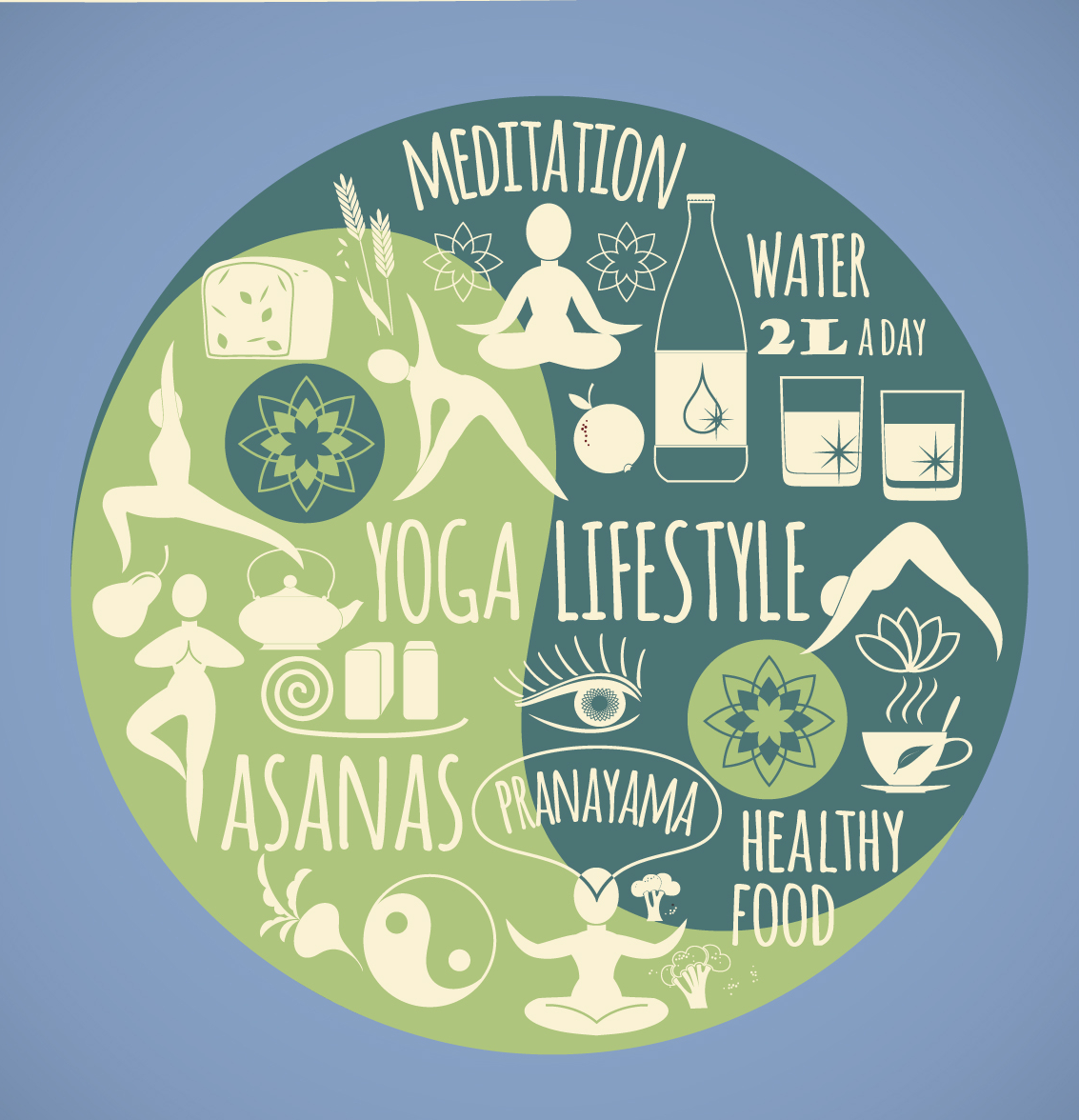
The eight limbs of yoga show students that yoga is a whole way of life.
- Yama
- Niyama
- Asana
- Pranayama
- Pratyahara
- Dharana
- Dhyana
- Samadhi
Asana is just the third limb. Understanding all eight fundamentally changes how you plan and present classes.
Ethical grounding for real classroom situations.
A practical ethical code is laid by the yamas or restraints and niyamas or observances. The concepts like satya or truthfulness, ahimsa or non-violence and saucha or cleanliness form the flow of how you communicate, create consent, handle adjustments and hold boundaries with the students.
Tools for addressing what students actually bring to the mat.
If you are a teacher who understands philosophical concepts like self-study, non-attachment and mindfulness can meet students with genuine empathy. People come to yoga classes carrying all their stress, anxiety, burnout and grief. You should guide them responsibly without overstepping your professional limits.
Depth that makes your teaching authentic.
Once you understand the philosophy behind these, your class themes and cues turn to be natural as from lived experiences and wisdom. This makes your sessions distinct from memorized scripts and learners will feel that presence.
Key Texts and Concepts Covered in YTT

Most 200-hour and 300-hour YTT programmes involve structured hours that align with yoga philosophy. While the syllabi may vary by schools, you will typically encounter four core pillars.
1. Yoga Sutras of Patanjali
This introduces
- the eight limbs
- the nature of the mind (chitta vritti)
- a systematic path towards inner stillness and liberation.
This is the foundational text for most philosophical modules.
2. Bhagavad Gita
Explores
- Duty
- Devotion
- Selfless action (karma yoga)
- The inner conflict of a sincere seeker.
It is particularly relevant for teachers learning to serve students without ego.
3. Upanishads
Offer insights into
- The nature of the self (Atman)
- Ultimate reality (Brahman)
- The deeper purpose of human existence.
4. Hatha Yoga Pradipika (typically in 300-hour YTT)
Contextualises traditional practices like
- Asana
- Pranayama
- Bandha
- Cleansing methods within a broader philosophical framework.
Core Philosophical Ideas
Philosophy modules in Yoga Teacher Training typically cover:
- The eight limbs of yoga as well as their relevance to modern practice
- The yamas and niyamas as practical ethics
- The four paths of yoga namely
- Karma yoga (selfless action)
- Bhakti yoga (devotion)
- Jnana yoga (knowledge)
- Raja yoga (meditative discipline)
How Philosophy Shapes You as a Yoga Teacher
Philosophy does not stay in your notes. It changes who you are in front of a class and that is its most practical value.
1. It Deepens Your Personal Practice
Yoga philosophy encourages consistency in personal practice or sadhana, regular self-reflection and journaling. Such inner works make your teaching process authentic. Learners will be able to feel the difference between a teacher who reflects from genuine experience and the one who is just reciting mugged up facts.
2. It Strengthens Your Ethical Foundation
For acquiring a clear ethical compass to prepare for real-world situations, studying yama and niyamas matter. This involves:
- physical adjustments
- verbal boundaries
- consent protocols
- cultural sensitivity
- the often-delicate power dynamic in a student-teacher relationship.
Currently, many leading YTT programs connect these principles with trauma-aware and inclusive teaching. This explicitly helps create a safer space for diverse students and bodies.
3. It Enriches Class Themes and Cueing
As someone trained in philosophy, you will learn to weave easily accessible human themes into your classes. This includes but are not limited to:
- letting go (aparigraha)
- self-discipline (tapas)
- compassion (karuna)
This is the skill that makes students feel that yoga is speaking directly to their life, not just to their body.
4. It Supports Student Well-Being
Concepts such as mindfulness, non-attachment and self-study provide you with practical tools. These are necessary to guide your students through anxiety, emotional difficulty, stress and perfectionism. These tools allow you to be more supportive without overstepping your scope of practice as a yoga teacher.
Become a Certified Yoga Instructor
Yoga Teacher Training Course by Entri App: Master authentic yoga techniques, earn certification, and build a successful career as a professional yoga instructor.
Join Now!Yoga Philosophy Across 200-Hour and 300-Hour YTT Curricula

Most reputable YTT programs now publicly list philosophy as a core syllabus component alongside anatomy, sequencing, and teaching practice.
The 200-hour YTT
This typically introduces the fundamentals of yoga philosophy, key classical texts, and basic Indian philosophical traditions, exploring how these ideas support both personal practice and effective teaching.
The 300-hour YTT
This goes deeper into systems like Sankhya and Vedanta, detailed study of the Yoga Sutras and Bhagavad Gita, and the practical application of meditation, contemplative practices, and philosophy-informed teaching methodologies.
Many training sessions in 2024–2026 now run in blended formats – combining online lectures on philosophy with in-person intensives. This structure allows trainees to reflect on teachings over several months rather than absorbing them in a single, rushed block. The result is better integration of complex ideas into personal life and teaching style.
Philosophical Pillars and their Classroom Impact
| Philosophical Pillar | What You Study in YTT | How It Shows Up in Your Classes |
| Yamas & Niyamas | Ethics, self-discipline, self-care | Clear boundaries, consent, non-judgmental language |
| Eight Limbs of Yoga | Yoga as a complete path, not just poses | Balanced classes: breath, focus, movement, and rest |
| Karma, Bhakti, Jnana, Raja Yoga | Four paths for different temperaments | Options for students drawn to service, devotion, inquiry, or meditation |
| Non-attachment & mindfulness | Observing the mind, releasing outcomes | Encouraging students to listen to their body rather than chase a shape |
Practical Ways to Bring Philosophy Into Your Teaching
The skill primarily rests in integrating philosophy meaningfully in a subtle manner. Turning class into lecture won’t work here at all.
Using themes drawn from the classic texts to open each class can be a simple approach to bring some impact. Implementing such philosophies through daily life plain language can be very effective.
You can use reflective questions to include students’ involvement like “Where do you think you can practice ahimsa with yourself today?” This pushes learners into personal inquiry even without having any philosophical background themselves.
You should always include brief moments of guided breath awareness or seated stillness sessions. This enables introducing pratyahara or sense withdrawal and dharana or concentration naturally without having to name them every time.
Through continuous sessions of this kind, over time, your class feels grounded and compassionate attaining meaningfulness. All this is possible while remaining accessible to students of all experience levels.
Benefits of Learning Yoga Philosophy in Teacher Training
When philosophy is genuinely integrated into a YTT curriculum, the benefits show up in both personal life and professional teaching practice.
Personal transformation
includes greater clarity about your values and direction in life, stronger emotional regulation and resilience under stress, and a more compassionate relationship with your own body and mind. These outcomes reflect the original purpose of yoga as a path to self-realisation — not just physical fitness.
Professional growth
includes stronger class planning and sequencing rooted in the “why” behind every practice you offer, enhanced ability to explain yoga’s benefits to students and wellness organisations clearly and confidently, and increased credibility as a teacher who honours yoga’s roots while keeping it relevant for modern students.
In a saturated yoga market, teachers who genuinely embody philosophical principles stand out — not because of impressive postures, but because of the quality of presence and integrity they bring to every class.
Get Certified, Get Confident! Join Our Yoga Teacher Training Course!
Conclusion
Yoga philosophy is not the background noise of teacher training but it acts as the signal. It is the difference between leading a technically correct sequence and teaching from genuine wisdom, between following a script and speaking from the heart.
When you understand why yoga exists, your teaching becomes more ethical, empathetic, and more transformative for the people in front of you. All this comes naturally to you.
Whether you are considering your first 200-hour YTT or deepening your practice with advanced training, investing in yoga philosophy is not just an academic exercise. It is the foundation that makes every class you teach more meaningful and also every moment of practising each pose more alive.
| Related Links | |
| Yoga for Beginners: Complete Guide | Yoga Philosophy – A Complete Guide |
| Top 10 Mantras Every Yoga Teacher Should Use | The role of yoga in mental health and stress management |
Become a Certified Yoga Instructor
Yoga Teacher Training Course by Entri App: Master authentic yoga techniques, earn certification, and build a successful career as a professional yoga instructor.
Join Now!Frequently Asked Questions
Is yoga philosophy compulsory in yoga teacher training?
Yes. In most recognised 200-hour and 300-hour YTT programs, philosophy is a compulsory component with dedicated study hours. Accreditation bodies typically require coverage of classical texts and Indian philosophical traditions as part of the core syllabus.
How many hours of philosophy are there in a 200-hour YTT?
The exact allocation varies by school, but most comprehensive 200-hour programs dedicate a distinct module to philosophy that runs alongside anatomy and teaching methodology sessions. Philosophy is usually woven across theory classes and integrated into practice discussions throughout the training.
I am new to Indian philosophy. Can I still follow the classes?
Absolutely. Modern YTTs are designed for beginners and introduce ideas step by step, using clear language, stories, and guided discussion rather than dense academic text. Most programs also provide structured manuals and recommended readings so you can revisit key concepts at your own pace.
Does philosophy actually help with teaching real-world students?
Yes. Philosophy gives you a practical framework for ethics, communication, class intention, and student support. Teachers who integrate philosophy are better equipped to address not just alignment questions but the emotional and mental needs that students bring to their practice.
Is online or hybrid YTT effective for learning philosophy?
Hybrid and online formats can be particularly well-suited to philosophy because they allow time for reflection, journaling, and discussion between live sessions.