Table of Contents
Do you use e-mandates regularly for digital payments such as utilities, subscriptions and other recurring expenses? Then you just cannot afford to miss out the latest RBI e-mandate rules. If you want to know more about how exactly the new system works and the impact on different types of payments, read this blog till the end.
Key Takeaways
- Prior Consent: Banks must send a pre-transaction notification at least 24 hours before debiting funds.
- AFA Requirement: The first transaction of any recurring series requires an Additional Factor of Authentication (OTP).
- High-Value Limit: Transactions above ₹15,000 require an OTP for every single payment, not just the first one.
- Customer Control: Users now have the power to view, modify, or cancel any active e-mandate through a dedicated portal provided by their bank.
- Safety First: These rules are designed to prevent “hidden” charges and ensure that users are fully aware of what is being deducted from their accounts.
Learn Stock Marketing with a Share Trading Expert! Explore Here!
Introduction
1: What is a stock?
Have you ever checked your bank statement only to find a mysterious deduction for a subscription you forgot you had? Or perhaps you’ve struggled to cancel a service because the “auto-debit” seemed impossible to stop? For years, the digital payment ecosystem in India operated on a “set it and forget it” model that favoured convenience but often compromised security.
To fix this, the Reserve Bank of India introduced a new framework. The RBI e-mandate rules have fundamentally changed how we pay for our monthly bills, OTT subscriptions, insurance premiums, and utility charges. Though these rules initially caused some starting troubles with failed payments, they were implemented with one goal in mind. It was to give the power back to the consumer.
In this blog, we will cover everything related to what these changes mean for you, how they work, and why they are a crucial step forward for digital banking in India.
What is an E-Mandate?

Before we get into the nitty-gritty of the rules, let’s define what an e-mandate actually is. In simple terms, a mandate is an instruction you give to your bank. By setting up an e-mandate, you authorize a merchant (like a streaming service or a mobile service provider) to automatically deduct a specific amount from your account at regular intervals.
Before the new RBI e-mandate rules, once you gave this permission, the money would be deducted automatically without any further interaction from your side. While this was convenient, it led to many cases of unauthorized or forgotten deductions.
Why Did the RBI Change the Rules?
The primary reason for the overhaul was security. With the rise of digital payments, there was a surge in complaints regarding “dark patterns” – where companies make it easy to start a subscription but nearly impossible to end it. Furthermore, there were concerns about data security and the storage of card information by third-party merchants.
By implementing the RBI e-mandate rules, the central bank ensured that:
- No money leaves your account without a “heads up.”
- You have a digital dashboard to track all your active subscriptions.
- Large transactions are double-verified to prevent fraud.
How the New System Works: Step-by-Step

The process of setting up and executing an auto-debit has become more structured. Here is how it works now:
1. Registration and the First Transaction
When you sign up for a new recurring payment, you cannot just enter your card details and be done. The first transaction must go through an Additional Factor of Authentication (AFA), usually an OTP (One-Time Password) sent to your registered mobile number. As part of this step, you define the maximum amount, the frequency, and the validity period of the mandate.
2. Pre-Transaction Notification
This is perhaps the most important change. At least 24 hours before your account is due to be debited, your bank must send you a notification via SMS or email. From this notification, you will get to know the name of the merchant, the amount to be deducted, and the date of the debit.
3. The ₹15,000 Threshold
To balance convenience with security, the RBI has set a limit. For recurring payments up to ₹15,000, you only need to provide an OTP during the initial setup and subsequent payments will happen automatically after the 24-hour notification. However, if a single payment exceeds ₹15,000, the bank must send you an OTP for every single billing cycle.
4. Post-Transaction Notification
Once the payment is successful, you will receive an immediate alert confirming the debit, similar to a standard transaction alert.
Stock Market Training Reviewed & Monitored by SEBI Registered Investment Advisor
Trusted, concepts to help you grow with confidence. Enroll now and learn to start investing the right way.
Know moreImpact on Different Types of Payments
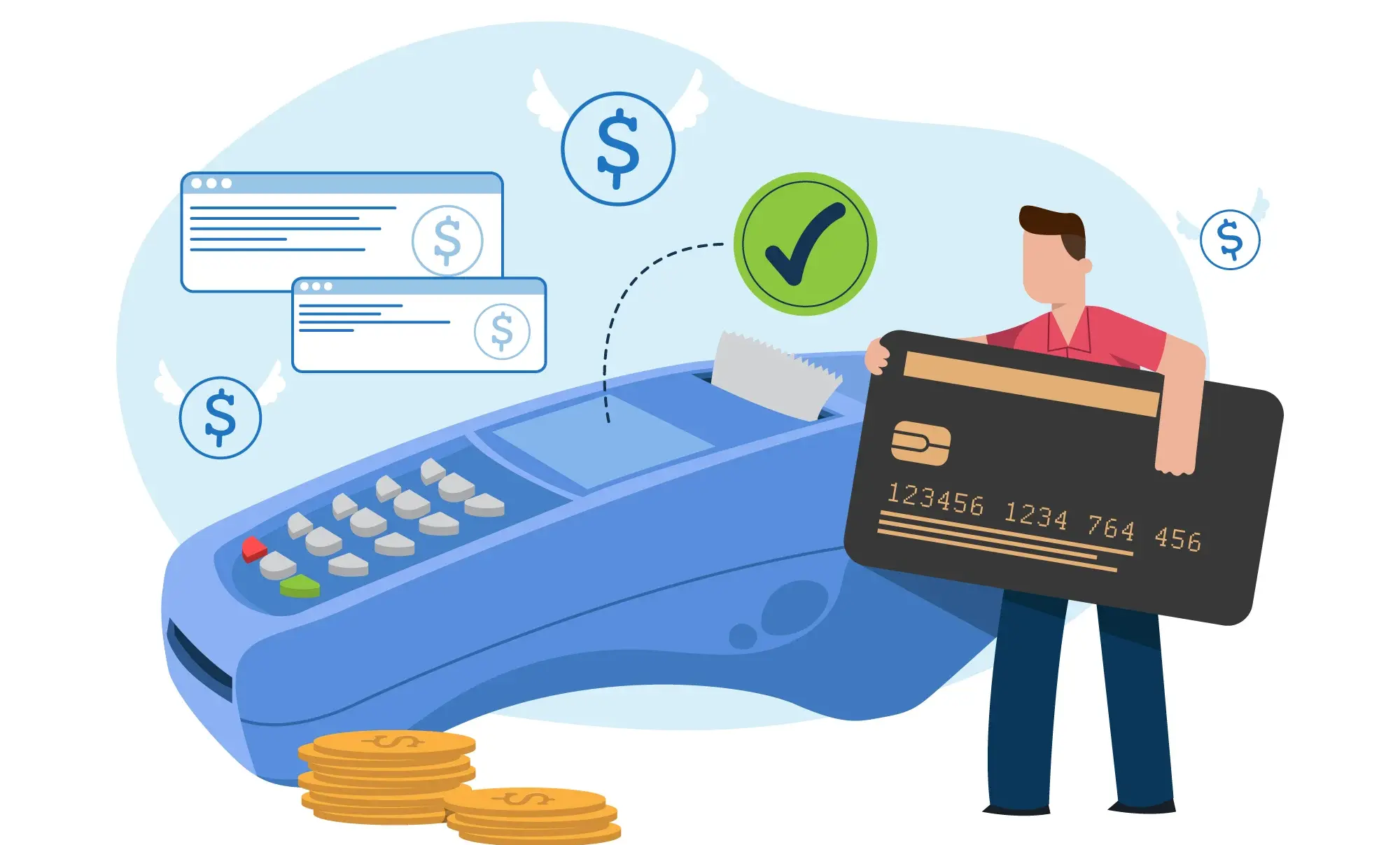
The RBI e-mandate rules apply to all recurring transactions made via debit cards, credit cards, and Prepaid Payment Instruments (PPIs). This includes wallets as well.
- OTT and Subscriptions: Services such as Netflix, Spotify, or Disney+ Hotstar fall directly under this and if your card isn’t compliant with the new rules, these payments might fail.
- Utility Bills: Monthly electricity or water bills that are set on auto-pay are affected.
- Insurance Premiums: Since these are often high-value, many fall into the category requiring an OTP every time if they exceed the ₹15,000 limit.
- What is NOT affected? Direct bank-to-bank transfers like ECS (Electronic Clearing Service) or NACH (National Automated Clearing House) mandates for home loans or mutual fund SIPs follow a different set of rules and are generally not impacted by these specific card-based e-mandate changes.
The Consumer Portal: Your Command Center
One of the best features of the RBI e-mandate rules is the requirement for banks to provide a web-based portal. In the past, if you wanted to stop an auto-debit, you often had to contact the merchant.
Now, you can log in to your bank’s net banking or mobile app and see a list of every active mandate on your card. From there, you can:
- View the history of payments.
- Modify the maximum limit of a mandate.
- Cancel a mandate instantly without needing to talk to the merchant.
What Should You Do if Your Payments are Failing?

Suppose you find that your monthly subscriptions are being cancelled or failing. There are chances that the merchant or your bank hasn’t fully integrated the new framework.
Try the below 3 steps in such instances:
- Re-register the Mandate: Go to the merchant’s app or website, delete your saved card, and add it again to trigger a new setup process under the new rules.
- Check for SMS Alerts: Ensure your bank has your correct mobile number, as the 24-hour notification is mandatory for the payment to go through.
- Check Limits: If your payment is over ₹15,000, keep an eye out for an OTP on the day of the transaction.
Learn Stock Marketing with a Share Trading Expert! Explore Here!
Conclusion
The RBI e-mandate rules represent a major milestone in Indian digital finance. Despite some confusion and failed transactions in the transition period, the long-term benefits of transparency and security far outweigh the problems in the initial stages.
Like never before, consumers now have a great level of control over their own money. There is absolutely no need to worry about “vampire subscriptions” draining your balance in the background any longer. By requiring pre-debit notifications and providing a central hub for management, the RBI has ensured that the Indian digital payment space remains one of the safest and most consumer-friendly in the world.
Stock Market Training Reviewed & Monitored by SEBI Registered Investment Advisor
Trusted, concepts to help you grow with confidence. Enroll now and learn to start investing the right way.
Know moreFrequently Asked Questions
Does this rule apply to UPI Autopay?
Yes, UPI Autopay also follows similar logic where the first transaction requires a PIN and subsequent ones are automated within certain limits.
What happens if I ignore the 24-hour notification?
If the transaction is under ₹15,000, it will proceed automatically. The notification is just for your information so you can cancel if needed.
Can I set a limit on how much a merchant can withdraw?
Yes, during the initial setup, you can define a “maximum amount” to ensure a merchant never debits more than you intended.
Why did my ₹20,000 insurance payment fail?
Transactions above ₹15,000 require an OTP for every payment. If you didn’t provide the OTP, the bank cannot process the debit.
Are international subscriptions covered?
The rules apply to Indian banks and card issuers. Some international merchants may struggle to comply, which might require you to pay manually each month.
Is it possible to opt-out of these notifications?
No, these notifications are mandatory under RBI guidelines to ensure consumer protection and cannot be turned off.
How do I cancel an active auto-debit?
You can cancel it directly through your bank’s mobile app or net banking portal under the “Managed Mandates” or “E-Mandates” section.