Table of Contents
Petrol and diesel prices could soon be hiked by ₹2 to ₹4 per litre. Read this blog till the end if you want to understand further about how fuel prices make an impact on your grocery bill and also how to protect your wallet.
Ace your personal finance journey with Entri’s Personal Finance Online Course. Join Now!
Key Takeaways
- Geopolitical Impact: With tensions in the Middle East and disruptions in the Strait of Hormuz, global crude oil prices have surged to a four-year high of over $120 per barrel in early 2026.
- Import Dependency: As India imports nearly 85-90% of its crude oil, our economy is highly sensitive to international price shocks.
- The “Frozen” Price Reality: In spite of global rates surging by over 70% since early 2026, Indian oil marketing companies (OMCs) have largely absorbed the costs. This has led to massive “under-recoveries” (losses) of ₹14–₹18 per litre.
- Inflation Connection: High fuel costs don’t just affect vehicle owners, but they also result in a rise in the cost of vegetables, FMCG goods, and logistics, leading to overall “creeping inflation.”
- Tax Burden: Petrol and diesel remain outside the GST ambit and it is the State VAT and Central Excise Duty that forms a major share of the price you pay at the petrol pump. This often comes to 40-50%.
Introduction
1: What is a stock?
The effect of oil prices is so significant that a single piece of news from a country thousands of miles away can suddenly make a major impact on your monthly budget. For most Indians, the morning check of fuel rates has become a routine as common as checking the weather.
Irrespective of whether you ride a scooter to work, drive a car, or simply buy groceries from the local market, the movement of petrol and diesel prices decides the flow of your life. As of May 2026, India is standing at a critical juncture as after a long period of relatively stable pump prices, the global energy market has been hit by a “perfect storm.”
With crude oil prices crossing the $126 per barrel mark due to conflict and supply chain blockades, the pressure on the Indian wallet has never been more intense. This blog breaks down why your fuel bill is rising, how the global math works, and what it means for your future savings.
Top Reasons Why Global Crude Oil Matters to India
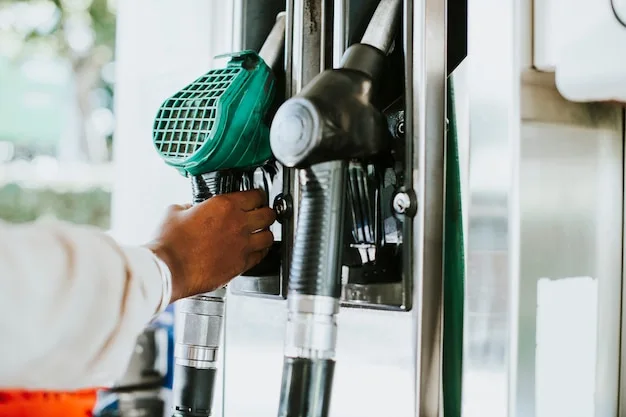
Before getting further into the hike in petrol and diesel prices, we first need to look at India’s energy map. Despite India being the world’s third-largest consumer of oil, we do not produce much of it ourselves. Due to this reason, we are heavily dependent on the ‘Indian Basket’ of crude oil, a mix of sour and sweet grades from the Middle East and other regions.
Assume that there is a surge in global oil prices. In such instances, India has to spend more US Dollars to buy the same amount of oil. During early 2026, the cost of crude surged from around $73 in February to more than $120 by May. Whenever such a 72% increase in cost occurs, the government and oil companies have to make a decision whether to pass this cost to you, or to suffer the losses themselves.
Going by the statement of Hardeep Singh Puri, Petroleum and Natural Gas Minister in March, Oil Marketing Companies were losing nearly Rs.24 per litre on petrol and Rs.30 per litre on diesel. The reason cited for these losses was that retail prices had not changed in spite of crude oil prices crossing $100 per barrel.
5 Reasons Behind Fuel Price Variation in States
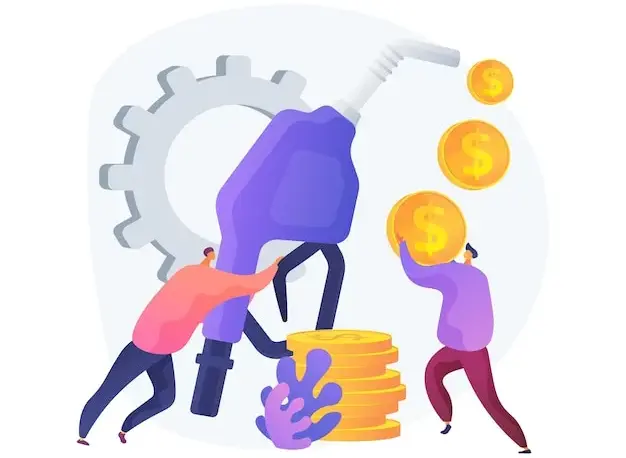
Ever wondered why the petrol in Mumbai is often costlier than in Delhi?. A similar example is a small town in Rajasthan that has higher rates than a metro city. This happens because of the complex tax structure in India.
The final price you pay consists of:
- Base Price: The cost of crude oil + refinery charges.
- Freight: The cost of transporting fuel to the petrol pump.
- Excise Duty: A fixed tax collected by the Central Government.
- Dealer Commission: The margin given to the petrol pump owner.
- VAT (Value Added Tax): A percentage-based tax collected by your State Government.
Since there is variation in VAT from state to state, the final petrol and diesel prices look different across the map. Because these fuels are not under GST, states have the freedom to increase VAT to meet their budget requirements, often making fuel a primary source of state revenue.
It is a common misconception that fuel hikes only bother those with a car or bike. The truth is that diesel is the lifeblood of the Indian economy as most of our food, medicines, and clothes are transported via trucks that run on diesel. When diesel prices go up, the transport union increases freight charges. This cost is then passed down to the consumer. A ₹10 hike in a kilo of tomatoes or the shrinking size of your favorite biscuit packet happens due to the phenomenon called shrinkflation. It is often a direct result of rising petrol and diesel prices. In addition to that, farmers use diesel for tractors and irrigation pumps. When the fuel costs go up, it increases the cost of cultivation which eventually leads to higher food prices for everyone Trusted, concepts to help you grow with confidence. Enroll now and learn to start investing the right way.
In India, companies such as IOCL, BPCL, and HPCL are responsible for supplying fuel. Technically, they are allowed to change prices daily based on international rates. However, when there is high inflation or during times of elections, prices are often frozen to protect the public.In early 2026, the global crude prices hit $126. However the Indian pump prices remained largely stagnant. Though this felt like a relief, it resulted in a huge financial gap. As per experts, OMCs were losing nearly ₹18 on every litre of diesel sold. Eventually, this gap must be filled, either through a sudden price hike later or through government subsidies using taxpayer money. The latest news is that Oil Marketing Companies are currently in discussions with the Central Government regarding raising prices of petrol and diesel due to the losses being incurred on the sale of retail fuel. It is to be noted that in India, there has been no hike in fuel prices in the last four years. As you know, we cannot control global geopolitics. However, by following the below 3 tips, we can get used to the changing environment of petrol and diesel prices: Ace your personal finance journey with Entri’s Personal Finance Online Course. Join Now! The journey of a drop of oil from a well in the Middle East to your vehicle’s fuel tank in India is influenced by several factors. This includes wars, currencies, and taxes. The current global situation has made the petrol and diesel prices outlook look grim. However, it is also a wakeup call for India to speed up its transition to renewable energy and biofuels. Till the time this change happens, being well aware of how global crude oil hits your wallet is important. This is, in fact, the first step toward better financial planning in an uncertain world. Trusted, concepts to help you grow with confidence. Enroll now and learn to start investing the right way.
Each state government levies its own Value Added Tax (VAT) and states with higher VAT rates, like Maharashtra or Rajasthan, have higher pump prices compared to places with lower taxes. As both Central and State governments rely heavily on fuel taxes for revenue, if fuel is brought under GST (capped at 28%), it would lead to a massive revenue loss for them. Currently they cannot afford to do that. Yes. Since India buys oil in US Dollars, if the Rupee weakens (e.g., moves from ₹83 to ₹92), we have to pay more Rupees for the same barrel, making fuel costlier. Crude oil is nothing but unrefined petroleum. Prices change based on global supply (OPEC decisions), demand (economic growth), and geopolitical tensions or wars in oil-producing regions. Roughly 45-50% of the price you pay is tax (Excise Duty + VAT). If the price of petrol is ₹100, nearly ₹45-₹50 goes to the government. It is a weighted average of Oman/Dubai (sour) and Brent (sweet) crude oil prices, representing the type of oil Indian refineries actually buy. There will be a major drop in prices only if global supply increases, a conflict ends, or if the government decides to slash excise duties and VAT.The Domino Effect: How Fuel Hits Your Grocery Bill
Stock Market Training Reviewed & Monitored by SEBI Registered Investment Advisor
Oil Marketing Companies and their Role
How to Protect Your Wallet?
Conclusion
Stock Market Training Reviewed & Monitored by SEBI Registered Investment Advisor
Frequently Asked Questions
Why are fuel prices different in different states?
Why isn't petrol under GST?
Does a weak Rupee affect petrol prices?
What is 'Crude Oil' and why does its price change?
How much tax do we pay on 1 litre of petrol?
What is the 'Indian Basket' of crude?
Will fuel prices ever come down?