

Table of Contents
Receiving an income tax notice can be a big pain point for many taxpayers. Often, people panic assuming they have done something seriously wrong. However, an income tax notice does not always mean that one has done fraud or evaded taxes. In a majority of the cases, it is a request for clarification, additional information, or correction of errors.
Determining the reasons for income tax notice is the first step towards handling it calmly and correctly. If you have sound knowledge of why notices are issued, you can stay away from common mistakes, ensure proper compliance, and reduce the chances of future scrutiny.
This blog explains in a simple, easy-to-understand manner, the most common reasons for income tax notices in India, how they originate, and what are the areas taxpayers should be careful about while filing returns.
What Is an Income Tax Notice?

An income tax notice is an official communication sent by the Income Tax Department to a taxpayer. It is issued under different sections of the Income Tax Act, depending on the nature of the issue.
A notice may be sent to:
- Seek additional information
- Ask for clarification on discrepancies
- Inform about adjustments made by the department
- Initiate scrutiny or assessment proceedings
Notices are usually sent electronically through the income tax e-filing portal and to the registered email ID.
Learn trading from experts! Join today to learn the fundamentals of trading!
Common Reasons for Income Tax Notice
1: What is a stock?
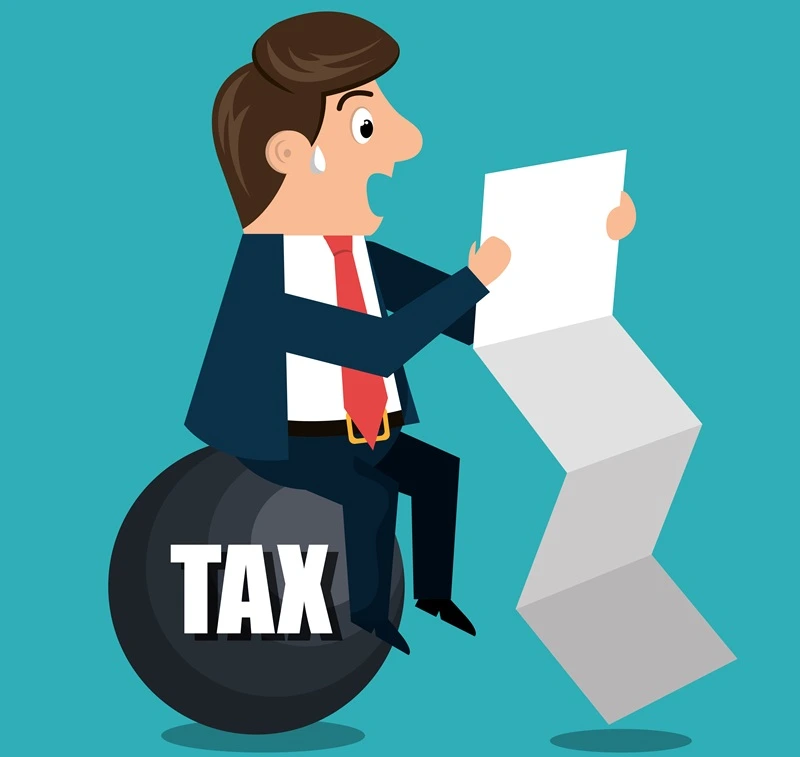
There are many reasons for income tax notice, ranging from simple clerical mistakes to more serious compliance issues. Most notices are avoidable if returns are filed carefully and accurately.
The most common and practical reasons that lead to income tax notices for individuals, salaried employees, freelancers, and business owners in India are listed below.
Mismatch Between Income and Tax Paid
One of the most frequent reasons for income tax notice is a mismatch between the income declared in the return and the tax paid.
This usually happens when:
- TDS deducted by employers or banks is not correctly reported
- Advance tax or self-assessment tax is not properly reflected
- Income is declared, but corresponding tax payment is missing
If the tax department’s records show less tax paid compared to the declared income, a notice may be issued asking for payment of the balance tax or explanation.
Non-filing or Late Filing of Income Tax Return
Failing to file your income tax return within the due date is a major trigger. Even if tax has already been deducted, non-filing can result in a notice.
Common scenarios include:
- Believing that filing is not required due to TDS
- Missing the deadline unintentionally
- Assuming income is below taxable limits when it is not
The department tracks financial transactions through PAN and may issue a notice if a return is not filed despite evidence of taxable income.
High-Value Transactions Triggering Scrutiny
High-value financial transactions are closely monitored. If such transactions are not properly explained or reported, they become strong reasons for income tax notice.
Some examples are:
- Cash deposits or withdrawals of large amounts
- Purchase of expensive property
- High-value mutual fund or share investments
- Significant credit card spending
If these transactions do not align with declared income levels, the department may seek clarification.
Stock Market Training Reviewed & Monitored by SEBI Registered RA
Trusted, concepts to help you grow with confidence. Enroll now and learn to start investing the right way.
Know moreMismatch Between Form 16, Form 26AS, and AIS
Form 16, Form 26AS, and the Annual Information Statement (AIS) are the major documents used by the tax department to verify income and taxes.
Notices are commonly issued when:
- Income shown in Form 16 differs from the return
- TDS details in Form 26AS are ignored
- Income reflected in AIS is not reported
These mismatches fall under the most avoidable reasons for income tax notice, provided proper reconciliation is done before filing.

Claiming Incorrect Deductions or Exemptions
Another common reason is claiming deductions without eligibility or proper documentation.
Some frequent mistakes committed by people include:
- Claiming deductions under sections not applicable
- Exceeding allowed limits
- Claiming exemptions without proof
Examples include housing loan interest, insurance premiums, or education loan deductions claimed incorrectly. When detected, the department may disallow the claim and issue a notice.
Reporting Losses Incorrectly
Losses from business, profession, capital gains, or the stock market must be reported carefully.
Notices may arise when:
- Losses are claimed without proper disclosure
- Losses are carried forward without filing within the due date
- Loss set-off rules are violated
Improper reporting of losses is a technical but significant reason for income tax notice.
Income from Multiple Sources Not Disclosed
Many taxpayers earn income from multiple sources but report only salary income. This leads to discrepancies.
Unreported income sources may include:
- Interest from savings accounts or fixed deposits
- Rental income from property
- Freelance or consultancy income
- Dividend or capital gains
Failure to disclose all income sources is one of the most common reasons for income tax notice, especially with improved data tracking.
Cash Deposits and Bank Transactions
Large cash deposits in savings or current accounts attract attention, especially during specific financial years.
Notices are issued when:
- Cash deposits are disproportionate to declared income
- The source of cash is unclear
- Deposits are frequent and high-value
Even genuine deposits like sale proceeds or loans must be properly explained if questioned.
Foreign Income and Assets Not Reported
Residents earning foreign income or holding foreign assets must disclose them in the return.
Common lapses include:
- Not reporting overseas bank accounts
- Ignoring foreign dividends or interest
- Failing to disclose foreign investments
Non-disclosure of foreign income or assets is a serious reason for income tax notice and can attract penalties.
Business and Professional Income Issues
Self-employed individuals and business owners often face notices due to:
- Underreporting income
- Inflated expenses
- Inconsistent turnover reporting
- Differences between GST and income tax data
Since multiple departments share information, mismatches easily trigger scrutiny.
TDS Errors and Non-Compliance
Sometimes, the issue is not with income but with TDS details.
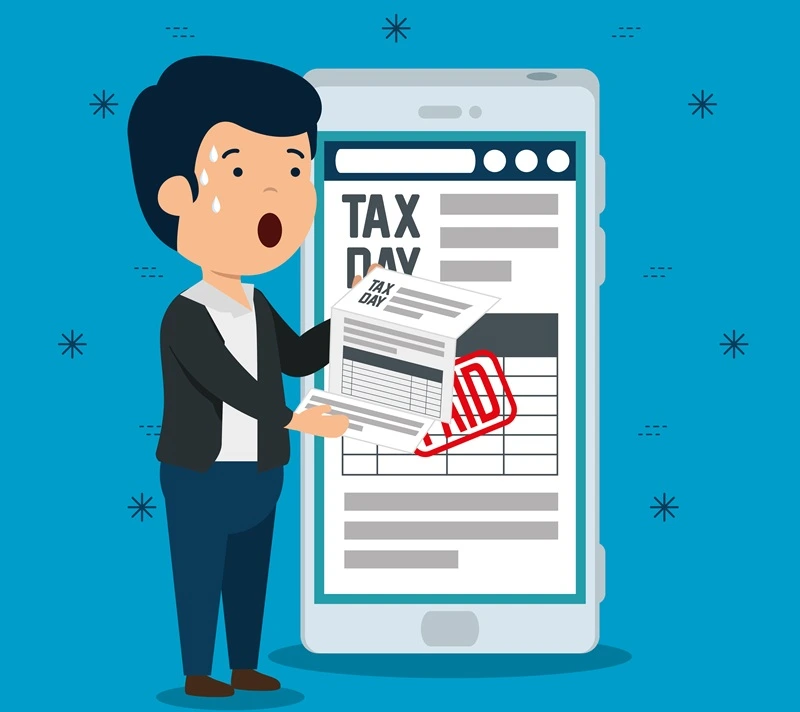
Notices may arise due to:
- TDS deducted but not deposited by the deductor
- Incorrect PAN mentioned by the employer or bank
- Duplicate or missing TDS entries
Even though the fault may not lie with the taxpayer, clarification is often required.
| Gain Financial Literacy in your Mother Tongue | |
| Stock Market Course in Malayalam | Mutual Funds Course in Malayalam |
| Stock Market Course in Tamil | Mutual Funds Course in Tamil |
| Stock Market Course | Mutual Funds Course |
Random or Risk-Based Selection for Scrutiny
In some cases, returns are selected for scrutiny on a random or risk-based basis.
This means:
- No major error may exist
- The return matches certain risk parameters
- The department seeks verification
The selection mentioned above is routine and does not imply any wrongdoing.
Key Takeaways
- Income tax notices are common and generally manageable
- Most notices arise due to mismatches or reporting errors
- Proper disclosure and documentation can prevent issues
- It is essential to review tax statements before filing
- Understanding the reasons for income tax notice helps in better compliance
- Notices should always be responded to before the stipulated time
- Professional guidance can be helpful in complex cases
Being knowledgeable of the reasons for income tax notice allows taxpayers to file accurate returns and get rid of unnecessary stress.
Stock Market Training Reviewed & Monitored by SEBI Registered RA
Trusted, concepts to help you grow with confidence. Enroll now and learn to start investing the right way.
Know moreFrequently Asked Questions
Is receiving an income tax notice a serious issue?
Not always. Many notices are issued for minor clarifications or corrections and can be resolved easily.
Can salaried employees also receive income tax notices?
Yes. Even salaried individuals may receive notices due to mismatches, deductions, or unreported income.
How can I avoid income tax notices in the future?
File returns on time, report all income, reconcile tax statements, and maintain proper records.
Are high-value transactions always taxable?
Not necessarily. However, they must be reported correctly and supported with explanations if required.
What happens if I ignore an income tax notice?
Ignoring a notice can lead to penalties, additional tax demands, or further legal action.
Can mistakes in AIS or Form 26AS lead to notices?
Yes. Differences between these statements and the return are common triggers.
Should I consult a professional after receiving a notice?
For simple notices, you may respond yourself. For complex cases, it is recommended to seek professional advice.