Table of Contents
First-party data has turned into the most important marketing asset that a brand can own. This is mainly because it is the only data source that is directly collected, privacy-safe, and entirely under your control.
The third-party tracking continues to weaken across browsers and platforms. This causes brands that have invested in owned customer data to pull ahead. This is in terms of targeting campaign efficiency, accuracy, and customer retention.
Join Our Online Digital Marketing Course & Learn the Fundamentals!
Key Takeaways
- First-party data is direct, accurate, and privacy-compliant.
- Unified strategies lift performance ~35% and CLV ~40%.
- It boosts targeting, personalization, attribution, and retention.
- 86% of consumers trust firms using first-party data.
- Build with consent-first collection, unified data, cross-channel activation, and governance.
- Winners in 2026 activate first-party data at every touchpoint.
Why First-Party Data Matters more than ever in 2026
1: What is the primary goal of SEO (Search Engine Optimization)?

The marketing world is in the middle of a structural shift. The tools that drove targeting and measurement for over a decade are either already gone or actively being phased out.
These include third-party cookies, cross-site tracking, and borrowed audience data. Privacy regulation has eliminated 30% to 40% of previously trackable conversions. There is cumulative impact of
- GDPR enforcement
- State-level US privacy laws
- Browser tracking prevention
- iOS consent requirements
This has removed nearly a third of the conversion signals marketers relied on. Safari and Firefox already block third-party cookies by default. Chrome’s Privacy Sandbox is accelerating the shift across the open web.
This is not a temporary disruption. It is a permanent reset of how digital marketing works. Brands that continue to depend on third-party data pipelines are operating on borrowed time. On the other hand, those investing in owned customer relationships are building a durable competitive advantage.
74% of US marketers have increased first-party data collection efforts after privacy regulations tightened. This has been for a good reason as the performance gap between owned data and third-party data has never been wider.
Become an AI-powered Digital Marketing Expert
Master AI-Driven Digital Marketing: Learn Core Skills and Tools to Lead the Industry!
Explore CourseWhat Exactly is First-Party Data?
First-party data is any information a brand collects directly from its own customers and audiences through its own channels. There is no intermediary, no data broker and no third-party aggregator sitting between you and the person.
Here is a breakdown of the main types and how marketers use them:
| Data Type | Examples | Marketing Use |
| Behavioural data | Page views, clicks, scroll depth, session duration | Interest-based targeting and content personalisation |
| Transactional data | Purchases, order value, repeat buying frequency | Lifecycle segmentation and retention campaigns |
| Engagement data | Email opens, webinar attendance, app usage | Lead scoring and nurturing workflows |
| Preference data | Survey answers, product choices, content preferences | Personalisation engines and product recommendations |
| CRM data | Lead status, support history, account details | Sales alignment and full-funnel journey mapping |
Every one of these data points was generated through a direct interaction between the customer and the brand. That provenance is what makes first-party data uniquely trustworthy and also uniquely useful.
How First-Party Data Outperforms every other Data Type

The performance argument for first-party data is no longer theoretical. The numbers are in.
First-party data improves ad targeting accuracy by over 50% compared to third-party data, and email campaigns powered by first-party data deliver up to 6x higher ROI.
Businesses using first-party data see a 2.9x revenue lift compared to those still relying on external data sources.
Here is how the two compare at a strategic level:
| Factor | First-Party Data | Third-Party Data |
| Source | Direct customer interaction | External aggregators and brokers |
| Accuracy | High and contextually rich | Often limited or outdated |
| Privacy alignment | Strong – consent-based | Weak and declining |
| Longevity | Sustainable and compounding | Unstable and shrinking |
| Marketing value | High and growing | Lower and eroding |
Organisations that have shifted to server-side tracking and first-party data strategies recover 60% to 75% of conversion signals lost to privacy changes, creating a measurable competitive advantage. That is the gap every marketer needs to close.
How to Build a First-Party Data Strategy that Works
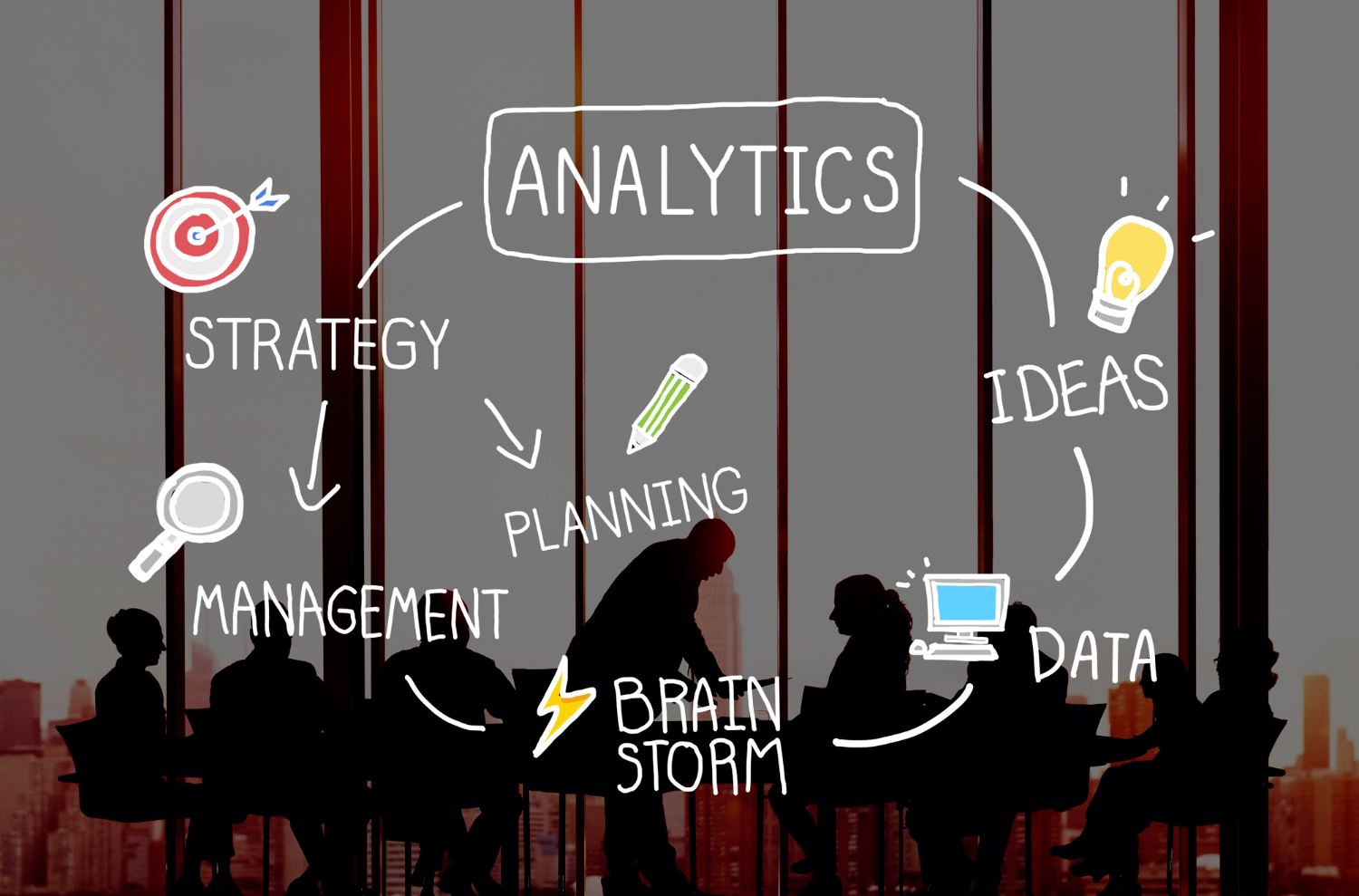
Gathering data is the easy bit but turning it into real business results is a different story altogether. You need a solid plan, the right systems in place, and a clear idea of how you’re going to make it all happen.
1. Start With a Business Goal
Don’t go collecting data just for the sake of it. Think about what you want to achieve – whether that’s keeping customers, cutting costs, or making your marketing more effective.
2. Map Your Customer Touchpoints
Where do your customers interact with your brand? Is it online, on your app, through email, in-store, via customer support or at your events? Every single one of those is a chance to collect data.
3. Build Consent Into the Experience
Consent is what builds trust and trust compounds into better data over time. In fact, 86% of consumers trust brands that focus on first-party data more. But to earn that trust you need to be transparent about your data exchanges and give something back in return.
That means making the exchange obvious and fair, not hiding it away in opt-in forms or confusing privacy notices. Give customers something worthwhile in return like early access, recommendations, loyalty rewards or better service.
4. Unify Your Data Across Systems
If your data is stuck in silos then it’s basically going to waste. The market for customer data platforms (CDPs) is projected to hit $10.3 billion by 2026 and 72% of marketers are now using CDPs to bring all that raw data from multiple channels together to create useful customer profiles.
Connect up your CRM, email platform, analytics system and ad manager so every team has the same customer view to work from.
5. Activate Across Every Channel
You own the data and now it’s time to use it to deliver real results. Use your unified data to power up your marketing. Whether that’s through email campaigns, social ads, website personalisation, lead scoring, or customer retention workflows.
By 2026, the top marketers are taking their first-party data and turning it into targeted audiences they can reach across their own and paid channels, making their targeting and measurement more consistent.
6. Maintain Data Quality and Governance
Rubbish data leads to rubbish decisions. So set some clear policies around how you store, update, use and get rid of your data. Regularly check for duplicates and make sure every team accessing customer data knows what they have to comply with.
Become an AI-powered Digital Marketing Expert
Master AI-Driven Digital Marketing: Learn Core Skills and Tools to Lead the Industry!
Explore CourseReal-World Use Cases
Personalised email journeys:
Use purchase history and browsing behaviour to send emails that reflect where each customer actually is in their journey. Don’t go for a generic blast.
Abandoned cart recovery:
Retarget users who left without purchasing using first-party behavioural signals, rather than relying on pixel-based third-party retargeting that is increasingly blocked.
Lead scoring:
Combine CRM data with engagement signals (webinar attendance, content downloads, email activity) to identify which leads are ready to convert.
Loyalty campaigns:
Use transactional data to reward your highest-value customers with offers calibrated to their actual buying behaviour.
Customer win-back:
Identify lapsed customers based on purchase frequency patterns and trigger re-engagement campaigns before they churn permanently.
Common Mistakes that Undermine First-Party Data Strategies
Knowing what not to do matters as much as knowing what to do.
Collecting data without a clear use case
If you do not know what you will do with the data, do not collect it. Unused data creates compliance risk without creating value.
Ignoring the consent experience
A consent mechanism that is confusing, buried, or adversarial will collect low-quality opt-ins and damage trust. Design it the same way you design a product with the user in mind.
Keeping data in silos
52% of marketing teams are in the dark when it comes to data strategy, and less than 1 in 20 have fully bought into a data-first approach to their workflow. Fragmented data is basically just causing fragmented decision making.
Neglecting data hygiene
Customer data just keeps getting worse and worse over time. If you’re not putting in the work to keep it clean and up-to-date, your segments are going to start to look like they’re made of straw and your campaigns are going to go down the drain.
Measuring collection, not activation
Having a huge database just isn’t a strategy on its own. What really matters is how much of that first-party data is actually driving the decisions you make on campaigns
The Future of First-Party Data
Things are pretty plain to see here – 75% of brands have got plans to stop relying on third-party data by 2026, and the cash they’re throwing at it is only set to go up. The CDP market is going to hit $10.3 billion by 2026, driven by 34% growth between 2022 and 2025.
Artificial Intelligence is making this a right old hurry-up, not a slow-down. Machine Learning Models that power all the good stuff like personalisation and predictive analytics are only as good as the data they’re trained on.
With all these tightening-up privacy regulations kicking in and third-party cookies crumbling away, the brands that have got cleaner, richer, and better-activated first-party data are going to be in a structurally unshakeable position.
The window for getting on top of this is 2026 and 2027. Then it becomes pretty much the minimum standard.
Join Our Online Digital Marketing Course & Learn the Fundamentals!
Conclusion
First-party data isn’t just some compliance thing or a cookie-deprecation Band-Aid. It’s actually the foundation that modern marketing is built on.
It makes targeting more accurate, personalisation actually personal, attribution actually reliable, and customer relationships actually durable. All this happens without having to rely on some intermediaries whose reliability is just shrinking by the quarter.
The brands that get ahead of the game with this first-party data thing are not going to have to play catch-up. They’re actually building up an advantage that just gets bigger and bigger over time. The question for every marketer in 2026 is not “can I just invest in first-party data”. It’s “am I moving fast enough?”
Frequently Asked Questions
Why is first-party data important in 2026?
Third-party cookies are being phased out across major browsers, privacy regulations are tightening globally, and consumers expect relevant experiences without feeling surveilled. First-party data is the only sustainable alternative that meets all three demands simultaneously.
How do brands collect first-party data ethically?
Ethical collection requires clear consent, transparent communication about how data will be used, and a fair value exchange – such as personalised recommendations, loyalty rewards, or better service in return for information.
How does first-party data improve personalisation?
It gives brands a direct and accurate view of individual customer behaviour, preferences, and intent. This enables content, offers, and product recommendations that are genuinely relevant rather than statistically inferred from third-party segments.
Is first-party data better than third-party data?
For most marketing purposes, yes. First-party data is more accurate, consent-based, privacy-compliant, and durable. It improves ad targeting accuracy by over 50% compared to third-party data and creates compounding value with each new customer interaction.
How does first-party data support privacy compliance?
Because it is collected with explicit consent from your own customers, it naturally aligns with GDPR, CCPA, and other privacy regulations. This reduces legal risk while also improving data quality.
What channels are best for collecting first-party data?
Email newsletters are the most effective channel, used by 63% of advertisers. Website and app behavioural tracking is used by 60%, and social media engagement data is equally popular at 60%.
What is the difference between first-party, second-party, and third-party data?
First-party data comes directly from your customers. Second-party data is another brand’s first-party data shared through a partnership. Third-party data is collected by external aggregators with no direct customer relationship.
Why do AI and machine learning tools need first-party data?
AI personalisation and predictive models are only as accurate as the data they are trained on. First-party data is richer, more contextually accurate, and more consistently structured than external data. This makes it the preferred input for AI-driven marketing tools.
What are the most common mistakes in first-party data strategies?
The most common are: collecting data without a clear activation plan, designing poor consent experiences, keeping data siloed across teams and tools, neglecting data hygiene, and measuring the size of the database instead of how actively it is driving decisions.
How long does it take to build a first-party data strategy?
The timeline depends on your existing infrastructure. Brands starting from scratch may take six to twelve months to build foundational collection, unification, and activation capabilities. Those with existing CRM and email systems can begin seeing results much faster.