Table of Contents
Both Yoga and Pilates are low-impact mind-body practices. They’re two very different practices as well.
Yoga is all about getting flexible, being mindful and using your breath to relax. Then there’s Pilates, which revolves around good posture, building core strength and moving in a smooth, controlled way.
When you put the two together, they really do complement each other nicely : so many health professionals are now recommending that people mix and match them to get a more well-rounded and balanced routine.
Learn Yoga from the best teachers in the industry! Join the Entri app!
Key Takeaways
- Yoga and Pilates are low-impact practices with loads of physical and mental benefits.
- Yoga is all about flexibility, breathing and being in the moment.
- Pilates is all about core strength, getting your posture right and moving with precision.
- Yoga has been around in India for over 5,000 years – that’s just mind-blowing!
- Pilates was developed in the early 20th century as a way to help people recover from injuries.
- Yoga can help you sleep better, manage stress, and just feel all-round better.
- Pilates can even help reduce pain and disability in loads of conditions.
- Yoga works on mobility while Pilates works on stability.
- Loads of people get a lot of benefit from doing both.
- Both are safe for beginners, seniors and even people who are rehabilitating, as long as you get proper guidance.
What are Yoga and Pilates?
1: Which of these is the primary goal of yoga practice?
Before you start trying to do either of them, it’s really important to understand what both practices are all about.
Yoga – well you probably know about this one – it’s an ancient Indian practice that has been around for over 5,000 years. Essentially it’s a mix of breathing techniques, physical postures and being in the moment all rolled into one to help strengthen your body and your mind. This is done while cultivating peace and inner awareness.
Pilates was developed originally as a rehabilitation method for injured World War I soldiers by Joseph Pilates. It then later was adopted widely by athletes, dancers and fitness professionals. This is with its emphasis on alignment, core strength and injury prevention.
Both these practices train the mind alongside the body using bodyweight resistance. They don’t require any heavy equipment. Still, the philosophies behind each, the methods and physical focus areas are completely distinct.
Become a Certified Yoga Instructor
Yoga Teacher Training Course by Entri App: Master authentic yoga techniques, earn certification, and build a successful career as a professional yoga instructor.
Join Now!Yoga: Purpose and Benefits
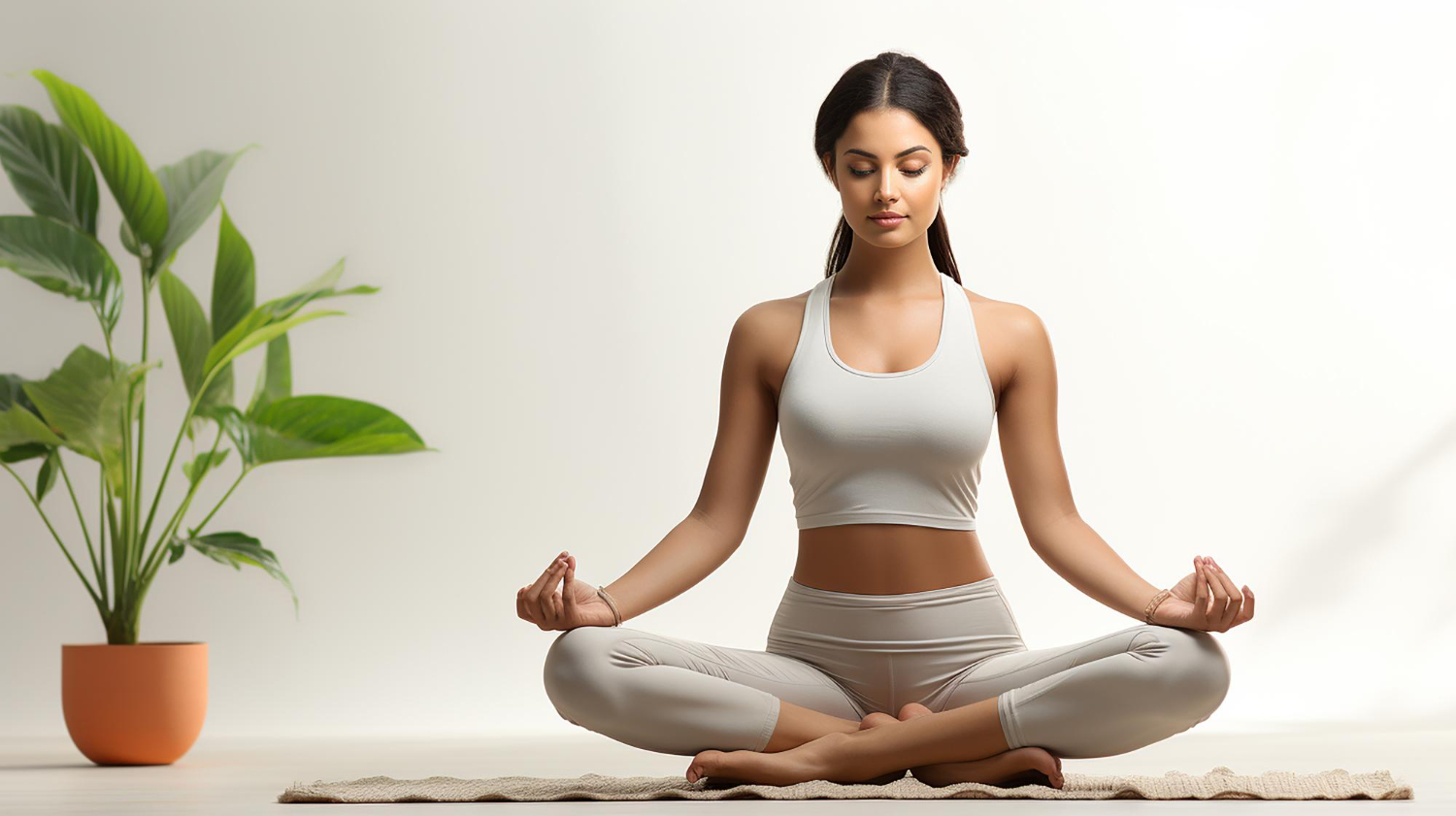
Yoga primarily combines three factors into a practice that serves both mental and physical health. They are:
- Postures (asanas)
- Breathwork (pranayama)
- Meditation
There are different styles like Hatha Yoga, Vinyasa, Yin or Restorative Yoga. It is depending on the style that the intensity varies significantly. Consistent yoga practice supports:
- Flexibility and joint mobility
Regular yoga stretches connective tissues and muscles. This improves the range of motion over time.
- Balance and coordination
Standing poses and flows challenge proprioception and body control.
- Stress and anxiety reduction
The International Journal of Yoga confirmed that yoga and meditation help individuals manage acute and chronic stress and also improve sleep quality.
- Strength
A study in Evidence-Based Complementary and Alternative Medicine demonstrated significant improvements in muscular strength in those who practised yoga regularly.
- Pain relief
Research shows that yoga can ease neck pain, lower back pain, knee osteoarthritis, and even tension headaches.
Pilates: Purpose and Benefits
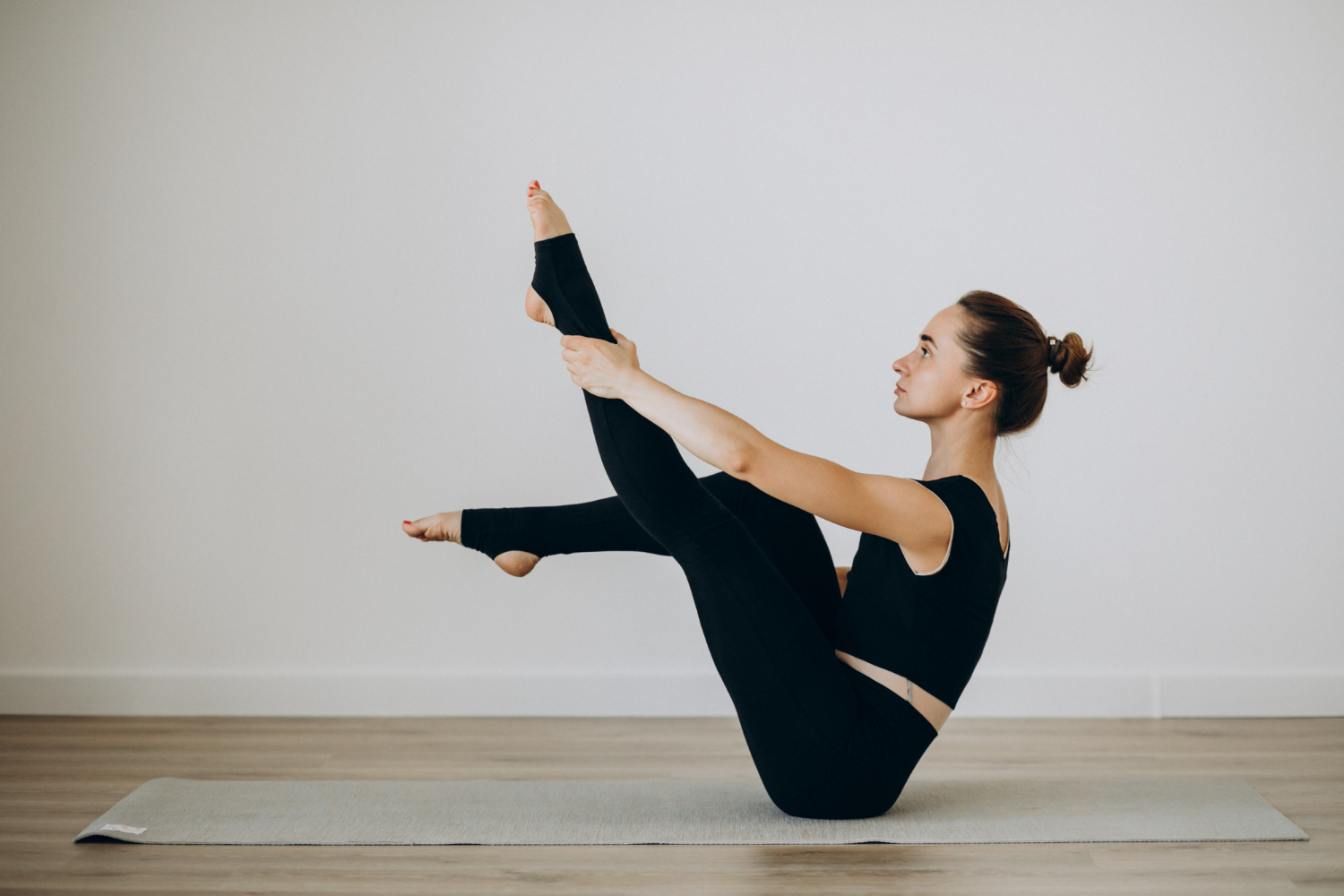
Pilates is primarily a precision-based and structured exercise system. Every movement that you make in Pilates is intentional. The focus lies on maintaining spinal alignment, engaging the deep core muscles, and controlling each repetition.
Understand that Pilates is far more than just abdominal exercises. It is, in fact, a full-body conditioning method that trains:
- Core strength and trunk stability
Pilates directly engages the deep abdominal and spinal muscles that support posture and movement.
- Postural alignment
The method trains the body to move with better mechanics. This translates to everyday life.
- Rehabilitation and injury prevention
Studies found that Pilates reduced pain and disability in people with neck pain, back pain, scoliosis, and multiple sclerosis.
- Flexibility
Research has shown that Pilates improves hamstring flexibility alongside functional strength.
- Movement efficiency
By training intrinsic muscles, Pilates helps the body move with greater control and less compensatory strain.
Yoga vs Pilates: Key Differences
| Aspect | Yoga | Pilates |
| Main Focus | Flexibility, breath, mindfulness | Core strength, posture, control |
| Movement Style | Poses, holds, flows | Repetitive, precise, controlled movements |
| Breathing | Linked to awareness and rhythm | Coordinated with movement for control |
| Equipment | Mat, blocks, straps, bolsters | Mat, reformer, and specialised apparatus |
| Mental Emphasis | Meditative and spiritual component | Movement precision and concentration |
| Origin | India, 5,000+ years ago | Early 20th century, rehabilitation |
| Best For | Mobility, relaxation, stress relief | Stability, core strength, alignment |
The key point to note is that neither of the practices is inherently better than the other. They simply train different things in different ways.
Yoga builds mobility as well as awareness while Pilates builds stability as well as control. That difference is also what makes them powerful enough when used together.
Become a Certified Yoga Instructor
Yoga Teacher Training Course by Entri App: Master authentic yoga techniques, earn certification, and build a successful career as a professional yoga instructor.
Join Now!How they Work Together
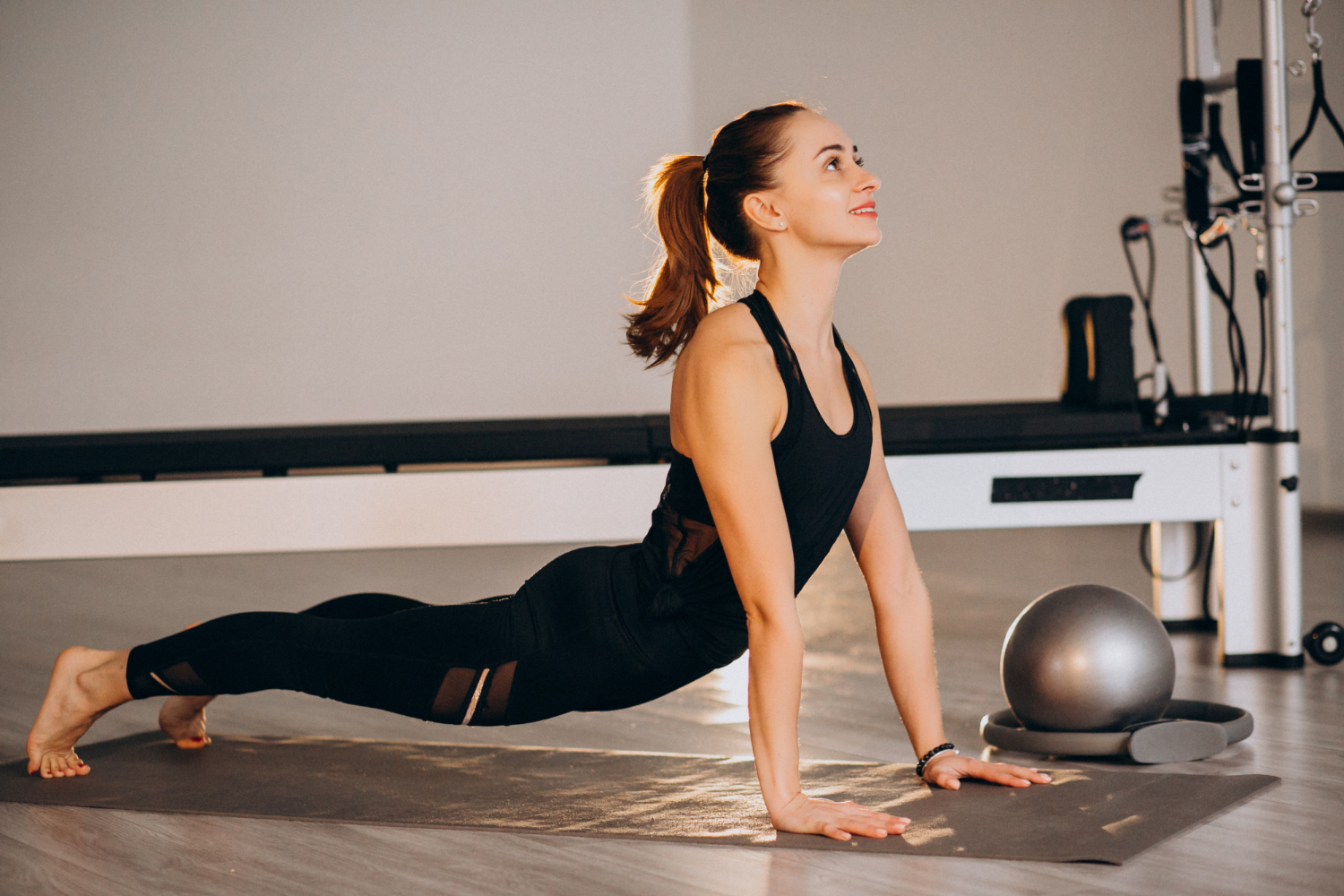
Things can get really interesting when you bring Yoga and Pilates together. As both of them target complementary aspects of physical fitness, combining them can address gaps that single practice might leave behind.
- Yoga opens and Pilates stabilises.
Yoga increases flexibility as well as range of motion. Pilates strengthens the muscles that support movement through that range. Without stability, mobility can increase injury risk. Without mobility, strength training becomes restricted. Ultimately, when brought together, they balance each other.
- Better posture
Yoga builds body awareness and alignment consciousness. Pilates, on the other hand, directly strengthens the postural muscles needed to maintain it.
- Stronger core
Yoga challenges balance and control through poses. Pilates trains the deep core muscles that make those poses safer as well as more efficient.
- Improved balance
When Yoga develops focus and proprioceptive stability, Pilates improves trunk and pelvic control that supports balance in movement.
- More efficient movement
Yoga enhances body awareness while Pilates improves movement precision and coordination.
Studies confirmed that both Pilates and yoga had positive effects on dynamic balance and functional movement in athletes. In fact, both groups showed significant improvements across balance and movement screening tests.
| Combined Benefit | Yoga Contribution | Pilates Contribution |
| Better posture | Improves alignment awareness | Strengthens postural muscles |
| Stronger core | Builds balance through poses | Directly trains deep core muscles |
| Greater flexibility | Increases range of motion | Uses controlled movement through range |
| Better balance | Trains focus and body awareness | Improves trunk and pelvic control |
| Efficient movement | Enhances body-mind connection | Improves precision and coordination |
Which One Should You Choose?
The honest answer is that it depends entirely on your goal and what purpose you need to be served.
| Your Goal | Better Starting Point |
| Stress relief and relaxation | Yoga |
| Flexibility and joint mobility | Yoga |
| Core strength and stability | Pilates |
| Posture improvement | Pilates |
| Injury rehabilitation | Pilates (with qualified guidance) |
| Overall balanced fitness | Both |
If you are new to both and unsure where to start, consider what currently feels most lacking in your body.
Do you feel stiff and stressed? Then you should start with yoga.
Do you feel weak in your core or struggle with posture? You can start with Pilates.
Feel free to add the second practice once you are comfortable with the first. Many practitioners alternate both throughout the week with excellent results.
Beginner Tips and Safety
Both yoga and Pilates are widely considered safe for most people. This includes beginners, older adults, and those in rehabilitation. A few important points apply:
- Start with a beginner class
Both practices have progressions; jumping into an advanced class can increase injury risk.
- Form matters more than depth
In both yoga and Pilates, how you move is more important than how far you go. Never push into pain.
- Use modifications
Both practices offer variations for different fitness levels. Good instructors will offer these without prompting.
- Consult a professional first
This is important if you have a known injury, chronic condition, or health concern. While both practices are generally low-risk, individual guidance makes a significant difference.
- Consistency beats intensity
Even two sessions per week can produce meaningful results over time.
Learn Yoga from the best teachers in the industry! Join the Entri app!
Conclusion
Put it simply, Yoga and Pilates are different practices with different origins, methods, and primary benefits. But they are more complementary than they are competing.
Yoga builds body awareness, flexibility, and breath control. Pilates builds postural alignment, core strength, and movement precision. When used together, they address the full picture of physical wellness in a way that neither can fulfil alone.
If you have been trying to choose between them, understand that you do not have to. Start with the one that best matches your immediate goal, then layer in the other as your practice grows. The combination may well be the most complete, low-impact fitness approach available.
Become a Certified Yoga Instructor
Yoga Teacher Training Course by Entri App: Master authentic yoga techniques, earn certification, and build a successful career as a professional yoga instructor.
Join Now!Frequently Asked Questions
Is Yoga better than Pilates?
It all comes down to what you’re looking for. Yoga is pretty great at helping with flexibility and stress relief, whereas Pilates is more geared towards building core strength and improving your posture.
Which is Better for Posture - Yoga or Pilates?
Pilates tends to focus a bit more directly on the muscles that support good posture and getting your spine in alignment. But yoga can actually help you develop a better awareness of your alignment too, so both practices are useful in their own way.
Which is Better for Flexibility?
Yoga is probably better at helping with flexibility. It’s all about holding stretches and getting into different positions, Pilates is more about controlled movement, though it does still help with flexibility.
Do I really need special equipment for either of these workouts?
Generally you’ll need a yoga mat and might use extra stuff like blocks or straps. Pilates can be done on a mat but sometimes you’ll see people using that fancy reformer equipment, which is usually only available in dedicated studios.
Is Pilates a good way to lose weight?
There are some studies that say Pilates might actually help you keep control of your weight. But it’s not exactly an aerobic exercise so don’t expect to burn off a bunch of calories if that’s what you’re after. If you want to lose weight it’s probably best to do Pilates alongside some other form of exercise that gets your heart rate up.
How soon will I see the benefits of Yoga or Pilates?
You’ll probably start to notice improvements in flexibility or a reduction in tension in your muscles within a few weeks of sticking with it. Getting stronger or having real structural changes is going to take a bit longer.
How do they deal with breath in those practices?
Yoga makes a big deal about breath and even has its own special breathing techniques called pranayama. Pilates on the other hand is all about coordinating your breathing with your movements so you get the most out of it. The end result is a bit different but both practices make your breathing a priority.
How many times a week should I do each of these workouts?
Even just doing two sessions a week can be beneficial so you can probably get away with not too much. But if you really want to see results, aim for three or four sessions a week. That’s also the time to start mixing it up and trying to alternate between yoga and Pilates to get a bit more balanced routine going on.