Table of Contents
Vinyasa Yoga has its focus on fluid and breath-synchronized flows whereas Hatha Yoga’s focus rests on slow and static poses for alignment and relaxation. Whether you are looking for dynamic energy or beginner-friendly calm, both of them help build strength. The only thing is that it happens at different paces and serves different purposes.
Studies show that for its cardio benefits, the majority of practitioners prefer Vinyasa. But when it comes to stress reduction a good number of practitioners choose Hatha Yoga.
Learn Yoga from the best teachers in the industry! Join the Entri app!
Key Takeaways
- Vinyasa Yoga is just flowing sequences – you move with your breath.
- Hatha Yoga is all about holding still – finding your alignment and calm that way.
- Vinyasa Yoga gets your heart rate up – burning 400 to 600 calories per hour, according to ACE Fitness. Just don’t expect the same from Hatha Yoga, which tops out at 200 to 400 calories per hour.
- Regular Hatha Yoga practice – we’re talking 10 sessions here – can knock your stress levels by 20%. That’s according to some Harvard research.
- Beginners tend to start with Hatha, while the more experienced and athletically inclined often go for Vinyasa.
Quick Comparison: Vinyasa Yoga vs Hatha Yoga at a Glance
1: Which of these is the primary goal of yoga practice?
| Aspect | Vinyasa Yoga | Hatha Yoga |
| Pace | Fast, flowing sequences | Slow, deliberate holds |
| Breath Focus | Breath leads movement (Ujjayi) | Breath with poses (Dirga) |
| Best For | Cardio, endurance, heat-building | Alignment, flexibility, relaxation |
| Difficulty | Intermediate+ (dynamic) | Beginner-friendly |
| Duration | 45 to 90 mins, creative sequences | 60 mins, fixed poses |
| Calories Burned | 400 to 600/hour | 200 to 400/hour |
Become a Certified Yoga Instructor
Yoga Teacher Training Course by Entri App: Master authentic yoga techniques, earn certification, and build a successful career as a professional yoga instructor.
Join Now!What is Vinyasa Yoga? Core Principles and Practice
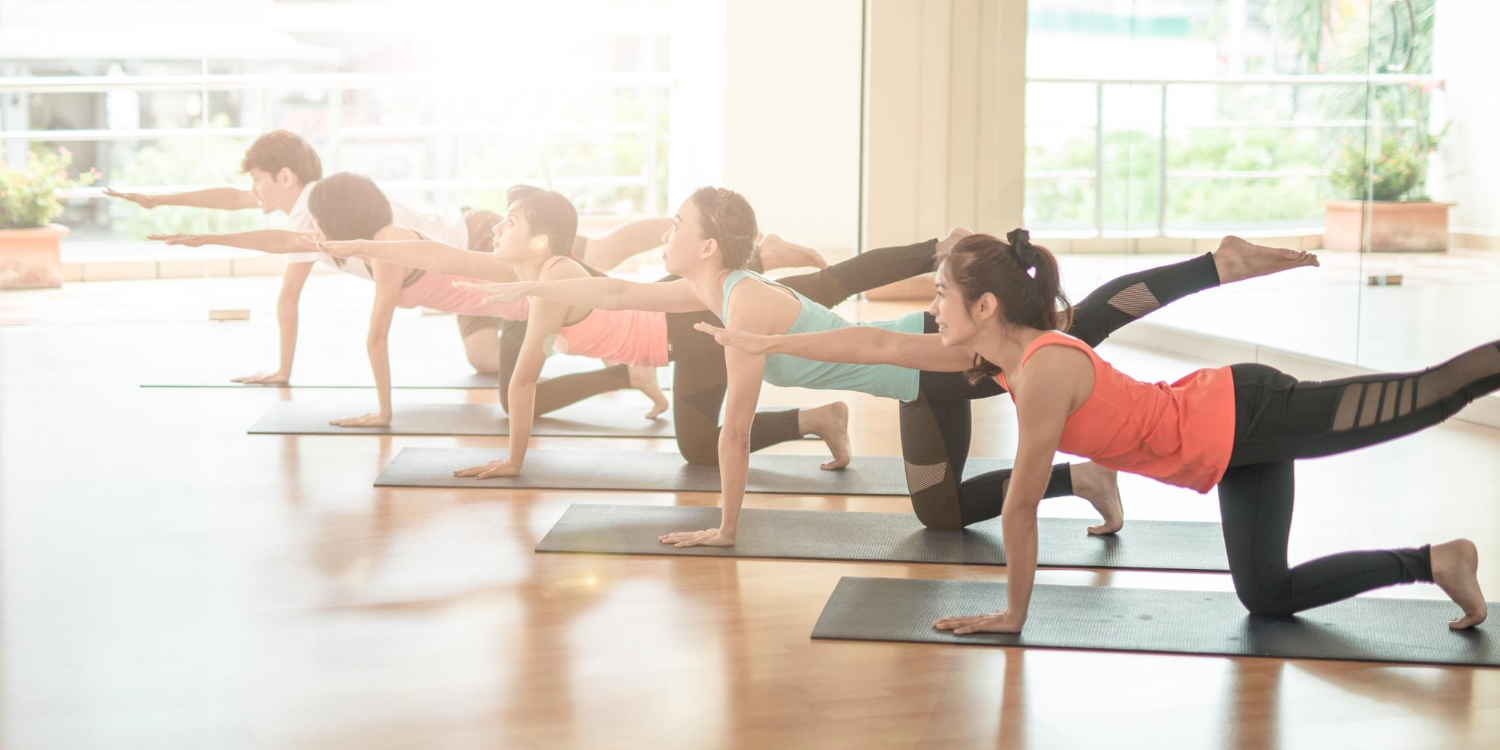
Vinyasa Yoga is known for linking every breath to a continuous and flowing movement. This process makes it feel less like an exercise and more like a moving meditation. The word ‘vinyasa’ translates to “placing in a special way”. This suggests how each posture flows intentionally into the next.
Vinyasa has evolved from Ashtanga Yoga and has grown into one of the most popular modern yoga styles worldwide. There is creative freedom for teachers as there are no rigid or preset sequences. Because of this there won’t be any classes that feel exactly the same. The spontaneity of Vinyasa Yoga keeps the practitioners engaged and mentally sharp throughout each session.
The practice generates internal heat through linked sequences like Sun Salutations. This simultaneously builds core strength, improves cardiovascular fitness and sharpens mindfulness. There is an increase in the number of yoga studios that offer Vinyasa classes and regular practitioners see improvement in flexibility within just eight weeks.
Popular Vinyasa variations include:
- Power Vinyasa (higher intensity, gym-like structure)
- Aerial Vinyasa (incorporates suspended hammocks)
- Slow Vinyasa (bridge between Vinyasa and Hatha)
Ujjayi Pranayama is the breath technique primarily used in Vinyasa. This is a controlled ocean-sounding breath that anchors focus and regulates the pace of movement.
What is Hatha Yoga? Foundations and Benefits
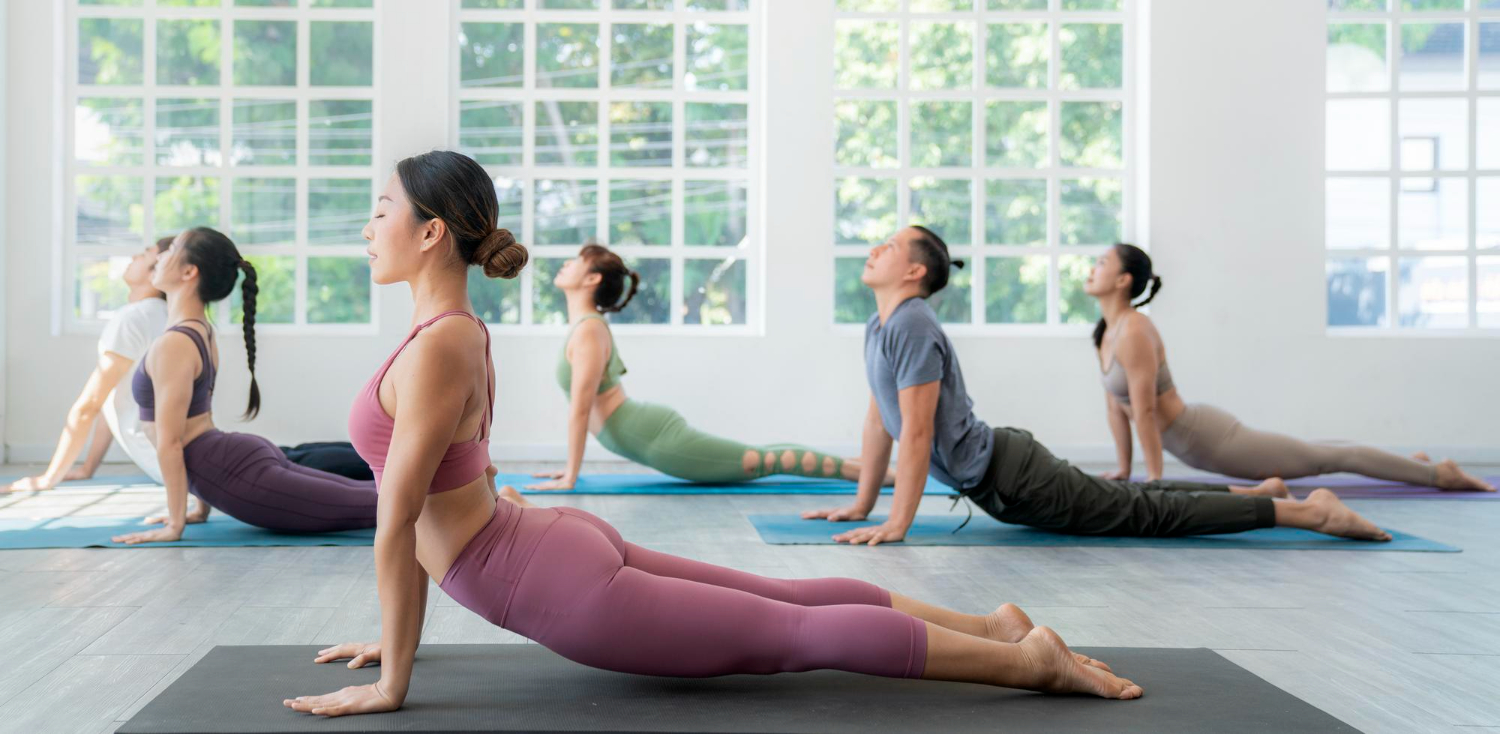
It is the foundation from which nearly every modern yoga style has taken form. The Sanskrit word Hatha means sun and moon, which symbolizes the balance of opposing energies within the body.
Hatha practice primarily focuses on holding individual postures (asanas) for extended periods. This typically lasts five to ten breaths. The intentional stillness involved in the practice trains the mind to find comfort in times of discomfort, builds body awareness and also improves joint health.
Hatha sessions follow a more predictable structure, which makes them ideal for beginners, older adults and anyone recovering from injury or stress. Blocks and straps are the props commonly used to increase accessibility regardless of the flexibility level.
Hatha Yoga is reported to reduce cortisol level by up to 20% after just 10 sessions. The three-part breath Dirga Pranayama is primarily paired with it to create a parasympathetic response.
Core elements of a Hatha Yoga session:
- Structured asana sequences (e.g., Warrior, Triangle, Tree Pose)
- Extended pose holds for alignment and depth
- Pranayama integration before and after asanas
- Guided relaxation (Savasana) at the close
Vinyasa Yoga vs Hatha Yoga: A Detailed Differences Breakdown
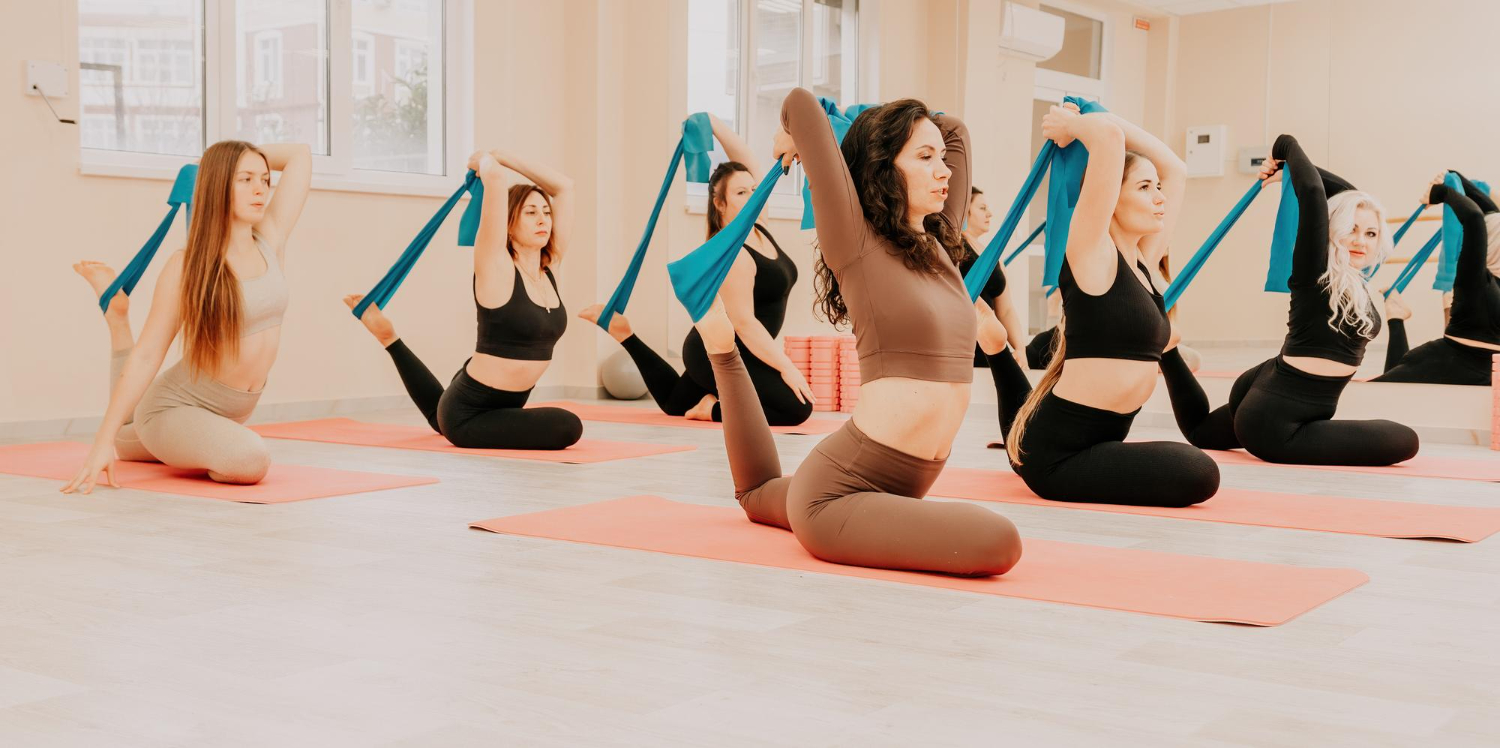
While Vinyasa is a dynamic, cardio-focused, heat-building yoga practice, Hatha is static, precision-driven and restorative. Both of them have their rightful place if you are up for a well-rounded yoga practice. The key is to know what your body and mind need at any given time.
Vinyasa classes are reported to retain 55% more drop-in attendees. This is largely due to the variety and energising nature of the flows. Meanwhile, Hatha classes see stronger long-term retention among practitioners seeking stress management and mindful movement.
Pace and Sequence Comparison
| Feature | Vinyasa Yoga | Hatha Yoga |
| Flow Style | Seamless, dance-like transitions | Independent holds (5 to 10 breaths each) |
| Sequence | Improvised or teacher-led | Traditional (e.g., Surya Namaskar) |
| Intensity | High (cardio-like) | Moderate (meditation-like) |
| Class Energy | Upbeat, rhythmic | Calm, introspective |
Benefits Comparison
| Benefit Category | Vinyasa Yoga | Hatha Yoga |
| Physical | Cardio fitness, core strength, calorie burn | Flexibility, joint health, posture |
| Mental | Sharp focus, stress release through flow | Deep relaxation, emotional balance |
| Spiritual | Active mindfulness, energy cultivation | Stillness, breath awareness |
| Beginner Fit | Builds stamina quickly but needs guidance | Teaches foundational basics safely |
Become a Certified Yoga Instructor
Yoga Teacher Training Course by Entri App: Master authentic yoga techniques, earn certification, and build a successful career as a professional yoga instructor.
Join Now!Breath: The Defining Difference Between both Styles
The prime difference between the two rests on how each practice treats the breath.
In the case of Vinyasa, breath acts as the engine. Movement begins and ends with an inhale or exhale. Inhale is to open and exhale is to fold. The Ujjayi breath creates an audible rhythm which synchronizes the entire class and thus regulates exertion.
When it comes to Hatha, breath can be seen as an anchor. As the poses are held longer and so breath becomes the tool for deepening into the posture. Dirga Pranayama helps expand the lungs fully and activates the parasympathetic nervous system. This calms the mind with each cycle.
Both approaches use intentional breathing as a strong factor. But one uses it to move, and the other uses it to settle.
Which Yoga Style is Right for You?
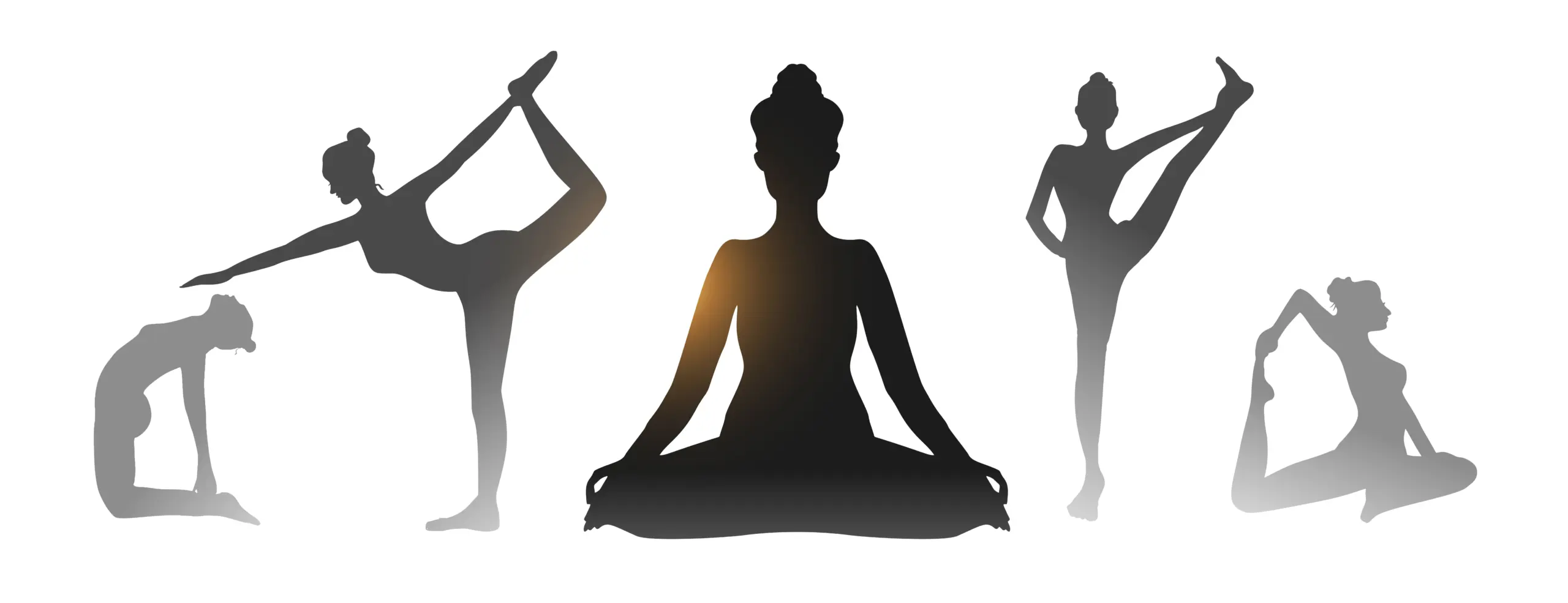
There is no one answer to which one is better. It depends entirely on each individual and their fitness level, goals and the lifestyle they have.
If you are a beginner or someone recovering from stress or injury, Hatha can be the right pick. Here, the pace allows for careful instruction as well as body awareness.
For fitness enthusiasts, athletes or someone looking to elevate their heart rate, Vinyasa is the right one. This also helps maintain mindfulness.
Reports suggest that practitioners intentionally switch between yoga styles throughout the year. They often practice Vinyasa for energy and Hatha for recovery. This approach is increasingly endorsed by yoga teachers on a global level as the smartest long-term strategy.
Choosing by Goal
| Your Goal | Recommended Style |
| Weight Loss | Vinyasa |
| Stress Relief | Hatha |
| Improved Flexibility | Both |
| Building Core Strength | Vinyasa |
| Better Sleep | Hatha |
| Athletic Cross-Training | Vinyasa |
| Chronic Pain Management | Hatha |
| Overall Wellness | Blend of Both |
If you find yourself unsure where to start, just begin with Hatha as a foundation. You can then gradually introduce Vinyasa flows as your stamina and confidence grow.
Many experienced practitioners maintain both styles in their weekly routine. The practitioners use them to complement rather than compete with each other.
Learn Yoga from the best teachers in the industry! Join the Entri app!
Conclusion
Vinyasa and Hatha Yoga really are two exceptionally distinct roads that wind up at the same end – a healthier, more mindful, and a more balanced version of you.
Vinyasa brings the fire, cranks the focus up to 11 and pushes your body to its limits with non-stop, breath-led movement. Hatha takes a far more gentle approach though, showing you that strength lies in stillness and peace – and that precision is key.
You don’t necessarily have to choose between them either. The most well rounded yogis are the ones who’ve spent time delving into both disciplines, and know exactly which one to reach for when.
Whether you’re just stepping onto a yoga mat for the very first time, or have been at it a while and are looking to deepen your practice, both Vinyasa and Hatha have got some seriously powerful tools up their sleeves – for body, mind and spirit.
Start with where you are at. Breathe. Then let your practice just kind of unfold from there.
|
RELATED POSTS |
|
|
Difference Between Asana Practice in Hatha Yoga and Modern Yoga |
|
|
How Yoga Can Boost Your Career Success: Focus, Confidence & Clarity at Work |
|
Become a Certified Yoga Instructor
Yoga Teacher Training Course by Entri App: Master authentic yoga techniques, earn certification, and build a successful career as a professional yoga instructor.
Join Now!Frequently Asked Questions
Can an absolute beginner do Vinyasa Yoga?
Absolutely – beginners can give Vinyasa a go with modified flows that move at a slower pace, as the Yoga Alliance recommends. If you’re just starting out, a beginner level Vinyasa class or a slow Vinyasa variation is probably your safest bet.
Is Hatha Yoga easier than Vinyasa?
Yeah – Hatha tends to be a fair bit more accessible, especially for newbies. It’s got fewer transitions and moves at a slower pace, so it’s probably a better ‘first step’ for people who are just starting to get into yoga.
Which is better for weight loss - Vinyasa or Hatha?
Vinyasa is probably the better bet if you’re after some serious fat burning – it can burn anything from 400-600 calories an hour, compared to Hatha which is more in the 200-400 calorie an hour range. All that continuous movement keeps the heart rate up and gets those calories burning.
Which yoga style is best for back pain?
Hatha is probably the safer bet if you’re dealing with back pain – its gentle, alignment focused approach tends to be kinder to the body, especially if you’re working with an injury. However, always check in with a qualified yoga therapist or healthcare professional before starting any practice.
Can I mix and match Vinyasa and Hatha in my weekly routine?
Oh yeah – in fact the whole yoga community is basically all about switching between styles to get the best results. 68% of practitioners do it, according to a Glo survey back in 2025, and I think it’s a pretty safe bet you’ll get results too if you give it a go.
Is Vinyasa Yoga any good for stress relief?
Vinyasa is definitely good at reducing stress through the mindfulness of flow and the endorphins you get from movement. But if you are after something a bit more deep, Hatha is probably the way to go – all that Harvard research about cortisol levels and 10 sessions really speaks for itself.
Are there any variations on Vinyasa and Hatha yoga?
Yeah – there’s loads of variations within both styles. Vinyasa has got its Power Vinyasa and Aerial Vinyasa flavours, while Hatha has spawned Iyengar, Kundalini and Restorative Yoga – all good options if you’re looking to mix things up a bit and refine your practice.