Table of Contents
Bhakti Yoga is the path of devotion. It teaches love for god. It builds faith and inner peace. This encourages kindness and gratitude. Anyone can practice this path. Age does not matter.
Experience is not required. Daily practice brings positive changes. It creates a peaceful mind. It supports spiritual growth.
Join the best online yoga teacher training program of 2026! Register in Entri Elevate now!
Introduction
Bhakti Yoga remains deeply meaningful today. It teaches love through devotion. It encourages peaceful living. Every individual can practise it.
Modern life creates constant stress. Many people seek emotional balance. Others seek spiritual purpose. Bhakti Yoga offers both naturally.
This ancient path remains simple. Physical strength becomes unnecessary. Honest devotion matters most. Daily practice creates gradual transformation.
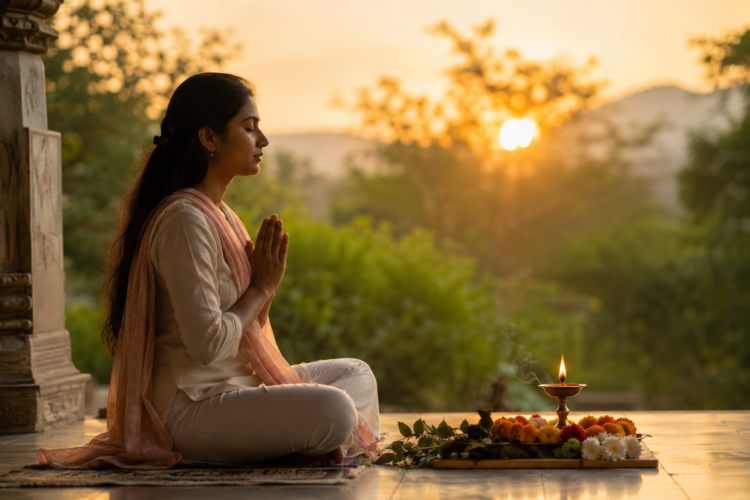
Why Learn Bhakti Yoga?
Bhakti Yoga improves everyday life. It also strengthens spiritual awareness.
Learning Bhakti Yoga helps:
- Build stronger faith.
- Develop inner peace.
- Reduce daily stress.
- Encourage gratitude.
- Improve compassion.
- Strengthen patience.
- Create positive habits.
- Find life’s purpose.
What will this Article Cover?
This guide explains Bhakti Yoga completely.
It covers:
- Its meaning.
- Its origin.
- Core principles.
- Different devotional paths.
- Practical daily insights.
Meaning and Origin of Bhakti Yoga
1: Which of these is the primary goal of yoga practice?
Bhakti Yoga is devotion with spirituality. Love remains its strongest foundation. Faith guides every action. Compassion shapes daily behaviour. Ancient scriptures explain these teachings beautifully. Their wisdom continues inspiring millions.
Understanding its meaning builds appreciation. Learning its history explains its importance.
What does Bhakti Yoga Mean?
Bhakti is a Sanskrit word. It means devotion & love. It reflects complete dedication. This devotion remains selfless. It expects no return.
Yoga also comes from Sanskrit. Which means union. It represents connection. It joins the soul with the Divine.
Hence; Bhakti Yoga means spiritual union through devotion.
Main Characteristics
Bhakti Yoga develops positive qualities.
These qualities include:
- Loving the Divine sincerely.
- Practising daily gratitude.
- Building unwavering faith.
- Serving others selflessly.
- Living with compassion.
- Reducing selfish desires.
- Accepting life’s uncertainties.
- Growing spiritually.
True devotion begins within. Honest intentions matter greatly. Every kind action becomes meaningful. Every prayer strengthens faith.
Where did Bhakti Yoga Begin?
It began in ancient India. Its roots spans to 1000 years. Sacred scriptures describe devotional practices. Ancient sages preserved these teachings carefully.
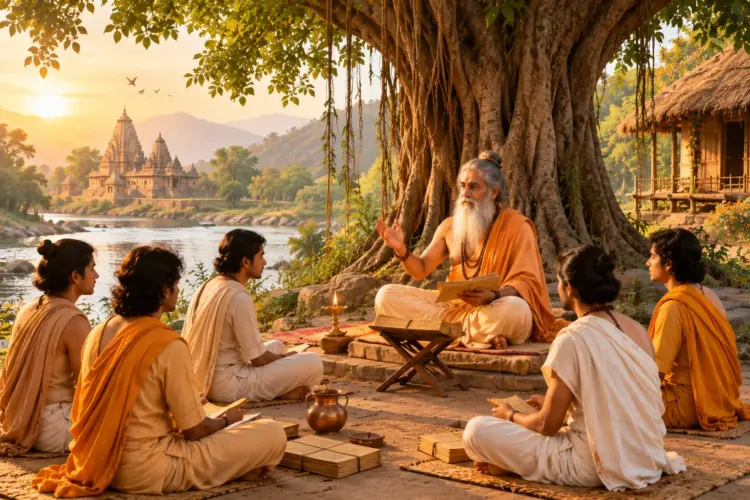
Early devotional ideas appeared within the Vedas. The Upanishads later expanded spiritual understanding. The Bhagavad Gita established Bhakti Yoga clearly. Lord Krishna explained loving devotion beautifully.
These teachings inspired generations. Saints later spread devotion widely. Their simple messages reached ordinary people.
How did Bhakti Yoga Spread Across India?
It gained popularity through the Bhakti Movement. Saints shared spiritual teachings using simple languages. Their songs reached ordinary people. Their message crossed social barriers. Devotion became accessible to everyone.
The movement promoted equality and compassion. It encouraged personal worship. It reduced dependence upon complex rituals. Love became the centre of spiritual practice.
Several saints shaped this movement.
These include:
- Mirabai.
- Kabir.
- Andal.
- Namdev.
- Tukaram.
- Tulsidas.
- Chaitanya Mahaprabhu.
Their teachings continues to inspire us.
Become a Certified Yoga Instructor
Yoga Teacher Training Course by Entri App: Master authentic yoga techniques, earn certification, and build a successful career as a professional yoga instructor.
Join Now!Core Principles of Bhakti Yoga
This yoga follows timeless values. Its principles shape thoughts. It also affects one’s actions. Together, they create a balanced life.
Love Above Everything
Love remains Bhakti Yoga’s greatest strength. It connects individuals with the Divine. It also transforms everyday relationships.
This principle encourages:
- Selfless affection.
- Gratitude.
- Forgiveness.
- Positive thinking.
- Respect for others.
Love creates lasting emotional peace.
Trust the Divine
Trust reduces unnecessary fear. It encourages acceptance during uncertainty. Life becomes easier with faith.
Practising trust helps people:
- Stay calm.
- Accept challenges.
- Release attachment.
- Develop resilience.
- Build confidence.
Live with Humility
Humility removes unnecessary pride. It creates openness towards learning. Gratitude naturally replaces ego.
Simple ways to practise humility include:
- Accepting mistakes.
- Respecting others.
- Listening carefully.
- Sharing success.
- Appreciating guidance.
Serve Without Expectations
Service becomes worship within Bhakti Yoga. Helping reflects spiritual maturity. Even small actions are valuable.
Examples include:
- Supporting family.
- Helping neighbours.
- Volunteering locally.
- Protecting nature.
- Sharing knowledge.
Selfless service also strengthens communities.
Different Types of Bhakti Yoga
People express devotion in different ways. Ancient scriptures explain these ways. The Bhagavata Purana describes Navavidha Bhakti. It includes nine forms of devotion. Each form offers a different approach. Every path brings people closer to the Divine. Each practice supports spiritual growth. Practitioners may choose one form. They may also combine several forms.
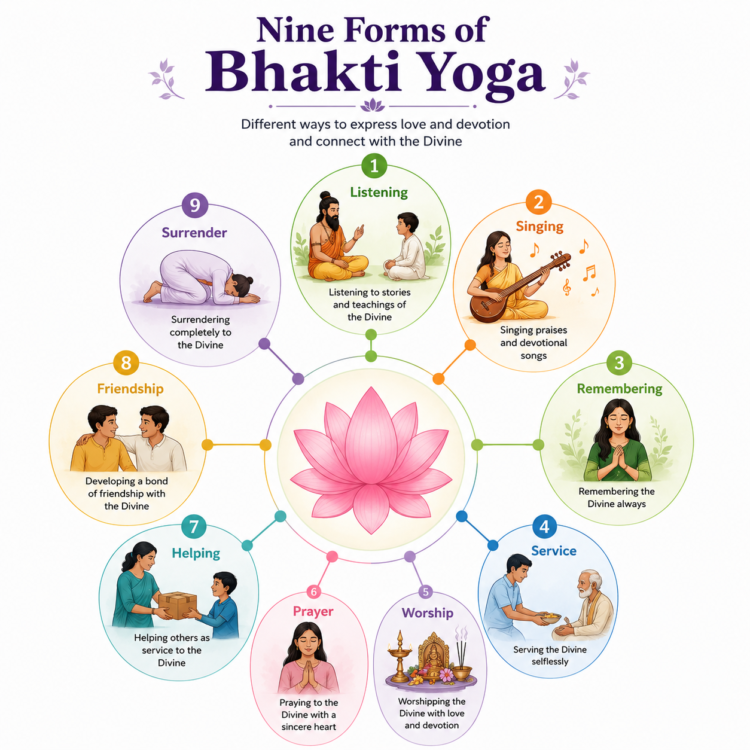
The Nine Forms of Bhakti
Shravanam (Listening):
- Listening to scriptures.
- Listening to spiritual teachings.
- Builds knowledge.
- Strengthens faith.
Kirtanam (Singing):
- Singing devotional songs.
- Chanting divine names.
- Fills the mind with joy.
Smaranam (Remembering):
- Remembering the Divine throughout the day.
- This practice develops mindfulness and gratitude.
Padasevanam (Service):
- Serving the Divine with humility.
- Temple service and helping others reflect this practice.
Archanam (Worship):
- Offering prayers, flowers, or lamps.
- Daily worship expresses respect and thankfulness.
Vandanam (Prayer):
- Offering sincere prayers with humility.
- It strengthens trust and inner peace.
Dasyam (Selfless Service):
- Serving as a devoted follower.
- Every duty becomes an act of worship.
Sakhyam (Friendship):
- Treating the Divine as a trusted friend.
- This approach builds closeness and openness.
Atma Nivedanam (Complete Surrender):
- Surrendering everything to the Divine.
- It encourages trust, acceptance, and contentment.
Nine Forms of Bhakti Yoga
| Form | Purpose | Example |
|---|---|---|
| Shravanam | Gain wisdom | Listen to scriptures |
| Kirtanam | Express joy | Sing bhajans |
| Smaranam | Build awareness | Remember God’s name |
| Padasevanam | Practise service | Volunteer sincerely |
| Archanam | Show gratitude | Offer flowers |
| Vandanam | Express respect | Daily prayers |
| Dasyam | Develop discipline | Serve selflessly |
| Sakhyam | Build closeness | Speak sincerely |
| Atma Nivedanam | Complete surrender | Offer every action |
Which Practice Fits Beginners?
Beginners should choose comfortable practices. Simple routines improve consistency. Regular practice matters most.
Good starting options include:
- Morning gratitude.
- Short daily prayers.
- Listening to bhajans.
- Reading one scripture.
- Chanting a simple mantra.
- Helping others regularly.
Small steps create lasting habits. Daily practice naturally deepens spiritual understanding.
Benefits of Bhakti Yoga
Bhakti Yoga offers many life-changing benefits. It nurtures emotional wellbeing. It strengthens spiritual awareness. This yoga also improves everyday relationships. Regular practice creates lasting positive habits. These benefits appear gradually. Consistency remains the key.
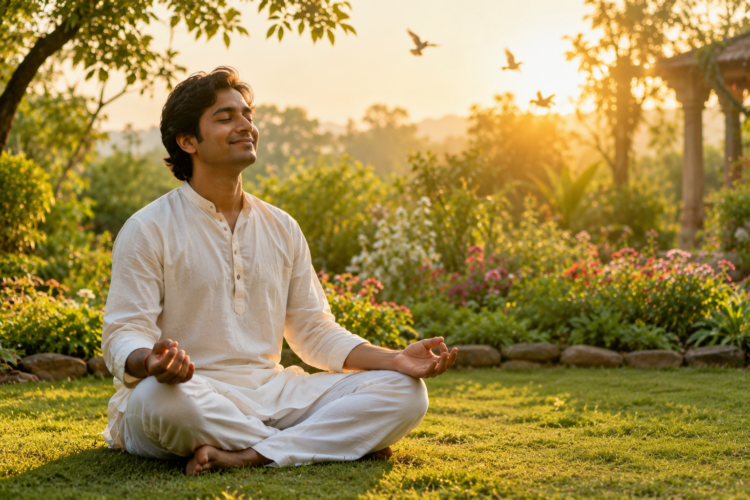
How Does Bhakti Yoga Improve Emotional Wellbeing?
Modern life creates emotional pressure. Constant stress affects mental balance. Bhakti Yoga encourages calmness and gratitude. Loving devotion reduces negative thinking. It also promotes emotional stability.
Emotional benefits include:
- Reduces everyday stress.
- Encourages positive emotions.
- Develops emotional resilience.
- Increases gratitude.
- Reduces loneliness.
- Promotes contentment.
- Encourages forgiveness.
- Builds self-confidence.
People also become more patient. Daily challenges feel manageable. Small worries lose importance. Inner peace gradually replaces anxiety.
How does Bhakti Yoga Strengthen Mental Health?
A peaceful mind supports better decisions. Bhakti Yoga helps calm restless thoughts. Prayer and chanting improve concentration. Spiritual reflection also improves self-awareness.
Regular practice supports mental wellbeing through:
- Better concentration.
- Improved mindfulness.
- Greater mental clarity.
- Reduced overthinking.
- Stronger self-discipline.
- Positive thinking.
- Better emotional control.
- Increased optimism.
Quiet reflection also improves decision-making. It creates space for thoughtful actions. Mental balance develops naturally over time.
How does Bhakti Yoga Support Spiritual Growth?
Bhakti Yoga deepens spiritual understanding. It strengthens personal faith. It also creates meaningful life experiences. Practitioners gradually develop stronger inner awareness.
Spiritual benefits include:
- Stronger connection with the Divine.
- Greater self-awareness.
- Clearer life purpose.
- Improved inner harmony.
- Deeper gratitude.
- Increased humility.
- Better acceptance.
- Lasting inner peace.
Spiritual growth never happens instantly. Small daily efforts create meaningful progress. Patience remains an important part.
How does Bhakti Yoga Improve Relationships?
Bhakti Yoga encourages kindness and empathy. These qualities improve communication. They also strengthen trust between people.
Regular practice encourages:
- Respectful behaviour.
- Better listening.
- Greater compassion.
- Honest communication.
- Stronger family bonds.
- Forgiving attitudes.
- Helpful actions.
- Community involvement.
Healthy relationships support emotional wellbeing. They also create happier communities.
Does Bhakti Yoga Benefit Physical Health?
Bhakti Yoga primarily supports spiritual growth. However, emotional balance also benefits physical health. Reduced stress supports overall wellbeing. Peaceful routines encourage healthier lifestyles.
Possible physical benefits include:
- Better sleep quality.
- Reduced physical tension.
- Lower stress levels.
- Improved relaxation.
- Healthier daily habits.
- Increased energy.
- Better breathing awareness.
- Greater overall wellbeing.
These benefits vary between individuals. Consistent practice produces better results.
Benefits of Bhakti Yoga
| Area | Key Benefits |
|---|---|
| Emotional | Peace, gratitude, resilience |
| Mental | Focus, clarity, optimism |
| Spiritual | Faith, purpose, awareness |
| Social | Compassion, stronger relationships |
| Physical | Relaxation, better sleep, reduced tension |
💡 Pro Tip
Choose one practice daily. Maintain consistency patiently. Small habits produce lasting transformation.
Become a Certified Yoga Instructor
Yoga Teacher Training Course by Entri App: Master authentic yoga techniques, earn certification, and build a successful career as a professional yoga instructor.
Join Now!How to Practise Bhakti Yoga Daily
Bhakti Yoga fits easily into daily life. It requires sincere intention. Long hours remain unnecessary. Small, consistent practices create meaningful progress. Regular devotion gradually becomes a natural habit.
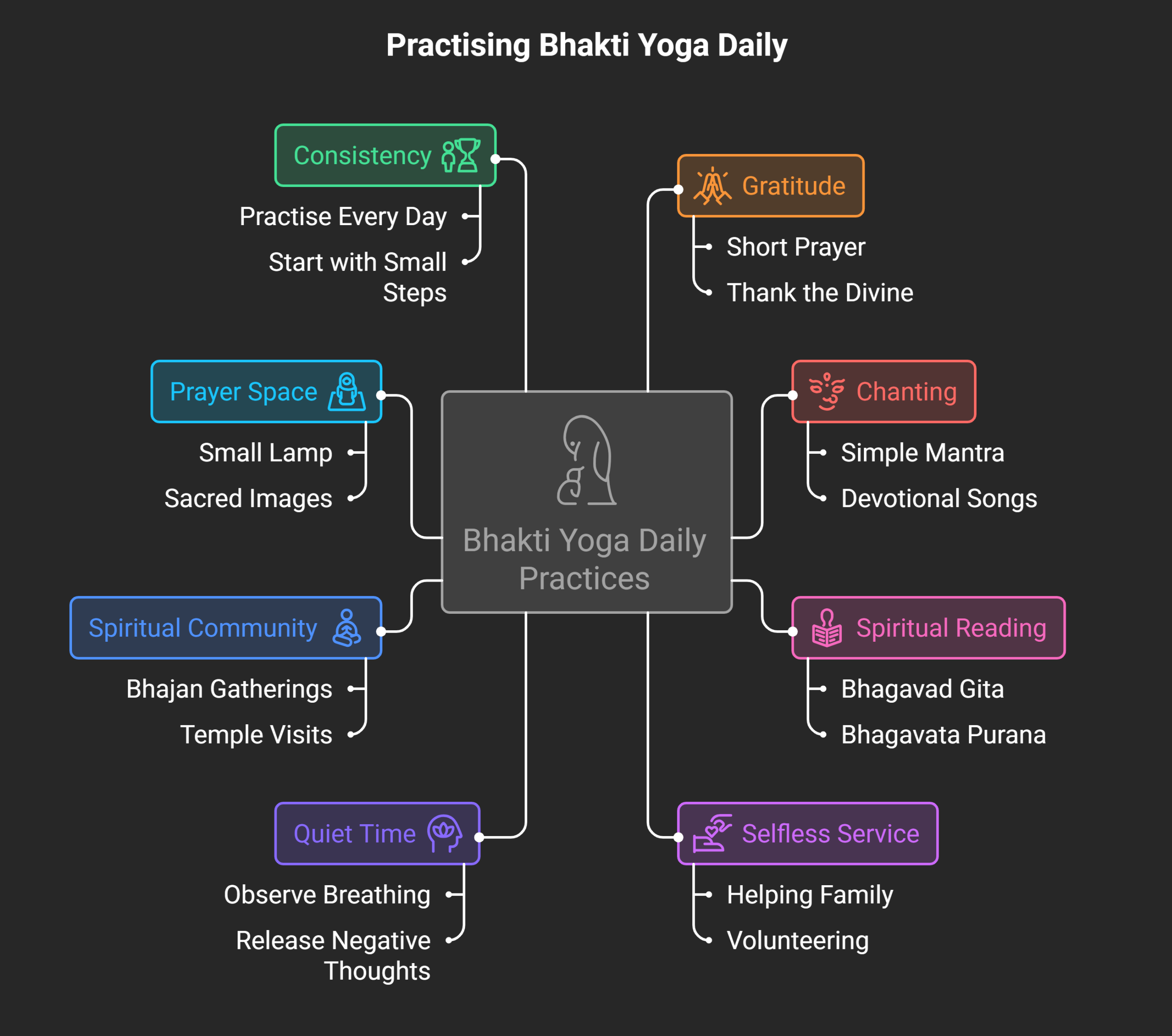
Begin the Day with Gratitude
A peaceful morning sets the day’s tone. Begin with a thankful heart. Express gratitude before daily activities.
Simple morning practices include:
- Offer a short prayer.
- Thank the Divine.
- Sit quietly.
- Take mindful breaths.
- Set positive intentions.
These habits encourage calmness throughout the day.
Chant Divine Names
Chanting remains a powerful practice. It calms the mind. It strengthens concentration. Chanting also creates positive energy.
Beginners can start with:
- A simple mantra.
- Devotional songs.
- Soft chanting.
- Silent repetition.
- Group chanting.
Choose a comfortable routine. Consistency matters more than duration.
Read Spiritual Teachings
Spiritual reading develops wisdom. It also strengthens understanding. Even a few minutes help.
Helpful reading materials include:
- The Bhagavad Gita.
- The Bhagavata Purana.
- Devotional poetry.
- Stories of Bhakti saints.
- Spiritual reflections.
Reflect upon one lesson daily. Apply it practically.
Practise Selfless Service
Service expresses devotion through action. Helping others reflects Bhakti Yoga’s values. Every thoughtful action becomes meaningful.
Simple acts of service include:
- Helping family members.
- Supporting neighbours.
- Volunteering locally.
- Sharing knowledge.
- Caring for nature.
- Donating when possible.
Kindness creates positive change. It also develops humility.
Spend Quiet Time Daily
Silence supports self-reflection. It helps organise thoughts. It also strengthens emotional balance.
During quiet moments:
- Observe breathing.
- Reflect peacefully.
- Release negative thoughts.
- Practise gratitude.
- Focus on the present.
Even ten minutes remain valuable.
Join a Spiritual Community
Group practice encourages consistency. Shared experiences also increase motivation. Learning becomes easier together.
Community activities may include:
- Bhajan gatherings.
- Temple visits.
- Spiritual discussions.
- Meditation sessions.
- Community service.
Supportive communities strengthen long-term practice.
Create a Peaceful Prayer Space
A dedicated space encourages regular practice. The area need not be large. Cleanliness and simplicity remain important.
A prayer corner may include:
- A small lamp.
- Sacred images.
- Fresh flowers.
- Incense.
- Spiritual books.
This peaceful space encourages daily reflection.
Stay Consistent
Spiritual growth requires patience. Progress appears gradually. Daily effort matters most.
Remember these simple habits:
- Practise every day.
- Start with small steps.
- Avoid comparisons.
- Celebrate gradual progress.
- Remain sincere.
Consistency creates lifelong transformation.
Join the best online yoga teacher training program of 2026! Register in Entri Elevate now!
Simple Daily Bhakti Yoga Routine
| Time | Practice | Suggested Duration |
|---|---|---|
| Morning | Prayer and gratitude | 5–10 minutes |
| Afternoon | Selfless service | As possible |
| Evening | Chanting or reading | 10–15 minutes |
| Night | Quiet reflection | 5 minutes |
Conclusion
Bhakti Yoga offers a simple spiritual path. It centres upon love and devotion. Anyone can begin this journey. Daily practice requires little time. Honest intentions matter most.
This ancient tradition remains relevant today. Yoga strengthens emotional wellbeing. It develops compassion and humility. It also deepens spiritual understanding.
Every small practice creates meaningful progress. A short prayer matters. A kind action matters. A grateful heart matters. Consistent effort brings lasting transformation. Bhakti Yoga ultimately teaches peaceful living through love, faith, and selfless service.
Become a Certified Yoga Instructor
Yoga Teacher Training Course by Entri App: Master authentic yoga techniques, earn certification, and build a successful career as a professional yoga instructor.
Join Now!Frequently Asked Questions
What is the main purpose of Bhakti Yoga?
The main purpose of Bhakti Yoga is to develop a loving relationship with the Divine through sincere devotion, faith, and selfless actions. It also helps cultivate inner peace, compassion, gratitude, and spiritual growth while reducing attachment to material desires.
Can beginners practise Bhakti Yoga?
Yes, Bhakti Yoga is suitable for beginners because it does not require advanced physical abilities or prior spiritual knowledge. Anyone can begin with simple practices such as prayer, chanting, gratitude, or reading spiritual texts.
Is Bhakti Yoga only for followers of Hinduism?
No, Bhakti Yoga is not limited to any particular religion or culture. Its core principles of love, devotion, compassion, and selfless service can be practised by people from different spiritual backgrounds.
How is Bhakti Yoga different from other types of yoga?
Bhakti Yoga focuses on devotion and emotional connection, while other yoga paths may emphasise knowledge, meditation, or physical discipline. Instead of mastering difficult postures, Bhakti Yoga encourages love, surrender, and service as the path to spiritual growth.
What are the daily practices of Bhakti Yoga?
Daily Bhakti Yoga practices include prayer, chanting, reading sacred scriptures, singing devotional songs, practising gratitude, and serving others selflessly. Even a few minutes of sincere practice each day can gradually strengthen faith and inner peace.
What are the nine forms of Bhakti Yoga?
The nine forms of Bhakti Yoga, known as Navavidha Bhakti, include listening, singing, remembering, serving, worshipping, praying, selfless service, divine friendship, and complete surrender. These practices offer different ways to express devotion according to individual preferences and spiritual goals.
Does Bhakti Yoga improve mental wellbeing?
Yes, regular Bhakti Yoga practice can promote emotional balance by reducing stress, calming the mind, and encouraging positive thinking. Prayer, chanting, and gratitude also help improve focus, patience, and resilience during challenging situations.
How much time should be spent practising Bhakti Yoga?
There is no fixed duration for practising Bhakti Yoga because consistency matters more than time. Beginners can start with five to ten minutes daily and gradually build a routine that fits their lifestyle.
Can Bhakti Yoga be combined with other yoga practices?
Yes, Bhakti Yoga works well alongside Karma Yoga, Jnana Yoga, Raja Yoga, and physical yoga practices. Combining these paths creates a balanced approach to spiritual, mental, and physical wellbeing.
What are the long-term benefits of Bhakti Yoga?
Regular Bhakti Yoga practice helps develop lasting inner peace, stronger faith, emotional resilience, compassion, humility, and a deeper sense of purpose. Over time, it also encourages positive habits, healthier relationships, and a more meaningful and spiritually fulfilling life.