Table of Contents
Many people in India believe that filing an Income Tax Return (ITR) is only for those who owe tax to the government. If your income is below the basic exemption threshold, you might feel that ITR filing is unnecessary work. However, this is a very common misconception.
Filing your tax return on time is a healthy financial habit. It serves as a recognized proof of your financial standing in India. Even when your tax liability is zero, submitting a “Nil Return” opens doors to multiple financial perks.
Learn Stock Marketing with a Share Trading Expert! Explore Here!
Key Takeaways
- Filing an Income Tax Return (ITR) is not just about paying tax. It is also an official record of your yearly income.
- You can claim back Tax Deducted at Source (TDS) deducted on your salary, fixed deposits, or freelancing income only by filing ITR.
- Regular tax returns act as solid income proof for bank loans, credit cards, and foreign visa applications.
- Filing ITR allows you to carry forward stock market or property losses to offset against future profits.
- Under certain conditions, such as high electricity bills or foreign travel spending, filing ITR is legally compulsory even if your income is zero.
- Understanding the benefits of filing ITR below the taxable limit helps you build long-term financial credibility effortlessly.
What does “Below Taxable Limit” Mean?
1: What is a stock?
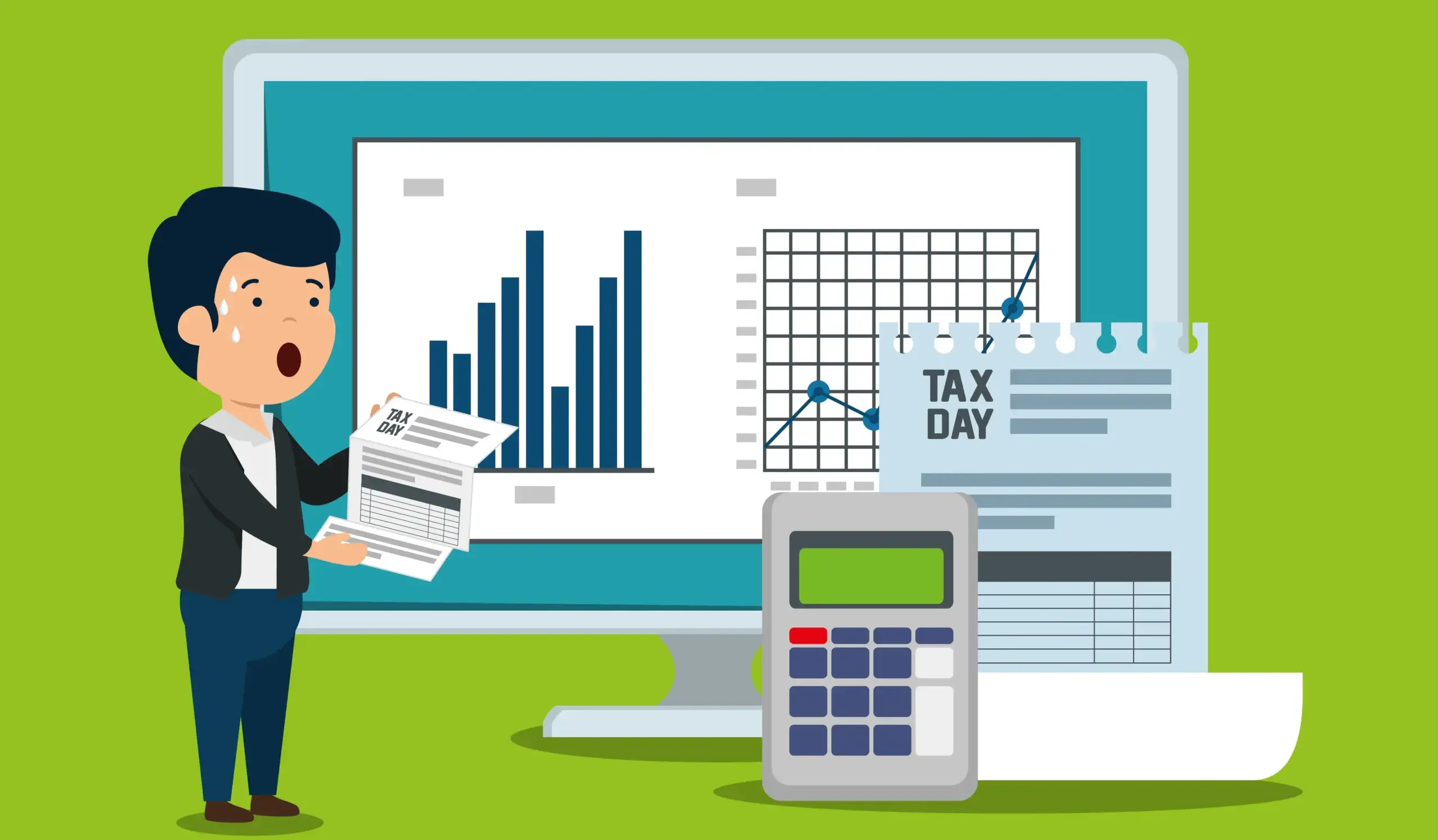
In India, the government sets a basic exemption limit for personal income. If your total income falls below this threshold, you do not have to pay income tax.
Under the Old Tax Regime, the basic exemption limit for individuals under 60 years of age is ₹2.5 lakh per year. In the case of senior citizens aged between 60 and 80, the limit is ₹3 lakh. When it comes to super senior citizens above 80 years, the limit is ₹5 lakh.
Under the New Tax Regime, the basic exemption limit is ₹3 lakh for all individuals regardless of age. In addition to that, rebate provisions under Section 87A mean that individuals earning up to ₹7 lakh under the New Tax Regime pay zero net tax.
However, earning below these limits does not mean you should skip filing. When you file voluntarily, it creates an official record of your annual earnings with the Income Tax Department.
1. Claim Refund of Tax Deducted at Source (TDS)
One of the major reasons to file ITR is to claim back deducted taxes. It happens very often that banks deduct TDS on interest earned from fixed deposits or recurring deposits if the interest crosses specified annual thresholds. In a similar manner, clients deduct TDS on payments made to freelancers, consultants, or contractors.
If your total income for the year is below the taxable limit, this deducted tax actually belongs to you. The Income Tax Department does not refund this money automatically. The only way to claim a full refund of this deducted tax is by filing your ITR.
Once you file your return, the tax department verifies your details and transfers the refund directly to your bank account with applicable interest. Experiencing this direct refund is one of the most immediate benefits of filing ITR below the taxable limit.
2. Hassle-Free Loan and Credit Card Approvals
Whether you want to buy a home, purchase a car, or get a personal loan, banks require solid proof of repayment capacity. Salary slips and bank statements show cash flow, but financial institutions place the highest trust in Income Tax Returns.
Most banks and Non-Banking Financial Companies (NBFCs) ask for ITRs of the past two to three years before approving major loan applications. If you have never filed an ITR because your income was low, lenders may hesitate to approve your loan. They might also offer you higher interest rates or approve a lower loan amount.
Regular ITR filings prove that you are a responsible citizen with a transparent income stream. It builds a strong credit profile over time. This makes acquiring credit cards and securing high-value loans much faster and simpler.
3. Hassle-free Visa Application Processing
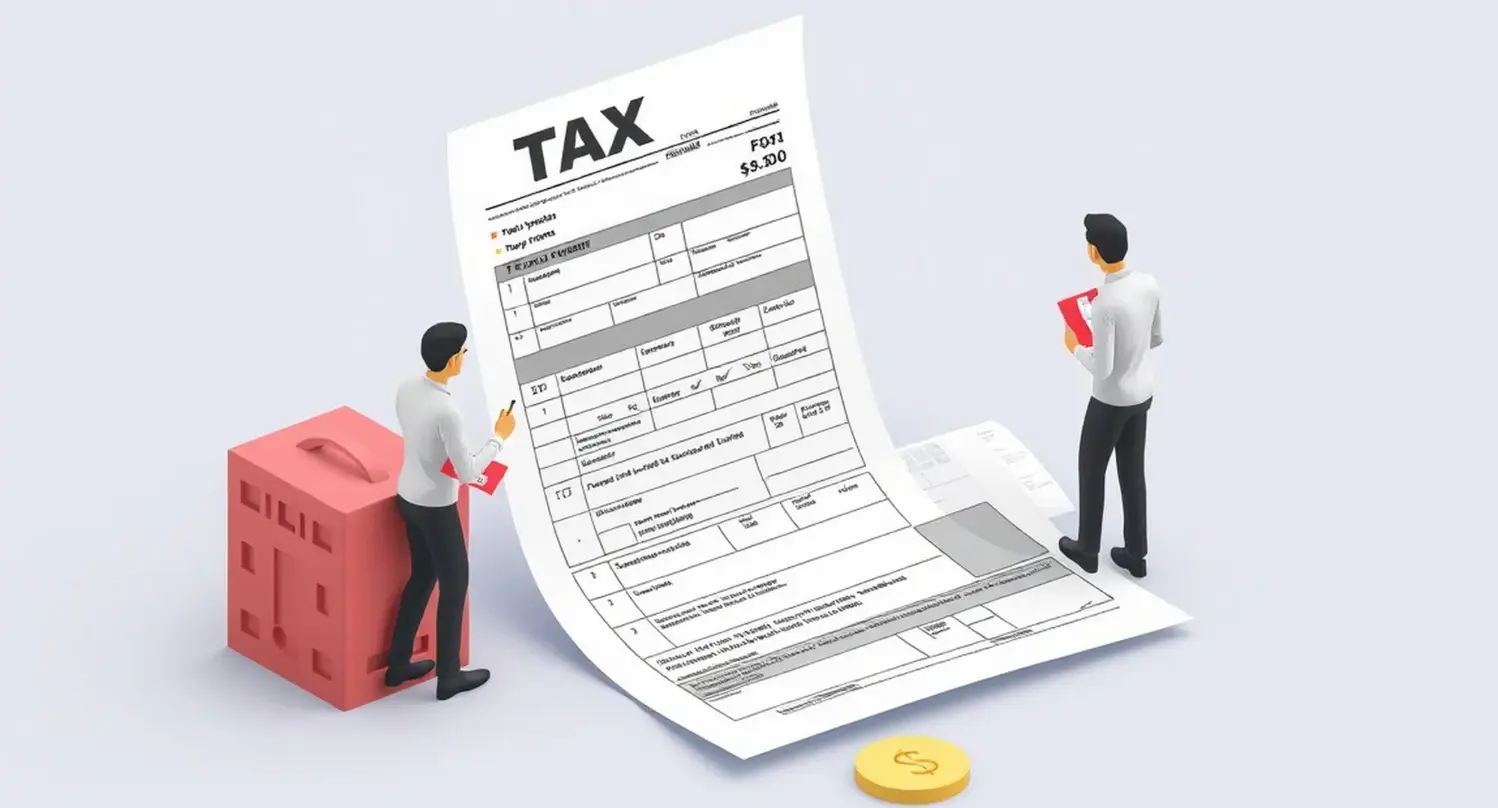
Planning to travel abroad for a vacation, higher studies, or work? Foreign embassies, especially those of the United States, Canada, United Kingdom, and Schengen nations, evaluate your financial stability before granting a visa.
Embassies want to ensure that you have sufficient financial roots in India and that you intend to return home after your trip. They routinely require ITR documents for the last two or three years as standard proof of financial standing.
If you fail to provide ITR documents, your visa application faces a much higher risk of delay or rejection. Having a consistent history of tax filing—even with zero tax liability—reassures visa officers about your genuine financial status in India.
4. Carry Forward Capital and Business Losses
Financial markets do not move in a straight line upward. If you trade in stocks, mutual funds, futures and options, or own a small business, you might experience financial losses in certain years.
The Income Tax Act allows taxpayers to carry forward short-term and long-term capital losses, as well as business losses, to future assessment years. You can use these past losses to adjust against future taxable profits, which reduces your tax bill in profitable years.
However, there is a strict rule. You can carry forward these losses only if you file your ITR on or before the official due date. If you skip filing your return because your income for the current year is non-taxable, you permanently lose the right to adjust these losses later on. Preserving these future tax adjustments highlights the critical benefits of filing ITR below the taxable limit.
5. Valid Income Proof for Freelancers and Self-Employed Individuals
Salaried employees receive Form 16 from their employers as an official record of their annual earnings. However, freelancers, gig workers, small shopkeepers, and independent consultants do not receive Form 16.
For non-salaried individuals, an ITR is the single most authentic, government-recognized proof of income. It consolidates earnings from all client payments, cash deposits, and digital transfers into one official document.
This official document helps self-employed individuals buy term insurance policies with higher life covers. Insurance companies routinely request 2-3 years of ITR filings to verify the financial worth of an applicant before approving large term cover amounts.
6. Cases Where Filing ITR is Mandated by Law
In India, the tax law mandates certain individuals to file an ITR under Section 139(1) seventh proviso. This applies even if their total annual income is well below the basic exemption threshold.
It is mandatory to file an ITR if you meet any of the following conditions during the financial year:
- High Electricity Bills: You paid more than ₹1 lakh for electricity consumption during the financial year.
- Foreign Travel Expenditure: You spent over ₹2 lakh on travel to a foreign country for yourself or any other person.
- Current Account Deposits: You deposited an aggregate amount exceeding ₹1 crore in one or more current accounts with a bank.
- Savings Account Deposits: You deposited ₹50 lakhs or more in aggregate across one or more savings bank accounts.
- Business Turnover: Your total sales, turnover, or gross business receipts exceeded ₹60 lakh during the year.
- Professional Receipts: Your gross receipts from a profession exceeded ₹10 lakh.
- TDS/TCS Deductions: The total TDS and TCS deducted on your income reached ₹25,000 or more (₹50,000 or more for senior citizens).
If you trigger any of these financial criteria, skipping ITR filing can lead to tax notices and late filing fees under Section 234F.
7. Avoid Penalties and Tax Department Notices
The Income Tax Department uses sophisticated automated systems to track financial transactions linked to your PAN. High-value investments, credit card payments, property purchases, and major bank deposits are automatically reported to tax authorities.
If your financial activities appear high but you have not filed an ITR, the system may flag your profile. You might receive automated inquiry notices asking you to clarify the source of your funds.
Filing a voluntary ITR provides complete transparency. It explains your source of funds clearly and prevents unexpected notices or tax scrutiny in the future. Understanding the compliance benefits of filing ITR below the taxable limit helps you stay completely stress-free.
Learn Stock Marketing with a Share Trading Expert! Explore Here!
Conclusion
If you are someone who owes taxes, filing your Income Tax Return is not merely a legal obligation. A powerful financial tool that establishes your economic identity, income tax return builds creditworthiness, and keeps you compliant with Indian tax laws.
By filing a return, you can easily claim TDS refunds, secure bank loans, apply for foreign visas, and safeguard yourself from tax notices. The beauty of online filing portal is that it makes the process fast, free, and straightforward.
Do not wait for your income to cross the taxable threshold before you start filing. Start building your clean financial history today by filing your return on time every single year.
|
RELATED POSTS |
|
| How to File Income Tax Return (ITR) on Your Own | |
| Income Tax in Budget 2026: What’s New | |
| What to do if I get income tax notice? | |
Stock Market Training Reviewed & Monitored by SEBI Registered Investment Advisor
Trusted, concepts to help you grow with confidence. Enroll now and learn to start investing the right way.
Know moreFrequently Asked Questions
Is it mandatory to file ITR if income is below ₹2.5 lakh?
No, it is generally voluntary unless you meet specific criteria like spending over ₹2 lakh on foreign travel or ₹1 lakh on electricity bills.
Can I get my TDS refunded if I don't pay any tax?
Yes. If your total income is below the exemption limit, filing an ITR allows you to claim a 100% refund of deducted TDS.
Will filing ITR with zero tax liability cost me money?
No. You can file a Nil ITR yourself for free on the official Income Tax e-filing portal.
How many years of ITR do banks check for home loans?
Banks typically ask for ITR records of the past 2 to 3 years to verify your income stability.
Can students file ITR if they have freelancing income?
Yes. Students earning freelancing income below the exemption limit can file an ITR voluntarily to build an official financial record.
What happens if I miss the ITR filing due date?
You can file a belated return, but you may lose the right to carry forward certain capital losses.
Which ITR form should I use for non-taxable income?
Salaried individuals and those with interest income can generally use the simple ITR-1 (Sahaj) form.