Table of Contents
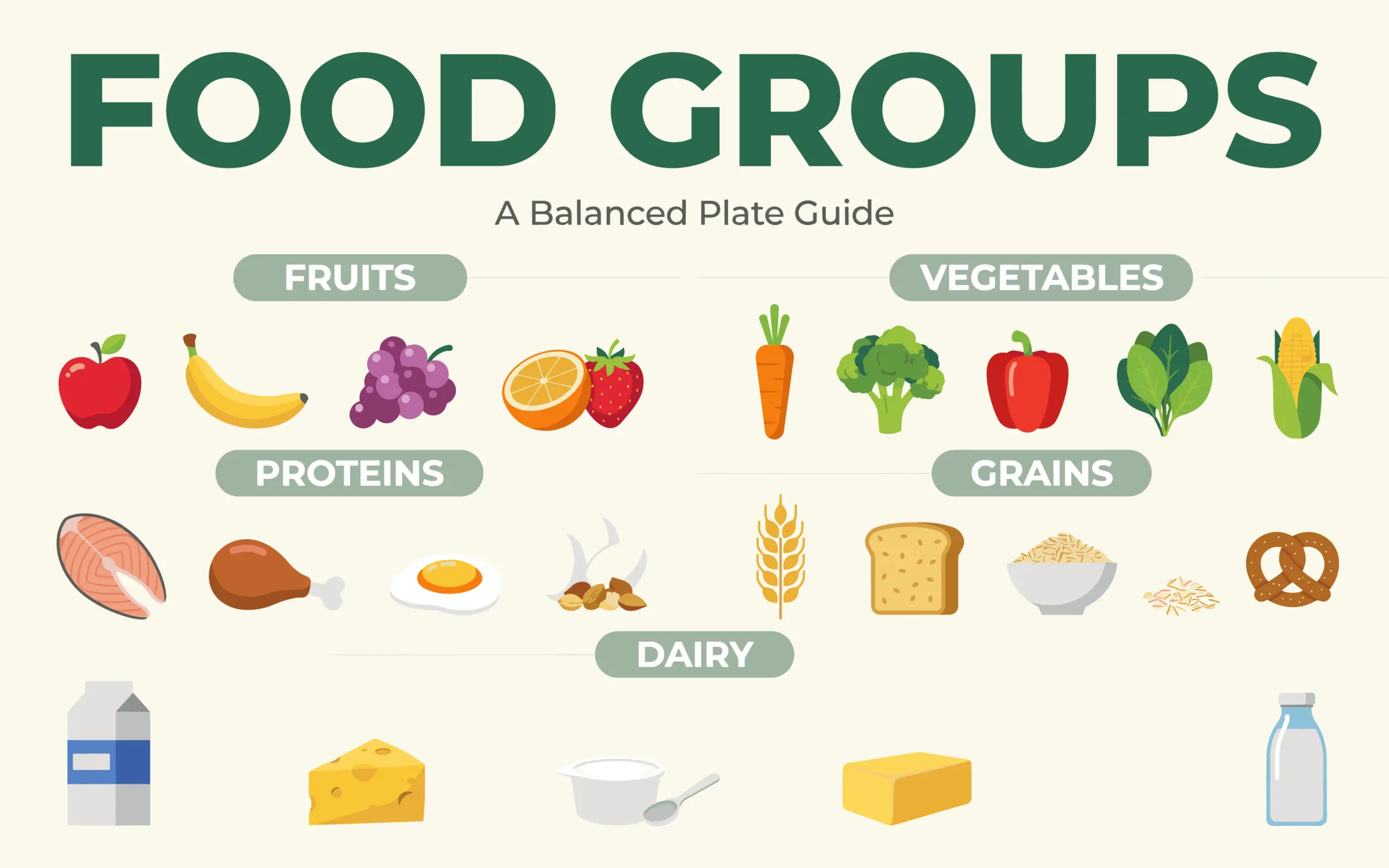
A healthy food chart for kids includes a simple daily plan of three small meals and two snacks. This must be built around grains or millets, pulses, dairy, fruit, vegetables and a little healthy fat.
It works as a flexible template rather than a strict calorie count. So portions and textures change as your child grows from a toddler to an early school-goer.
The latest ICMR-NIN Dietary Guidelines for Indians – and that is a mouthful – stress how important it is to mix things up and cut down on junk, ultra-processed foods as much as possible.
Register for the Entri Elevate Montessori Teacher Training Course! Join Now!
Key Takeaways
- Offer 3 small meals + 2 snacks daily; rotate grains, millets, pulses, veg and fruit.
- Watch iron and calcium – ICMR-NIN recommends 8 to 11 mg iron and 500mg to 550 mg calcium for ages 1 to 6.
- Use everyday Indian foods (ragi, dal, curd, eggs, sprouts, greens, fruit) over “superfoods”.
- Make water the default. Keep juice, biscuits and packaged snacks occasionally.
- Offer new foods 8 to 15 times without pressure before deciding your child dislikes them.
- Cut round/firm foods small. Avoid whole nuts under age five.
- See a paediatrician for weight loss, poor growth, persistent vomiting or suspected allergies.
What is a Healthy Food Chart for Kids?
1: What is the primary focus of the first plane of development in the Montessori method?
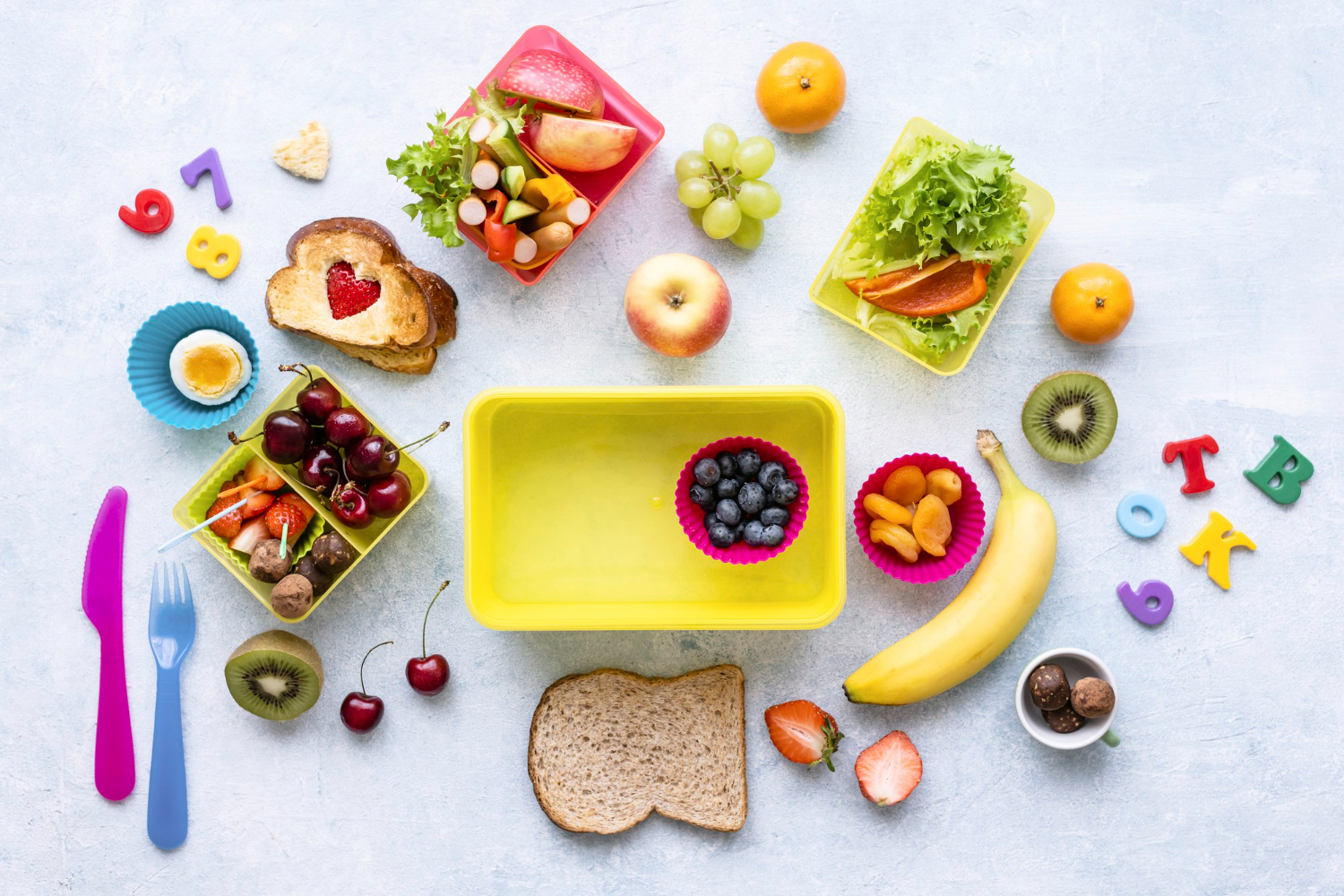
A healthy food chart is basically a list of what to serve up at breakfast, snacks, lunch, and dinner so that your kid gets a taste of all the good stuff everyday. But here’s the important bit. It is not a diet plan at all, it is more like a flexible template that keeps meals feeling familiar while sneaking in some variety.
The 2024 ICMR-NIN guidelines are a thing. They have got 17 recommendations in total, and at their heart is the idea of eating lots of wholesome foods and getting some exercise. Moderate amounts of salt, sugar and fat are good too.
Good charts are
- home-cooked first
- balanced across food groups
- low in added sugar and salt
- small and frequent
A child’s fist and palm work as a rough guide for grain/vegetable and protein portions.
Get Certified & Start Your Montessori Career
Montessori Teacher Training Course by Entri App: Gain expert skills, earn certification, and kickstart your teaching career.
Join Now!Why does a Food Chart Matter for Children Aged 2 to 9?
A food chart matters as early childhood is when growth, brain development and immunity are shaped fastest, and routine feeding protects all three.
In many homes, biscuits, chips and sweet drinks between meals crowd out iron-, protein- and vitamin-rich food.
NFHS-5 (2019–21) found stunting at 35.5%, wasting at 19.3% and anaemia at 67.1% among young Indian children, while overweight in under-fives rose from 2.1% to 3.4%. Both undernutrition and overnutrition are real risks, and a balanced routine helps with both.
How Much Iron and Calcium Do Children Need?
Children aged 1 to 9 need 8 to 15 mg of iron and 500mg to 650 mg of calcium daily, according to ICMR-NIN’s 2020 Recommended Dietary Allowances.
Build your chart around their Indian food sources. ICMR-NIN also advises about 20 mg of vitamin C per 1,000 kcal to aid iron absorption. So pair dal or greens with lemon or guava.
| Age group | Iron (mg/day) | Calcium (mg/day) | Everyday Indian sources |
| 1–3 years | 8 | 500 | Ragi porridge, milk, curd, moong dal, palak |
| 4–6 years | 11 | 550 | Paneer, sprouts, egg, rajma, sesame chutney |
| 7–9 years | 15 | 650 | Chole, fish, jowar/bajra roti, greens, curd |
As per ICMR-NIN Nutrient Requirements for Indians, 2020.
Age-Wise Healthy Food Chart for Kids (Indian Meals)
When it comes to a healthy food chart, the idea is to change the texture, spice and portion size as your child gets older, while keeping the same five meals a day rhythm going.
A 2-year-old will need soft, mild food in wee little servings, whereas a 7-year-old can handle something a bit more firm and a bit more substantial.
Swap up ingredients by region and season, like using ragi in Karnataka, fish and rice in Kerala or rajma and roti up in North India – all the different flavors and ingredients will keep things interesting.
| Meal | 2 to 3 years | 4 to 6 years | 7 to 9 years |
| Early morning | Warm milk or water | Milk or almond powder in milk | Warm milk or buttermilk |
| Breakfast | Soft idli, ragi porridge or vegetable upma | Dosa, poha or oats with fruit | Paratha, cheela or vegetable sandwich with fruit |
| Mid-morning | Banana, papaya or apple mash | Fruit and roasted makhana | Fruit or sprout salad |
| Lunch | Rice, dal, soft vegetables, curd | Chapati or rice, dal/paneer/egg, vegetables, curd | Rice or roti, rajma/chole/paneer/fish, vegetables, curd |
| Evening snack | Roasted chana powder in curd, steamed vegetable sticks | Sprouts chaat, besan chilla or fruit | Corn, boiled egg, paneer cubes or fruit |
| Dinner | Khichdi or soft chapati with sabzi | Vegetable pulao, dal-chawal or soup with chapati | Lighter version of lunch |
| Milk or curd | 1–2 servings | 1–2 servings | 1–2 servings |
Keep oil, salt and spice mild. ICMR-NIN caps adult salt at 5 g a day. So children need less.
Get Certified & Start Your Montessori Career
Montessori Teacher Training Course by Entri App: Gain expert skills, earn certification, and kickstart your teaching career.
Join Now!What does a Sample 3-Day Indian Meal Plan Look Like?
A 3-day plan shows how to rotate grains, pulses and vegetables without repeating dishes. Adapt it to your family’s cuisine and seasonal produce.
| Meal | Day 1 | Day 2 | Day 3 |
| Breakfast | Vegetable upma, ½ banana | Oats porridge in milk with mashed mango or banana | Carrot or palak paratha with curd |
| Snack | Roasted makhana, buttermilk | Sprouted moong chaat | Fruit chaat (banana, orange, pomegranate) |
| Lunch | Chapati, moong dal, mixed vegetable curry, curd | Rice, mild rajma, seasonal sabzi, cucumber raita | Ragi or jowar roti, dal, sautéed greens |
| Evening | Cucumber sticks, grated carrot in curd dip | Besan chilla with curd | Paneer cubes, quartered grapes |
| Dinner | Moong khichdi with ghee, apple slices | Light vegetable pulao, papaya cubes | Vegetable soup, 1 small chapati |
How Can You Bring Montessori Principles Into Mealtimes?
Montessori-style feeding treats mealtimes as practical-life learning, where children help, serve and eat with minimal pressure.
Involvement builds independence and curiosity. This often does more for variety than persuasion.
- Child-sized tools: Small plate, tumbler, spoon and short jug.
- Serve-yourself bowls: Fruit or vegetables at child height.
- Simple prep jobs: Washing grapes, tearing greens, kneading dough.
- Calm tables: Sit together, screens off, neutral talk about taste.
How do You Handle a Picky Eater?
Picky eating is super common among kids aged 2 to 6 and generally just needs a little patience to work through.
The more they are pushed and bribed, the more resistant they can become and unfortunately lots of parents give up after just three or four attempts.
But what often works is slowly introducing the foods a few times a week (8 to 15 times in fact) as the hospital kids guidance says.
Do:
Serve a tiny portion beside a favourite food, eat the same food yourself, and pair new vegetables with familiar dal or khichdi.
Don’t:
Force, bribe, compare with siblings or turn one rejected item into a battle.
What Should Kids Drink, and How Much Sugar Is Too Much?
The deal is, water should be the main drink that is being consumed and things like juice, sweet fizzy drinks and packaged snacks are best kept to an occasional treat.
The WHO reckons that its a good idea to keep free sugars at 10% or less of your daily calorie intake, and ideally even lower. This is in line with the ICMR-NIN advice from 2024 to limit foods that are high in fat, sugar and salt, and which are not natural.
The American Academy of Pediatrics would like kids aged 1 to 3 to have no more than about a 120 ml glass of 100% juice a day and kids aged 4 to 6 to have the same but a bit more (120 to 180 ml) and whole fruit is always a better bet because its got fibre too.
- Carry a small water bottle to school.
- Skip fizzy drinks and sweetened flavoured milk as routine.
- Keep sweets to one weekend treat.
What are Healthy School Tiffin Ideas?
A good tiffin is filling, mostly home-cooked and easy to eat without mess. Canteen chips, cream biscuits and instant noodles are high in salt, sugar and refined fat.
- Mini idlis with coconut chutney
- Vegetable poha or upma
- Curd rice with fruit
- Paneer or vegetable chapati roll
- Small dosa with sambar or besan chilla
How do You Keep Mealtimes Safe?
How food is cut matters as much as what is served. The AAP advises against round, firm foods for under-4s unless cut very small, and UK early-years guidance says whole nuts should not be given under five.
- Quarter grapes and cherry tomatoes lengthwise
- Grate or steam raw carrot
- Use nut powder instead of whole nuts
- Always seat children while they eat
Register for the Entri Elevate Montessori Teacher Training Course! Join Now!
When Should You See a Paediatrician?
Seek medical advice when feeding problems are persistent or growth looks off. These can signal deficiencies or underlying conditions. Red flags include:
- Weight loss or no weight gain
- Refusing whole food groups for months
- Persistent vomiting or diarrhoea
- Pallor, constant tiredness or frequent infections
- Rash, swelling or breathing difficulty after eating
Conclusion
A healthy food chart for kids does not need to be perfect. It needs to be predictable, varied and pressure-free. Rotate everyday Indian foods across the week, cover iron and calcium, keep water as the main drink and let children take part in preparing meals.
If your child’s growth or eating worries you, a paediatrician is the right next step. Start this week with one new food and one calm family meal.
Get Certified & Start Your Montessori Career
Montessori Teacher Training Course by Entri App: Gain expert skills, earn certification, and kickstart your teaching career.
Join Now!Frequently Asked Questions
How many meals should a 2 to 6-year-old eat?
Most children do well with three small meals and two snacks.
What should a balanced diet for young children include?
It should include grains or millets, pulses or eggs, dairy, fruits, vegetables and a little ghee or oil. Variety across the week matters more than perfection at one meal.
What are good Indian breakfast options for kids?
Idli with sambar, dosa, vegetable upma, poha, oats porridge, paratha and besan cheela all work well.
How many times should I offer a new food?
Research suggests children may need 8 to 15 exposures before accepting a new food.
Is picky eating normal?
Yes, it is common from about age 2 to 6 and usually fades. See a doctor if growth slows.
Which foods should be limited?
Limit packaged snacks, sweets, fizzy drinks, deep-fried items and instant noodles to occasional treats.
Are nuts safe for young children?
Whole nuts are a choking risk for children under five. Serve them powdered or as smooth paste mixed into food.
How does the Montessori approach help with eating?
It lets children serve, pour and help prepare meals with child-sized tools. This builds independence and calmer mealtimes.
Should children take vitamin supplements?
Only if a paediatrician advises it after checking growth and diet. A varied home diet usually covers most needs.
When should I worry about my child's eating?
Weight loss, poor growth, persistent vomiting or diarrhoea, pallor or allergy symptoms need a paediatrician’s review.