Table of Contents
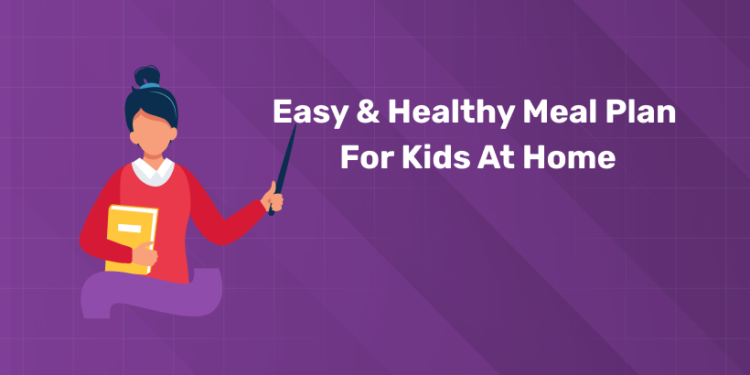
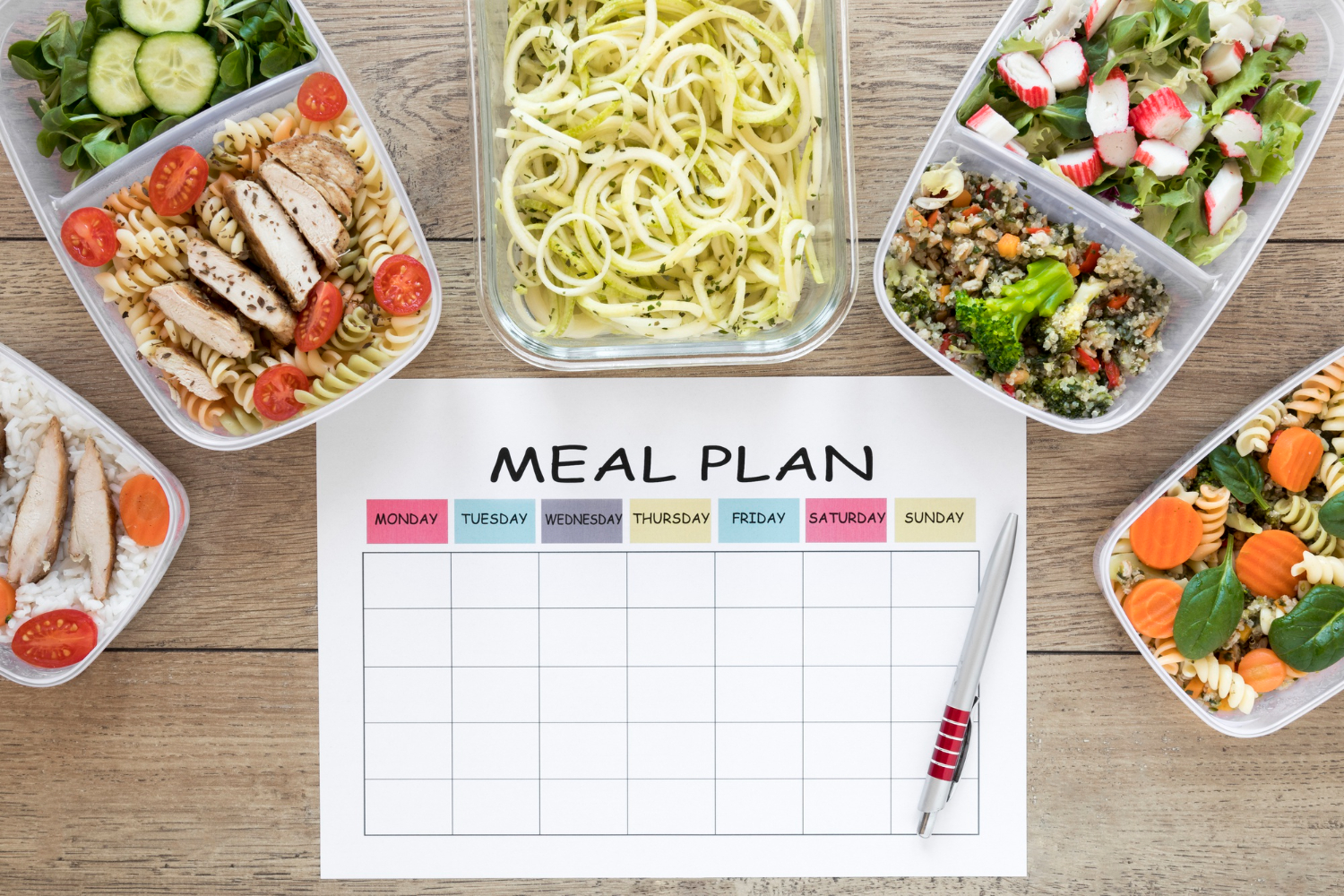
This is no ordinary meal plan that goes without any impact. It is a week-long plan that brings in nutrient-rich and balanced meals your kids will actually love. And the best part is you can use simple ingredients off the shelf – perfect for little ones aged 2 to 6.
This 7-day plan is all about whole foods, letting your kids lead the way when it comes to eating, and getting them involved in the cooking process – it’s a sensory experience for the win. The result is healthy habits that come naturally and don’t feel like a chore.
Studies have shown that kids who stick to a veggie-packed meal plan get the nutrients they need, while also ditching the fussy eating for good.
Register for the Entri Elevate Montessori Teacher Training Course! Join Now!
Key Takeaways
- Build a 7-day meal plan that’s all about balance, simplicity, and – let’s be honest – fun food adventures.
- Montessori-style meals give your kids the skills they need to get stuck in and take control of their own food prep.
- Every day’s menu delivers around 1,200 to 1,500 calories – perfect for a healthy kiddo aged 2 to 6 according to the USDA.
- All meals are nut-free as standard, which is great for classrooms or group settings.
- By giving your kids a bit of control over what they eat, and making food look appealing to the eye, you can cut down on all that picky eating nonsense.
- Prep time is a breeze – under 20 minutes a day even for busy parents.
- This plan ticks all the boxes for protein, fibre, iron, calcium and Vitamin C – your kids will be getting everything they need to thrive.
Why Nutrition Matters in Early Childhood
1: What is the primary focus of the first plane of development in the Montessori method?
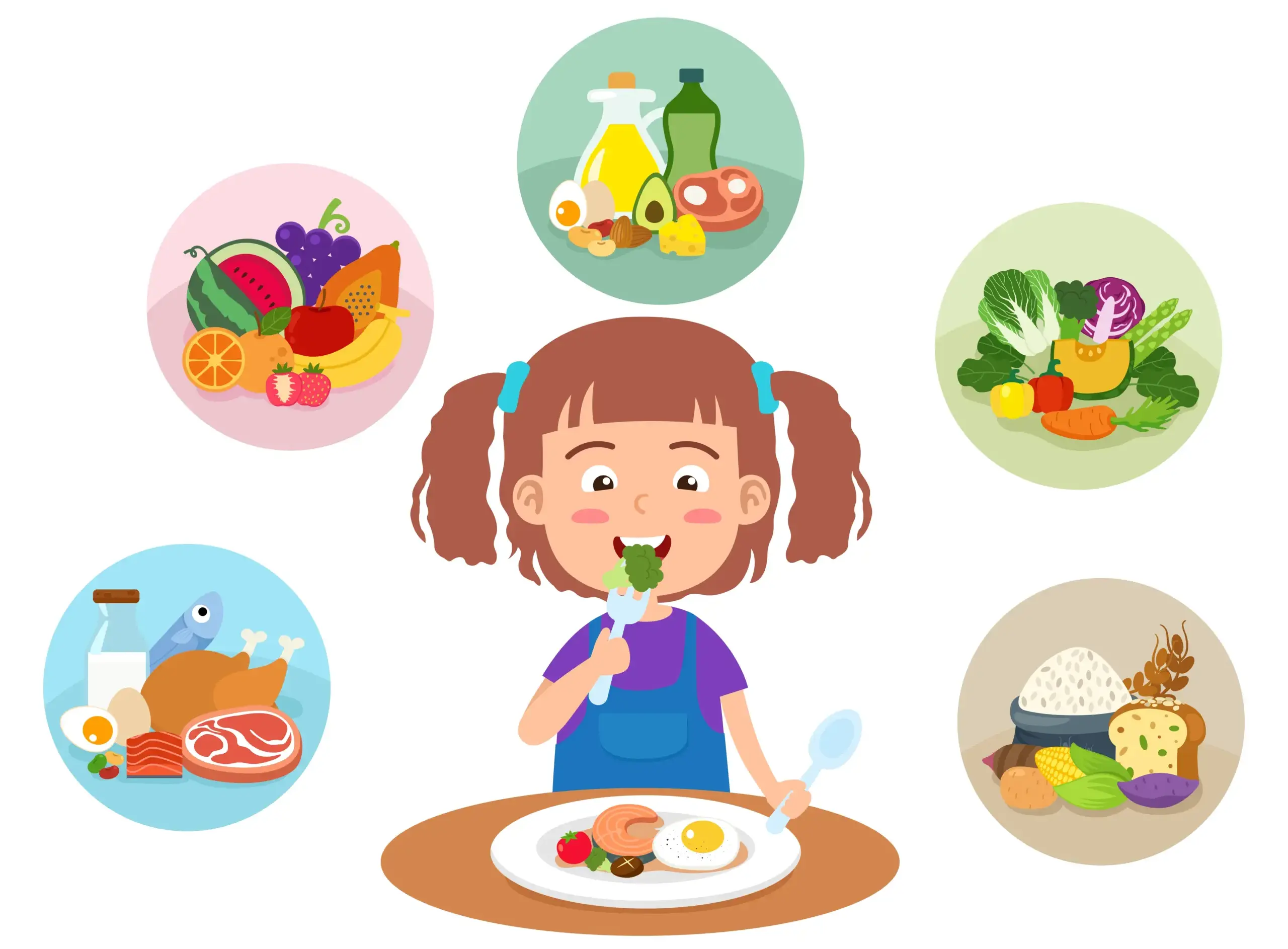
The first six years of your kid’s life are the time when they’re growing and developing at an incredible rate – both physically and cognitively.
Getting the right foods during these formative years literally shapes their brain, their immune system, their energy levels, and even how well they focus in the classroom.
For Montessori folk, nutrition is all about more than just what they eat – it’s about learning and self-sufficiency. When your kids understand where their food comes from, how to cook it, and how it affects their bodies they’re building a healthier relationship with food that’ll last a lifetime.
Here’s what happens when you give your kids a say in their food:
Self-feeding readiness
Let them dig in with finger foods and shared serving platters – great for self-feeding readiness.
Sensory exploration
Get them exploring with fresh seasonal ingredients that will blow their minds with all the colours, textures and smells.
Developmental alignment
Support their growth with foods that are designed to support their development at this age – like iron-rich foods for toddlers to help their red blood cells grow strong too.
Emotional confidence
Boost their confidence by getting them involved in the cooking process – they’ll actually want to eat what they’ve made.
Get Certified & Start Your Montessori Career
Montessori Teacher Training Course by Entri App: Gain expert skills, earn certification, and kickstart your teaching career.
Join Now!Key Principles Behind this Healthy Kids Meal Plan
Before diving into the plan itself, here are the four pillars that make it work:
| Principle | Description | Benefit |
| Balance | 50% veggies/fruits, 25% protein, 25% grains | Sustains energy throughout the day |
| Simplicity | Max 5 ingredients per meal | Encourages children to help with prep |
| Fun | Colourful, shaped, interactive foods | Develops sensory-motor skills |
| Allergy-Safe | Nut-free defaults throughout | Safe for home and group settings |
7-Day Easy & Healthy Meal Plan
This ready-to-use plan keeps prep times under 20 minutes. Portions are child-led – let your little one’s appetite guide how much they eat.
| Day | Breakfast | Lunch | Snack | Dinner | Prep Time |
| Monday | Oatmeal with banana slices | Veggie quesadilla | Apple slices & yogurt dip | Grilled chicken skewers & cucumber boats | 15 min |
| Tuesday | Yogurt parfait (layer-your-own) | Lentil soup & carrot sticks | Cheese cubes & grapes | Baked fish fingers & sweet potato fries | 18 min |
| Wednesday | Whole-grain toast with avocado smash | Chickpea salad wrap | Veggie sticks & hummus | Turkey meatballs & zucchini noodles | 12 min |
| Thursday | Smoothie bowl | Egg muffins with spinach | Pear halves | Bean burrito bowls (build-your-own) | 10 min |
| Friday | Chia pudding cups | Tuna salad on crackers | Banana oatmeal cookies | Veggie stir-fry with tofu | 20 min |
| Saturday | Fruit kebabs | Pasta primavera | Cottage cheese & berries | Homemade pizza pockets | 16 min |
| Sunday | Veggie frittata bites | Quinoa salad bowls | Celery with sunflower butter | Roasted root veggies & eggs | 14 min |
Quick Recipes: Step-by-Step for Busy Parents
Veggie Quesadilla – Monday Lunch Favourite
This one’s a winner with the kids and gets them involved by letting them do the folding and layering.
- Give half an avocado a good mash & then grab a small handful of cheese & grate it up.
- Lay out a whole grain tortilla flat, then spread the mashed avocado all over, and add some thin strips of bell pepper on top.
- Sprinkle that cheese all over, fold the tortilla in half, and slap it under the grill for a couple of minutes on each side.
- Chop it into wedges and serve it up with a side of mild yogurt dip.
- Nutrition at a Glance:
Nutrition snapshot: Roughly 300 kcal | Boom – high in Vitamin C, healthy fats, and calcium.
Banana Oatmeal Cookies – Friday Snack Hero
No sugar from refined sources, no stress – and the best part ? Your little ones can do most of the mixing themselves.
- Take 2 ripe bananas and mash them up in a bowl until they’re as smooth as can be.
- Give 1 cup of rolled oats a stir and add in a wee bit of cinnamon.
- Scoop those mixture into small balls on a baking tray.
- Pop them in the oven at 180C for 10 minutes, and then let them cool before giving them a go.
Why it works: Teaches measuring and mixing skills – a real practical life win from the Montessori school of thought.
Get Certified & Start Your Montessori Career
Montessori Teacher Training Course by Entri App: Gain expert skills, earn certification, and kickstart your teaching career.
Join Now!Nutrition Breakdown: Does This Plan Actually Cover Daily Needs?
Yes — and here’s the data to prove it.
| Nutrient | Daily Goal (Ages 2–6) | Plan Coverage | Key Food Sources |
| Protein | 30g | 110% | Chicken, eggs, beans, lentils |
| Fibre | 15g | 120% | Veggies, fruits, whole grains |
| Iron | 7mg | 105% | Lentils, spinach, egg yolks |
| Calcium | 700mg | 100% | Yogurt, cheese, fortified oats |
| Vitamin C | 25mg | 150% | Bell peppers, berries, citrus |
Based on USDA Dietary Guidelines for Americans and AAP recommendations for early childhood nutrition.
Montessori Tips to Actually Get Kids Eating
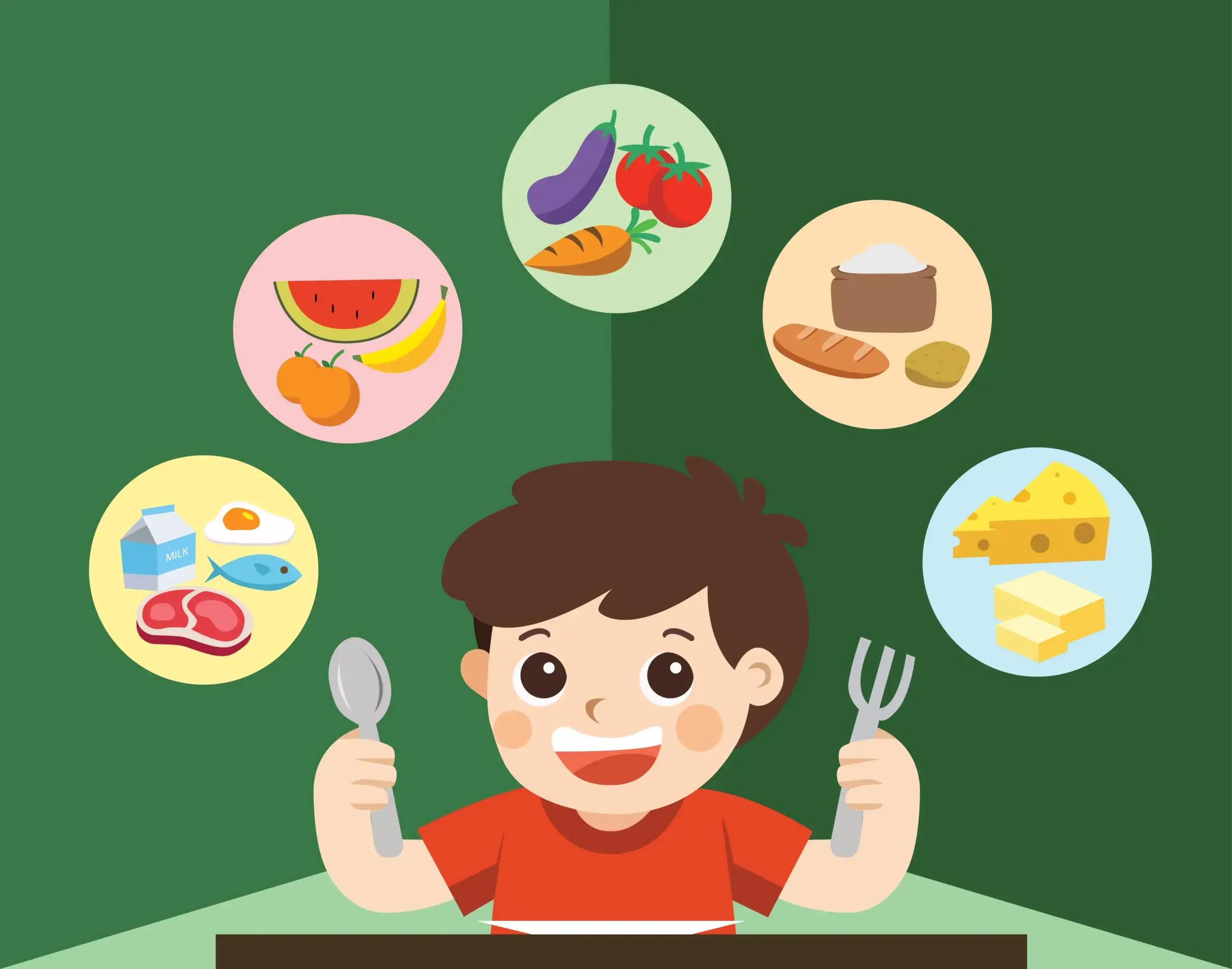
The best meal plan is completely pointless if your kid has no intention of even sitting down at the table. Here’s how the Montessori way of looking at things totally transforms mealtimes for me:
Serve Family-Style
Put it in big shared platters and let the kids choose what they want to put on their plate – and instantly you’ll see the mealtime battles just melt away. It’s all about giving them some autonomy and control over their food.
Involve Them in Prep
Get them involved in the prep work. Even a 3-year-old can give a hand washing veggies, tearing up some lettuce or pouring stuff into a bowl. You’ll find the kids are way more likely to eat what they helped make.
No Pressure, Ever
No pressure just present them with 3 options at each meal and trust their hunger. Forcing them or bribing them to eat is just going to create all sorts of negative associations with food – ones that can hang around for years.
Make It Visually Exciting
Make it visually fun. Grab some star-shaped carrots, rainbow wraps, or some fruit skewers. You’ll find the kid is way more interested in trying it out. Food doesn’t have to be boring, and when it looks fun, the kid’s a lot more likely to give it a go.
Register for the Entri Elevate Montessori Teacher Training Course! Join Now!
Common Challenges & Practical Fixes
| Challenge | Simple Fix |
| Picky eaters | Cut veggies into fun shapes; hide them in sauces or wraps |
| Time pressure | Batch prep on Sundays; freeze portions for weekdays |
| Food allergies | Swap peanut butter for sunflower seed butter; always check labels |
| Messy eating | Use divided trays with silicone mats for easy clean-up |
| Appetite inconsistency | Honour child-led portions; avoid forcing “clean the plate” |
Conclusion
You don’t have to make eating healthy super complicated or time-consuming for your young kid. This 7-day meal plan gives you a real, practical, balanced, and pretty enjoyable way to do things – one that respects your kid’s growing independence and makes sure they’re getting all the nutrients they need as they grow.
Start small, pick out 2 or 3 meals from the plan this week and just let your kid help out a bit – maybe they can wash some veggies, fold a quesadilla, or mash up some bananas – and I promise you, mealtimes will get a whole lot easier when they’re involved.
Healthy eating is a habit and the sooner you start it the better – the stronger it’ll stick in your kid’s mind.
Get Certified & Start Your Montessori Career
Montessori Teacher Training Course by Entri App: Gain expert skills, earn certification, and kickstart your teaching career.
Join Now!Frequently Asked Questions
How do I stop my child from being a picky eater?
Introduce new foods alongside favourites and let kids control their plates. Repeat exposure up to 10–15 times to build acceptance.
Are these meals suitable for toddlers under 3?
Yes, soften textures, reduce portions, and cut into small pieces to avoid choking. Always supervise meals.
Can I use this meal plan if my child has a dairy allergy?
Yes, swap yogurt and cheese for fortified oat or soy alternatives to keep calcium levels up. Consult a pediatrician first.
What are the best snacks for toddlers?
Choose nutrient-dense whole foods like fruit slices, cheese cubes, hummus with veggies, or yogurt. Skip sugary, processed options.
How can I make sure my child is getting enough iron?
Serve iron-rich lentils, spinach, eggs, or beans daily, paired with vitamin C like peppers for better absorption. This plan meets 105% of needs for ages 2–6.
Is this meal plan suitable for group settings or Montessori classrooms?
Yes, it’s nut-free and family-style for easy sharing in classrooms. Check group allergens.
How do I handle days when my child refuses to eat?
Stay calm, skip pressure, and offer food later without confrontation. Avoid forcing or rewards to prevent bad habits.
What is the Montessori approach to feeding children?
It focuses on child-led serving, sensory play, and food prep as life skills. This sparks natural curiosity.
How do I ensure my child drinks enough water throughout the day?
Offer water at every meal/snack in a kid-sized cup they control. Add cucumber or fruit slices if needed.
How soon will I see results from this meal plan?
Improvements in energy and behaviour often appear in 2–3 weeks with consistency. Steady changes build lifelong habits.