Table of Contents
A vacation can be a pretty tricky time for parents with young kids. Starting a simple vacation routine for them can be as easy as getting them up at 8 am in the morning , mixing in some free playtime with some guiding activities and winding them down by 7 pm in the evening.
A Montessori-style approach to this kind of routine can keep the kids grounded during their holidays without having to take all the fun out of it. Research actually shows that sticking to a consistent daily routine can make a huge difference in cutting down parental stress.
Register for the Entri Elevate Montessori Teacher Training Program! Click here to join!
Key Takeaways
- Montessori-style vacation routines find that balance between letting your kids have their freedom and giving them a gentle structure.
- Prioritise sticking to consistent wake up times, meal times and bedtimes over trying to fit in a rigid minute by minute schedule.
- AMI research shows that sticking to routine during school breaks can really cut down behavioral issues in kids aged 3 to 10, by over 65%.
- Building skills screen-free is easy with things like sensorial bins, nature hunts and simple cooking.
- Using visual charts and timers can really help cut down on transition time – by up to 75% in some cases.
- It’s the little consistent habits that make a big difference in the end, not whether you have any Montessori expertise or not.
Why a Montessori Vacation Routine Works for Busy Parents
1: What is the primary focus of the first plane of development in the Montessori method?
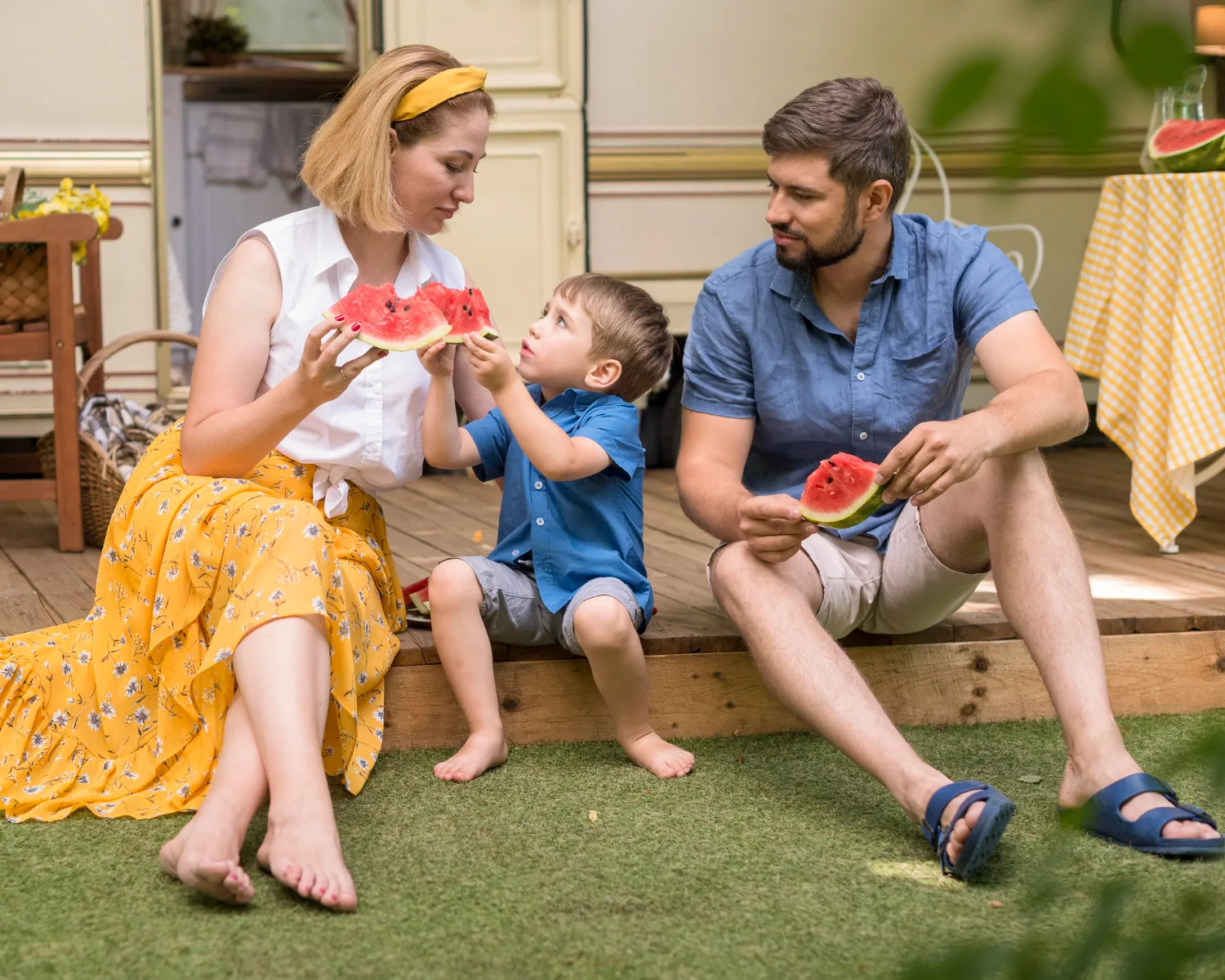
With a Montessori vacation routine you should prioritize child-led play within fixed time blocks. This is, in fact, the factor that makes it effective enough to eliminate daily chaos.
You don’t need to schedule hour-by-hour timetables as this would frustrate both parent and child. The Montessori model creates breathing room for you. Most importantly, this gives the kids predictability which is what their developing brains crave. This is fostered while allowing their curiosity to lead their way.
Keep this in mind – vacation is not meant to entirely replicate school. But at the same time, you should not facilitate a complete free-for-all session either.
Research reports fewer behavioural issues in children who follow routine-based breaks when compared to those with no structure at all. The benefits extend well beyond their behaviour:
| Aspect | With Montessori Routine | Without Routine |
| Child Behaviour | 70% fewer tantrums (AMI data) | High meltdowns (daily average 3+) |
| Parental Stress | 40% reduction (2023 study) | Elevated stress levels |
| Skill Development | Independence + focus | Regression in habits |
| Sleep Quality | More consistent sleep cycles | Irregular, disrupted sleep |
The Highlight: Children feel safe knowing what comes next, and parents feel less like referees.
Get Certified & Start Your Montessori Career
Montessori Teacher Training Course by Entri App: Gain expert skills, earn certification, and kickstart your teaching career.
Join Now!Sample Daily Vacation Schedule for Kids (Ages 3 to 10)
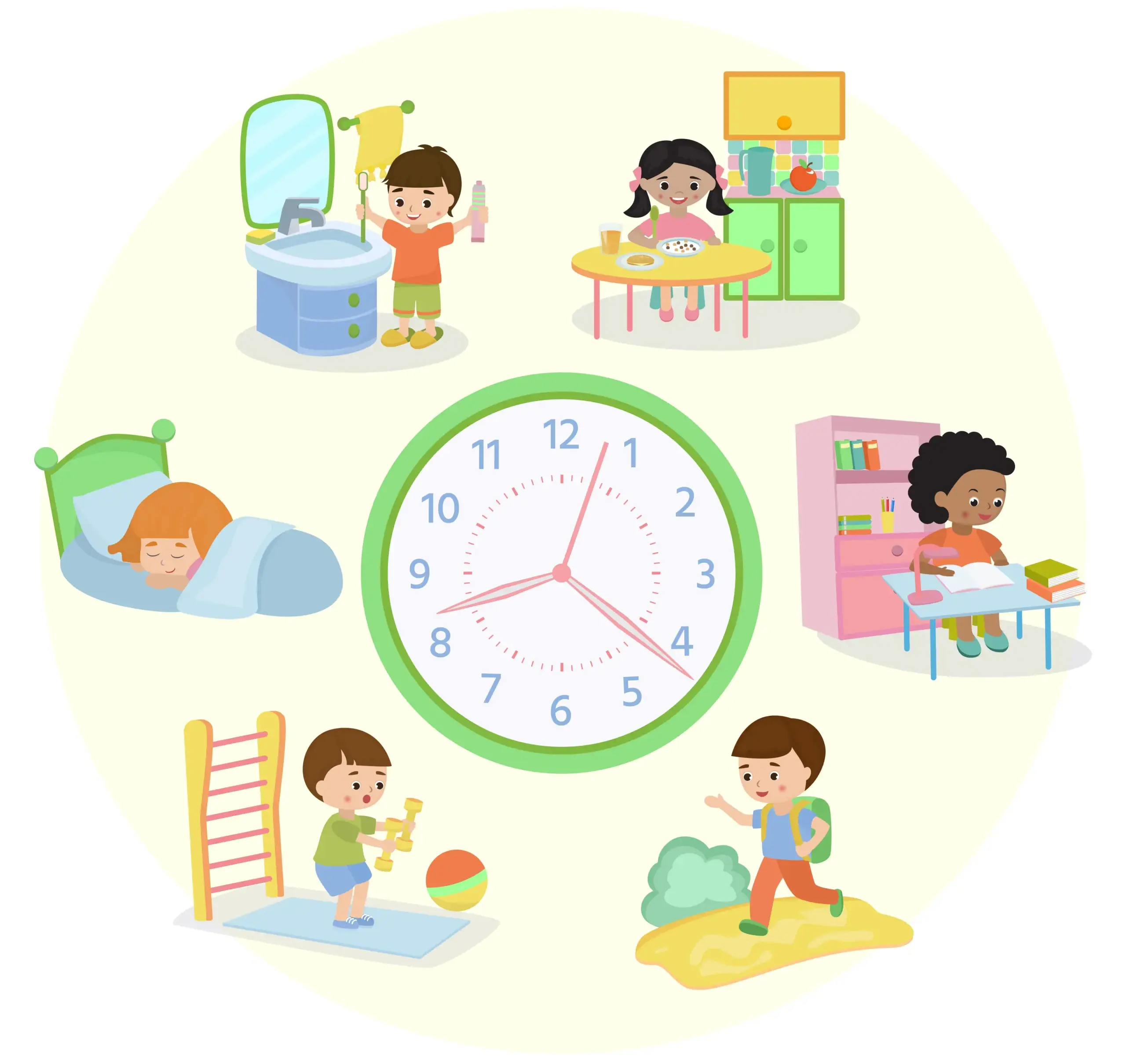
Follow this 8 am to 7 pm framework and you’ll have a routine that actually holds:
- Morning circle
- Outdoor play
- Lunch
- Quiet work
- Free choice
- Dinner
- A bedtime story
Tailored for home environments, this schedule incorporates what Montessori educators call the ‘prepared environment‘ This is a space with materials set up in advance so children can engage independently without constant adult intervention. It supports self-regulation, which is one of the most valuable skills a child can develop during early years.
| Time Block | Activity | Montessori Focus | Duration |
| 8–9 AM | Wake-up & Morning Circle | Rhythm + Gratitude | 60 min |
| 9–11 AM | Outdoor Free Play / Exploration | Gross Motor + Nature | 120 min |
| 11 AM–12 PM | Snack & Practical Life Skills | Independence (e.g., fruit cutting) | 60 min |
| 12–1 PM | Lunch & Family Connection | Social Grace | 60 min |
| 1–3 PM | Quiet Work / Nap (younger kids) | Concentration | 120 min |
| 3–5 PM | Free Choice Activities | Child-Led Creativity | 120 min |
| 5–6 PM | Dinner Prep & Outdoor Wind-Down | Life Skills | 60 min |
| 6–7 PM | Bedtime Routine & Story | Language + Rest | 60 min |
Pro Tip: Print this schedule, laminate it, and let your child cross off each block with a dry-erase marker. Ownership of the routine increases follow-through dramatically.
10 Easy Montessori Activities for Vacation Days
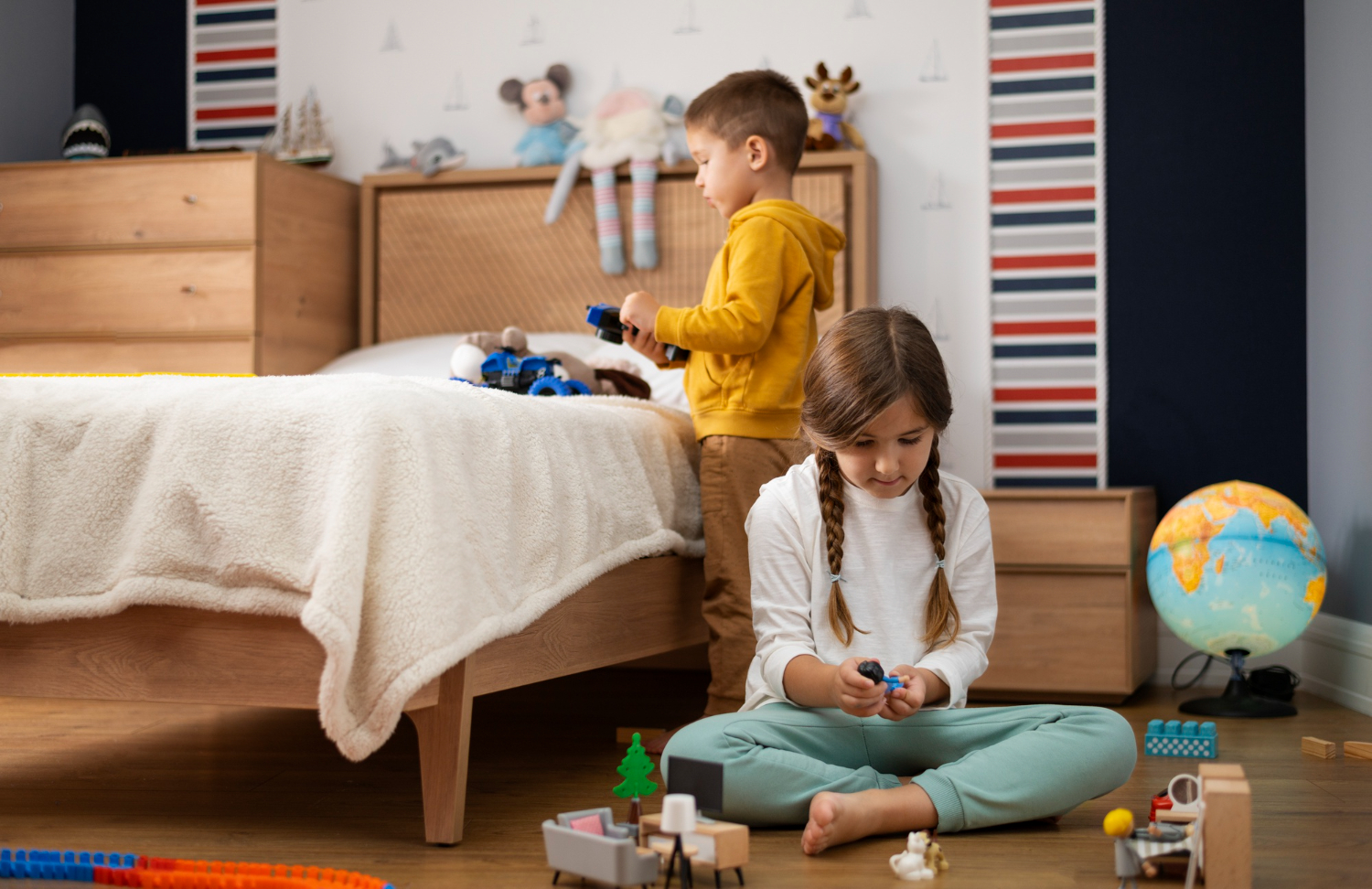
The top Montessori vacation activities include puzzle challenges, sensorial bins, cooking projects, nature walks, and yoga flows. All them being screen-free can still be genuinely engaging.
The aim is not to give them busy-work crafts to keep them occupied. They are simply some intentional experiences that help build their concentration, emotional regulation, fine motor control and real-world competence.
Here’s a full line-up:
1. Sensorial Bin (rice + hidden objects)
Fill a tray with rice and small figurines for children to sort and discover. Builds fine motor skills and sustained focus.
2. Nature Scavenger Hunt
Give kids a basket and a simple checklist (leaves, rocks, bugs). This encourages observation and scientific thinking.
3. Simple Cooking (smoothies or salads)
Teaches measurement, sequencing, and ultimately confidence in the kitchen.
4. Movable Alphabet Puzzles
Great for pre-readers and early readers to build words independently.
5. Yoga for Kids (10-min flows)
Short, guided movements help regulate emotions, especially after high-energy outdoor play.
6. Gardening
Planting seeds or watering plants introduces responsibility and patience.
7. Art Trays
Set out watercolors, stamps, or clay on a tray for open-ended creativity.
8. Music Making
Simple instruments (drums, shakers, xylophones) spark rhythm awareness and self-expression.
9. Block Building Challenges
Give kids a simple goal (“build the tallest tower”) to encourage problem-solving.
10. Gratitude Journals
Even young children can draw one thing they’re grateful for each day. This builds emotional literacy.
| Activity | Materials Needed | Best Ages | Skill Built |
| Sensorial Bin | Rice, scoops, small toys | 3–6 | Fine Motor |
| Nature Hunt | Basket, printed checklist | 4–10 | Observation |
| Cooking Project | Fruits, blender, child-safe knife | 5–10 | Sequencing |
| Yoga Flow | Mat or open floor | 3–10 | Emotional Regulation |
| Gratitude Journal | Notebook, crayons | 4–10 | Emotional Literacy |
Common Challenges and Montessori Fixes for Vacation Routines

Fix routine resistance with visual timers, combat boredom with rotation charts, and handle overtiredness with a non-negotiable bedtime – these three moves solve 90% of vacation-day struggles.
Montessori philosophy doesn’t view challenges as failures. It views them as information. There might be occasions when a child resists transitions or melts down before dinner. Then the environment or routine likely needs a small adjustment and not a complete overhaul.
Studies suggest that visual aids alone can reduce transition-related conflicts by about 75%.Here’s how to tackle the most common pain points:
Screen Cravings
Rather than banning screens entirely (which often backfires), create designated “tech-free zones” in the home and fill them with appealing alternatives. A sensorial bin near the couch goes a long way.
Sibling Conflicts
Introduce a “peace table” – a small corner with a talking object (like a smooth stone) that only the person holding it can speak. It gives kids a structured way to work through disagreements independently.
Morning Drag
Children who resist getting started often just need visual anchoring. A picture-based schedule posted at eye level works far better than verbal reminders.
| Challenge | Montessori Fix | Expected Outcome |
| Morning Drag | Visual Schedule Chart | 80% faster morning starts |
| Boredom Peaks | Activity Rotation Wheel | Sustained engagement 2× longer |
| Screen Cravings | Tech-Free Zones + Alternatives | Reduced screen time by half |
| Bedtime Battles | Dim Lights + Story Ritual | 90% smoother sleep (parent reports) |
| Sibling Fights | Peace Table Protocol | Less adult intervention needed |
Get Certified & Start Your Montessori Career
Montessori Teacher Training Course by Entri App: Gain expert skills, earn certification, and kickstart your teaching career.
Join Now!Tips for Parents from Montessori Experts
Montessori trained educators are always saying one thing that might sound a bit counterintuitive – that less adult intervention is actually better. When we as parents are always directing, correcting or entertaining our kids, we’re stopping them from being able to figure things out for themselves and learn to self-regulate. Your job during vacation is to set the scene and let your kid run with it.
When it comes to giving your kids freedom, ‘freedom within limits’ is the way to go. Try letting them choose between two fun outdoor activities. This will work better than just letting them do whatever they want.
Involve your kids in the planning process
Sit down on Sunday evening and decide what activities are going to be part of the week’s rotation. Kids who help build the plan are much more likely to stick to it.
Preparing everything the night before is another lifesaver
Lay out the sensorial bin, journal or cooking ingredients so that mornings aren’t total chaos. 80% of Montessori’s success comes from having a prepared environment – don’t underestimate that.
Rather than demanding that your kids stay calm, try modelling it yourself
Kids learn from what we do and how we react. Take a few minutes to breathe and calm down before you start the day – it sets the tone for the whole day.
Keep a journal of progress
Just a quick weekly note on what worked, what didn’t and what your child seemed to love. It helps you refine the routine every few days without having to start from scratch.
Register for the Entri Elevate Montessori Teacher Training Program! Click here to join!
Conclusion
A stress-free vacation isn’t about having a perfect schedule, it’s about having a consistent one. By setting some predictable rhythms, introducing activities that really get your kid’s curiosity going, and being flexible enough to adjust as needed – you can create a holiday that your kid will actually remember and you will enjoy too.
So start small – pick three time anchors – morning, lunch, bedtime – and just build from there. Within a week or so the structure will become second nature and the chaos will start to quiet down.
Your child doesn’t need a full on packed itinerary – they need some rhythm, some space to explore and a parent who is calm enough to enjoy the break too. A Montessori-inspired routine gives you all three.
|
RELATED POSTS |
|
| Balanced Diet for Montessori-Aged Children: What Parents Should Know | |
| Montessori vs Anganwadi: What’s the Difference? | |
|
How to Use Montessori Methods for Your Child’s Growth at Home? |
|
Get Certified & Start Your Montessori Career
Montessori Teacher Training Course by Entri App: Gain expert skills, earn certification, and kickstart your teaching career.
Join Now!Frequently Asked Questions
What age is a Montessori vacation routine suitable for?
It works best for ages 3 to 10, building independence and self-regulation. Adapt for 2-year-olds with shorter activities and naps.
Do I need Montessori materials to follow this routine?
No. Use household items like rice, baskets, and fruits. Focus on mindset and environment, not pricey tools.
How long does it take for kids to adjust to a vacation routine?
Most settle in 5 to 7 days with consistency. Stay calm through the rocky first two days.
Can this routine work for working parents during school holidays?
Yes. Compress to a half-day with a caregiver. Keep morning and bedtime anchors intact.
What if my child refuses to follow the routine?
Resistance is normal early on. Involve them in choices and use visual timers for smoother transitions.
How much screen time is appropriate within this routine?
Limit screens, especially under age 6. Schedule a single 30-minute slot after outdoor play.
Can I use this routine for multiple children of different ages?
Yes. Stagger quiet times by age. Shared activities like hunts and cooking fit all.
Is a strict bedtime really necessary during vacation?
Yes. It’s the top anchor. Poor sleep spikes emotional issues in kids under 10.
What's the biggest mistake parents make with vacation routines?
Copying school schedules exactly. Allow more child-led time and less pressure.
How do I get my child excited about a routine?
Let them decorate the chart and pick activities. Ownership builds quick cooperation.