Table of Contents
The secret to mixing prints and patterns is contrasting scale sizes, sticking to a shared colour palette and grounding the look with neutrals.
Pattern mixing is probably one of the most powerful styling tools in a modern wardrobe. A good percentage of street-styled looks incorporate mixed prints successfully. This makes it more than a runway trick and more of an everyday wearable skill.
Learn Advanced Designing & Boutique Skills with Experts. Join Now!
Key Takeaways
- Connect two prints with one shared colour. It’s the top pattern mixing rule.
- Contrast scales. Pair large prints with small ones. Avoid visual overload.
- Follow the 60-30-10 rule. Use 60% dominant print, 30% secondary, 10% accent.
- Add neutral anchors. Black, white, beige, or denim provide breathing room.
- Limit to three prints per outfit. More turns bold into busy.
- Mix opposite types. Pair organic prints (floral, abstract) with geometric (stripes, checks).
- Start with accessories. Use a printed scarf or bag with one patterned piece.
Why Pattern Mixing Works & Why Most People Get it Wrong
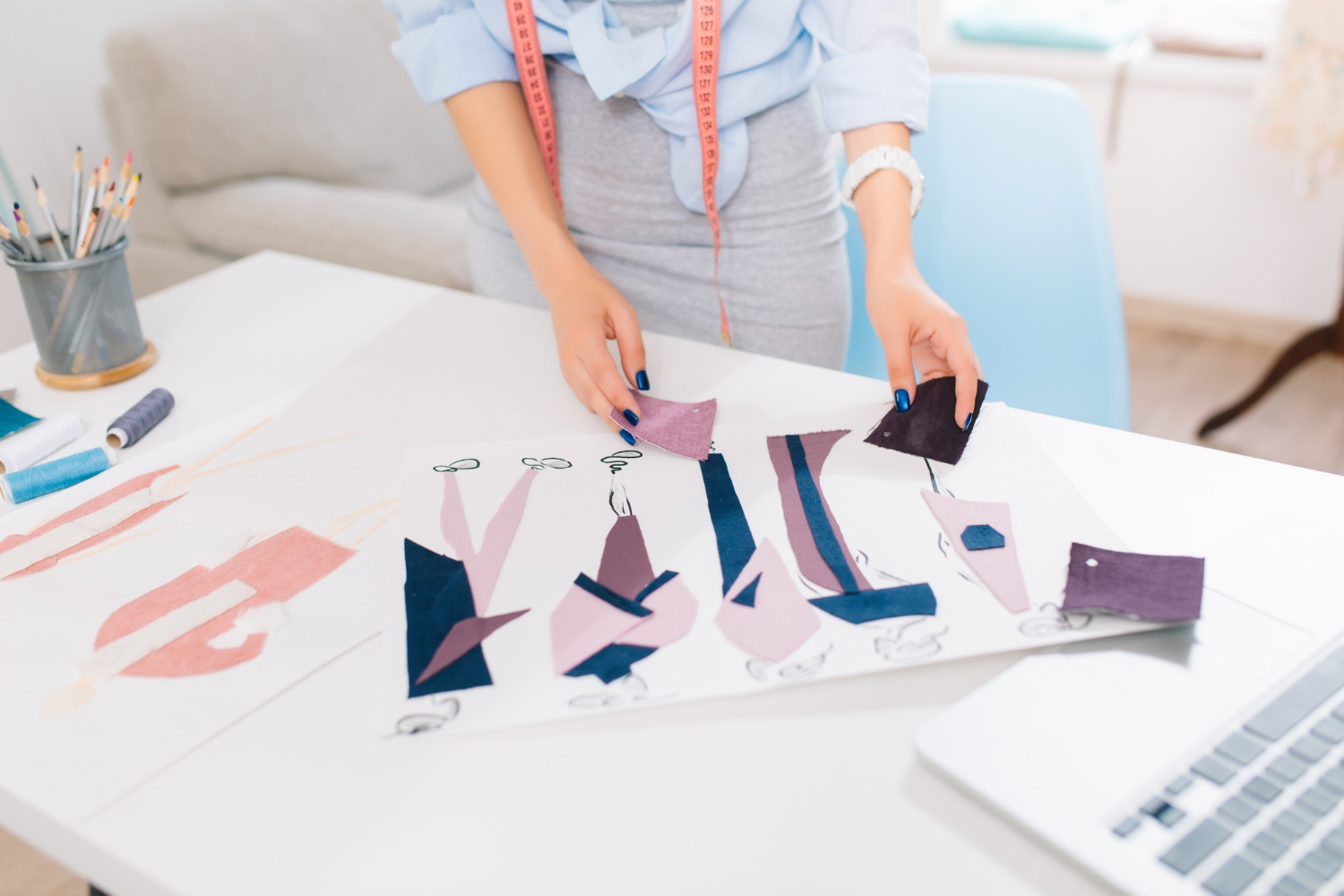
The trouble felt while thinking about mixing prints is because of not having a structure. Without a framework, the eye fails to fix a spot to land and the outfit choices become more chaotic than well considered.
One to get a grip of the underlying logic, pattern mixing becomes less and less intimidating and more intuitive. This includes scale contrast, colour unity, and structural balance. Scale difference is the one strong factor that has backed success rate across professional styling guides.
The formula is the same as the principle that graphic designers use in layout – contrast creates clarity. Pairing a large floral with a tiny stripe catches the eyes that read them as distinct layers rather than competing noise.
Master Fashion Designing and Create Your Signature Style
Unlock your creative potential with our expert-led Fashion Designing course. Build in-demand skills and step confidently into the world of fashion!
Begin Your Fashion Career Today!The Three Core Rules
1. Unify Through Colour
Thinking about palette before pattern types helps. If a floral dress pulls in shades of olive and dusty rose, your second print should echo at least one of the tones.
You don’t need an exact match but a close shade of the colour to visually connect the two. This makes the classic “floral+stripe” pair work so reliably. In such cases the outfit feels curated and in harmony, not clashing.
2. Contrast Your Scales
Scale contrast can be seen as the entire architecture of your outfit. While a smaller print implies the detail-work involved, a bold and large-scale print makes the statement.
The rule to register – If one print fills the major portion of the garment, then the second print should be either noticeably finer or more contained.
3. Anchor with Neutrals
No matter how great a pattern-mixed outfit is, it will have a neutral somewhere. This is where the eyes get somewhere to rest. This can be a white shirt, solid black trousers, a beige coat or a denim jacket.
So, the neutral acts as the visual pause between the prints. Outfits without a neutral anchor typically score lower in wearability surveys. Adding a single neutral element in the garment can boost the “polished” perception significantly.
Step-by-Step: Building a Pattern-Mixed Outfit
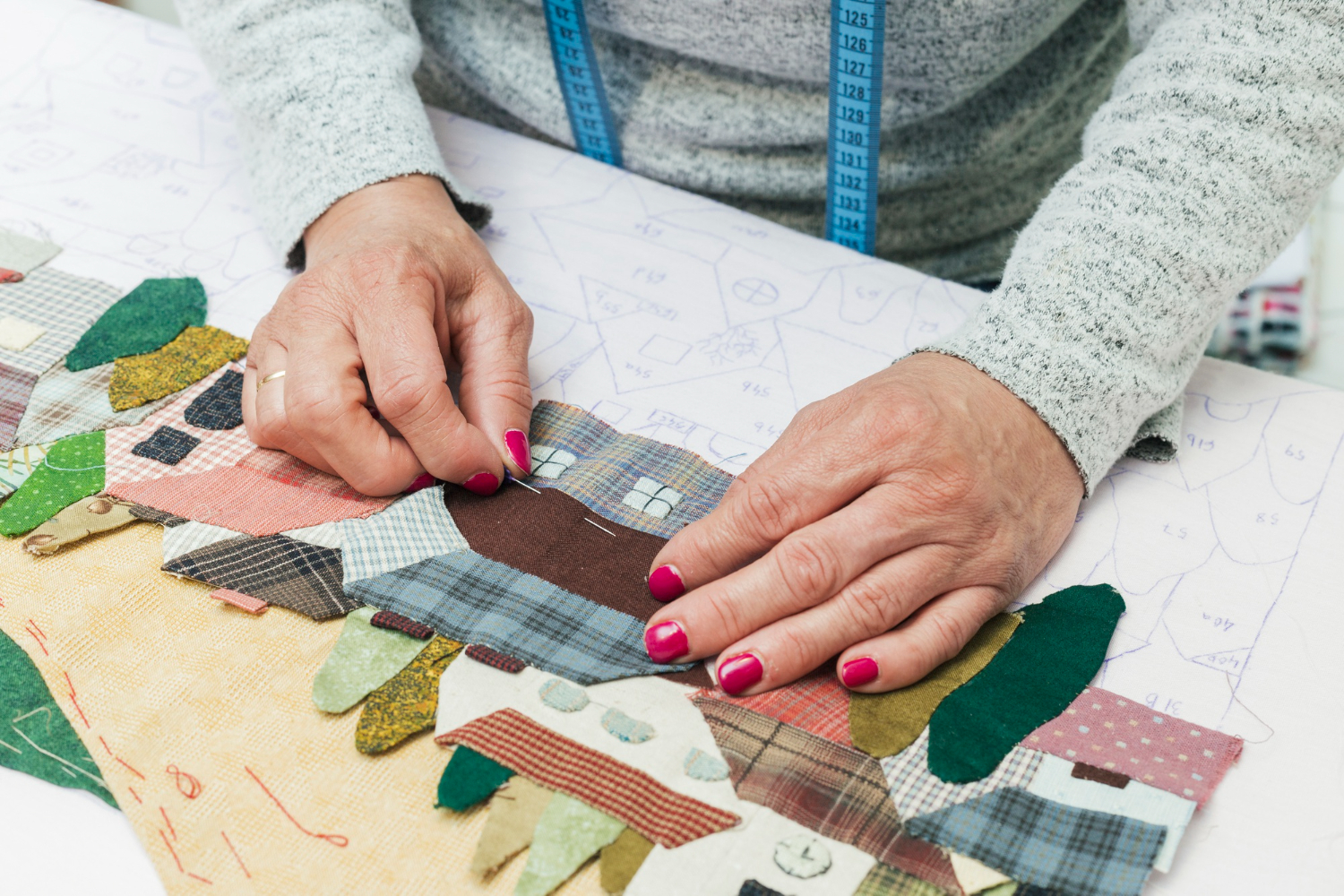
Step 1 – Choose Your Hero Print
You can start with the statement piece in your outfit or any print that you like. This can be your dominant pattern, which is typically bolder in colour and larger in scale. Something like, a wide-stripe blazer, a large floral dress, a bold plaid coat.
Step 2 – Add a Contrast Print
Select another print that shares a colour from the first one but at the same time differs in type and scale. You can pair your organic dominant print with something geometric like stripes or dots. Do keep this second print smaller in scale and quieter in presence.
Step 3 – Ground It with a Neutral
Now you can introduce a solid neutral to stabilize the entire look. This can be a cream top, black trousers, white sneakers and the sort.
If you want to push further, you can add a third, very minimal print like a faint check sock or a subtly textured bag.
Pattern Pairing Reference Table
| Hero Pattern | Best Pair | Scale Mix | Colour Tip | Example Outfit |
| Floral | Stripes | Large + Small | Shared pink or navy | Floral dress + striped scarf |
| Leopard | Geometric | Medium + Tiny | Neutral beige base | Leopard top + polka dot trousers |
| Plaid | Polka Dot | Large + Small | Common navy | Plaid skirt + dotted blouse |
| Tribal | Abstract | Bold + Subtle | Earth tones | Tribal jacket + wavy-print tee |
| Houndstooth | Florals | Medium + Large | Black and cream | Houndstooth coat + floral midi |
Master Fashion Designing and Create Your Signature Style
Unlock your creative potential with our expert-led Fashion Designing course. Build in-demand skills and step confidently into the world of fashion!
Begin Your Fashion Career Today!Common Mistakes and How to Fix Them
| Mistake | Why It Fails | The Fix | Impact |
| Same scale prints | Competing visuals, no hierarchy | Mix large + small deliberately | +40% cohesion |
| Clashing colour families | Looks uncoordinated | Share at least one hue | +55% harmony |
| More than 3 prints | Overwhelming, busy | Cap at 3; use a neutral as one element | +70% wearability |
| No neutral anchor | No visual breathing room | Add denim, black, or beige | +65% polish |
| Mixing same print type | Lacks contrast | Pair organic with geometric | +45% interest |
Real Outfit Formulas that Work
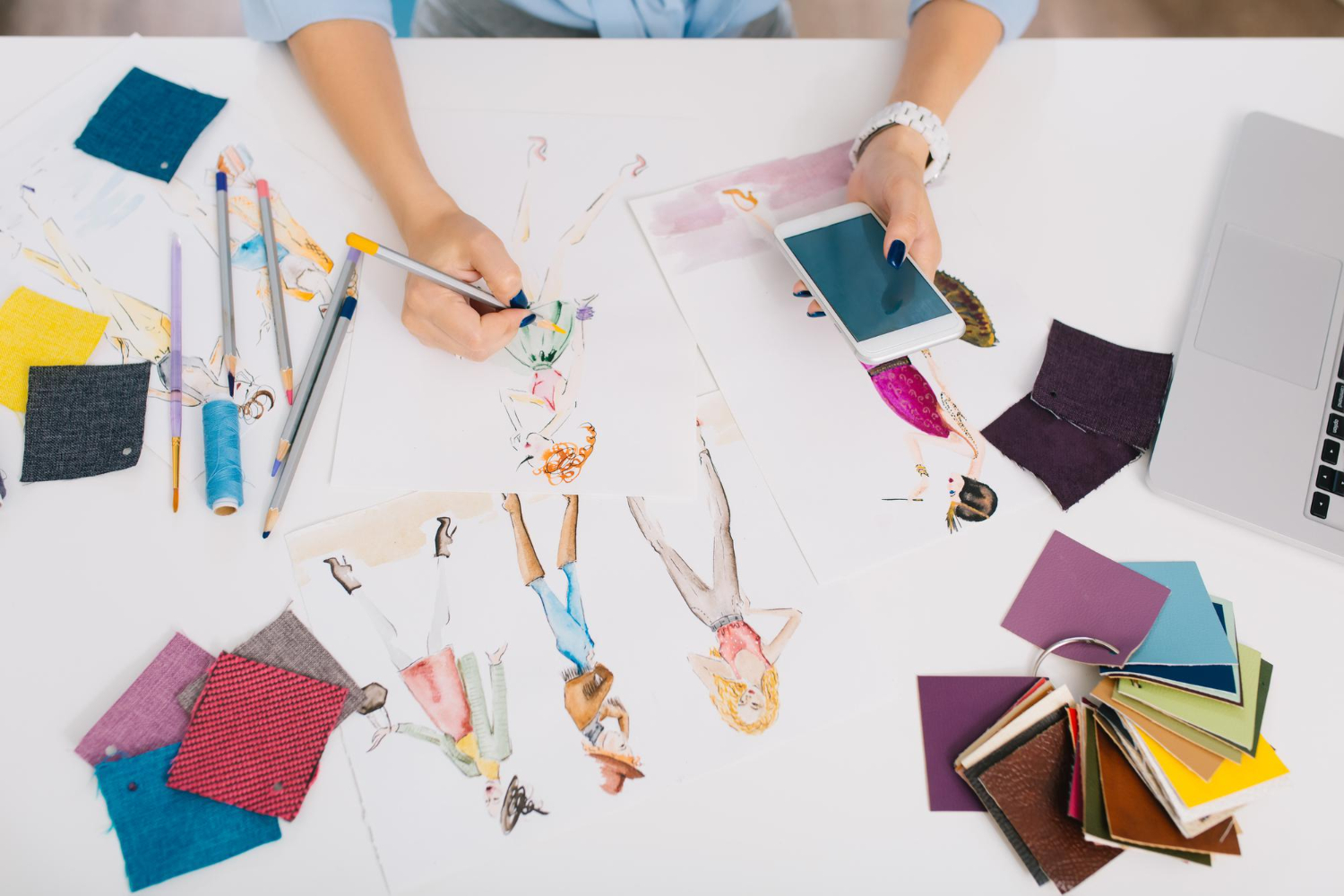
Casual Day Look
Striped tee (small scale) + floral midi skirt (large scale) + white denim jacket.
The blue thread running through both the stripe and the floral ties it together. The white jacket can be the neutral anchor.
Work-Ready Chic
Houndstooth blazer (medium scale) + polka dot blouse (small scale) + solid charcoal trousers.
The mutes palette does the major job here. The professional styling surveys rate this combination mostly workplace-appropriate.
Evening Statement
Geometric print midi dress (medium scale) + leopard-print heels (small, textured) + nude clutch.
In this case, the shoe can carry the second print. It might be understated but present. The neutral clutch completes the fit.
Weekend Relaxed
Floral bomber (large) + thin-stripe turtleneck underneath (small) + straight black jeans.
Here, the black jeans can act neutral. The colour connection, for instance – the floral and the stripe, carry a rust tone.
The 60-30-10 Rule Explained
Borrowed from interior design space, the 60-30-10 colour rule translates beautifully into pattern mixing as well:
- 60% – Your dominant print covers the major portion of the outfit (typically the largest piece like a coat, dress, or wide trousers).
- 30% – A secondary print adds visual interest without taking over (a blouse, skirt, or jacket).
- 10% – An accent print appears in the smallest dose (shoes, bag, scarf, belt).
This ratio prevents any single print from monopolising attention while creating a layered as well as intentional feel.
Pattern Mixing for Fashion Designing Students
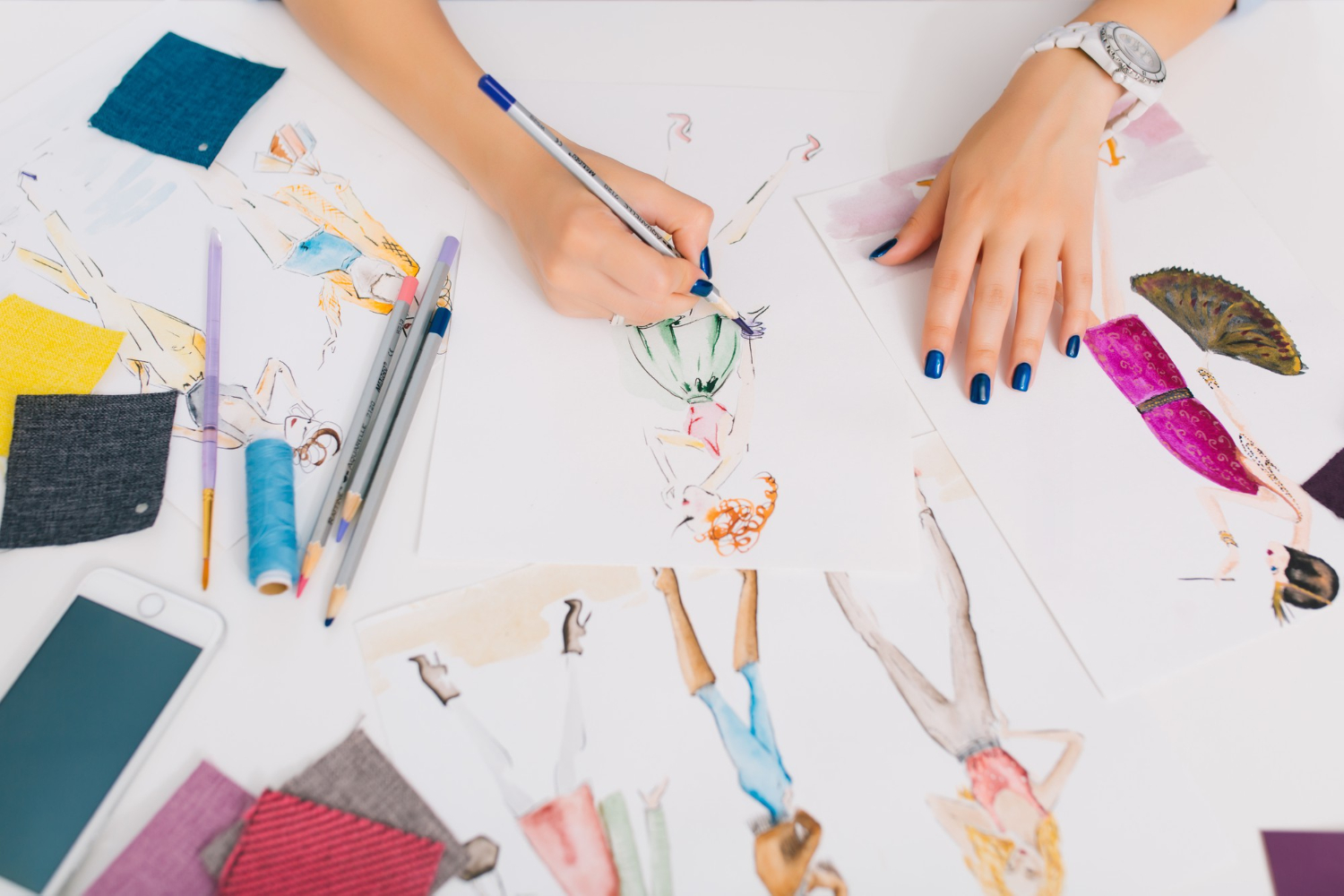
Understanding print theory is non-negotiable if you are into fashion designing. The principles of pattern mixing involve silhouette planning, textile selection and collection cohesion.
Demonstrating the ability to mix prints purposefully reflects design maturity and a command of visual language. This creates a more prominent impression than defaulting to one-print looks. Think of this while building a portfolio.
Practical tools to develop this skill include
- the colour wheel (for identifying harmonious and complementary relationships)
- mood boarding with fabric swatches in varying scales
- studying archival collections from designers known for bold print work.
The increasing mix print looks makes this a commercially relevant skill and not just a theoretical one.
Learn Advanced Designing & Boutique Skills with Experts. Join Now!
Conclusion
Be aware that mixing prints and patterns is not about breaking fashion rules. You need to understand and know which ones to apply. Once you anchor your choices in scale contrast, colour unity and the quiet confidence of a neutral piece, the results will be consistently strong.
You should start small. One printed piece with a subtly patterned accessory will do. Once that gets done, you can layer in a second print and then work your way up to a full and confident pattern mixing.
Note that the looks that feel most alive are not those safe ones. Pattern mixing is a risk worth taking and must be done with intention. It is one of the most accessible ways to build a wardrobe that feels genuinely expressive and authentic.
Master Fashion Designing and Create Your Signature Style
Unlock your creative potential with our expert-led Fashion Designing course. Build in-demand skills and step confidently into the world of fashion!
Begin Your Fashion Career Today!Frequently Asked Questions
What patterns mix best together?
Florals and stripes are the most universally successful pairing because they represent opposite print types – organic versus geometric. Sharing even one colour between them is all you need to make it work.
How do I start mixing prints as a beginner?
Begin with accessories: pair a printed scarf or bag with one patterned clothing piece before committing to a full two-print outfit. This low-stakes approach builds your eye for what works before you go all in.
How many prints can I wear at once?
Three is the accepted maximum for most outfit contexts. Beyond three, the look typically reads as overworked rather than intentional.
Do the prints have to share colours?
Yes, sharing at least one colour is the most reliable way to visually connect two prints. Without a colour bridge, even well-contrasted scales can look like an accident.
Can I mix prints in professional or work settings?
Absolutely. The key is opting for smaller-scale, more subdued prints and keeping one of the pieces very quiet. A houndstooth blazer over a micro-dot blouse with solid trousers reads as polished and intentional in most workplaces.
What neutrals work best as anchors in a pattern-mixed outfit?
Black, white, cream, beige, navy, and denim are the most reliable neutral anchors. They absorb visual tension between prints without adding another layer of complexity.
Can I mix prints across different fashion categories like casualwear and formalwear?
Yes, and this is increasingly common in contemporary fashion. A formal plaid trouser paired with a relaxed printed shirt creates interesting tension. The key is that the prints still follow the same core rules: colour connection and scale contrast.
Are animal prints considered neutral in pattern mixing?
In modern fashion styling, animal prints – particularly leopard – are often treated as a pseudo-neutral because of their tonal, earthy base. They pair well with both geometric and botanical prints without overpowering them.
How do I know if two prints clash rather than contrast?
If your eye keeps jumping between the two prints without finding a resting point, they’re clashing rather than contrasting. A shared colour, a scale difference, or the addition of a neutral anchor usually resolves this tension.
Is pattern mixing relevant to fashion design as a career skill?
Yes, it’s a core competency in textile selection, collection building, and styling. Demonstrating confident print mixing in a fashion design portfolio signals creative maturity and an understanding of visual balance that clients and employers actively look for.