Table of Contents
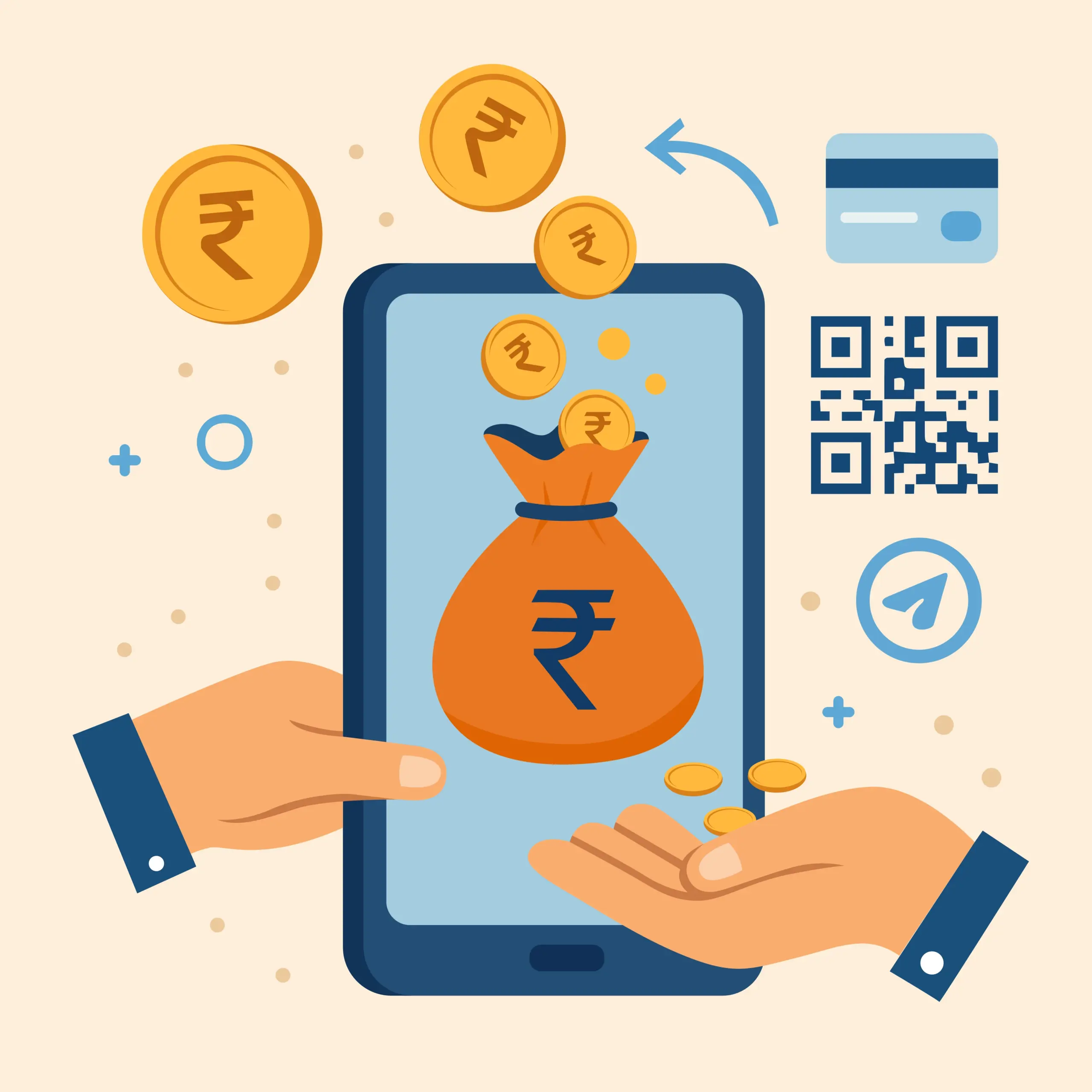
UPI has changed the way India pays for things. From buying vegetables to paying college fees, UPI is now part of daily life. For years, UPI transactions were completely free for both consumers and merchants. That is changing soon.
Starting October 15, 2026, a new charge called MDR on UPI will apply to certain merchant payments. This has led to a lot of confusion online. Many people think UPI is becoming costly for everyone. That is not true.
Ace your personal finance journey with Entri’s Personal Finance Online Course. Join Now!
Key Takeaways
- From October 15, 2026, a Merchant Discount Rate (MDR) of 0.4% will apply on select UPI merchant payments above ₹2,000.
- UPI payments of ₹2,000 or below will stay completely free. This covers more than 95% of all UPI merchant transactions.
- Consumers will not pay anything extra. MDR on UPI is charged to the merchant, not the customer.
- Small vendors receiving up to ₹1 lakh a month through UPI QR codes are exempt from MDR on UPI.
- The MDR is capped at ₹300 for transactions of ₹75,000 and above.
- Peer-to-peer (P2P) transfers between individuals remain free of charge, with no MDR at all.
- Some sectors like railways, telecom, insurance, and fuel will attract a flat ₹5 charge instead of the standard rate.
What is MDR?
1: What is a stock?
MDR stands for Merchant Discount Rate. It is a small fee that a merchant pays to the bank or payment service provider for processing a digital payment. This fee is not new. It has existed for card payments for many years.
In 2020, the Indian government made UPI transactions free of MDR. An initiative to encourage more people to use digital payments, it helped UPI grow into the massive network it is today.
Now, with UPI handling crores of transactions worth lakhs of crores of rupees every month, the government feels the system needs a sustainable way to fund its infrastructure, security, and innovation. That is the reason behind the new MDR on UPI.
Who will Pay MDR on UPI?
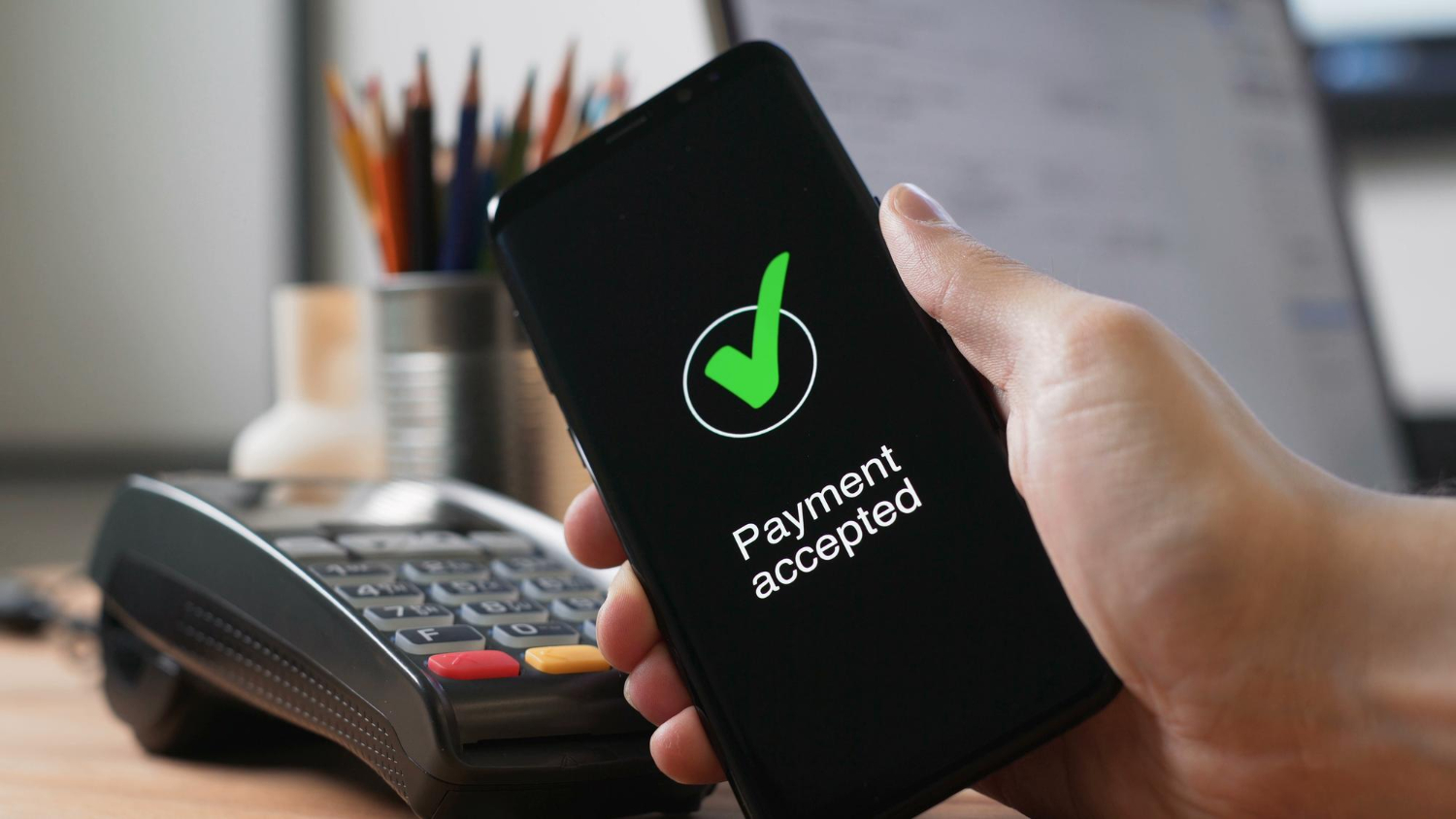
This is the most important point. MDR on UPI is paid by the merchant. It is not charged to the customer.
If you are a regular shopper using UPI to pay at a store, a restaurant, or an online platform, the good news is that nothing changes for you. You will not have to bear any extra charge on your UPI app. Payment apps like the ones you already use cannot add a platform fee or transaction fee to your payment either.
The charge applies only when a merchant receives a payment above ₹2,000 through UPI. Even then, not every merchant will be charged the same way.
The standard rate is 0.4% for person-to-merchant (P2M) transactions above ₹2,000. To keep it simple, it works the following way: Payments of ₹2,000 or less will continue to have zero MDR. Since a large majority of UPI merchant payments in India are small-value transactions, most everyday purchases remain untouched by this change. There are several categories that are protected from the new charge. They are: Sending money to friends or family remains free, no matter the amount. Vendors like local kirana stores, street food sellers, and small shopkeepers who receive UPI QR payments directly into their own bank account are exempt, as long as their monthly UPI collections stay within ₹1 lakh. If a merchant’s inward UPI payments cross ₹1 lakh for three months in a row, they will be moved out of this exempt category. Any P2M transaction up to ₹2,000, regardless of the merchant type, stays free. Recurring payments set up through UPI Autopay are not affected by the new MDR on UPI framework. Trusted, concepts to help you grow with confidence. Enroll now and learn to start investing the right way.
Not every sector follows the standard 0.4% rate. Some essential services get a lower, flat charge: These attract a flat ₹5 charge on transactions above ₹2,000, instead of the percentage-based MDR. Payments related to mutual funds, stockbroking, and similar investment platforms attract a much lower rate of 0.02%, capped at ₹300. School and college fee payments up to ₹2,000 stay free. Institutions dealing with larger fee amounts may see the standard MDR apply, but the framework is designed to keep education payments affordable. This tiered structure shows that the government has tried to protect essential and everyday spending while introducing charges mainly on larger, discretionary transactions. UPI has grown into one of the largest digital payment systems globally. With billions of transactions processed every month, it amounts to lakhs of crores of rupees in value. However, running such a massive network is not free. Banks, payment apps, and infrastructure providers all incur costs to keep the system fast, secure, and reliable. For several years, this cost was absorbed through government incentive schemes rather than being charged to merchants. With the expansion of UPI usage over time, officials have decided that a modest fee on larger merchant transactions can help fund infrastructure upgrades, cybersecurity, customer support, and further innovation. A part of the collected funds is also expected to support digital payment infrastructure in smaller towns and rural regions. Importantly, this move is different from a tax. The fee does not go to the government. It is shared among the banks and payment service providers who are part of the transaction chain. If you run a business and accept UPI payments, here is what to keep in mind: Ace your personal finance journey with Entri’s Personal Finance Online Course. Join Now! For most people, there is honestly nothing to do differently. Continue using UPI as you always have. Your payments up to ₹2,000 remain free, and even above that amount, the charge does not come out of your pocket. If a merchant tries to pass on the MDR on UPI charge to you directly, that would go against the intent of this framework, so it is worth raising the issue if you notice it. The introduction of MDR on UPI marks a shift from a fully free system to a more sustainable one, but the changes are far more limited than the online rumours suggest. Everyday consumers will not feel any difference in their UPI experience. Small merchants and street vendors are offered protection from the latest changes. The charge mainly touches larger merchant transactions above ₹2,000. However, it is capped and modest. For consumers and merchants, it is pretty important to understand these details. It will help them avoid confusion and prepare for the changes coming into effect from October 15, 2026. RELATED POSTS How will UPI MDR Affect Your Mutual Funds and Equity Investments? Trusted, concepts to help you grow with confidence. Enroll now and learn to start investing the right way.
No. Consumers do not pay any fee. MDR on UPI applies only to merchants. The standard rate is 0.4% on eligible merchant payments above ₹2,000. Yes. The charge is capped at ₹300 per transaction for payments of ₹75,000 and above. Small vendors receiving up to ₹1 lakh monthly through UPI QR codes stay exempt. No. Transfers between individuals remain completely free. The new framework takes effect from October 15, 2026. No. Apps cannot add separate platform or transaction fees to consumer payments.How much is the MDR on UPI?
Who is Exempt from MDR on UPI?
Peer-to-peer transfers:
Small merchants (P2PM category):
Small-value transactions:
UPI Autopay:
Stock Market Training Reviewed & Monitored by SEBI Registered Investment Advisor
Special Categories with Different Rates
Railways, telecom, insurance, fuel, and select agriculture-related payments:
Capital market transactions:
Educational payments:
Why is MDR being Introduced on UPI now?
What should Merchants do?
What should Consumers do?
Conclusion
How much can You Actually Pay through UPI?
Apple Pay Coming to India in October, UPI Support may be Delayed
Stock Market Training Reviewed & Monitored by SEBI Registered Investment Advisor
Frequently Asked Questions
Will I be charged for using UPI as a customer?
What is the MDR rate on UPI?
Is there a maximum charge under MDR on UPI?
Are small shopkeepers affected?
Do P2P transfers attract MDR?
When will MDR on UPI be applicable?
Will payment apps charge extra fees on top of MDR?