
Table of Contents
Key Takeaways
- The standard UPI transaction limit per day is set at ₹1,00,000 for standard peer-to-peer transfers across most banks.
- Certain high-value categories, such as tax payments, hospital bills, educational fees, capital market investments, and credit card payments, have an extended limit of up to ₹5,00,000 per transaction.
- New UPI users face a security cap of ₹5,000 total for the first 24 hours after changing their phone number, UPI ID, or registering on a new app.
- Aside from the monetary value, there is also a count limit of 20 transactions within a rolling 24-hour window.
- The daily cap resets based on a rolling 24-hour cycle from your first transfer, not necessarily at midnight.
Ace your personal finance journey with Entri’s Personal Finance Online Course. Join Now!
Introduction
1: What is a stock?
Unified Payments Interface, popularly known as UPI has brought a sea change in the way India transacts. Be it buying daily groceries at the local kirana store or settling dinner bills or booking flight tickets, scanning a QR code has become the preferred choice. It is fast, convenient, and free.
Going by the Finance Ministry’s statement, annual UPI transaction volume has swelled from 1.78 crore in 2016-17 to over 24,162 crore in 2025-26. In simple terms, it is nearly a 13,000-fold increase.
However, have you ever tried transferring money for a large purchase and received a notification saying “Transaction Limit Exceeded”?
Even though UPI feels infinite, it runs on clear financial boundaries. Central banking authorities and clearing corporations set strict guidelines to protect users from fraud while maintaining system stability.
Understanding your UPI transaction limit per day helps you manage big payments without sudden transaction declines.
Understanding the Standard UPI Limits
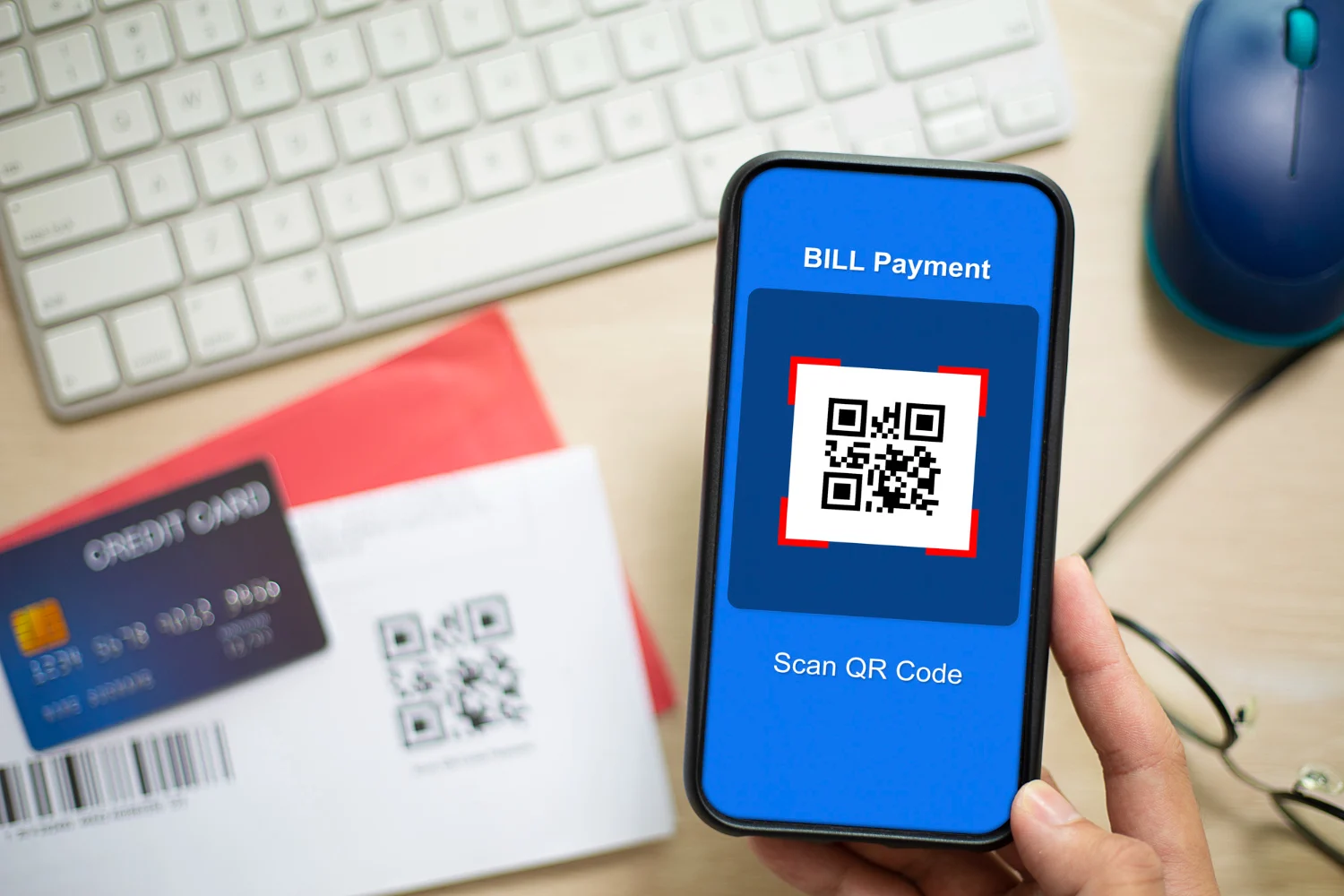
The standard upper ceiling for regular UPI transactions is ₹1,00,000 per day. This rule applies to both Person-to-Person (P2P) transfers and regular Person-to-Merchant (P2M) retail purchases.
| Standard P2P Transfer | Max ₹1,00,000 / day |
| Retail Merchant Spend | Max ₹1,00,000 / day |
However, reaching this amount depends on three factors:
- The Regulatory Ceiling: The maximum limit capped across all standard apps.
- Individual Bank Caps: Banks can lower their own limits based on risk policies.
- App-Specific Limits: Payment apps align their limits with bank and regulatory rules.
If your bank sets a daily cap of ₹50,000, you cannot transfer ₹1,00,000 even though the central rule allows it.
Special Category Limits: When You Can Pay Up to ₹5 Lakh
Not every transaction stops at ₹1 Lakh. To accommodate larger necessary expenses, extended limits of up to ₹5,00,000 per transaction exist for specific verified merchant categories.
| Category | Per-Transaction Limit | Notes |
| Tax Payments | ₹5,00,000 | Direct and indirect government tax payments |
| Hospitals & Healthcare | ₹5,00,000 | Payments to verified medical institutions |
| Educational Institutions | ₹5,00,000 | School and college fee payments |
| Credit Card Bill Payments | ₹5,00,000 | Settling verified credit card bills |
| Capital Markets & IPOs | ₹5,00,000 | Stock market investments, mutual funds, and IPO bids |
| Government Payments | ₹5,00,000 | Official state and central government collections |
These higher caps work automatically when you scan or pay a verified merchant belonging to these specific categories.
Bank-Wise Breakdown of UPI Daily Limits
While the ceiling is set high, individual banks decide their own maximum UPI transaction limit per day. Below is a comparison of daily limits across major Indian banks:
| Bank Name | Per-Transaction Limit | Daily Aggregate Limit |
| State Bank of India (SBI) | ₹1,00,000 | ₹1,00,000 |
| HDFC Bank | ₹1,00,000 | ₹1,00,000 |
| ICICI Bank | ₹1,00,000 | ₹1,00,000 |
| Axis Bank | ₹1,00,000 | ₹1,00,000 |
| Punjab National Bank (PNB) | ₹50,000 | ₹50,000 |
| Bank of Baroda | ₹1,00,000 | ₹1,00,000 |
| Canara Bank | ₹1,00,000 | ₹1,00,000 |
| Union Bank of India | ₹1,00,000 | ₹2,00,000 |
Note: Banks periodically update internal risk caps. Always check your bank’s official mobile banking application for real-time account rules.
Stock Market Training Reviewed & Monitored by SEBI Registered Investment Advisor
Trusted, concepts to help you grow with confidence. Enroll now and learn to start investing the right way.
Know moreTransaction Count Limits vs. Amount Limits
Many users assume limits only involve money amounts. However, there is a second ceiling: the number of transactions.
- Maximum Transactions: You can make a maximum of 20 transactions within 24 hours.
- Mode Of Working: If you make 20 transfers of ₹10 each, you reach your count cap. You will not be able to send any more money via UPI until the window resets, even if your total spend is only ₹200.
Your daily limit does not reset at midnight. Instead, UPI systems operate on a rolling 24-hour cycle. If you make your first transfer of ₹40,000 at 3:00 PM today, that specific amount remains counted against your daily limit until 3:00 PM tomorrow. Switching between different mobile payment apps will not bypass this rule, as the aggregate count tracks your linked bank account directly. Security measures protect new users from immediate fraud: For smaller daily transactions, offline and lightweight frameworks offer faster processing without clogging your bank passbook: If your transfer fails while remaining under your maximum UPI transaction limit per day, the issue might be: Ace your personal finance journey with Entri’s Personal Finance Online Course. Join Now! The UPI transaction limit per day is designed in such a way that it strikes a perfect balance between user convenience and account security. Even though standard daily transfers cap at ₹1,00,000 for regular use, extended limits up to ₹5,00,000 lets you manage essential high-value transactions like taxes, healthcare, and education seamlessly. With a thorough understanding of your specific bank rules, transaction count limits, and rolling 24-hour windows, make sure that your digital payments remain smooth and hassle-free. Trusted, concepts to help you grow with confidence. Enroll now and learn to start investing the right way.
The standard daily ceiling across apps is ₹1,00,000 per bank account for regular payments. No. Daily limits are tied to your bank account, not the application you use. New users are restricted to a total transfer limit of ₹5,000 during their first 24 hours. You can make a maximum of 20 UPI transactions within a rolling 24-hour window. You can pay up to ₹5,00,000 per transaction for verified healthcare and educational merchants. No. UPI Lite transfers operate from an on-device balance and do not count toward your 20-transaction limit. It resets exactly 24 hours after each transaction was made, operating on a continuous rolling window.The Rolling 24-Hour Window Cycle
New User Limits and Security Restrictions
UPI Lite and UPI 123Pay Limits
Reasons Your Payment Might Fail (Even Under the Limit)
Conclusion
Stock Market Training Reviewed & Monitored by SEBI Registered Investment Advisor
Frequently Asked Questions
What is the standard daily UPI transfer limit?
Does switching apps increase my daily limit?
What is the transaction limit for new users?
How many UPI payments can I make in one day?
What is the maximum limit for medical and educational payments?
Does UPI Lite affect my standard daily transaction count?
When does the daily limit reset?