Table of Contents
Facial treatments help keep one’s skin clean. It also makes it healthy. Each facials takes care of certain skin concerns. Some focus on dryness. Some on dullness. Others target acne. As well as fine lines. The right choice depends on type of the skin.
Master Advanced Skincare, Makeup, Hair, and Salon Management. Enrol Now!
What Is a Facial Treatment?
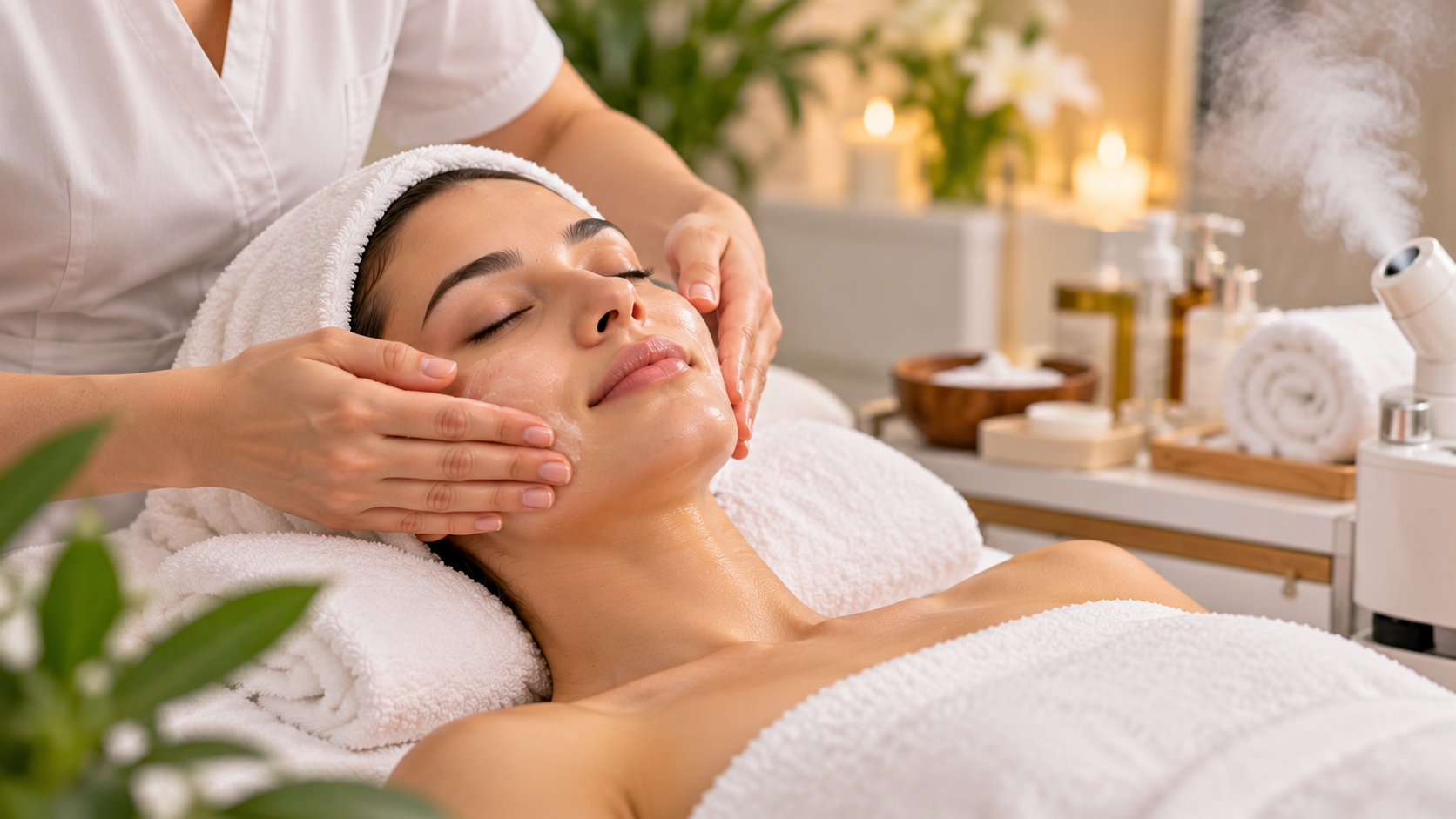
It is a skincare treatment. It focuses on cleaning. Facial also takes care of the skin. Some facials include masks. Which may include exfoliation. Others use special products. which may include devices.
Facials can addresses skin concerns. They leave skin feeling softer. Results depend on the treatment. It also depends on the type.
Common Steps in a Facial Treatment
| Step | Purpose |
| Cleansing | Removes dirt and oil. |
| Exfoliation | Dead cells are removed |
| Steam | Softens the skin. |
| Extractions | Clears suitable clogged pores. |
| Face mask | Targets skin concerns. |
| Moisturising | Helps prevent dryness. |
| Sunscreen | Protects one from sunlight. |
All facial may not include each step. The process changes with treatment.
Things one must Remember Before a Facial
Each skin react differently.
- Know about the main concern.
- Share about one’s skin sensitivities.
- Inform about current treatments.
- learn in details about side effects.
- Follow advice properly.
Different Types of Facial Treatments
Each facial is for certain purpose. Some focus on cleaning. Few on moisturizing. Others target skin concerns.
1. Classic Facial
It offers basic skincare. Classic facial usually includes cleansing. It also includes moisturizing. Some versions include masks. Few may contain exfoliation.
Benefits of a Classic Facial
- Dirt removal.
- Clearing dead cells.
- Adding moisture.
- Softening skin.
- Refreshes the face.
Who Can Choose This Facial?
- Skincare beginners.
- People wanting basic care.
- Those seeking simple treatments.
2. Hydrating Facial
It focuses addresses dry skin. Products that retain moisture are used. This reduces tightness. It also reduces dryness.
Benefits of Hydrating Facial
- Dryness is reduced.
- Moisture is added.
- Softens skin.
- Eases tightness.
- Improves skin comfort.
Who Can Choose This Facial?
- People with dry skin.
- One with flaky skin.
- One who needs moisture.
3. Deep Cleansing Facial
This facial removes excess oil. It includes gentle exfoliation. Clogged pores are cleared.
Benefits of Deep Cleansing Facial
- Removal of dirt.
- Clears excess oil.
- Buildup is reduced.
- Clogged pores are cleaned.
- Refreshes the face.
Who Can Choose This Facial?
- One with oily skin.
- Someone with clogged pores.
- One with excess buildup.
Don’t scrub during treatment. It may irritate the skin.
4. Acne Facial
It addresses skin prone to acne. It usually includes gentle cleansing. Some treatments include masks. Along with mild exfoliation. It may help manage surface oil.
Benefits of an Acne Facial
- Excess oil is removed.
- Clogged pores are cleaned.
- Buildup is reduced.
- Keeps skin clean.
- Supports daily skincare.
Who Can Choose This Facial?
- People with mild acne.
- One wo has clogged pores.
- People who have Oily skin.
Don’t squeeze pimples when treating. Some acne need medical help.
5. Brightening Facial
It addresses dull-looking skin. It includes exfoliation. One may us brightening products as well. They improve uneven stone of the skin.
Benefits of Brightening Facial
- Dullness is reduced.
- Dead cells are removed.
- Improves skin tone.
- Smooths rough patches.
- Refreshes the face.
Who Can Choose This Facial?
- People with dull skin.
- Those with uneven skin tone.
- People wanting fresher skin.
Few products irritate sensitive skin. Apply sunscreen once treatment is done
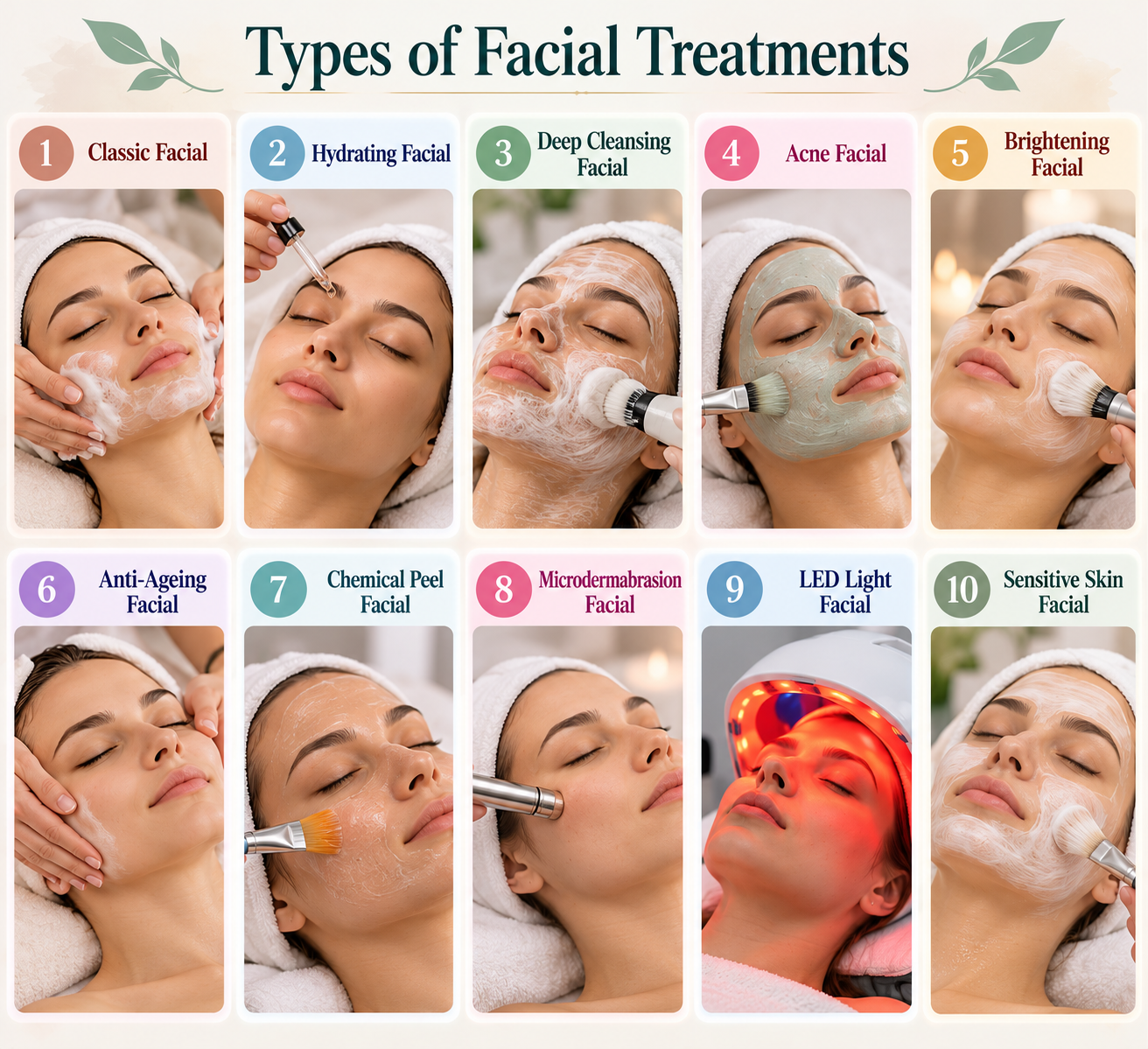
6. Anti-Ageing Facial
It addresses visible ageing signs. Which may include fine lines. It also includes dryness. Some treatments address rough texture.
Benefits of an Anti-Ageing Facial
- Moisture is added.
- Softens skin.
- Targets fine lines.
- Improves texture.
- Dryness is reduced.
Who Can Choose This Facial?
- People noticing fine lines.
- Those with dry skin.
- One who want smoother skin.
Facials don’t stop ageing. Strong treatments require guidance .One must consult professionals
7. Chemical Peel Facial
A chemical peel uses skincare acids. These help remove dead skin cells. Different peels have different strengths.
Benefits of a Chemical Peel Facial
- Removes dead cells.
- Smooths skin texture.
- Reduces dullness.
- Targets some dark spots.
- Improves skin appearance.
Who Can Choose This Facial?
- People with rough skin.
- Those with uneven texture.
- People seeking professional exfoliation.
Peels may cause redness. It may also cause irritation. Follow professional. Take their aftercare advice.
8. Microdermabrasion Facial
Microdermabrasion uses a special device. It removes dead skin cells. It mainly treats the skin’s surface.
Benefits of Microdermabrasion
- Removes dead cells.
- Smooths rough skin.
- Reduces dullness.
- Refreshes the face.
- Improves surface texture.
Who Can Choose This Facial?
- People with rough skin.
- Those with dull skin.
- People seeking exfoliation.
Irritated skin should not be treated. First consult a professional. And take their advice.
9. LED Light Facial
An LED facial uses different light wavelengths. Red and blue light are common options. Blue light manages acne-related bacteria.
Benefits of an LED Light Facial
- Acne is manage acne.
- Other treatments are complemented.
- Non-invasive care is offered.
- May improve skin appearance.
- Requires little recovery time.
Who Can Choose This Facial?
- People seeking acne care.
- One who wants non-invasive treatment.
- People trying different skincare options.
Results take many sessions. Follow device safety instructions.
10. Sensitive Skin Facial
It uses gentle products. Its aims is to reduce irritation. Harsh ingredients are not i
Benefits of a Sensitive Skin Facial
- Cleaning done gently.
- Moisture is added.
- Eases tightness.
- Avoids harsh products.
- Improves skin comfort.
Who Can Choose This Facial?
- One with sensitive skin.
- People prone to irritation.
- One who need gentle care.
Mention previous skin reactions. Take medical advice. Ask about current treatment.
Master Advanced Skincare, Makeup, Hair, and Salon Management. Enrol Now!
Master Makeup, Hair & Skincare to Build Your Beauty Identity
Unlock your creative potential with our expert-led Beauty & Wellness course. Build in-demand beauty skills and step confidently into the world of beauty!
Your Beauty Career Starts Here!Benefits of Facial Treatments
It helps with skin concerns. Lot of skin problems are addressed. Benefits depend on the treatment. It also depends on skin type.
1. Cleaner Skin
Cleaning removes dirt. It also removes oil and makeup.
- Impurities are removed.
- Clears buildup.
- Manages excess oil.
- Refreshes the skin.
2. Better Hydration
It addresses skin moisture.
- Dryness is reduced.
- Rough skin is softened.
- Eases tightness.
- Improves comfort.
3. Smoother Skin
Dead skin cells are removed via exfoliation.
- Roughness is reduced.
- Surface is smoothened.
- Dullness is removed.
- Refreshes the appearance.
4. Targeted Skincare
Each facial address different concerns.
- Dry skin.
- Acne-prone skin.
- Dull-looking skin.
- Fine lines.
- Excess oil.
5. Better Skincare Habits
Daily skincare routine is supported by facials.
- One must choose suitable treatment.
- Aftercare advice must be followed.
- Products that cause irritation must be avoided.
- One must clean daily.
- Moisturizer must be applied daily.
- Sunscreen must be used always.
Facials are not for all. Treatments are taken as per needs.
How to Choose the Right Facial Treatment
Each facial serves different purpose. The best choice depends on one’s skin. Consider the following. Then book a treatment.
1. Identify One’s Skin Type
Knowing skin type narrow choices.
- Oily skin:
- Treatment: Deep cleaning addresses oily skin.
- Dry skin:
- Treatment: Hydra facial address dry skin.
- Sensitive skin:
- Treatment: Sensitive skin need gentle facial.
- Acne-prone skin:
- Treatment: One may choose suitable acne facial.
- Dull skin:
- Treatment: Brightening addresses dull face.
- Mature skin:
- Treatment: Anti-ageing facial address mature skin.
Skin types can change.. Weather & products can affect them.
2. Consider the Main Skin Concern
Focus on the concern needing attention.
- Dryness:
- Choose hydration.
- Excess oil:
- Consider deep cleansing.
- Dullness:
- Try suitable brightening care.
- Fine lines:
- Anti-ageing treatments.
- Rough texture:
- Gentle exfoliation.
- Gentle skin:
- Avoid harsh ingredients.
One treatment don’t address all concern. Choose based on priority.
3. Check the Ingredients
Facial products contain various ingredients. Some suit certain skin types better.
- Check product labels.
- Irritants should be avoided
- Learn about active ingredients.
- Previous allergic reactions should be considered.
- Request a patch test when appropriate.
Do not assume every natural product is gentle. Some ingredients can still cause irritation.
4. Consider Treatment Strength
Some facials are soft. Others use strong ingredients. They may also use devices.
- Basic facials suit common skin.
- For strong peels use professional advice.
- Exfoliation might not suit sensitive skin.
- Take extra care for damaged skin.
- Take professional recommendations
Do not choose popular treatment. It might not suit one’s skin.
How Often Should One Get a Facial?
Frequency of facial change with skin type. Strength of the treatment affects the schedule. Few people need facials less often. Others may need frequent facial.
General Frequency Guide
| Facial Type | General Guidance |
| Classic facial |
|
| Hydrating facial |
|
| Deep cleansing facial |
|
| Acne facial |
|
| Brightening facial |
|
| Anti-ageing facial |
|
| Chemical peel |
|
| Microdermabrasion |
|
| LED facial |
|
| Sensitive skin facial |
|
These are general guidance only. They are not for everyone. Stronger treatments need longer recovery time.
Signs One May Need a Break
Too many treatments irritate skin.
- Permanent redness.
- Burning sense.
- Dryness.
- Peeling of skin
- Discomfort.
- Skin irritation.
Stop treatments if these symptoms appear. Seek medical advice.
Master Makeup, Hair & Skincare to Build Your Beauty Identity
Unlock your creative potential with our expert-led Beauty & Wellness course. Build in-demand beauty skills and step confidently into the world of beauty!
Your Beauty Career Starts Here!Facial Aftercare Tips
Aftercare protect the skin. It also supports recovery. Especially after treatment. Follow the instructions. Listen to the professional.
1. Clean Gently
After effect: Skin feels sensitive
- Clean with cleanser.
- Scrub gently.
- Use lukewarm water.
- Pat dry the skin.
Do not rub face with towels.
2. Keep Skin Moisturised
After effect: dryness.
- Choose correct moisturiser.
- Apply softly.
- Throw irritating products.
- Reapply when needed.
Choose simple products for oily skin. Richer formulas may suit dry skin.
3. Apply Sunscreen
After effect: sun sensitivity.
- Use broad-spectrum.
- SPF 30/higher is preferred.
- Reapply as directed.
- Limit direct exposure.
- Wear suitable clothing.
It prevents sun damage. Use after stronger treatments.
4. Avoid Harsh Products
After effect: High recovery time
- Skip strong exfoliants.
- Avoid irritating scrubs.
- Pause new active ingredients.
- Follow professional instructions.
- Resume products gradually.
The recovery period depends on treatment strength.
5. Avoid Excessive Heat
After effect: redness of skin
- Avoid very hot showers.
- Skip saunas temporarily.
- Avoid intense heat exposure.
- Follow specific aftercare advice.
Not every facial requires these restrictions. Ask the professional about treatment-specific precautions.
6. Watch for Skin Reactions
After effect: mild redness
- Notice unusual swelling.
- Watch for persistent burning.
- Check for worsening redness.
- Avoid suspected irritants.
- Seek medical advice when needed.
Do not ignore severe discomfort.
Common Facial Treatment Mistakes
Some habits can reduce treatment benefits. Others may irritate the skin.
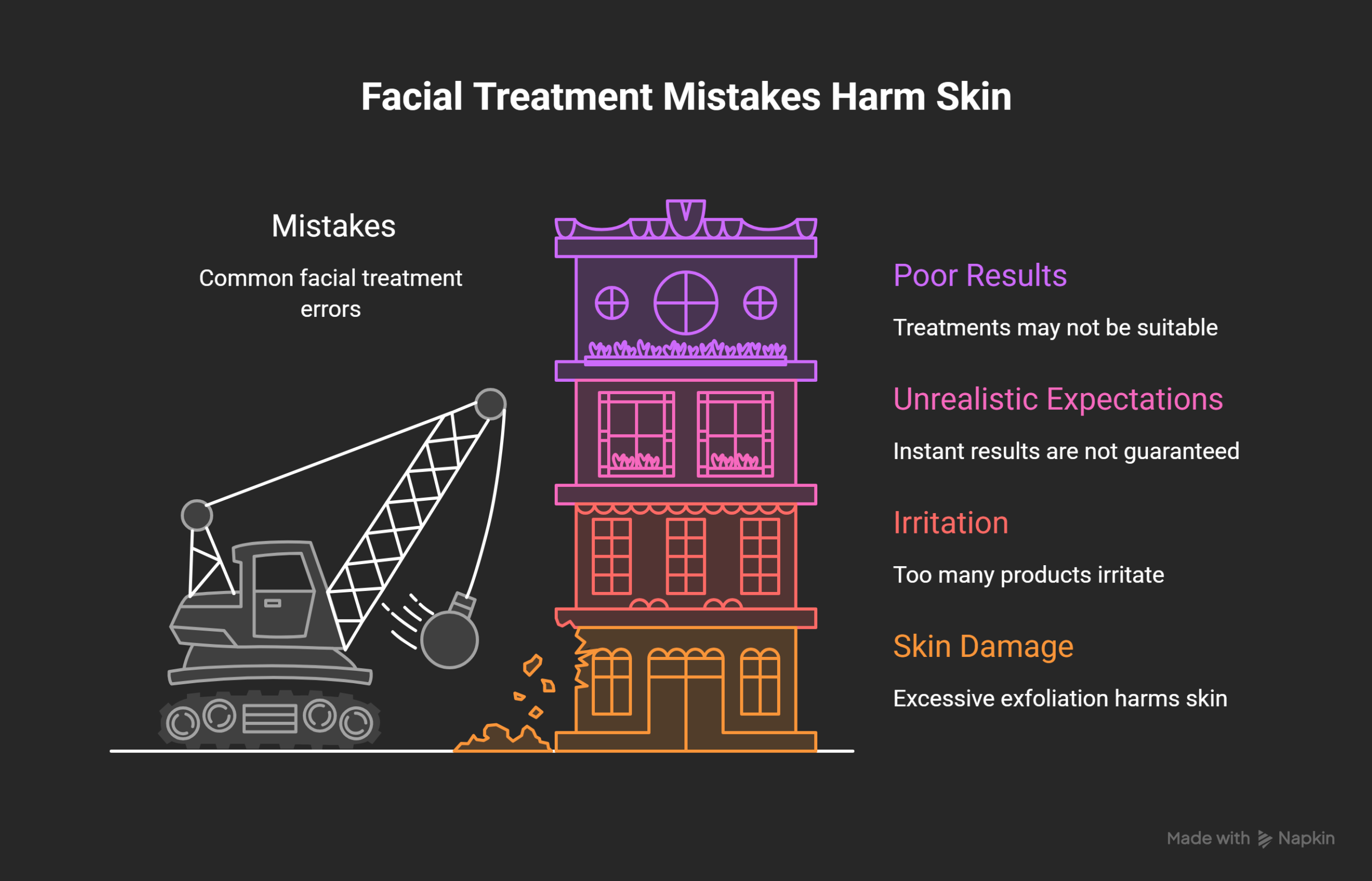
1. Choosing Treatments Without Advice
Popular facials don’t suit all.
- Check one’s skin type.
- Find the main concern.
- Discuss treatment suitability.
- Take professional guidance.
2. Exfoliating Too Often
Excessive exfoliation damage the skin.
- Avoid harsh scrubs.
- Follow product instructions.
- Allow skin recovery.
- Stop if irritation occurs.
3. Ignoring Aftercare
Aftercare is part of the treatment.
- Follow professional instructions.
- Keep skin moisturised.
- Apply sunscreen.
- Avoid known irritants.
4. Expecting Instant Results
Facials do not solve every skin concern immediately.
- Results vary between individuals.
- Some concerns need several sessions.
- Certain conditions need medical care.
- Maintain realistic expectations.
5. Trying Too Many Products
Too many products may irritate the skin.
- Introduce products gradually.
- Avoid unnecessary combinations.
- Check ingredient compatibility.
- Stop products causing irritation.
Can Facial Treatments Suit Every Skin Type?
Each person can find suitable options. But, not every facial suits all.
- For sensitive skin one can try gentle products.
- For Acne-prone skin try careful treatment.
- For dry skin one can use moisturisers.
- For oily skin try light products.
- One can try treatment delays for irritated skin.
One can seek professional advice. It is needed for people with skin conditions. One may consult a suitable dermatologist. They can recommend one with a suitable treatment.
Conclusion
Each facial treatment address different needs. Classic facials are for basic skin care. Hydra facial addresses dryness. Acne facials is for skin with acne. Brightening treatments address dull skin. Other facials address texture. Some take care of ageing signs.
One’s treatments depend on their skin. Take professional advice. Follow aftercare instructions. Avoid irritating products. Consistent daily skincare is needed.
Master Makeup, Hair & Skincare to Build Your Beauty Identity
Unlock your creative potential with our expert-led Beauty & Wellness course. Build in-demand beauty skills and step confidently into the world of beauty!
Your Beauty Career Starts Here!Frequently Asked Questions
What are the different types of facial treatments?
Common facial treatments include classic, hydrating, deep cleansing, acne, brightening, and anti-ageing facials. Other options include chemical peels, microdermabrasion, LED light facials, and treatments designed for easily irritated skin.
Which facial treatment is best for dry skin?
A hydrating facial is often suitable for dry skin because it uses products that help retain moisture. It can reduce tightness, soften rough patches, and leave the skin feeling more comfortable.
Which facial is best for oily skin?
A deep cleansing facial may suit oily skin because it helps remove excess oil, dirt, and surface buildup. Choose gentle products, as harsh cleansing can irritate the skin and increase discomfort.
Are facial treatments suitable for acne-prone skin?
Acne facials may help cleanse acne-prone skin and remove excess surface oil. However, they cannot cure every type of acne, and painful or persistent breakouts may require advice from a dermatologist.
What are the benefits of a brightening facial?
A brightening facial helps improve the appearance of dull skin and uneven skin tone. Depending on its ingredients, it may also help reduce the appearance of certain dark spots and improve skin texture.
What is the difference between a classic facial and a deep cleansing facial?
A classic facial usually focuses on basic cleansing, moisturising, and general skin care. A deep cleansing facial focuses more on excess oil, surface buildup, and clogged pores, although the exact steps vary between treatments.
What does an anti-ageing facial do?
An anti-ageing facial focuses on visible signs such as fine lines, dryness, and uneven skin texture. It may help the skin look smoother and feel more moisturised, but it cannot stop natural ageing.
Are chemical peel facials safe for all skin types?
Chemical peels are not suitable for everyone because their ingredients and strengths can affect skin differently. A qualified professional can assess one’s skin and recommend an appropriate peel while explaining possible side effects and aftercare.
How often should one get a facial?
The ideal frequency depends on one’s skin type, treatment strength, and skincare concerns. Some people choose a facial every four to six weeks, while chemical peels and other specialised treatments may require different intervals.
What should one avoid after a facial?
After a facial, one should avoid harsh scrubs, irritating products, and unnecessary exfoliation until the skin has recovered. Sunscreen, gentle cleansing, and suitable moisturising are especially important after treatments that increase sun sensitivity.