Table of Contents
Key Takeaways
- Two-Year Buffer Period: US President Donald Trump announced zero percent tariff on imported generic drugs until August 2028.
- Steep Tariff Escalation: Tariffs will increase to 100% in August 2028 and jump to 200% by August 2029.
- Impact on Indian Pharma: Indian generic manufacturers export almost 38% of their global generic shipments to the US. Stocks fell 2% to 4% in initial reaction, but long-term structural changes lie ahead.
- Severe Burden on American Patients: US consumers face massive price spikes, potential medicine shortages, and rising out-of-pocket medical expenses.
- High Barrier to Reshoring: Setting up generic drug factories in the US requires huge capital, strict regulatory approvals, and years of setup time.
Start investing like a pro. Enroll in our Stock Market course!
Introduction
1: What is a stock?
In a major policy move, the US administration announced a phased import tax on foreign generic medicines. With this decision, the US government aims to bring back pharmaceutical manufacturing to American soil. However, this announcement sent shockwaves across the global healthcare sector. India is popularly known as the pharmacy of the world.
Pharmaceuticals feature among India’s top three exports to the United States, with exports touching $10.5 billion in 2024-25. Indian companies supply nearly half of all generic medicines consumed in the United States. Naturally, any change in US trade policy directly hits Indian pharmaceutical exporters and American patients alike.
To understand the broader economic picture, we must closely analyze the Trump generic drug tariff impact on Indian equity markets, global pharmaceutical supply chains, and retail medicine prices in the US.
What has President Trump Announced?

The official announcement outlines a clear, multi-year tariff framework for imported generic drugs:
- Phase 1 (August 1, 2026 – July 31, 2028): Generic medicines imported into the US will face 0% tariff.
- Phase 2 (August 1, 2028 – July 31, 2029): Importers will face a 100% tariff on generic drug shipments.
- Phase 3 (August 1, 2029 onward): The import duty will skyrocket to 200%, which is indeed a big blow to the $9.7 billion Indian pharma exports.
The main objective behind this plan is to penalize foreign manufacturers and force them to build factories inside the US. Patented, branded, and innovative drugs remain exempt from this specific framework for now.
In 2025, the amount of pharmaceutical products imported by the US was worth $213 billion. This includes $94.1 billion of finished medicines sold in retail packs, a category that includes generic medicines.
Although the policy gives companies a two-year buffer period, industry experts agree that two years is too short to rebuild a giant global manufacturing ecosystem.
Top 3 Reasons Behind India’s Heavy Exposure
India exports billions of dollars worth of medicines every year. The United States remains the single largest market for Indian pharmaceutical companies.
- Massive Export Share: Around 34% to 38% of India’s total pharmaceutical exports land in the United States.
- Huge Prescription Volume: Indian firms supply nearly 47% to 50% of all generic prescriptions filled by American pharmacies.
- Key Disease Areas: India produces essential low-cost generic drugs for high blood pressure, diabetes, heart diseases, mental health, and bacterial infections.
Since Indian drugmakers command a dominant position in the US market, any disruption in trade rules immediately threatens revenue margins and stock valuations.
Understanding the Trump Generic Drug Tariff Impact on Indian Pharma Stocks
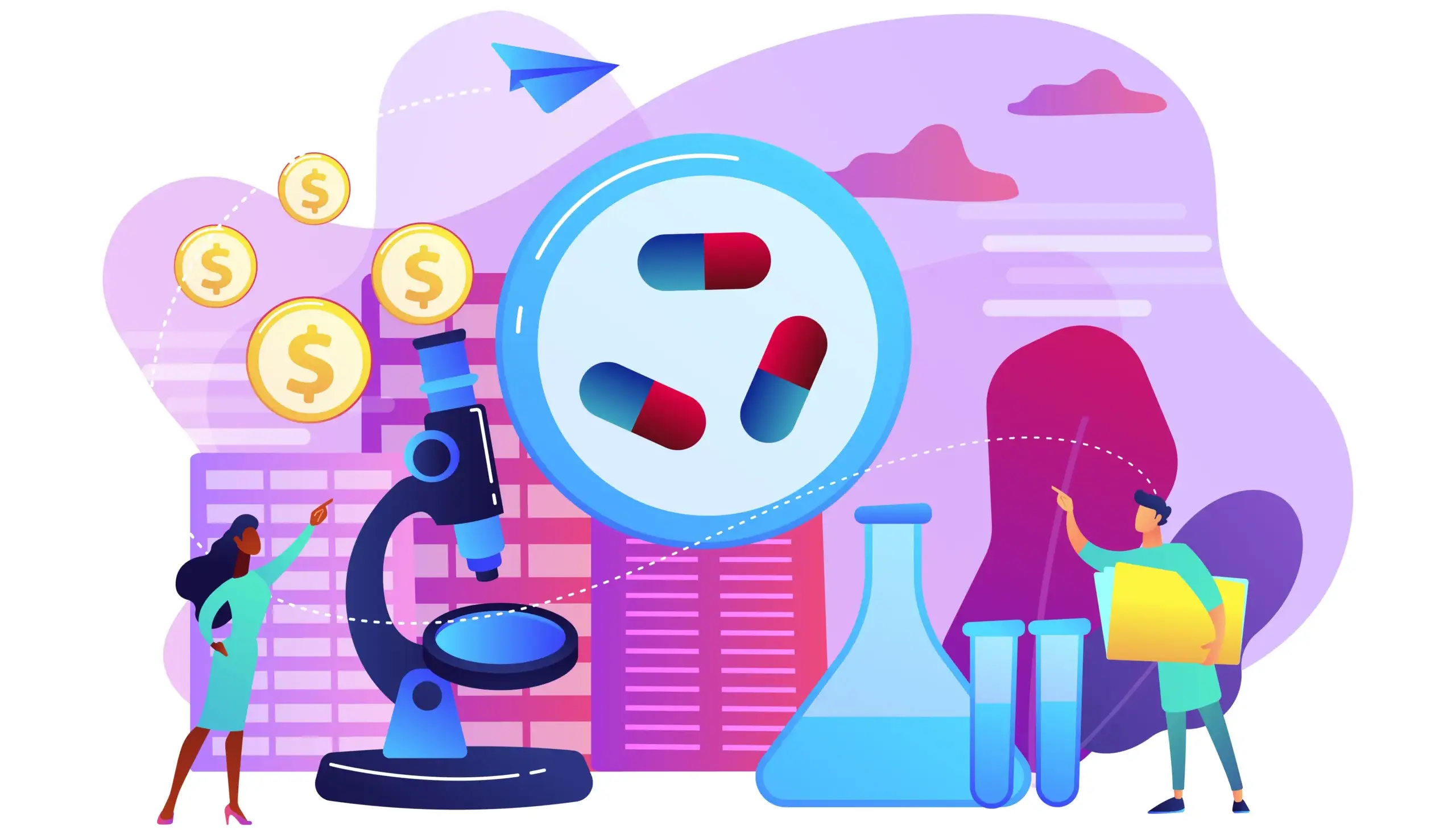
Post the announcement, Indian stock markets reacted swiftly. The Nifty Pharma index dropped sharply as top healthcare stocks faced selling pressure.
Investors are evaluating the long-term Trump generic drug tariff impact on individual pharmaceutical companies based on their US exposure:
1. High Exposure Companies
Companies that earn a major portion of their total revenue from the US generic market faced the hardest hit in stock prices:
- Aurobindo Pharma: Generates nearly 45% to 50% of total sales from North America. Its stock fell over 3% after the news.
- Dr. Reddy’s Laboratories: Relies heavily on US generics for over one-third of its annual revenue.
- Lupin & Zydus Lifesciences: Both derive 35% to 40% of overall earnings from generic medicine exports to the US.
When it comes to birth control pills, around 65% of prescriptions filled in the US in 2024 were manufactured by Lupin and Glenmark Pharmaceuticals, says a Bloomberg report.
2. Diversified and Protected Companies
- Sun Pharma: Impact will be low as it focuses heavily on high-margin specialty products and domestic Indian formulations.
- Cipla: Has the upper hand of a strong domestic presence and existing US-based manufacturing partnerships.
- Torrent Pharma & Alkem Laboratories: Highly focused on the Indian domestic market, resulting in minimal risk from US trade tariffs.
Why is there No Immediate Earnings Crisis?
Analysts emphasize that Indian companies will not suffer an immediate cash flow loss. The zero-tariff rule remains active until July 2028. This gives management teams almost two full years to pivot their global supply chain strategies.
Stock Market Training Reviewed & Monitored by SEBI Registered Investment Advisor
Trusted, concepts to help you grow with confidence. Enroll now and learn to start investing the right way.
Know moreHow will the Tariff Plan Affect US Consumers?
While the tariff policy aims to boost local American manufacturing, American citizens will likely bear the financial burden.
1. Skyrocketing Medicine Prices
Generic drugs make up 90% of all prescriptions dispensed across America. However, generic drugs operate on very small profit margins.
Manufacturers cannot absorb a 100% or 200% import tax. Therefore, importers and pharmaceutical firms will pass these extra costs directly to American patients.
2. Risk of Severe Drug Shortages
Several life-saving generic drugs are manufactured by only two or three global suppliers. The reason is thin profit margins.
If a 200% tariff makes these drugs unprofitable, manufacturers will simply stop exporting them to the US. This could end up in huge shortages of essential antibiotics, cancer treatments, and blood pressure medications.
3. Increased Burden on Healthcare Insurance
Higher drug costs will push up health insurance premiums across America. State-sponsored health programs will also face tight budgets. As a result, out-of-pocket costs for ordinary working families will rise significantly.
Can Generic Production Really Shift to the US?
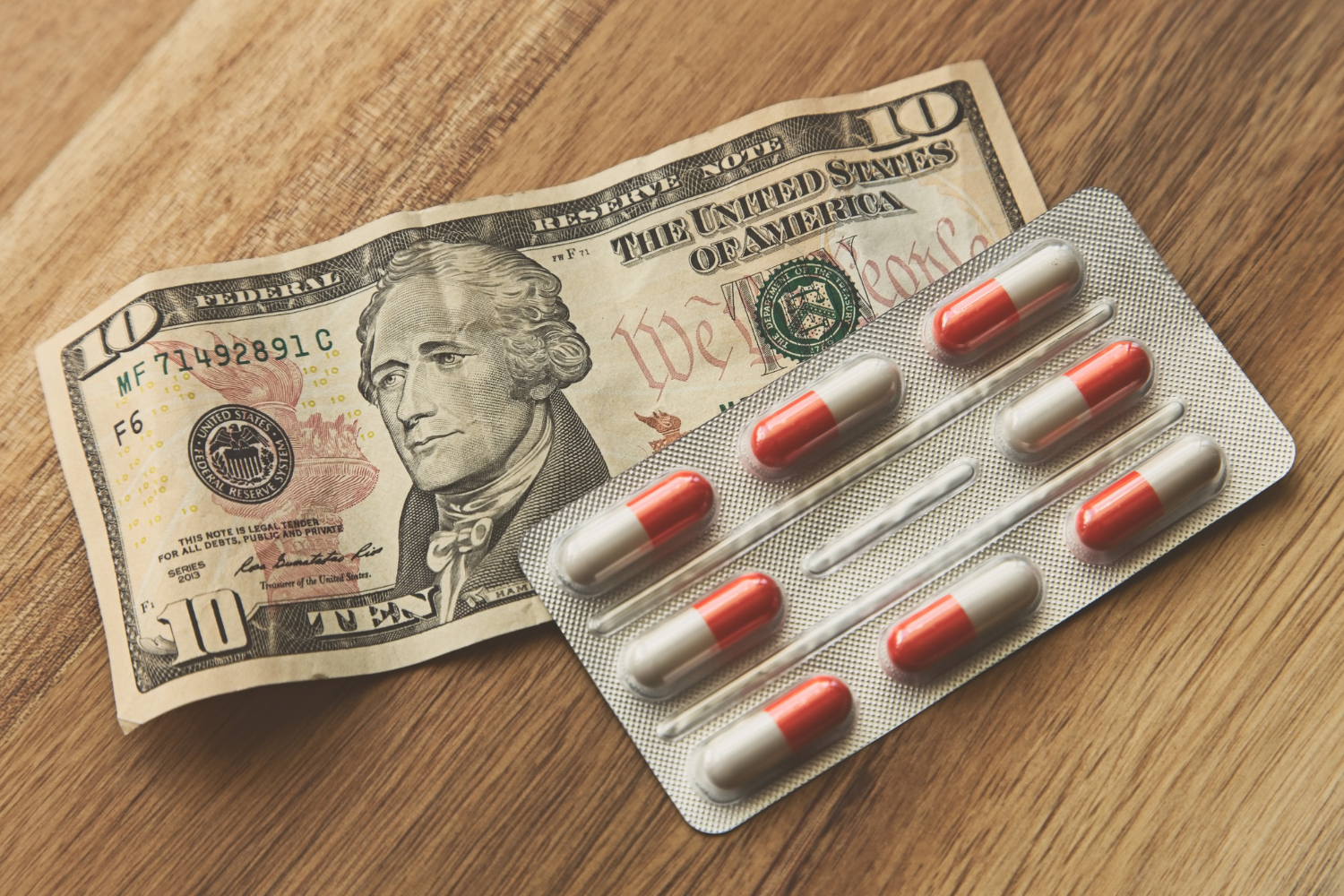
The US administration believes high tariffs will force generic drug companies to build factories in America. However, industry leaders point out several structural challenges that make rapid reshoring extremely difficult.
Higher Manufacturing Costs in the US
Producing medicines in India costs 40% to 60% less than producing them in the United States. High labor wages, expensive land, environmental compliance costs, and plant operations in America make low-cost generic manufacturing economically unviable.
Long Approval Timelines
Building a state-of-the-art generic drug factory takes at least two to three years. Getting necessary regulatory inspections and product approvals takes another 12 to 18 months. Hence, establishing local supply chains within a strict two-year window is practically impossible.
Reliance on Active Pharmaceutical Ingredients (APIs)
Even if finished tablet production moves to America, factories still depend heavily on raw materials (APIs) imported from foreign countries. Imposing duties on raw inputs would defeat the entire purpose of local manufacturing.
Strategic Alternatives for Indian Pharma Companies
To mitigate the Trump generic drug tariff impact, Indian pharmaceutical companies are exploring strategic pivots:
- Expanding Local US Facilities: Companies like Aurobindo, Dr. Reddy’s, Lupin, and Zydus already have their own manufacturing units in the US. They can shift high-margin formulation lines to these plants.
- Contract Manufacturing Partnerships: Partnering with existing American contract manufacturers (CMOs) will allow Indian firms to bypass import tariffs with absolutely no need to build new factories from scratch.
- Focusing on Complex Generics & Biosimilars: Simple generic tablets offer low profit margins. Moving into complex injectables, inhalers, and biosimilars offers higher margins that can easily absorb tariff pressures.
- Geographic Diversification: Expanding export presence in Europe, Latin America, Southeast Asia, and the domestic Indian market will reduce reliance on the US.
Join our Online Course and Learn Stock Marketing the Right Way. Enrol Now!
Conclusion
The announcement of a steep import duty framework has introduced significant long-term uncertainty into global healthcare trade. While the two-year exemption period offers temporary relief, the structural Trump generic drug tariff impact will force Indian drugmakers to rethink their core business model.
For American consumers, higher tariffs will mean expensive medicines and healthcare supply risks. For Indian pharma stocks, short-term market volatility will give way to strategic reorganization toward complex medicines and US-based production hubs.
Ultimately, both nations remain deeply interconnected, and bilateral trade talks could still reshape these policies before the 2028 deadline arrives.
Stock Market Training Reviewed & Monitored by SEBI Registered Investment Advisor
Trusted, concepts to help you grow with confidence. Enroll now and learn to start investing the right way.
Know moreFrequently Asked Questions
What is the main objective of Trump’s generic drug tariff policy?
The policy aims to force global pharmaceutical companies to set up manufacturing plants in the US and reduce dependence on foreign supply chains.
When will the 200% tariff come into force?
The 0% tariff lasts until July 2028. A 100% tariff applies from August 2028, and the 200% tariff starts in August 2029.
How does this policy affect Indian pharma companies immediately?
There is no immediate financial impact because imported generic drugs remain tariff-free for the next two years.
Which Indian pharma stocks are most exposed to this risk?
Companies with high US market revenue like Aurobindo Pharma, Dr. Reddy’s Laboratories, Lupin, and Zydus Lifesciences face greater exposure.
Will US consumers face higher medicine prices?
Yes, generic drug importers will pass the tariff costs onto US buyers, leading to higher retail prices and insurance premiums.
Can Indian drugmakers avoid tariffs by manufacturing in the US?
Yes, Indian companies can produce drugs through their existing US plants or local contract manufacturing partners.
Does the tariff policy apply to patented or branded medicines?
No, the policy specifically targets imported generic medicines. Existing rules for patented and branded drugs remain unchanged.