
Table of Contents
The best picture classification activities for toddlers are simple, real-image sorting tasks using 5 to 10 cards focused on one category. This can be animals, foods, vehicles, or household objects and works well if limited to two groups.
This is introduced gradually between 18 months and 4 years in Montessori early-language training. The work moves from naming to sorting to matching as vocabulary and attention grow. This aligns with the 1.5 to 3-year “language explosion” and children’s natural enjoyment of matching and ordering.
Register for the Entri Elevate Montessori Teacher Training Program! Join Now!
Key Takeaways
- Use realistic images, one theme per tray.
- Start with 5 to 8 cards. It extends to 10 to 12 as attention grows.
- Under-3s – 2-part lesson (name, recognise); 3-period lesson from age 3+.
- Themes – animals, fruits/vegetables, vehicles, clothes, household items.
- Localise with regional foods, transport, and traditional wear for Indian contexts.
- Avoid mixed themes, too many cards, or cartoonish images.
- Include a written lesson plan in TTC teaching-practice files.
What are Picture Classification Activities in Montessori?
1: What is the primary focus of the first plane of development in the Montessori method?
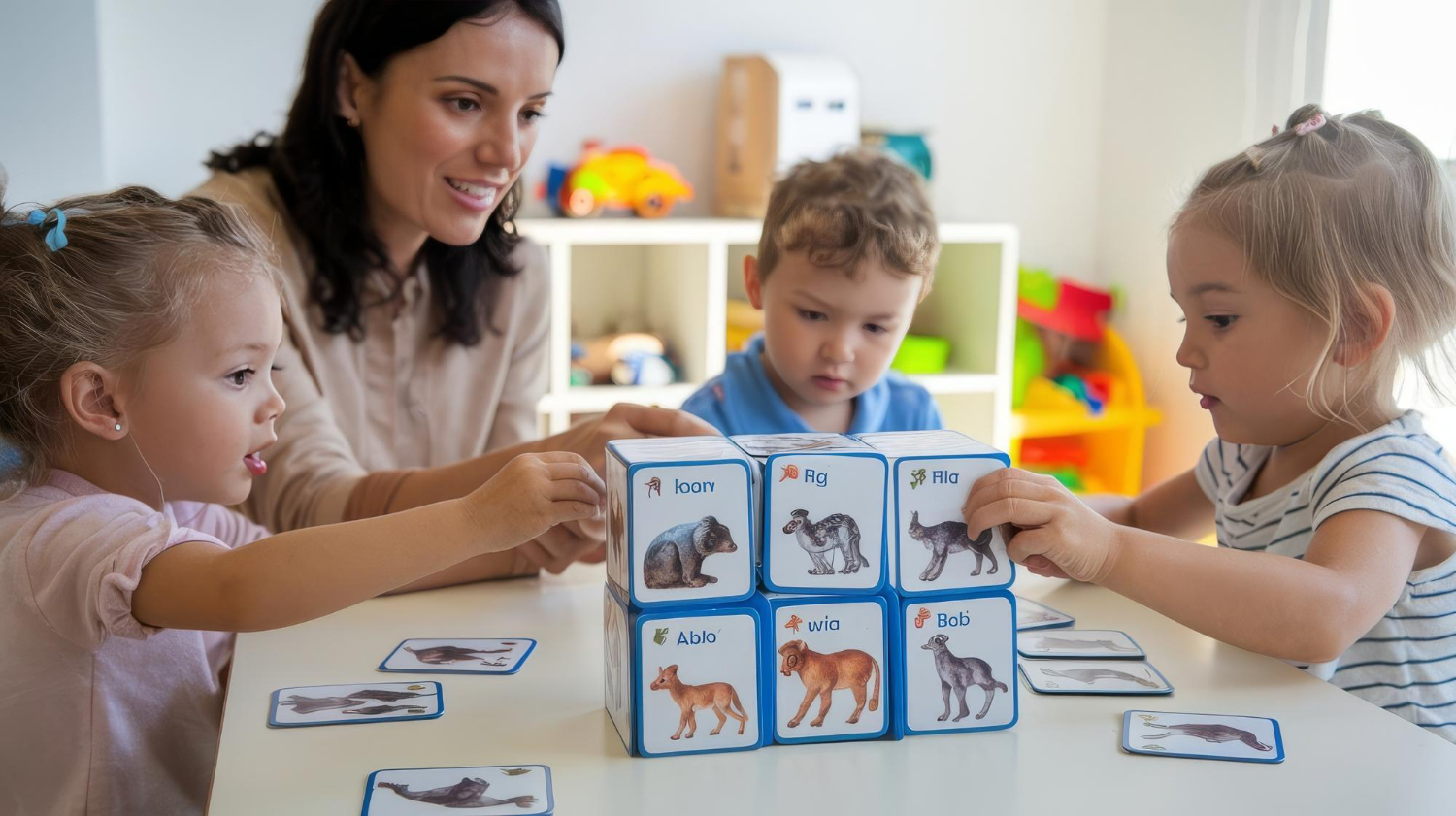
Picture classification is a structured sorting exercise where a child groups picture cards representing a single theme to build vocabulary and early logical thinking.
Montessori calls the foundational version “classification cards”. They are simple picture-only sets used purely to name and introduce objects, with no matching or labels involved yet.
As the child’s language develops, this evolves into the more advanced “Classified Cards” work, which pairs pictures with printed word labels and is typically used with children aged 3 to 6.
Why it matters for toddlers:
- Builds vocabulary through repeated naming of real, familiar objects.
- Develops early logical thinking by noticing similarities and differences.
- Lays the groundwork for reading by organising language into categories before letters are introduced.
- Encourages independence, since children choose, use, and return the materials themselves.
Get Certified & Start Your Montessori Career
Montessori Teacher Training Course by Entri App: Gain expert skills, earn certification, and kickstart your teaching career.
Join Now!Age-Wise Progression for Picture Classification
Montessori’s sensitive-periods framework helps explain why picture classification works so well at specific ages. The “language explosion” runs from roughly 1.5 to 3 years.
On the other hand, the 2-to-4-year window is marked by a strong pull toward matching, sequencing, and order. These are the exact skills this activity builds.
Progression should always be need-based, not age-locked. Move to the next stage only once the current one is easy for the child.
| Age Range | Focus | Example Activity | Materials |
| 18 months–2.5 years | Naming and pre-matching | Naming 5–6 picture cards from one theme (e.g., farm animals) | 1 set of 5–7 cards, single theme |
| 2.5–3 years | Simple two-group sorting | Sorting animals vs. vehicles into two trays | 2 sets of 6–8 cards each |
| 3–4 years | Multi-category sorting | Sorting fruits, vegetables, animals, and vehicles on one mat | 3–4 themed sets, 8–10 cards each |
| 4–6 years | Picture-and-label matching | Matching printed word labels to pictures, self-checked with control cards | Picture cards, word labels, control cards |
Best Picture Classification Ideas for Toddlers
Pick themes from the child’s own environment. Familiarity drives engagement far more than novelty at this age.
- Animals: farm animals, pets, birds, wild animals.
- Foods: fruits, vegetables, everyday Indian foods (roti, rice, idli), dairy items.
- Vehicles: cars, buses, two-wheelers, trains, boats.
- Clothes: shirts, pants, dresses, traditional wear such as sarees, mundus, or kurtas.
- Household objects: kitchen utensils, furniture, bathroom items, toys.
- Nature: leaves, flowers, trees (better suited to children closer to 3 to 4 years).
For Kerala and other regional classrooms, swapping in locally familiar items makes the activity far more meaningful than imported stock imagery. This can be
- a boat alongside a car
- coconut and banana among fruits
- an autorickshaw among vehicles
Step-by-Step: How to Present the Activity
For children under 3 (2-part lesson):
- Prepare a mat or low table with one tray of 5–8 single-theme cards.
- Take out each card, name it clearly and slowly – “This is a cow” – and lay it face up in a row.
- Repeat the names over several sessions rather than testing recall immediately.
- Once the child recognizes the objects, offer a simple choice: “Can you find the cow?”
For children closer to 3 to 4 years (full 3-period lesson):
- Period 1 – Naming: “This is a cow. This is a dog.”
- Period 2 – Recognition: “Can you give me the cow?”
- Period 3 – Recall (only once confident): “What is this?”
- Introduce a second tray and invite simple two-group sorting: “Animals go here, vehicles go here.”
- From age 4, add printed word labels and control cards so the child can self-check.
Always let the child repeat the activity as long as interest lasts, and model returning materials to the shelf. This respect for order is central to Montessori practice.
Get Certified & Start Your Montessori Career
Montessori Teacher Training Course by Entri App: Gain expert skills, earn certification, and kickstart your teaching career.
Join Now!Classroom and Home Setup
- Shelving: Open, low shelves with one theme visible per tray.
- Containers: A separate basket or tray for each theme, ideally colour-coded so mixed-up cards can self-correct.
- Work surface: A small mat or a clear section of table for laying out and sorting cards.
- Rotation: Refresh one or two sets weekly based on the child’s interest and vocabulary needs.
Common Mistakes to Avoid
| Do | Don’t |
| Use 5–12 clear, realistic images per set | Mix multiple themes on one tray for beginners |
| Keep one theme per tray | Overload very young toddlers with more than 8–10 cards |
| Speak slowly and follow the child’s pace | Use cartoonish or cluttered images that hide key features |
| Introduce labels only after names are secure | Rush a child into the 3-period lesson before they’re ready |
Sample Lesson Plan Outline (For TTC Teaching Practice)
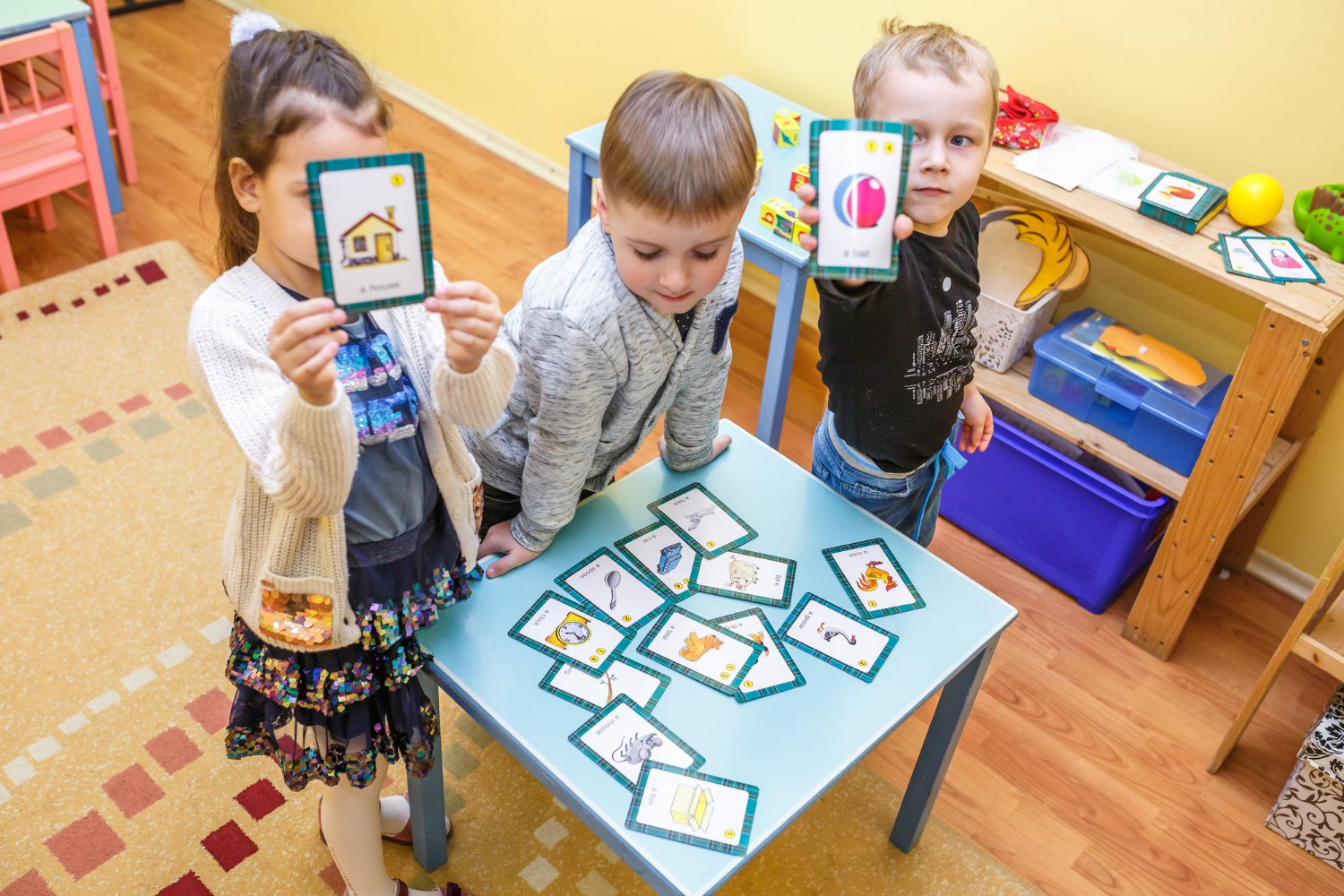
- Lesson title:
Picture Classification – Farm Animals and Pets
- Age group:
2.5 to 3.5 years
- Objectives:
Child names at least 5 animal pictures correctly. Sorts animals into two groups (farm vs. pets) with minimal help.
- Materials:
10 to 12 animal cards (farm + pets), 2 baskets or mats, optional word labels.
- Procedure:
Invite the child, name each card, use the 2- or 3-period lesson as age-appropriate, demonstrate two-group sorting, let the child repeat.
- Observation:
Note new vocabulary picked up and level of independence shown.
- Follow-up:
Introduce labels the following week, or add a new category such as wild animals.
This template adapts easily to other themes like fruits and vegetables, vehicles, or household objects for teaching-practice files.
Register for the Entri Elevate Montessori Teacher Training Program! Join Now!
Conclusion
Picture classification is one of the simplest yet most effective early-language activities a Montessori toddler classroom can offer.
Kept to one theme per tray, built from real and familiar images, and paced to the child’s own sensitive periods for language and order, it steadily builds vocabulary, logical thinking, and independence.
For TTC trainees, mastering this progression from naming to sorting to labelling is a foundational skill that carries directly into practical teaching work.
Get Certified & Start Your Montessori Career
Montessori Teacher Training Course by Entri App: Gain expert skills, earn certification, and kickstart your teaching career.
Join Now!Frequently Asked Questions
At what age should toddlers start picture classification?
Children can begin simple naming and pre-matching work from around 18 months to 2 years. Sorting into groups typically becomes meaningful between 2.5 and 3 years.
How many picture cards should I use for a toddler set?
Start with 5 to 8 cards from a single theme for children under 3. This can extend to 10 to 12 cards as attention span and vocabulary increase.
What themes work best for toddler picture sorting?
Familiar, everyday themes work best – animals, fruits, vegetables, vehicles, clothes, and household objects. Localising themes to the child’s own culture and surroundings boosts engagement.
How is picture classification presented in a Montessori classroom?
The teacher invites the child to a mat, names each card clearly, and uses a 2-part or 3-period lesson depending on age. Sorting into categories is introduced only once naming is secure.
Why does Montessori emphasise real images over cartoons?
Real, clear images help children connect the picture directly to the actual object in their environment. Cartoons or overly stylised images can blur that connection and slow vocabulary building.
How often should picture card sets be rotated?
Refreshing one or two sets a week, based on the child’s interest and vocabulary growth, keeps the activity engaging without overwhelming the child.
What is the biggest mistake teachers make with this activity?
Introducing too many pictures or mixing several themes on one tray too early. This overwhelms toddlers and works against the Montessori principle of one clear concept at a time.
How does picture classification support pre-reading skills?
By organising vocabulary into categories before letters are introduced, children build the language foundation that later makes phonetic and reading work easier to grasp.
What materials are needed to set up this activity?
A set of laminated picture cards per theme, a basket or tray for each set, and a small mat or table space are enough to begin; labels and control cards can be added later.
How is this activity assessed in Montessori TTC teaching practice?
Trainees typically document the child’s response through a written lesson plan and observation notes, tracking new vocabulary picked up and the level of independence shown during sorting.