Table of Contents
Most of us assume every nation has some kind of stock exchange. After all, India has two big ones. We have the BSE and the NSE. But this is not true for the whole world.
There are several countries without stock exchange systems of their own. Some of these nations are too small. Others have unstable governments. A few simply never felt the need to build one.
Learn Stock Marketing with a Share Trading Expert! Explore Here!
Key Takeaways
- More than 30 countries in the world do not have their own stock exchange.
- Most of these are very small nations, island states, or countries with weak economies.
- Some countries without their own exchange still allow trading through a shared regional exchange.
- Political instability, war, and government control over the economy are common reasons for not having a stock exchange.
- India has a strong, well-developed stock market, unlike many countries without stock exchange facilities.
- Understanding countries without stock exchang e helps Indian investors appreciate how developed India’s own financial markets are.
What is a Stock Exchange?
1: What is a stock?
Before we discuss countries without stock exchange systems, let’s understand what a stock exchange actually is. A stock exchange is a marketplace. Companies list their shares here. Investors buy and sell these shares. This helps companies raise money. It also helps people grow their wealth over time.
India has the Bombay Stock Exchange (BSE) and the National Stock Exchange (NSE). Both are large and modern. They allow crores of Indians to invest daily. But not every country enjoys this facility.
Which Countries do not have a Stock Exchange?

Now let’s look at the actual list of countries without stock exchange systems. These nations span across different continents. Here are some well-known examples:
Asia:
- Afghanistan
- Brunei
- North Korea
- Yemen
- Timor-Leste
Africa:
- Chad
- Comoros
- Djibouti
- Eritrea
- Gambia
- Guinea
- Liberia
- Madagascar
- Mauritania
- South Sudan
- São Tomé and Príncipe
- Democratic Republic of Congo
Stock Market Training Reviewed & Monitored by SEBI Registered Investment Advisor
Trusted, concepts to help you grow with confidence. Enroll now and learn to start investing the right way.
Know moreEurope:
- Andorra
- Liechtenstein
- Monaco
- San Marino
- Vatican City
The Americas:
- Belize
- Cuba
Oceania (Pacific Islands):
- Kiribati
- Marshall Islands
- Micronesia
- Nauru
- Palau
- Samoa
- Solomon Islands
- Tonga
- Tuvalu
- Vanuatu
This list shows something interesting. Most countries without stock exchange facilities are either very small or very isolated. Many are island nations with tiny populations. Others are landlocked or have gone through years of conflict.
Why don’t these Countries have a Stock Exchange?
There are several reasons behind this. Let’s break them down into simple points.
1. Small Economy Size
Many of these nations have very small economies. Countries like Tuvalu or Nauru have populations under 15,000 people. There simply aren’t enough companies to list on an exchange. Building a stock market would not make financial sense here.
2. Political Instability
Some countries without stock exchange systems have faced long periods of war or political trouble. Afghanistan and Yemen are good examples. In such situations, building financial infrastructure takes a back seat. Governments focus on basic survival first.
3. Government-Controlled Economy
North Korea is a unique case. It has almost no private enterprise. The government controls nearly everything. There is no real need for a stock exchange in such a system, since private companies barely exist there.
4. Underdeveloped Banking Systems
A stock exchange needs strong supporting systems. This includes banks, regulators, and legal frameworks. Many countries without stock exchange access also lack these basic financial building blocks. Without a solid foundation, a stock market cannot function properly.
5. Reliance on Regional Exchanges
Interestingly, some small nations don’t need their own exchange. They use a shared regional one instead. For example, several Caribbean countries use the Eastern Caribbean Securities Exchange together.
Similarly, some Central and West African nations share regional exchanges based in other member countries. This way, they still get access to stock market benefits without running a separate exchange.
How does this Compare to India?
India’s story is very different. The BSE was set up way back in 1875. It is one of Asia’s oldest stock exchanges. The NSE came later, in 1992, and modernised trading with electronic systems. Today, India has millions of active investors. Our markets are among the largest in the world by number of listed companies.
This shows how far India has come. While many countries without stock exchange systems struggle to build basic financial infrastructure, India already has a mature, technology-driven market. This is something Indian investors can be proud of.
What Happens in Countries without a Stock Exchange?
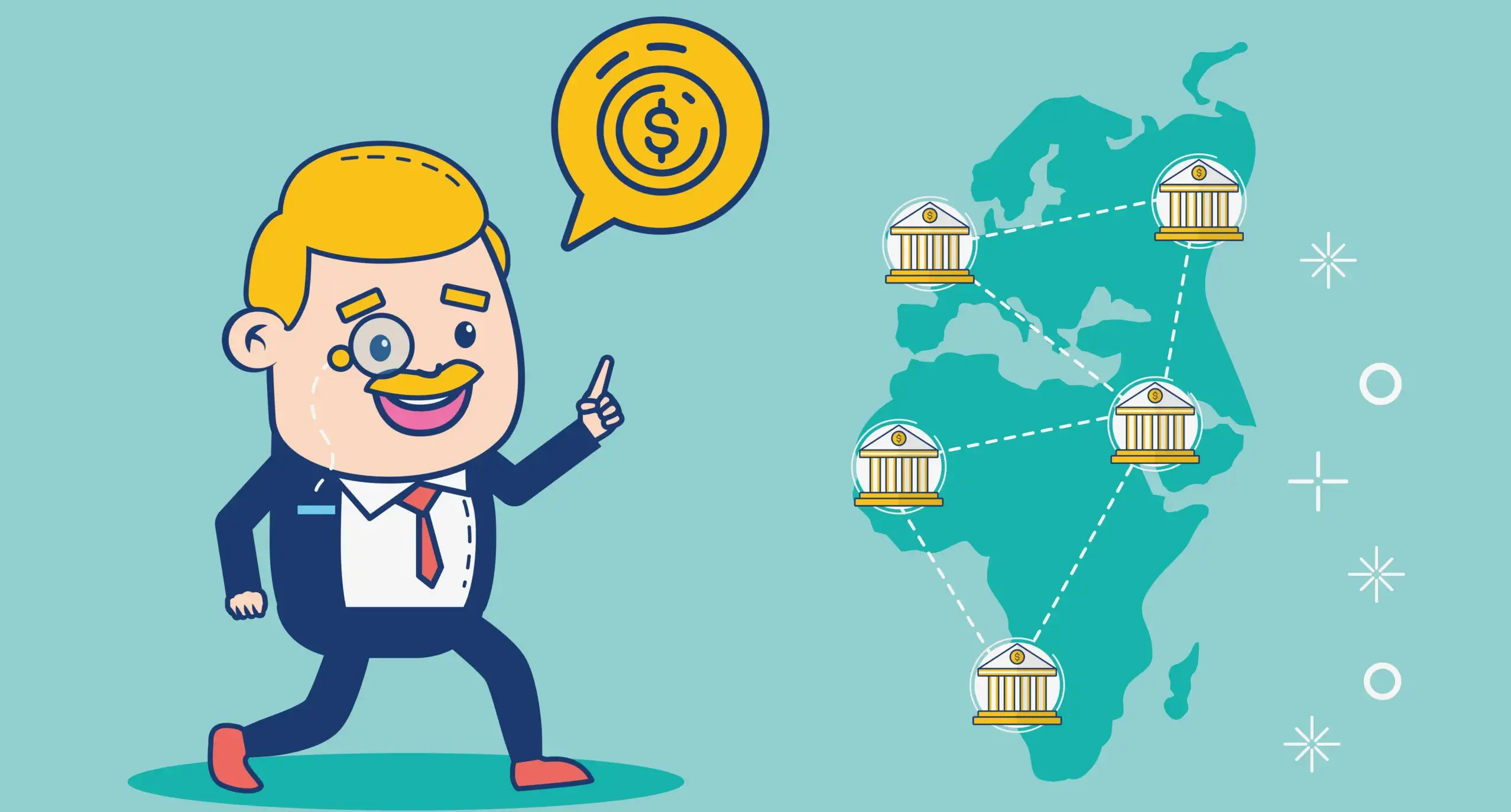
You might wonder how businesses raise money in these nations. Without a stock exchange, companies rely on other sources. These include:
- Bank loans
- Private investors
- Government funding
- Foreign aid and grants
- Informal or unregulated trading networks
These alternatives work, but they are usually less efficient. They also offer fewer protections to investors. A proper stock exchange brings transparency and regulation. Countries without stock exchange systems often miss out on this transparency.
Can these Countries Build a Stock Exchange in the Future?
Yes, it is possible. Some nations are already working on it. For instance, Somalia recently launched a national securities exchange to support its growing private sector. This shows that even nations facing tough conditions can eventually build financial markets.
It usually takes time, stability, and strong government support. As economies grow and stabilise, more countries without stock exchange systems today may develop their own markets in the future. Growth in trade, technology, and private business ownership often pushes nations in this direction.
Learn Stock Marketing with a Share Trading Expert! Explore Here!
Conclusion
So, which countries do not have a stock exchange? As we saw, there are more than 30 such nations across the world. Most are small island states, countries facing conflict, or those with limited private business activity. Some rely on shared regional exchanges instead of building their own.
For Indian readers, this is a good reminder of how developed our own stock market truly is. The BSE and NSE offer millions of Indians a chance to invest and grow their wealth. Many countries without stock exchange facilities simply don’t have this opportunity yet.
Understanding this global picture helps us value what we have. It also shows how financial markets grow alongside a country’s economy, stability, and business environment.
Stock Market Training Reviewed & Monitored by SEBI Registered Investment Advisor
Trusted, concepts to help you grow with confidence. Enroll now and learn to start investing the right way.
Know moreFrequently Asked Questions
How many countries do not have a stock exchange?
Around 30 to 35 countries currently have no stock exchange of their own.
Why do some countries not have a stock exchange?
Small economy size, political instability, and weak financial systems are the main reasons.
Does North Korea have a stock exchange?
No, North Korea does not have a stock exchange due to its government-controlled economy.
Do all small countries lack a stock exchange?
Not always. Some small countries, like Malta, do have their own stock exchange.
How do businesses raise funds without a stock exchange?
They usually depend on bank loans, private investors, or government support.
Can a country without a stock exchange start one later?
Yes, as economies grow stronger, new stock exchanges can be created.
Does India have a well-developed stock exchange?
Yes, India has two major exchanges, the BSE and NSE, both highly developed.