Table of Contents
PCOS is one of the conditions that can be compared to being in a war with your own body all the time. There is nothing in a female body that goes unaffected by PCOS.
This ranges from skin to an individual’s mental health. There are modern medications that will help you control the symptoms. But making good lifestyle choices is one of the best ways to navigate the PCOS maze easier. Practicing yoga for PCOS is one such choice.
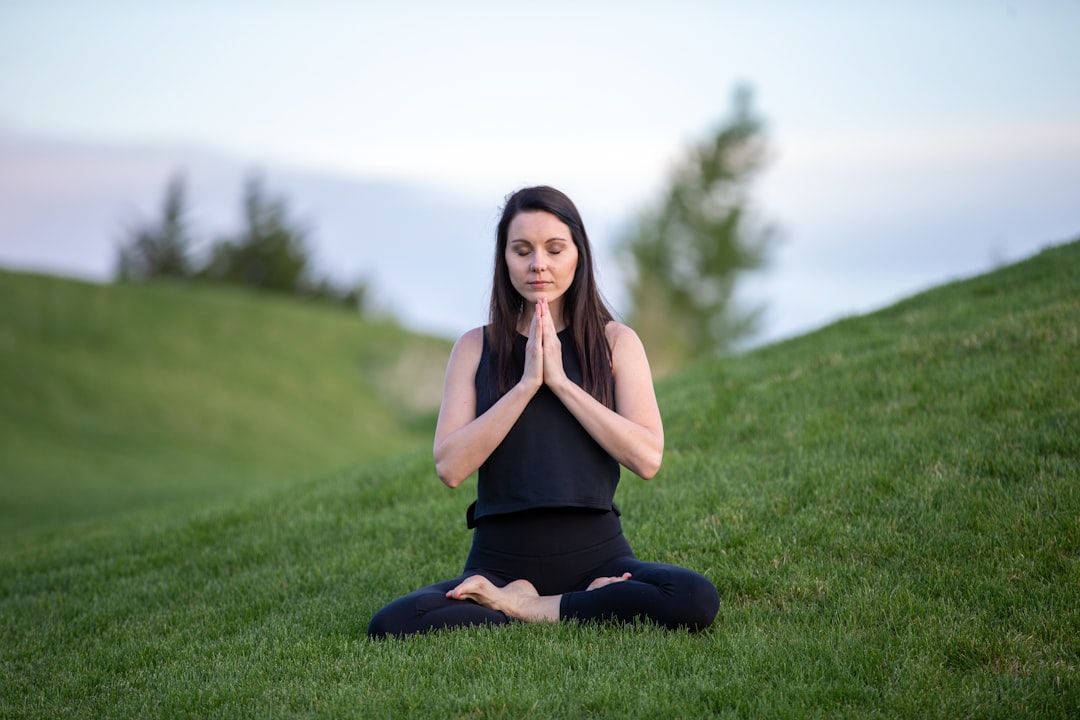
Practicing yoga can quiet your nervous system and tune your internal clock. In this blog, let us learn how doing yoga helps you in navigating PCOS.
Learn from the best mentors in the field! Join Entri online yoga TTC classes!
Yoga for PCOS: Introduction
PCOS, or Polycystic Ovary Syndrome, is not an easy condition to manage. It can be compared to trying to solve a puzzle while each piece keeps changing shapes during the game.
PCOS can range from having a little bit more body hair than your sister to your mental health going through an absolute train wreck. The main issues include hormonal fluctuations, insulin resistance, and wide mood swings. Some might even feel disconnected from their own body.
The aim of this blog is not to popularize yoga as an alternative to modern medicine. Never see yoga as a magic pill for any injuries or diseases. In fact, the best way to view this practice is as a complementary technique that regulates your lifestyle in such a way that the medicines have a better chance of working due to overall improvement in the health of the said body.
Yoga is one of the holistic tools that can help you manage the effects of PCOS. It helps you recalibrate your entire system by lowering cortisol and improving insulin sensitivity. We will learn more about which physical postures and breathing techniques suit you best if you are practicing yoga for PCOS control.
Key Takeaways
1: Which of these is the primary goal of yoga practice?
The key takeaways of this blog are:
- Stress Drop: Lowers cortisol to stop androgen (male hormone) spikes.
- Insulin Boost: Specific twists help regulate blood sugar naturally.
- Cycle Sync: Restores the hormonal connection needed for regular periods.
- Daily Flow: 20 minutes of gentle yoga beats one intense, stressful workout.
- Mind-Body Reset: Pranayama (breathwork) calms the endocrine system instantly.
Become a Certified Yoga Instructor
Yoga Teacher Training Course by Entri App: Master authentic yoga techniques, earn certification, and build a successful career as a professional yoga instructor.
Join Now!What is PCOS?
Polycystic Ovary Syndrome (PCOS) is a complex endocrine and metabolic disorder. It affects roughly 10–13% of women in the reproductive age range. But in most cases, it is a chronic metabolic condition that persists beyond the reproductive years. It is a hormonal disorder. Common symptoms of PCOS include:
- Irregular or absent menstrual cycles.
- Hyperandrogenism (excess “male” hormones leading to acne or hirsutism).
- Insulin resistance (making weight management difficult).
- Mood swings, anxiety, and “brain fog.”
- Abnormal ovulation and infertility.
PCOS runs in families. But they can also be caused by bad lifestyle choices. It should also be noted that PCOS can lead to longer-term health problems for women, which can cause high negative impacts on their physical as well as mental well-being.
How Yoga Helps Manage PCOS
As we suggested above, choosing a healthy lifestyle can greatly impact your PCOS symptoms. This includes your diet, exercise routine, and even sleep schedule.
You can choose any type of exercise, like cardio, strength training, etc. But yoga offers some unique health benefits. It doesn’t offer much when it comes to burning calories or building muscles. It controls PCOS symptoms by stress reduction and endocrine regulation.
| Key Effect | Benefits | How Yoga Supports PCOS |
| Regulates HPO Axis | Balances hormones Supports menstrual cycle regularity | Calms hypothalamus & pituitary • Improves ovarian function |
| Reduces Cortisol | Lowers stress hormones Prevents excess androgen (testosterone) production | Activates parasympathetic system (“rest & digest”) |
| Improves Insulin Sensitivity | Enhances glucose metabolism Reduces insulin resistance | Twists & abdominal poses stimulate pancreas & liver |
| Boosts Pelvic Blood Flow | Increases circulation to reproductive organs Supports ovarian health | Hip openers & pelvic stretches nourish tissues |
Best Yoga Asanas for PCOS
The best yoga asanas to do daily if you are practicing yoga for PCOS are discussed below. You can incorporate some of these postures into your daily exercise regimen.
One thing to keep in mind during practice is to focus on breathing deeply into the abdomen rather than “pushing” into the stretch.
| Asana (Pose) | Why It Works for PCOS |
| Baddha Konasana (Bound Angle) | Opens the pelvic region Reduces tightness in the hips Excellent for stimulating the ovaries |
| Supta Baddha Konasana (Reclined Butterfly) | A restorative version of the Baddha Konasana. Lowers blood pressure Calms the nervous system deeply |
| Bhujangasana (Cobra Pose) | Gently stretches the abdomen Stimulates the digestive and reproductive organs |
| Malasana (Garland Pose) | Increases circulation to the pelvic floor Helps with metabolism Helps with digestion |
| Viparita Karani (Legs Up The Wall) | Improves lymphatic drainage Calms the adrenals Great for evening relaxation |
| Dhanurasana (Bow Pose) | Provides a deep massage to the pelvic organs Helps regulate the menstrual cycle |
Effective Pranayama Practices
Breathing exercises are a great way to bridge the gap between the mind and the endocrine system. If you are practicing yoga for PCOS, focusing on cooling and balancing breaths is key.
| Pranayama Technique | Benefits | How to Practice |
| Nadi Shodhana (Alternate Nostril Breathing) | Balances hormones Calms nervous system Reduces stress instantly | Use thumb and ring finger Alternate closing nostrils Inhale through one, exhale through the other |
| Bhramari (Bee Breath) | Stimulates vagus nerve Activates pituitary gland Relieves anxiety and “monkey mind” | Close ears with thumbs Cover eyes with fingers Exhale with steady humming sound |
| Kapalbhati (Skull Shining Breath) | Improves insulin sensitivity Reduces abdominal fat Cleanses respiratory system | Short, forceful belly exhalations Passive inhalations Avoid during menstruation or severe acidity |
Diet and Lifestyle Tips
The first thing to do for PCOS is to find a good doctor and get appropriate medical advice. The next thing to do is to make good lifestyle choices.
Practicing yoga is a good start for this. But that shouldn’t end there. You can’t expect positive results of medication and yoga if you are still running on high sugar/fat foods and 4 hours of sleep.
The table below will provide you a good idea about the lifestyle changes you need to make for better regulation of PCOS symptoms.
| Tip | Benefits | How to Apply |
| Prioritize Protein & Fiber | Prevents insulin spikes Supports stable energy | Include lentils, seeds, lean proteins, leafy greens |
| Circadian Eating | Aligns metabolism with natural rhythm Improves digestion | Largest meal at mid‑day Light dinner before 7 PM |
| Seed Cycling | Provides raw materials for estrogen & progesterone Supports hormonal balance | Use flax & pumpkin seeds in first half of cycle Sesame & sunflower seeds in second half |
| Sleep Hygiene | Boosts hormone production Enhances recovery and stress control | Aim for 7–9 hours Sleep in a dark, cool room |
Learn to become a Yoga instructor from experts in the field! Join Entri Yoga TTC classes!
Conclusion
If you are practicing yoga for PCOS, then achieving flexibility or the perfect pose is not your primary aim. It is more about regulating stress, increasing blood flow, and creating a more balanced internal endocrine environment. The pelvic-opening asanas along with calming pranayama will help you achieve this goal.
You are not treating just symptoms here. Practicing yoga means you are dealing with internal causes that bring about the condition. Consistency is your best friend when it comes to managing PCOS, whether it comes to medication or healthy lifestyle choices.
You can start your yoga practice with just 15 minutes a day and then gradually increase difficulty and duration of practice. Slowly you can see the positive changes appearing.
|
Related Topics |
|
Yoga for Hypertension: How Regular Practice Helps Lower Blood Pressure |
Become a Certified Yoga Instructor
Yoga Teacher Training Course by Entri App: Master authentic yoga techniques, earn certification, and build a successful career as a professional yoga instructor.
Join Now!Frequently Asked Questions
Can yoga "cure" PCOS?
There is no medical “cure” for PCOS, but it can be managed so effectively that symptoms virtually disappear. Yoga is a primary tool for achieving this clinical remission.
Which yoga is best for PCOS weight loss?
A mix of Hatha (for hormones) and Vinyasa (for movement). However, remember that for PCOS, lowering stress often leads to more weight loss than intense, high-cortisol workouts.
Is it safe to do yoga during my period?
Yes, but keep it gentle. Avoid inversions (like headstands) and heavy core-crunching moves. Focus on Supta Baddha Konasana and Child’s Pose to ease cramps.
How soon will I see results?
Hormonal changes take time. Most women report improved mood and sleep within 2 weeks, and more regulated cycles after 3–6 months of consistent practice.