Table of Contents
Are you struggling with high blood pressure? Are you looking for ways to supplement your conventional treatment of the condition? If you are, then you are not alone in this. Medication and dietary changes are the primary steps to improve your blood pressure. But nowadays, even medical practitioners are suggesting mind-body practices to help their patients manage hypertension. Yoga, with its gentle movement, deep breathing, and mindfulness, will give you a holistic approach to keep your hypertension in check. In this blog we will discuss the best poses and breathing techniques you need to do daily if you are practicing yoga for hypertension.
Want to become a yoga instructor! Get certified with Entri online yoga TTC program!
Yoga for Hypertension: Introduction
Hypertension, also known as high blood pressure, is a health condition that affects numerous people all around the world. The main aspect of hypertension is that it doesn’t have any too obvious symptoms. This is why it is often referred to as the silent killer. But lack of obvious symptoms doesn’t mean lack of danger. Unmanaged hypertension can lead to severe cardiovascular complications, which may range from heart attacks to strokes. Medication and good dietary choices are the primary ways to manage hypertension. But you can include mind-body practices like yoga to supplement and hasten the healing done by the medication and diet. Even modern medicine recognizes its benefits now. Doing yoga can offer a gentle and non-pharmacological approach in managing high blood pressure.
Yoga doesn’t treat the blood pressure. It checks its root causes by combining physical postures (asanas), controlled breathing (pranayama), and meditation. It does this primarily by reducing chronic stress and calming down a hyperactive nervous system. In this blog, we will learn about how yoga works when practiced, with the primary aim being control of hypertension.
Key Takeaways
1: Which of these is the primary goal of yoga practice?
The key takeaways of this blog are:
- De-stresses: Lowers cortisol and calms the nervous system.
- Best Poses: Use restorative moves; avoid full inversions.
- Breathwork: Slow breathing provides instant heart relief.
- Consistency: Short daily practice beats occasional intensity.
Become a Certified Yoga Instructor
Yoga Teacher Training Course by Entri App: Master authentic yoga techniques, earn certification, and build a successful career as a professional yoga instructor.
Join Now!Understanding Hypertension
In order to understand what is hypertension, we need to understand what is blood pressure first. Blood pressure is the force that the flow of blood exerts on the wall of arteries. Hypertension is the condition in which this pressure is too high constantly. If you look at the data below, you will have a better understanding of the condition:
| Category | Measurement |
| Normal Blood Pressure | Less than 120/80 mmHg |
| Elevated | 120–129 systolic Less than 80 diastolic |
| Hypertension (Stage 1) | 130–139 systolic 80–89 diastolic |
The arteries become rigid and narrow when they are subjected to constant high pressure. This in turn leads to the heart having to work harder. Over time, this condition will lead to damage of the blood vessels and organs. The main factors that contribute to hypertension are
- Genetics
- High-sodium diet
- Lack of physical activity
- Obesity
- Chronic stress
How Yoga Helps Lower Blood Pressure
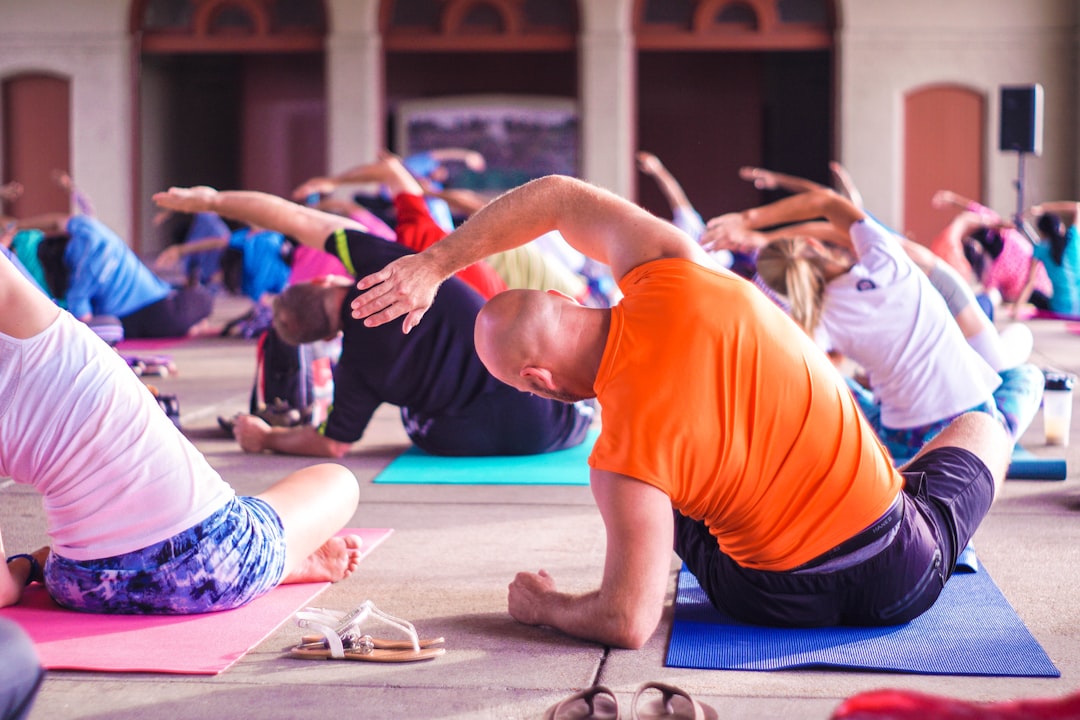
Yoga is not a practice that is done to improve your flexibility. When done with proper direction, yoga can act as a profound modulator of the human nervous system. Many studies show that practicing yoga can lower blood pressure through several physiological mechanisms. Some of them are listed below.
| Mechanism | Benefits | How Yoga Supports BP Control |
| Activates Parasympathetic Nervous System | Relaxes blood vessels Lowers heart rate | Deep breathing and restorative poses trigger “rest and digest” state |
| Reduces Cortisol Levels | Decreases stress hormones Prevents spikes in BP | Mindful movement and pranayama calm body and mind |
| Improves Baroreceptor Sensitivity | Enhances body’s ability to regulate BP Promotes cardiovascular stability | Gentle inversions and consistent practice train vessel sensors |
| Promotes Better Sleep | Supports recovery Reduces hypertension risk | Relaxation techniques and evening yoga improve sleep quality |
Best Yoga Poses for Hypertension
Your focus should be on calming, restorative, and grounding postures if you are practicing yoga for hypertension control. It is crucial that you avoid deep inversions, such as poses including headstands and handstands, as the head is positioned below the heart. These can temporarily increase blood pressure and are not advised for patients with hypertension.
| Yoga Pose | Benefits | How to Practice |
| Balasana (Child’s Pose) | Relieves neck and shoulder tension Calms the mind Encourages slow breathing | Kneel, sit on heels Walk hands forward Rest forehead on mat |
| Viparita Karani (Legs-Up-The-Wall Pose) | Supports venous return Induces deep relaxation Gentle, safe inversion | Lie on back near wall Extend legs upward Arms relaxed by sides |
| Paschimottanasana (Seated Forward Bend) | Cooling and calming Relieves stress and mild depression Stretches hamstrings and lower back | Sit with legs extended Inhale, lengthen spine Exhale, hinge forward |
| Baddha Konasana (Bound Angle / Butterfly Pose) | Opens hips and groin Stimulates heart Improves circulation | Sit tall Bring soles of feet together Let knees drop outward |
| Savasana (Corpse Pose) | Slows heart rate Stabilizes blood pressure Promotes complete relaxation | Lie flat on back Arms and legs relaxed Focus on natural breath |
Become a Certified Yoga Instructor
Yoga Teacher Training Course by Entri App: Master authentic yoga techniques, earn certification, and build a successful career as a professional yoga instructor.
Join Now!Pranayama Techniques for Heart Health
Practicing breathwork, or pranayama, can have great positive results on the nervous system of an individual. When you are practicing yoga for hypertension control, it is best if you avoid forceful or heat-building breathing, such as Kapalabhati or breath retention. The best way to go in this scenario is to stick to cooling breathing techniques given below.
| Pranayama Technique | Benefits | How to Practice |
| Anulom Vilom (Alternate Nostril Breathing) | Balances brain hemispheres Lowers heart rate Calms nervous system | Close right nostril, inhale left Close left, exhale right Repeat alternating sides |
| Bhramari (Bee Breath) | Stimulates vagus nerve Relieves anxiety Supports pituitary gland | Close ears with thumbs Rest fingers over eyes Exhale with low humming sound |
| Diaphragmatic Breathing (Belly Breathing) | Maximizes oxygen exchange Slows heartbeat Deep relaxation | Place hand on stomach Inhale so belly rises Exhale slowly, belly falls |
Lifestyle Tips to Manage Blood Pressure
Medication will be more effective and give better results if the lifestyle choices made by you are also healthy. Practising yoga is the first step towards achieving a better lifestyle. But there are many other factors that one should consider. Some of them are listed below.
| Lifestyle Tip | Benefits | How to Apply |
| Adopt the DASH Diet | Clinically proven to lower BP Supports heart health | Focus on fruits, vegetables, whole grains, lean proteins |
| Watch Your Sodium | Prevents fluid retention Reduces strain on arteries | Limit intake to 1,500–2,300 mg/day Check food labels |
| Stay Hydrated | Helps kidneys flush excess sodium Maintains vascular health | Drink water consistently throughout the day |
| Engage in Aerobic Exercise | Strengthens cardiovascular system Improves circulation | Aim for 150 minutes/week of brisk walking, swimming, or cycling |
| Limit Alcohol & Caffeine | Prevents sudden BP spikes Supports long‑term heart health | Consume in moderation Opt for herbal teas or water |
Join the best online yoga TTC certification course! Enrol in Entri now!
Conclusion
Hypertension is a health condition that can be managed only with a comprehensive regimen. Proper medication, exercise and diet are the primary parts of this routine. Yoga is another powerful tool that will help you achieve the aim. Through yoga, you can consciously activate the parasympathetic nervous system through targeted asanas and soothing pranayama. This will help in reducing stress and keep the blood pressure in check. But consistency is the key. Practising yoga for 15 minutes daily can have more results than a weekly two-hour session. Remember that daily short-duration practices energise you, while irregular long-duration practices exhaust you. Start doing yoga and prioritise your heart health today itself.
|
Related Topics |
Become a Certified Yoga Instructor
Yoga Teacher Training Course by Entri App: Master authentic yoga techniques, earn certification, and build a successful career as a professional yoga instructor.
Join Now!Frequently Asked Questions
Which is better for hypertension: physical poses (asanas) or breathing (pranayama)?
Both are highly beneficial, but pranayama offers the most immediate effect on the nervous system. Slow, deep breathing techniques have a direct and rapid impact on lowering the heart rate and blood pressure, making them arguably the most critical component of a hypertension-focused yoga practice.
Is hot yoga safe for people with high blood pressure?
Generally, no. The intense heat in classes like Bikram or hot Vinyasa can cause dehydration and place excessive cardiovascular strain on the body, leading to dangerous fluctuations in blood pressure. Stick to room-temperature, restorative, or Hatha yoga.
How often should I practice yoga to see a change in my blood pressure?
Consistency matters most. Practicing gentle yoga or breathwork for 20 to 30 minutes daily is highly effective. Studies suggest that 3 to 4 sessions per week can lead to measurable improvements in blood pressure over 12 weeks.
Are there any yoga poses I should avoid if I have high blood pressure?
Yes. You should avoid full inversions like Headstand (Sirsasana), Handstand (Adho Mukha Vrksasana), and Shoulder Stand (Sarvangasana). Poses that position your head below your heart can cause a rapid, unsafe increase in blood pressure to the brain.
Can yoga replace my blood pressure medication?
No. Yoga is a complementary therapy. It works alongside your prescribed medical treatments. Never stop taking your blood pressure medication without explicit instructions from your doctor.