Table of Contents
Hair colouring techniques fall into three main categories: global (all-over) colour, dimensional techniques like highlights and balayage, and dramatic gradient styles like ombré.
Global colour provides a uniform shade across the entire head and is ideal for covering grey hair or making a complete colour change. Highlighting techniques like balayage and foiling add brightness and dimension to selected strands.
Ombré creates a striking dark-to-light gradient, while sombré offers a softer, more subtle transition. Each technique serves different client needs and maintenance preferences.
Master Advanced Skincare, Makeup, Hair, and Salon Management. Enrol Now!
KEY TAKEAWAYS
- Global colour applies one uniform shade to the entire head and completely changes your natural hair colour.
- Highlights use foils to create controlled, precise lightness and dimension in selected strands.
- Balayage is a freehand painting technique that creates natural, sun-kissed highlights with seamless grow-out.
- Ombré produces a dramatic gradient from dark roots to lighter ends, while sombré offers a softer, more subtle transition.
- Lowlights add darker tones to create depth and dimension, balancing overly lightened hair.
- Babylights are super-fine highlights that mimic the natural, subtle lightness of children’s hair.
- Foilyage combines balayage’s hand-painted technique with the intensity of foil for brighter, more vibrant results.
INTRODUCTION
Changing your hair colour is one of the most exciting ways to transform your look. Whether you want to cover grey hair, add dimension, or make a bold statement, there is a technique designed for your goals. But with so many options available, choosing the right method can feel overwhelming.
The key is understanding what each technique does and how it suits your hair type, lifestyle, and maintenance preferences. From classic global colour to trendy balayage, each approach offers unique benefits. This guide explains the most popular hair colouring techniques so you can make an informed choice.
Master Makeup, Hair & Skincare to Build Your Beauty Identity
Unlock your creative potential with our expert-led Beauty & Wellness course. Build in-demand beauty skills and step confidently into the world of beauty!
Your Beauty Career Starts Here!POPULAR HAIR COLOURING TECHNIQUES EXPLAINED
Global Colour
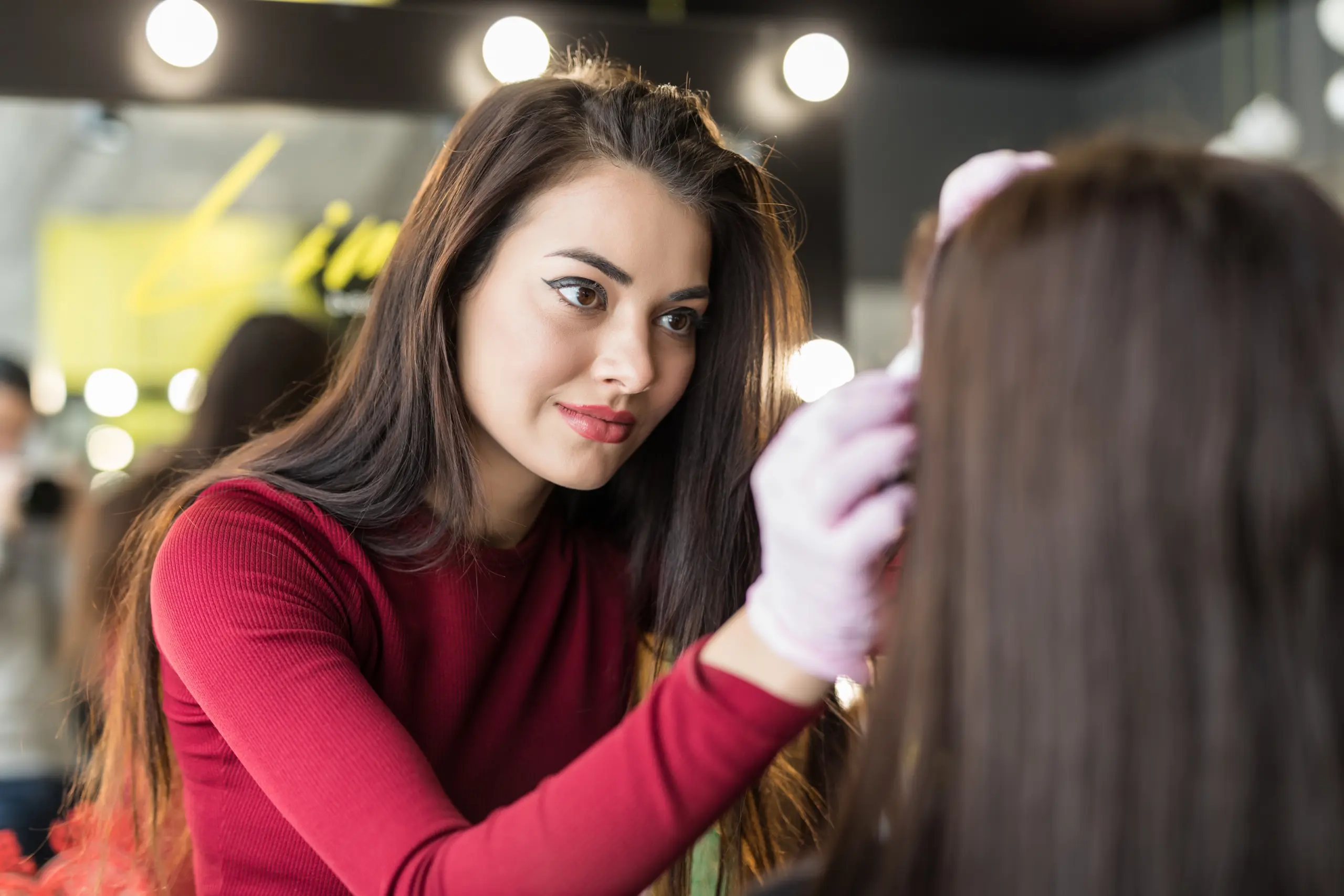
Global colour is a technique where hair colour is applied evenly to the entire head from roots to ends. This method gives a uniform shade throughout the hair and completely changes the natural hair colour.
Who it suits: Global colour is commonly used to cover grey hair, darken or lighten the natural colour, or create a completely new shade . It works well for anyone wanting a dramatic, all-over change.
The process: The stylist divides the hair into sections and applies the colour evenly using a brush. The colour processes for the recommended time, then the hair is rinsed and conditioned.
Advantages: This technique provides uniform colour, complete grey coverage, and enhances overall appearance. It is one of the most basic and widely used methods in salons.
Highlights
Highlights involve colouring selected strands of hair lighter than the natural base colour. This creates contrast and dimension, making the hair look more vibrant and stylish.
Types of highlighting techniques include:
Foil highlighting: Strands of hair are wrapped in aluminium foil while colour is applied. This traditional method allows for controlled, precise lift and can achieve brighter results because the foil generates heat that helps break through darker pigments.
Cap highlighting: Strands are pulled through a cap and then coloured. This technique works well for shorter hair.
Balayage: A freehand technique using a brush to sweep lightener along the surface of the hair for a soft, natural gradation.
Highlights use at least two different shades to create depth. As colourist Darren Anderson explains: “Great highlights should be layered to produce tonal variations. There should be lights, mediums, and darks to create depth and translucence in the hair”.
Advantages: Highlights add brightness and dimension, create a fashionable look, enhance natural colour, and give a multi-tonal appearance. They typically require touch-ups every two to three months.
Lowlights
Where highlights brighten, lowlights deepen. This technique adds darker shades to specific sections, creating rich, multidimensional effects.
Who it suits: Lowlights are useful for toning down overly lightened hair, adding warmth to blonde hair, or reviving lacklustre colour. They are often combined with highlights for balanced dimension.
Balayage
Balayage, meaning “to sweep” in French, is a freehand painting technique that creates a natural, sun-kissed look . Unlike traditional foils, colour is painted directly onto the surface of the hair, resulting in a seamless blend and soft transition from dark to light.
Key features: Balayage offers a soft, natural colour transition. It grows out gracefully, requiring fewer salon visits, and works wonders on wavy and curly hair. Varying the placement of highlights creates dimension and depth .
The difference from highlights: Highlights are usually placed with lightness beginning close to the scalp, as if it’s growing out that way. Balayage starts away from the roots and is more focused towards the mid-lengths and ends of the hair . Balayage also has less noticeable regrowth lines.
Who it suits: Perfect for low-maintenance beauty lovers, balayage works on most hair shades and is particularly flattering on those who want a subtle caramel blend or a bold blonde transformation. It is more expensive because it is highly customised and requires artistic skill.
Foilyage
Foilyage combines the freehand painting technique of balayage with the precision and intensity of foils . The result is a bright, vibrant, and multi-dimensional hair colour.
The process: The stylist applies lightener using a balayage technique, then places foils around the painted sections to create added lift and intensity. This allows for more control over the lightening process.
Who it suits: This technique is perfect for clients who want a more dramatic colour transformation while still maintaining a natural look . It delivers a sun-kissed effect with extra oomph.
Ombré
Ombré, derived from the French word for “shadow,” is a hair colour technique that creates a dramatic contrast between dark roots and lighter ends . The transition is often more defined than balayage, with a more marked line of demarcation.
Key features: The hair is darkest at the roots and lightest from the mid-lengths to the tips, with an even line separating the dark uncoloured hair and the solid lightened area.
Who it suits: This technique is perfect for clients who want a bold, high-contrast look. Traditionally seen on brunettes with blonde tips, ombré has expanded to include pastels, fiery reds, and metallic shades.
Sombré
Sombré, short for “soft ombré,” is a softer, more natural-looking version of ombré. The transition from dark to light is more subtle and seamless.
Key features: The colour blends more gently, creating a soft, sunlit gradient rather than a stark contrast. The ends are typically only one to two levels lighter than the base colour. You can achieve this by applying colour only from the mid-lengths to the tips to create a gradual fade effect.
Who it suits: Best suited for those who prefer a subtle yet refined appearance, sombré works great on most hair lengths and colour types. It is considered the “no-makeup makeup” of hair colour trends.
Babylights
Babylights are super-fine, delicate highlights that mimic the natural hair colour of children, creating a soft, luminous effect. They are generally one shade lighter than the natural colour.
The process: The stylist sections the hair into small, fine strands and weaves in highlights using a fine-tooth comb, focusing on creating a soft, natural blend. This requires extreme attention to detail.
Who it suits: Perfect for clients who want a subtle, sun-kissed look and appreciate low-maintenance beauty, babylights grow out seamlessly.
HOW TO CHOOSE THE RIGHT HAIR COLOUR TECHNIQUE
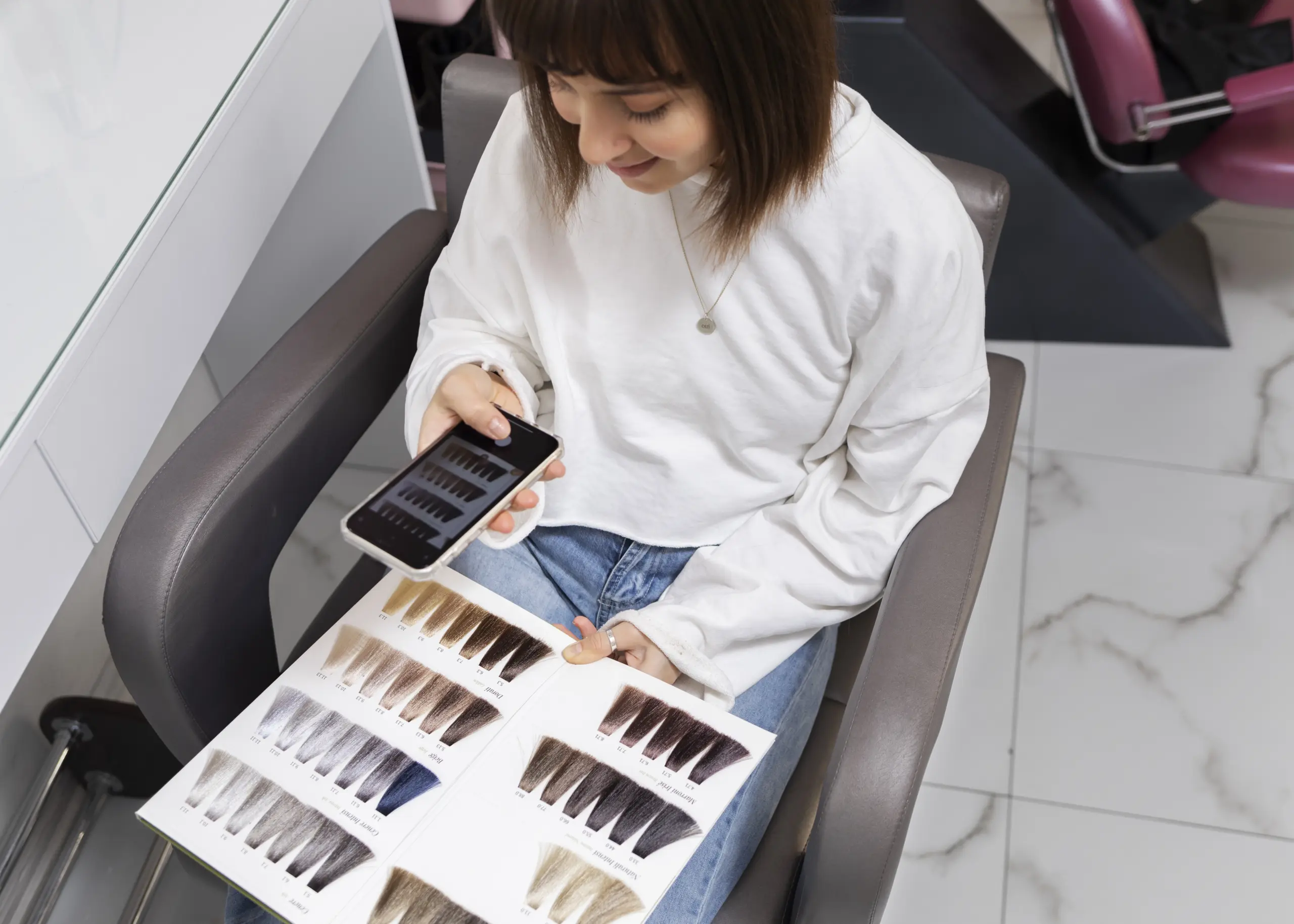
Choosing the right technique depends on several factors.
Consider your maintenance preference. Balayage and sombré offer low-maintenance options with less noticeable regrowth. Highlights and global colour require more frequent touch-ups.
Think about your desired look. Global colour provides a complete transformation. Highlights and balayage add dimension and brightness. Ombré offers dramatic contrast.
Assess your hair condition. Damaged or processed hair may not tolerate aggressive techniques like double-process colour. A professional colourist can assess your hair’s health and recommend the safest approach.
Factor in your budget. Balayage and foilyage are typically more expensive than traditional highlights or global colour due to the customised, artistic nature of the techniques.
Master Advanced Skincare, Makeup, Hair, and Salon Management. Enrol Now!
HAIR COLOUR CARE TIPS
After investing in professional colour, proper care is essential to maintain vibrancy and hair health.
Use colour-safe products. Choose sulfate-free shampoos and conditioners formulated for colour-treated hair . These products prevent fading and protect your investment.
Wash less frequently. Water is hair colour’s worst enemy. Skip washing when possible and use dry shampoo to extend the life of your colour.
Use a hair mask. Commit to using a deep conditioner or hair mask once a week to keep hair hydrated and soft.
Protect from heat and UV. Use a heat protectant before styling and wear a hat to prevent sun bleaching.
Master Makeup, Hair & Skincare to Build Your Beauty Identity
Unlock your creative potential with our expert-led Beauty & Wellness course. Build in-demand beauty skills and step confidently into the world of beauty!
Your Beauty Career Starts Here!CONCLUSION
Hair colouring techniques offer endless possibilities for self-expression and transformation. Global colour provides a complete uniform change. Highlights and lowlights add dimension and depth. Balayage and foilyage create natural, sun-kissed effects with seamless grow-out. Ombré and sombré offer dramatic or subtle gradients.
The right technique for you depends on your goals, maintenance preferences, and hair condition. A professional colourist can guide you through these choices to achieve the best possible look. Whether you want a subtle glow-up or a head-turning transformation, there is a perfect technique waiting for you.
Master Makeup, Hair & Skincare to Build Your Beauty Identity
Unlock your creative potential with our expert-led Beauty & Wellness course. Build in-demand beauty skills and step confidently into the world of beauty!
Your Beauty Career Starts Here!Frequently Asked Questions
What is the difference between balayage and traditional highlights?
Balayage is a freehand painting technique that creates natural, sun-kissed highlights with softer regrowth lines. Traditional highlights use foils for more controlled, precise lift and brighter results. Balayage requires less maintenance because there are no harsh regrowth lines, while highlights need touch-ups every two to three months.
How long does hair colouring take in a salon?
Most hair colouring services take 1.5 to 3 hours depending on the technique and your hair length. Global colour typically takes 1.5 to 2 hours. Highlights and balayage take 2 to 3 hours. Complex transformations with multiple techniques may take 3 to 4 hours or more.
How often do I need to touch up my hair colour?
Global colour requires touch-ups every 4 to 6 weeks to cover regrowth. Highlights typically need touch-ups every 6 to 8 weeks. Balayage and ombré offer low-maintenance options with touch-ups every 3 to 4 months because they grow out more naturally and seamlessly.
Is balayage suitable for all hair types and lengths?
Balayage works well on most hair lengths and types, especially wavy and curly hair where the technique creates natural dimension. It works on short to very long hair, but the effect is more noticeable on medium to long hair. The placement is customised to suit your specific hair texture.
Does hair colouring damage your hair?
Professional hair colouring done correctly with proper products causes minimal damage. The key is choosing the right technique for your hair condition and following aftercare advice. Using sulfate-free shampoos, deep conditioners, and heat protection helps maintain hair health after colouring.
What is the most low-maintenance hair colour technique?
Balayage and sombré are the most low-maintenance techniques because they grow out naturally with no harsh regrowth lines. You can wait 3 to 4 months between salon visits. Babylights also offer easy grow-out because they are so fine and natural-looking.
What is the most expensive hair colouring technique?
Balayage is typically the most expensive technique because it is highly customised and requires artistic skill. Foilyage is also premium-priced as it combines two techniques. Ombré and global colour are generally less expensive because they are more straightforward to apply.
What should I consider before choosing a hair colour?
Consider your maintenance preference, desired look, hair condition, and budget. Balayage offers low maintenance. Global colour is high maintenance. Damaged hair may not tolerate aggressive techniques. A professional colourist can assess your hair and recommend the safest approach.
How do I maintain vibrant colour at home?
Use colour-safe, sulfate-free shampoos and conditioners. Wash your hair less frequently to prevent fading. Use a weekly hair mask for deep conditioning. Protect your hair from heat with a heat protectant and wear a hat to prevent sun bleaching.