Table of Contents
This can be achieved by striking the right balance between professional care and a consistent at-home routine – that’s where the magic happens.
Clinical studies and dermatology guidelines confirm dramatically reduced pigmentation, noticeable reductions in acne lesions and more plump, healthy-looking skin thanks to increased collagen density. This generally comes about from repeated professional sessions and a daily care routine that actually sticks.
Professional skin treatments are designed to tackle specific skin concerns far more effectively than your average over-the-counter products. This is about facials, microneedling and all sorts of other treatments that really can make a big difference.
Master Advanced Skincare, Makeup, Hair, and Salon Management. Enrol Now!
Key Takeaways
- Regular skin treatments do a great job of keeping the skin barrier in good nick and preventing all sorts of long-term problems.
- Proactive skin care costs a whole lot less than trying to fix all the damage that’s been done.
- If you’re looking to get rid of acne, in-clinic treatments can cut active breakouts in just 4 to 12 weeks, and that with just a simple topical treatment plan.
- Microneedling is really effective at reducing the appearance of scars and can start to do so within weeks 6 to 12 of starting treatment and the process can keep on going for up to 6 months.
- Another great treatment that’s worth a look is serial exfoliation (g peels and microdermabrasion. It really can smooth out texture and refine pores.
- If you’re looking to keep your skin looking and feeling its best, hydrating/barrier-repair treatments can really help reduce TEWL and sensitivity in just one session.
- All these treatments work way better when you’re following a targeted home routine that includes a good sunscreen, the right actives and gentle cleansing.
Why Regular Treatments Matter
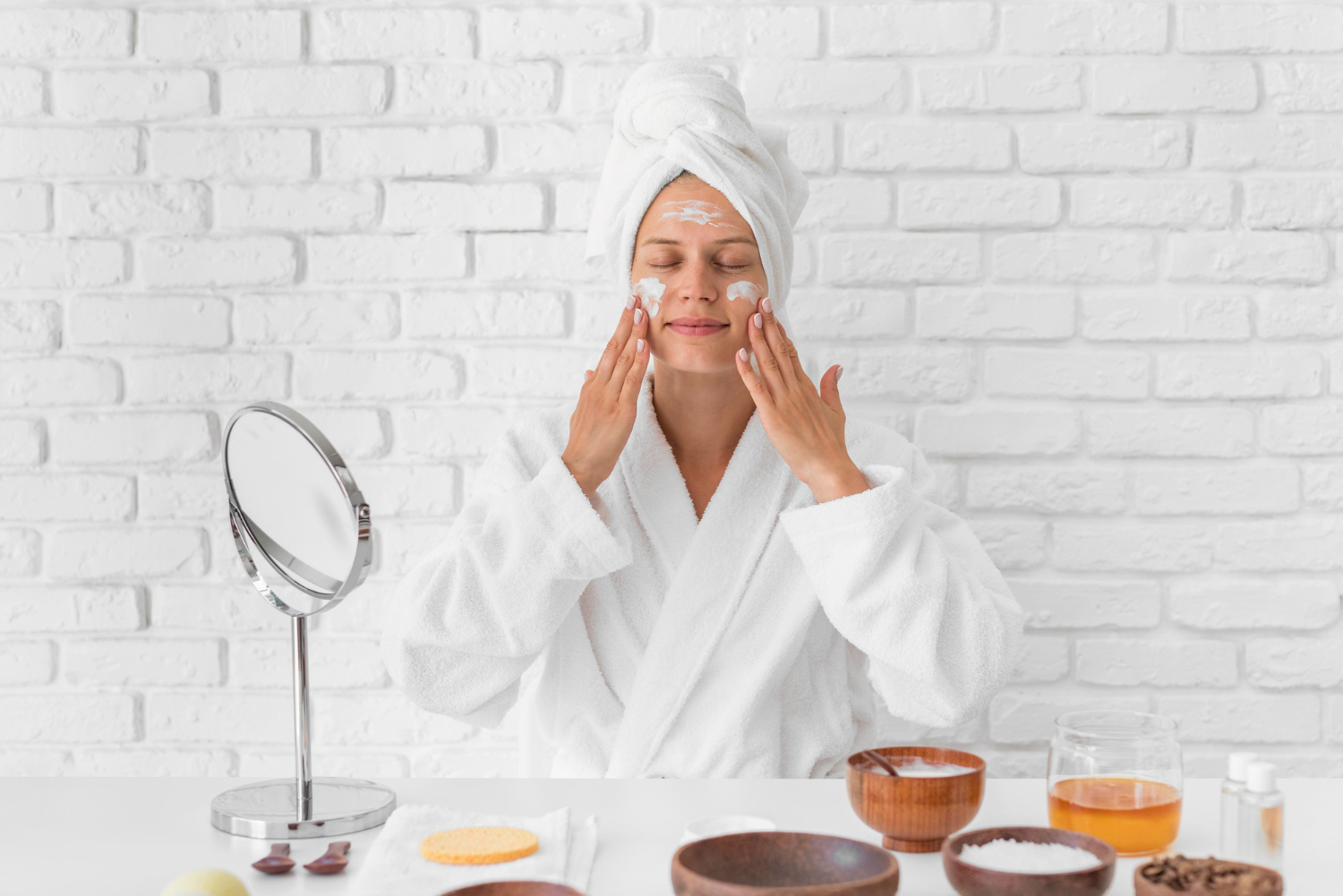
Regular treatments help in maintaining the skin barrier. This prevents minor issues that are likely to become chronic problems. Preventive maintenance mainly reduces the need for any aggressive corrective procedures in the future. This makes home-care remedies more effective.
Cohort studies and preventive dermatology guidelines show that there are lower incidences of severe flare-ups and also faster recovery times. This is when patients usually follow scheduled maintenance protocols compared to ad hoc, reactive care.
How Skin Maintenance Works
The outermost layer of the skin, called the stratum corneum, works in controlling moisture retention. And let’s not forget – your skin’s first line of defence is against all the nasty stuff that’s trying to damage it – bacteria, UV rays and all the irritants that come with living in the real world. That means looking after your skin is a daily job.
Regular professional care is all about keeping that layer functioning at its best. That means getting the right mix of hydration, targeted exfoliation and barrier repair, so the skin is functioning like it should. The problem is that when that skin barrier gets compromised even the best home care products just aren’t going to work as they should.
Cumulative Benefits vs. One-Off Fixes
Many treatments produce incremental improvements. This includes pigment fading, collagen remodelling, and pore refinement over multiple sessions. All this happens over time and not overnight.
A one-off procedure may give a quick visible lift. But results rarely hold without follow-up maintenance and a complementary home routine. Professional skin treatments can be seen as a recurring investment and is not just a single event. It is primarily a mindset shift that delivers lasting results.
The Cost-Benefit Angle
Preventive treatment plans generally cost less in time than repairing any advanced damage. Treating deep acne scarring or stubborn post-inflammatory hyperpigmentation is far more resource-intensive than maintaining healthy skin with regular and lighter sessions. This can be in terms of time, money, and also recovery. Patients who start early and stay consistent with it typically require fewer aggressive interventions.
Master Makeup, Hair & Skincare to Build Your Beauty Identity
Unlock your creative potential with our expert-led Beauty & Wellness course. Build in-demand beauty skills and step confidently into the world of beauty!
Your Beauty Career Starts Here!Key Benefits by Outcome

Regular treatments deliver
- clearer skin
- improved texture
- more even tone
- slower signs of ageing
Each outcome requires different modalities:
- peels and light therapy for pigmentation
- microneedling for collagen induction
- extractions plus topical therapy for acne
Systematic reviews and randomised controlled trials report statistically significant improvements in melanin index, lesion counts, and collagen production after serial professional treatments.
Below are the primary benefit categories with the treatments that target them, with expected timelines, and practical pairing tips.
1. Clearer Skin and Acne Control
Regular acne-focused treatments can reduce active lesions as well as lower recurrence rates. You can combine in-clinic procedures with dermatologist-prescribed topical regimens which helps achieve faster and more durable control. Clinical protocols consistently show lesion-count reductions within 4 to 12 weeks when procedural and topical therapies are used together.
Typical treatments:
- professional extractions
- superficial chemical peels (salicylic/mandelic acid)
- blue and red light therapy
- medically supervised topical or oral agents
Timeline:
Visible improvement is often evident within 4 to 8 weeks. Meaningful and lasting reduction typically occurs by 12 weeks with repeated sessions.
Home-care pairing:
BHA (salicylic acid) cleansers, non-comedogenic moisturisers, and SPF daily. Pause strong retinoids before certain in-clinic procedures if your dermatologist advises.
How quickly do facials help acne?
Most patients see a visible reduction in active breakouts within 4 to 8 weeks of consistent treatment, though full clearing can take up to 12 weeks depending on severity.
2. Improved Texture and Pore Refinement
Serial exfoliation and resurfacing can help smooth rough texture. Not just that, they work in reducing enlarged pores. The outer damaged layer can be removed by microdermabrasion and superficial peels. Fractional lasers and RF microneedling, on the other hand, work on underlying collagen for longer-term structural improvement. Studies report measurable surface-smoothness gains and reduced pore diameter after a course of resurfacing treatments.
Typical treatments:
- Microdermabrasion
- superficial-to-medium chemical peels
- fractional lasers
- dermaplaning
Timeline:
Visible smoothing is often noticed after 1 to 3 sessions. Cumulative collagen-based improvement builds over several months.
Home-care pairing:
Low-concentration AHA or BHA maintenance products, and daily sunscreen to prevent post-procedure pigmentation.
| Treatment | Primary Action | Visible Results |
| Microdermabrasion | Surface exfoliation | 1–2 sessions |
| Superficial chemical peel | Cell turnover acceleration | 2–3 sessions |
| Fractional laser | Collagen remodelling | 3–6 months (series) |
| RF Microneedling | Deep collagen induction | 3–6 months (series) |
3. Hyperpigmentation and Tone Correction
Dark spots and uneven skin tone can be sorted gradually with regular pigmentation-targeted treatments. Superficial peels, topical brighteners (tranexamic acid, niacinamide, retinoids), and IPL are commonly combined to get the best results. On top of that, strict daily sun protection remains non-negotiable.
Typical treatments:
- salicylic or glycolic peels
- topical brighteners
- IPL/BBL
- retinoid-based regimens
Timeline:
Weeks or even months later, you might still find yourself needing regular maintenance sessions if your skin is stubborn or prone to melasma.
If you’ve got a darker skin tone, you really should be working with a dermatologist who knows how to be cautious and who’s tried-and-tested their methods.
Important note:
Skin that’s super sensitive to pigment is going to need a patch test and some careful thought put into the protocol to avoid getting those nasty dark marks (PIH) afterwards.
4. Anti-Ageing and Collagen Induction
Getting rid of the signs of ageing – fine lines, for instance, and that loss of firmness in your skin – is definitely within reach with repeated collagen-boosting treatments.
Microneedling, fractional lasers and radiofrequency devices over a period of several months – or thereabouts – kickstart your body into producing all that extra collagen and elastin it’s supposed to. The results just keep getting better and better with regular maintenance.Research shows that microneedling on its own or in combination with other treatments is a pretty safe bet for sorting out scarring and all the signs of getting on in years.
Typical treatments:
- microneedling (with or without PRP)
- fractional ablative and non-ablative lasers
- RF microneedling
Timeline:
Early texture benefits often appear within weeks; meaningful collagen remodelling becomes visible at 3 to 6 months after a full treatment series. Results continue improving for up to 6 months after the final session.
Home-care pairing:
Topical retinoids (as tolerated), vitamin C serum, and SPF as daily sun protection is essential to preserve results.
| Treatment | Mechanism | Timeline for Results |
| Standard microneedling | Collagen induction via micro-injuries | 6–12 weeks (series) |
| RF Microneedling | Collagen + heat-based tightening | 3–6 months |
| Fractional laser | Ablative resurfacing + remodelling | 3–6 months |
| Microneedling + PRP | Enhanced healing + growth factors | 3–6 months |
5. Hydration and Barrier Restoration
Hydrating and barrier-repair treatments help in improving moisture retention and reduce skin sensitivity. Factors that help restore barrier function faster than home care include professional infusions, ceramide and hyaluronic acid-based treatments, and calming LED sessions. This is especially the case for reactive or sensitised skin.
Typical treatments:
- hydrating facials
- hyaluronic acid infusions
- calming LED therapy
- barrier-repair serums (ceramide-rich formulations)
Timeline:
Immediate hydration improvements are common after even a single session.Structural barrier repair occurs over days to weeks with consistent care.
Home-care pairing:
Gentle, sulphate-free cleanser; ceramide-rich moisturiser; SPF every morning.
Master Advanced Skincare, Makeup, Hair, and Salon Management. Enrol Now!
Conclusion
Following regular skin care treatments have greater benefits than being aesthetically pleasing. They primarily have an evidence-based approach towards maintaining overall skin health, slowing the ageing process and addressing concerns before they escalate.
No matter what your goal is, consistency and combination remain the key. Be it clearer skin, more even tone, smoother skin texture or firmer looking skin. Understand that professional treatments work best when paired with the right home routine and also a realistic timeline.
Start with a consultation from a qualified dermatologist and build a plan that is tailored to your concerns, specific skin type and also budget. The earlier you begin with preventive care, the better as you won’t need a lot of corrective work on your skin in the future.
|
RELATED POSTS |
|
| Anti-Ageing Skincare Tips and Treatments | |
| How to Become a Makeup Artist | |
| How to Perform a Professional Facial Step by Step | |
Master Makeup, Hair & Skincare to Build Your Beauty Identity
Unlock your creative potential with our expert-led Beauty & Wellness course. Build in-demand beauty skills and step confidently into the world of beauty!
Your Beauty Career Starts Here!Frequently Asked Questions
What are the main benefits of regular skin care treatments?
Regular skin care treatments improve skin texture, clarity, hydration, and slow visible ageing. They also reduce acne breakouts, fade dark spots, and help maintain a healthy skin barrier over time.
How often should you get professional skin care treatments?
Frequency depends on the treatment type. Facials are typically done monthly, chemical peels every 4 to 6 weeks, and collagen-stimulating treatments like microneedling every 4 to 6 weeks for a series of 3 to 6 sessions. Your dermatologist will recommend a schedule based on your skin goals.
Can regular facials really reduce acne?
Yes. Professional extractions, chemical peels, and light-based therapy (blue/red light) reduce active acne lesions and recurrence rates. Clinical protocols show visible lesion-count reduction within 4 to 12 weeks when in-clinic procedures are combined with a prescribed topical regimen.
How does microneedling improve skin?
Microneedling creates controlled micro-injuries that trigger the skin’s natural wound-healing response, stimulating collagen and elastin production. This results in firmer, smoother skin with improved texture, reduced scar depth, and better elasticity over time.
Is it worth getting regular skin care treatments if I have a good home routine?
Yes, professional treatments address concerns at a deeper level than home-care products can. They enhance the effectiveness of your home routine by improving product absorption and addressing structural concerns like collagen loss, active acne, and post-inflammatory pigmentation.
How long does it take to see results from chemical peels?
Superficial chemical peels show improvement in texture and brightness after 2 to 3 sessions. Pigmentation concerns and acne scarring typically require a series of 4–6 treatments over several weeks for meaningful improvement.
What home-care routine should I follow between professional treatments?
The basics apply across most skin types: a gentle cleanser, targeted active (retinoid or vitamin C), a good moisturiser (ceramide-rich for dry/sensitive skin), and SPF 30+ every day. Your clinician will tailor recommendations based on the treatment you receive.
Do skin care treatments have any downtime?
Downtime varies by treatment. Hydrating facials and mild peels have little to no downtime, while deeper peels, ablative lasers, or microneedling may involve 1–5 days of redness or peeling. Your clinician will guide you on aftercare and activity restrictions.